The B‑2 Spirit flies some of the longest combat sorties in history, often exceeding 40 hours. Crews use a compact fold‑out cot, a microwave, a mini fridge and a chemical toilet, and take planned two‑to‑three‑hour naps. Fatigue is managed through preflight physiological planning, CRM training, automation and tightly controlled medical options such as low‑dose stimulants and occasional sedatives. Emerging sensors and AI monitoring aim to detect early signs of fatigue and stress.
How B‑2 Spirit Crews Sleep and Manage Fatigue on 40+ Hour Missions
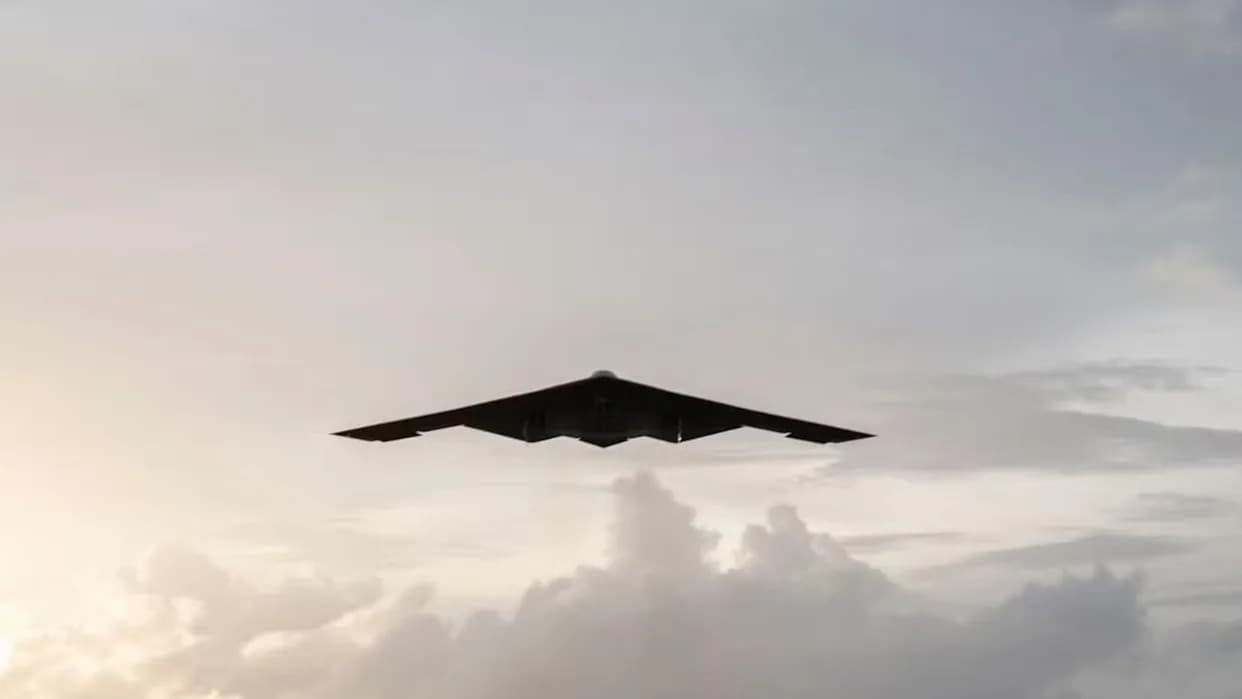
Photo Courtesy: Autorepublika.
Crews who fly the B‑2 Spirit — Northrop Grumman’s stealth bomber operated by the U.S. Air Force — regularly undertake some of the longest combat sorties in aviation history. On global power‑projection and counterterror operations, B‑2 missions have exceeded 40 hours and at times stretched past 44 hours. Managing sleep, fatigue and human performance on those flights is as mission‑critical as navigation and weapons employment.
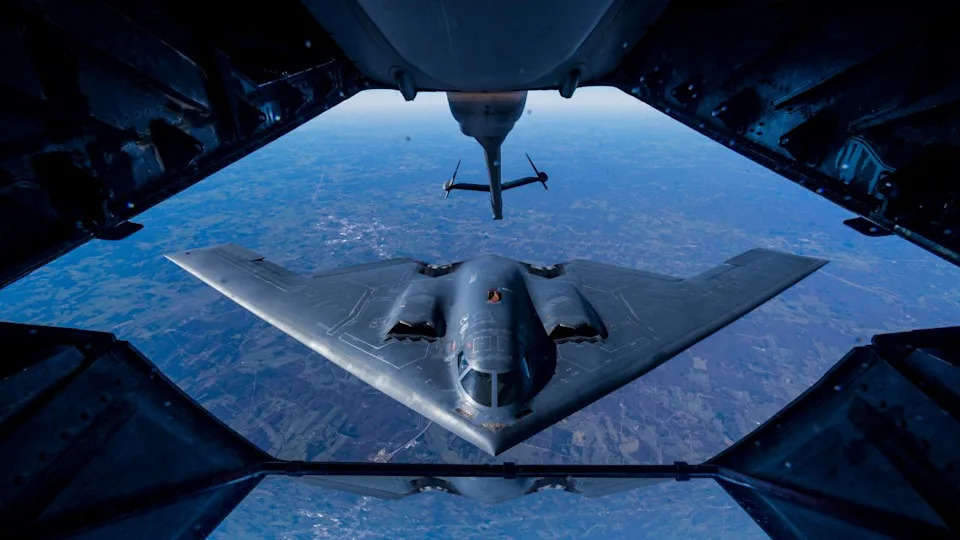
Photo Courtesy: Senior Airman Keith James - Dvidshub.net/ Public Domain/ Wiki Commons.
The Cockpit: Small, Efficient, Functional
The B‑2’s flying‑wing design prioritizes stealth and efficiency over comfort. The cockpit bulge offers just enough headroom for a standing crewmember behind the instrument panel. Within that compact volume the bomber carries a fold‑out rest area, a small microwave, a mini refrigerator and a compact chemical toilet — all optimized for long sorties where space is extremely limited.
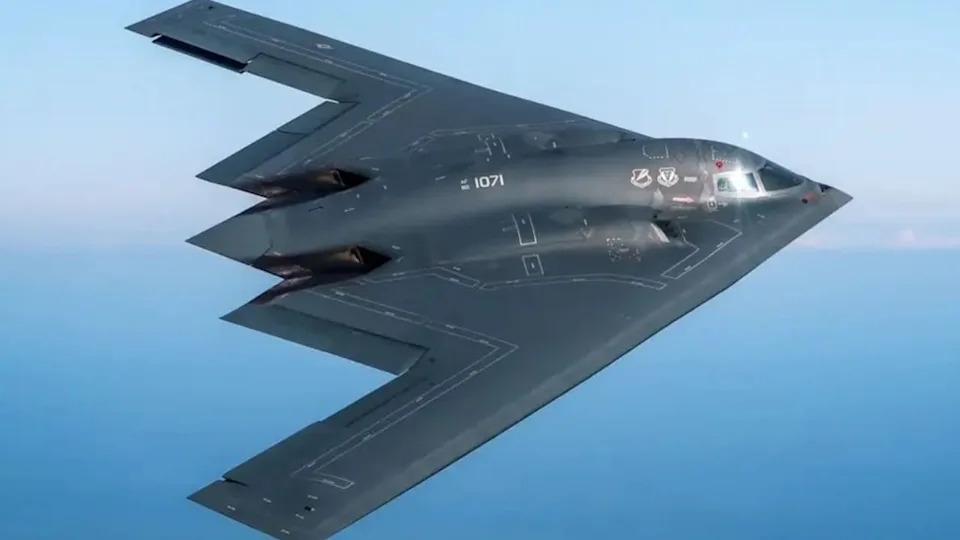
Photo Courtesy: Senior Airman Joel Pfiester - US Air Force, Public Domain/Wiki Commons.
Two Crewmembers, Carefully Scheduled Rest
Only two people operate the B‑2: a pilot (left seat) and a mission commander (right seat). Advanced flight computers and a highly automated fly‑by‑wire system let one crewmember manage routine cruise flight while the other rests. The rest area is a narrow floor‑level space roughly six feet (about 180 cm) long. Modern crews use purpose‑built fold‑out cots or custom camping‑style bedding rather than improvised padding used by early teams.
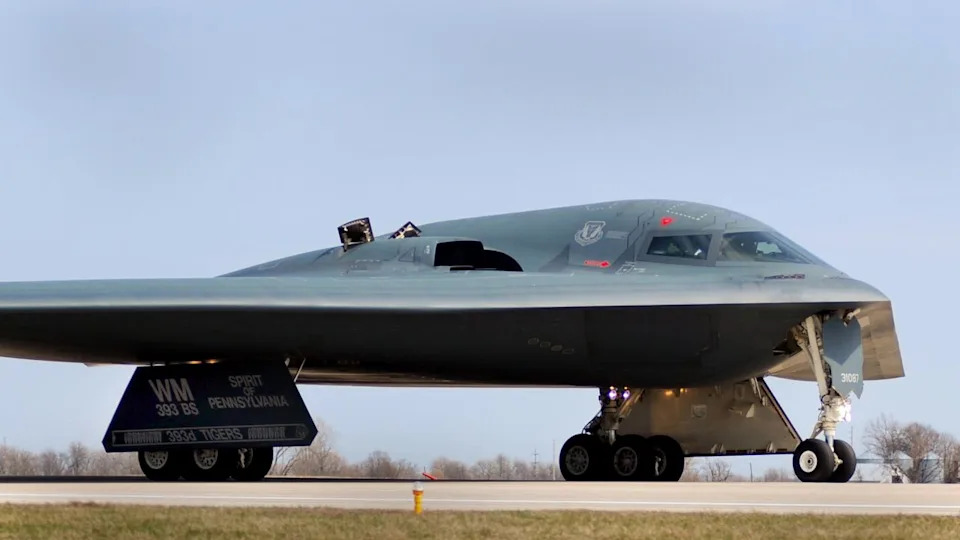
Photo Courtesy: U.S. Air Force photo by Senior Airman Kenny Holston - https://www.flickr.com/photos/usairforce/5544342190/, Public Domain/Wiki Commons.
Planned Naps, Physiology, and Preflight Preparation
Sleep on ultra‑long missions is structured into short, planned blocks — typically two to three hours each. Crews work with Air Force aviation physiologists in the days before a mission to shift sleep schedules and reduce circadian disruption, improving alertness when wakefulness will fall at unusual times.
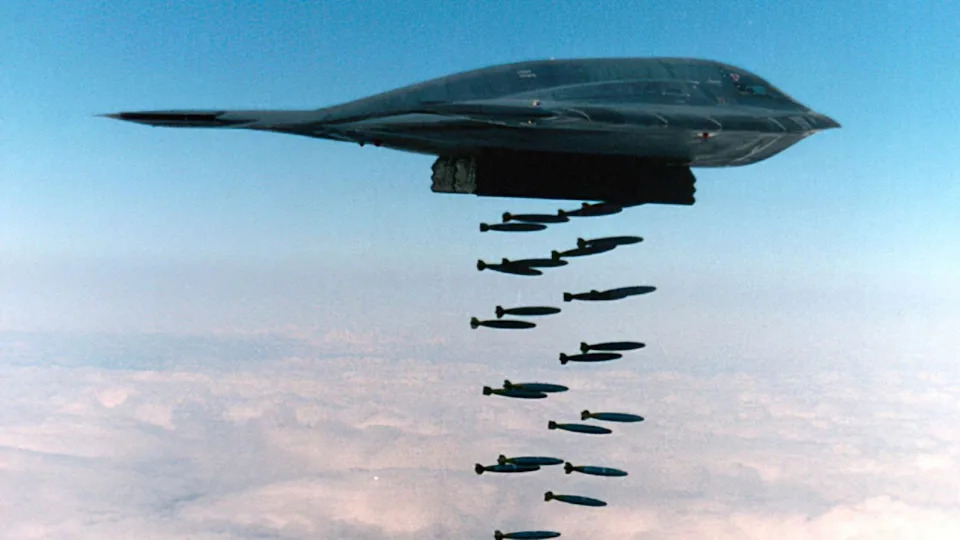
Photo Courtesy: USAF - Public Domain/Wiki Commons.
Fatigue Management: Layers of Defense
Fatigue management is multi‑layered. First‑line strategies include preflight sleep, dietary control, hydration, caffeine, and brief in‑flight exercise. When those are insufficient, flight surgeons may authorize tightly controlled prescription stimulants (commonly low‑dose dextroamphetamine) to restore alertness. Such medications are tested on the ground first, used under medical supervision, and applied only when necessary.
Photo Courtesy: Autorepublika.
To help pilots recover sleep after stimulant use, sedative medications (sometimes called “no‑go pills,” e.g., zolpidem derivatives) may be prescribed sparingly. Strict duty‑restriction windows follow sedative use to ensure safety before returning to flight duties.
Training, CRM and Automation
Crew Resource Management (CRM) is essential for two‑person operations that can exceed 40 hours. Crews spend weeks planning routes, refueling tracks, task distribution and sleep rotations. Training includes extended simulator sessions (sometimes 24 hours straight) to study how communication, decision‑making and situational awareness degrade with sleep loss. During high‑demand phases such as night aerial refueling, continuous verbal callouts and practiced cues are critical when visual references are limited.
The B‑2’s flight‑control system continuously stabilizes the inherently unstable flying‑wing design, handling routine flight tasks and reducing pilot workload. Advanced displays and situational‑awareness screens present complex data in simplified forms so a pilot returning from a rest shift can rapidly regain full situational awareness.
Monitoring And Emerging Technologies
The Air Force is investing in non‑invasive monitoring systems that track heart rate, respiration, eye movement and other physiological markers. Sensor suites and AI‑driven analytics aim to detect early signs of fatigue, dehydration, hypoxia or stress so interventions can occur before performance is compromised.
Strategic Role And Human Limits
The B‑2 remains a cornerstone of U.S. strategic airpower and a pillar of the nuclear triad. Its internal weapons bay supports a nominal payload rating near 40,000 pounds (about 18,144 kg) and the bomber is certified to carry specialized munitions such as the GBU‑57 Massive Ordnance Penetrator and nuclear gravity bombs like the B61. Yet the aircraft’s global reach depends as much on human endurance — two pilots managing sleep, fatigue and decisions over many hours — as it does on stealth and avionics.
This article was adapted and edited for clarity from the original reporting and published with permission. AI‑assisted translation was used and reviewed by human editors.
Help us improve.