The 50-year-old NASA WB-57 research jet made a controlled belly landing at Ellington Field on Jan. 27 after a mechanical failure prevented its landing gear from deploying. Video shows flames and smoke as the aircraft skidded several hundred yards; both pilots were uninjured. With the other two WB-57s grounded for inspection, the fleet is temporarily inoperable, and the damaged jet is unlikely to support the Artemis II launch on the earliest possible date of Feb. 6. NASA has opened an investigation into the incident.
50-Year-Old NASA WB-57 Research Jet Belly-Lands at Ellington Field; Artemis II Support Likely Lost
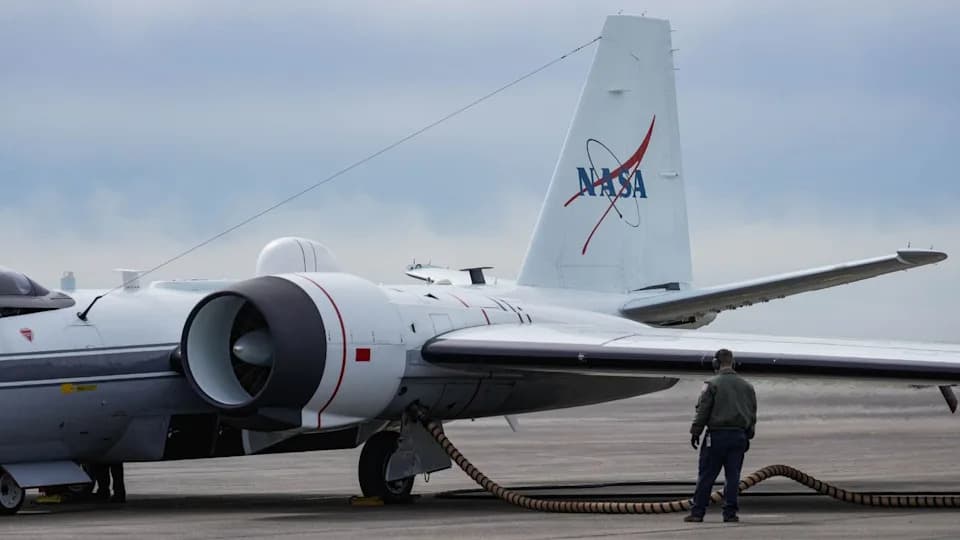
Credit: Raquel Natalicchio/Houston Chronicle via Getty Images
A vintage NASA WB-57 research jet performed a controlled "belly" landing at Ellington Field near Houston on Jan. 27, skidding several hundred yards while producing flames and smoke before coming to a stop. New video of the incident shows spurts of yellow flame and white smoke from the aircraft's underside as friction between the fuselage and runway ignited material.
Incident Details
The WB-57 touched down at a relatively low speed and slid along the tarmac for several hundred yards before stopping. Local station KHOU 11 captured footage of the landing. ABC News reported the emergency was caused by a mechanical failure that prevented the landing gear from deploying prior to touchdown.
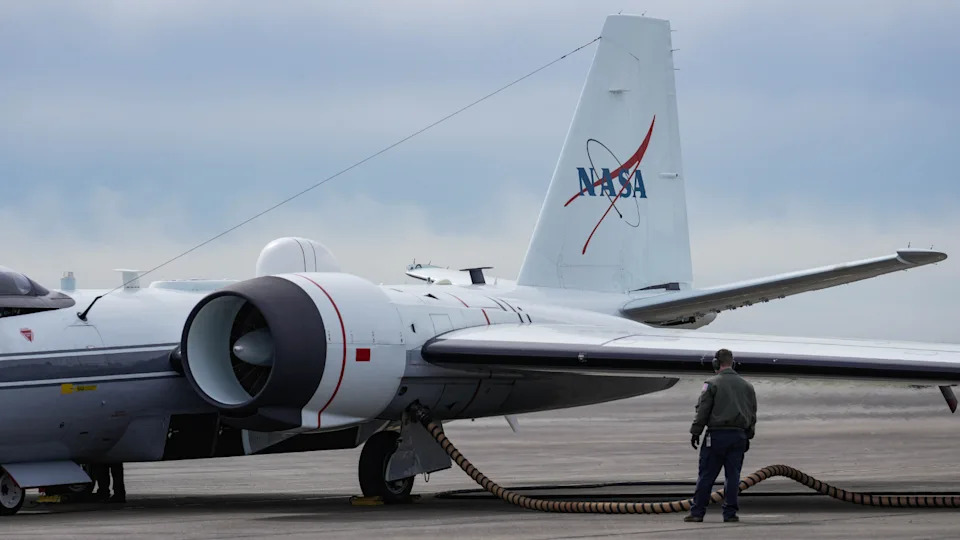
NASA's WB-57 jets operate out of the Ellington Field airport, near NASA's Johnson Space Center in Texas. | Credit: Raquel Natalicchio/Houston Chronicle via Getty Images
Cause and Crew
NASA confirmed the two-person crew — both unnamed pilots — were unharmed and escorted from the scene. NASA spokesperson Bethany Stevens posted on X that "response to the incident is ongoing, and all crew are safe at this time," and said a thorough investigation will follow.
Bethany Stevens, NASA: "Response to the incident is ongoing, and all crew are safe at this time. As with any incident, a thorough investigation will be conducted by NASA into the cause."
The WB-57 Program and Capabilities
WB-57 jets are part of NASA's High Altitude Research Program at Ellington Field. These aircraft can climb to about 63,000 feet (19,000 meters) — nearly twice the altitude of commercial airliners — and can remain airborne for up to 6.5 hours. Each plane carries a two-person crew: one pilot and a second crew member who operates scientific instruments for missions such as atmospheric research, ground mapping, cosmic dust collection and rocket plume observation.
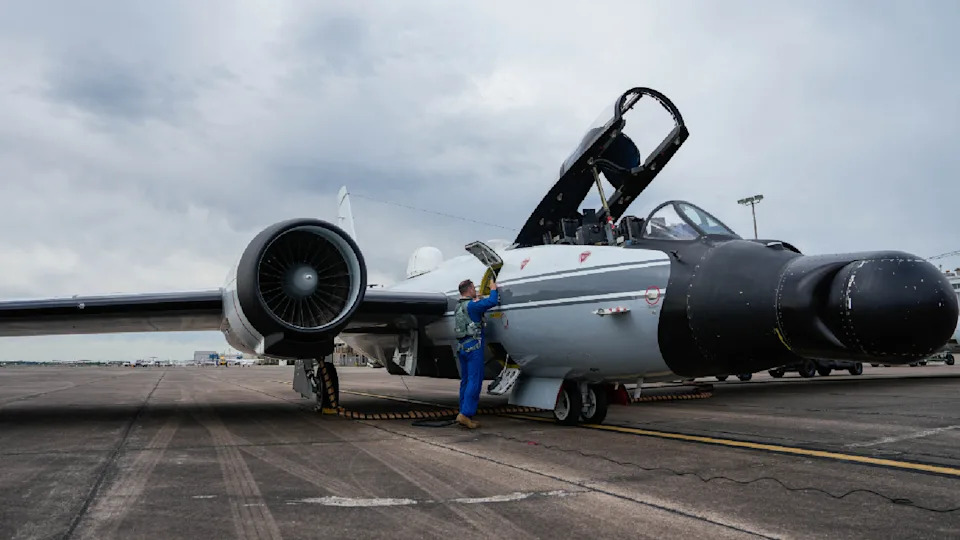
The WB-57 jets are modified versions of the RB-57F Canberra, which was designed in the 1950s. But the aircraft have been updated significantly in the subsequent decades. | Credit: Raquel Natalicchio/Houston Chronicle via Getty Images
Fleet Status and Artemis II Impact
NASA operates three WB-57s: two airframes in service since 1972 and a third restored in 2013 after retrieval from an Air Force boneyard. It is not yet clear whether the jet involved in the incident was one of the original 1972 airframes or the 2013-restored aircraft. According to reporting by Space.com and Ars Technica, the other two WB-57s have been grounded for inspections, leaving the fleet temporarily inoperable.
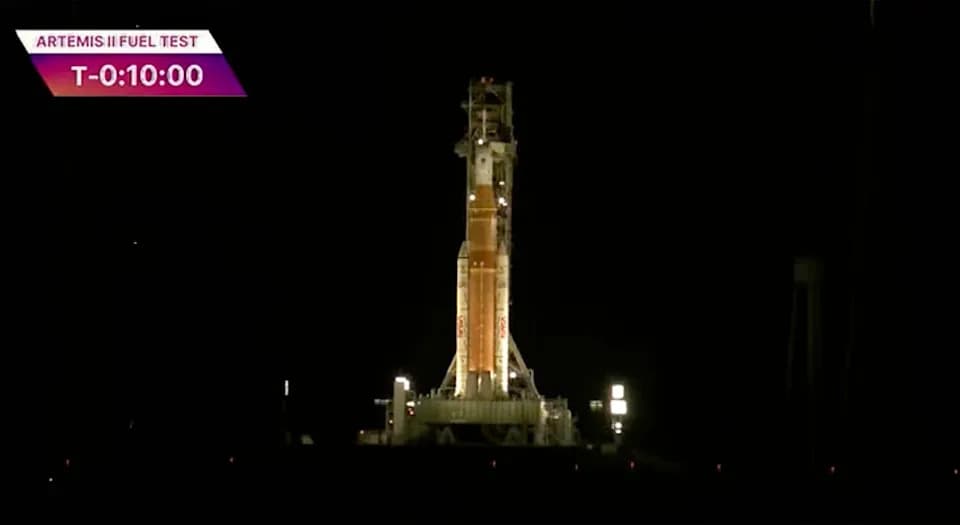
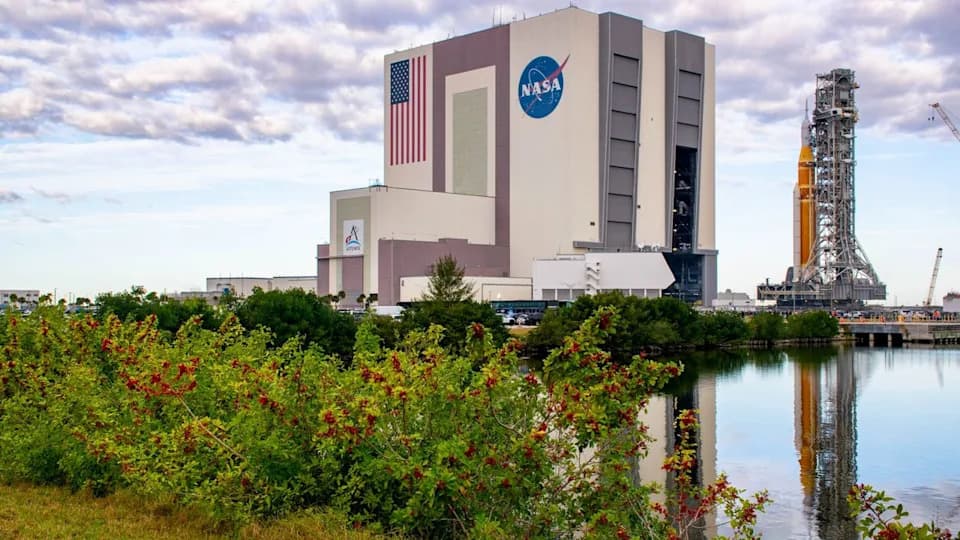
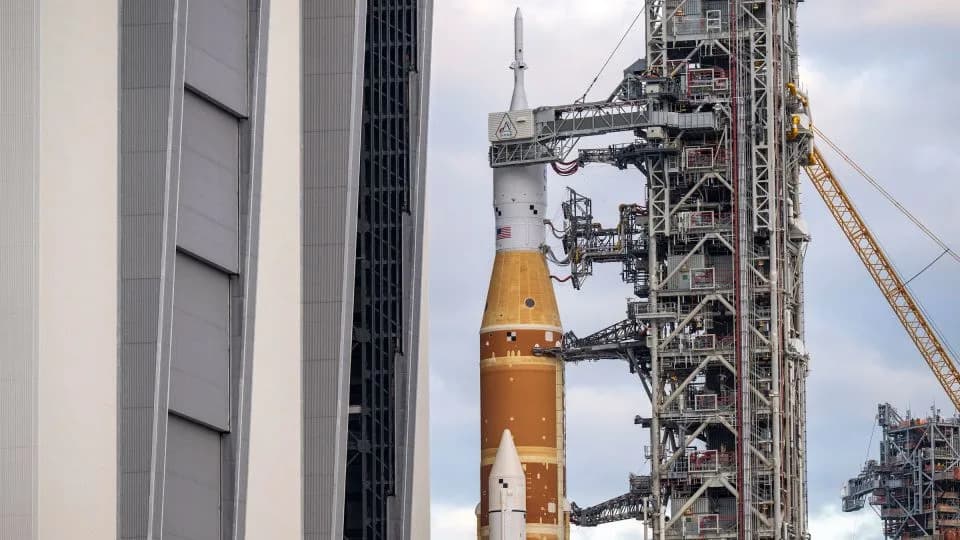
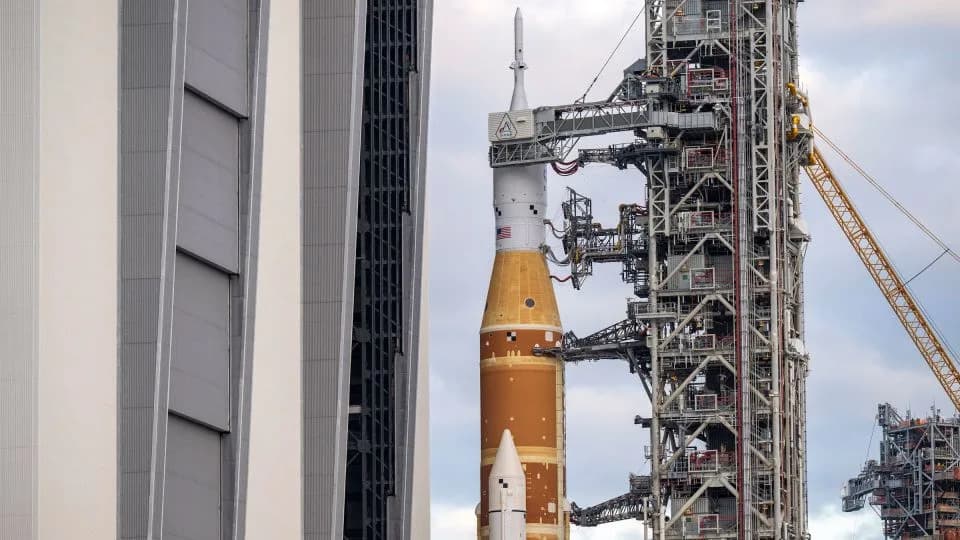
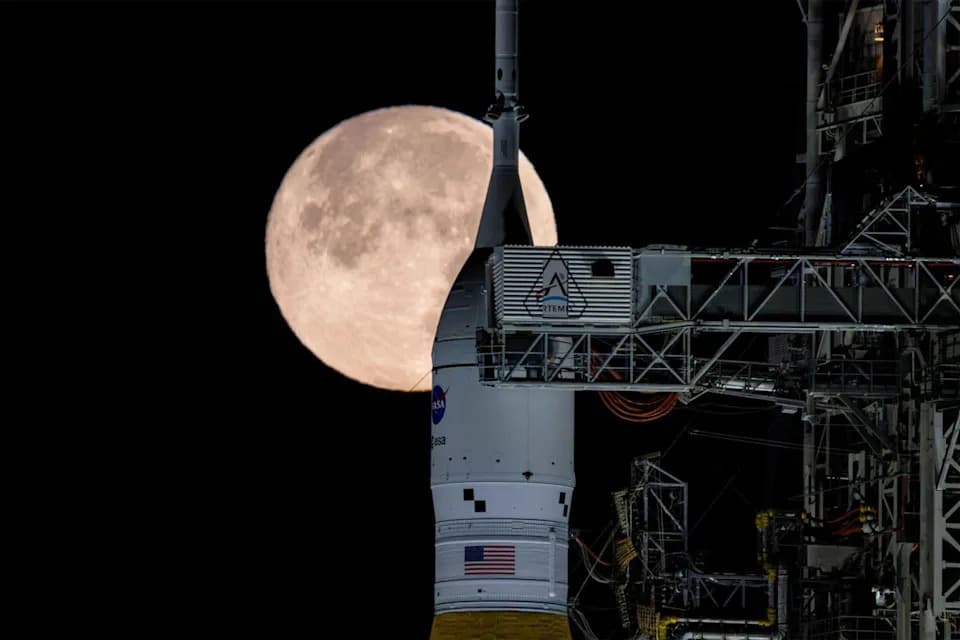
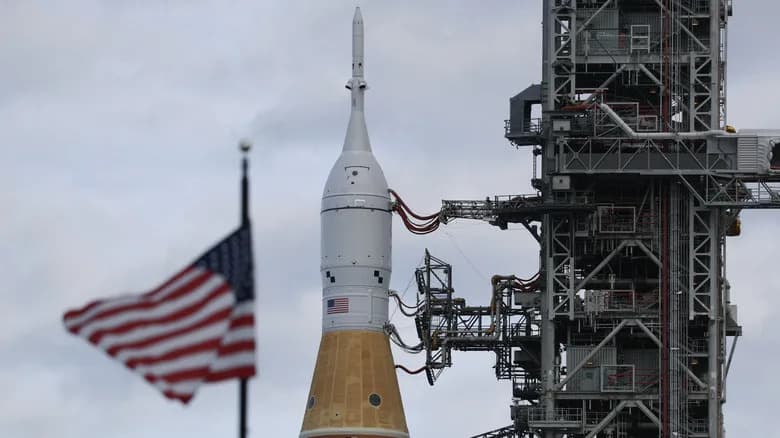
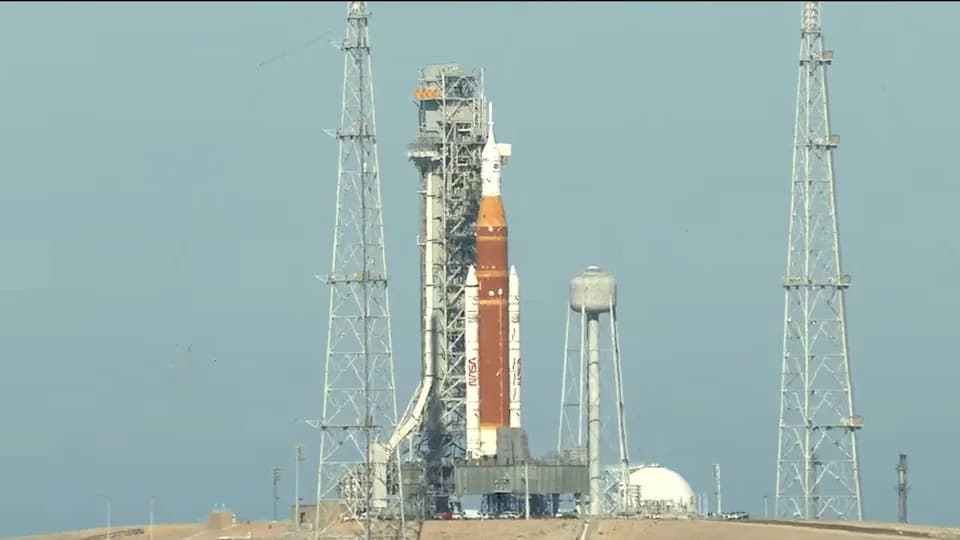
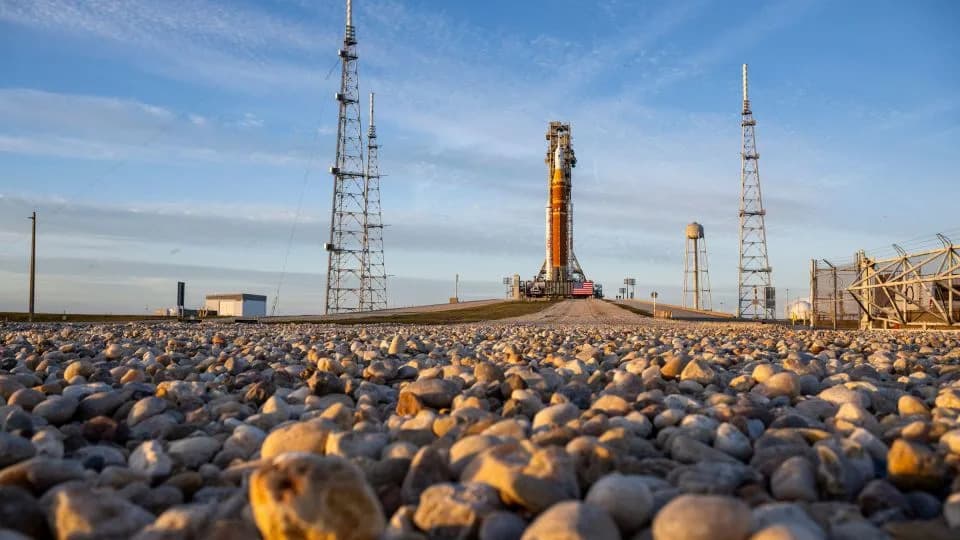
The damaged jet had been scheduled to monitor the upcoming Artemis II mission. Given the extent of the damage and the grounded status of the other aircraft, it appears unlikely the plane will be available to support Artemis II by its earliest possible launch date of Feb. 6.
Historical Role and Next Steps
Historically, WB-57 aircraft have supported a range of spaceflight operations, including monitoring exhaust plumes and reentries for vehicles such as Titan, the Space Shuttle, Delta, Atlas, Athena, and more recently SpaceX's Starship. NASA says it will investigate the mechanical failure and assess damage and repair timelines while coordinating next steps for mission support.
Note: Authorities and NASA will release further details as the investigation and inspections proceed.
Help us improve.