NASA is racing toward a crewed Moon flight that could launch in as little as two weeks, with Artemis 3 slated to return astronauts to the lunar surface next year. Concerns center on the Axiom Space suit — built under a $228 million contract — which weighs roughly 300 pounds and may cause fatigue during eight- to nine-hour EVAs. Former astronaut Kate Rubins warned of flexibility issues and the risk of falls, while NASA notes about 700 hours of pressurized testing and ongoing trials to improve safety and mobility.
NASA’s Moon Suits Face Major Challenges Ahead Of Artemis 3 — Heavy, Bulky, And Under Scrutiny
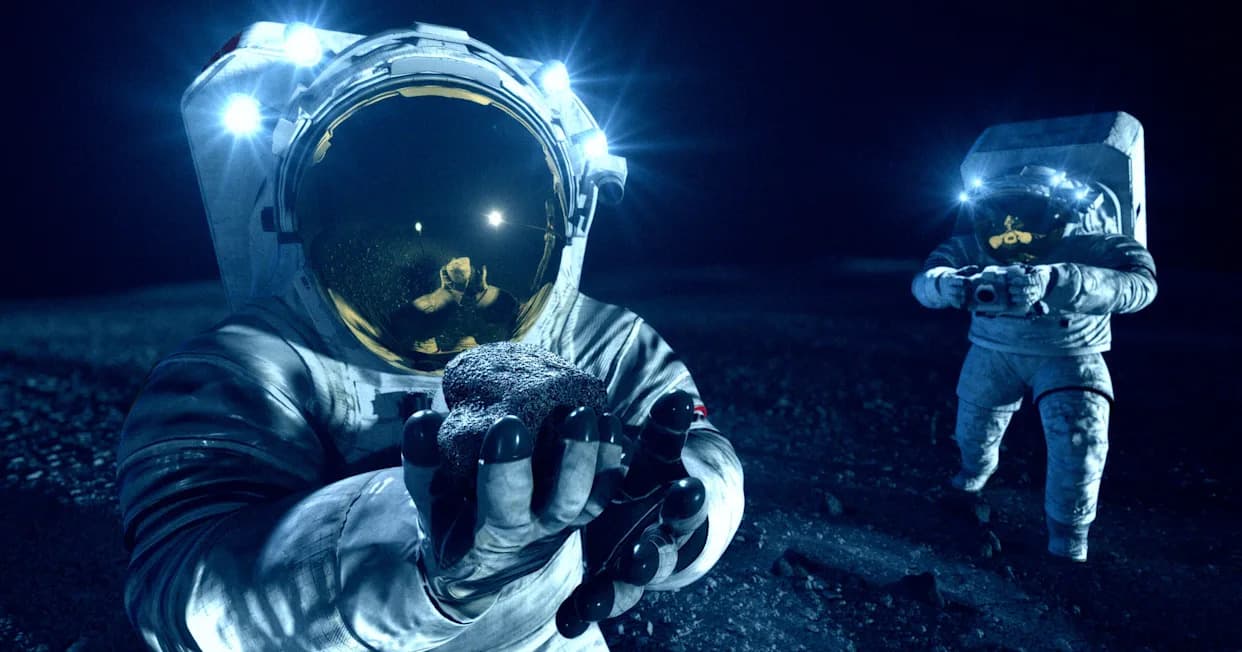
NASA's Moon astronauts will be using a new spacesuit to explore the lunar surface. Unfortunately, experts say, it has problems.
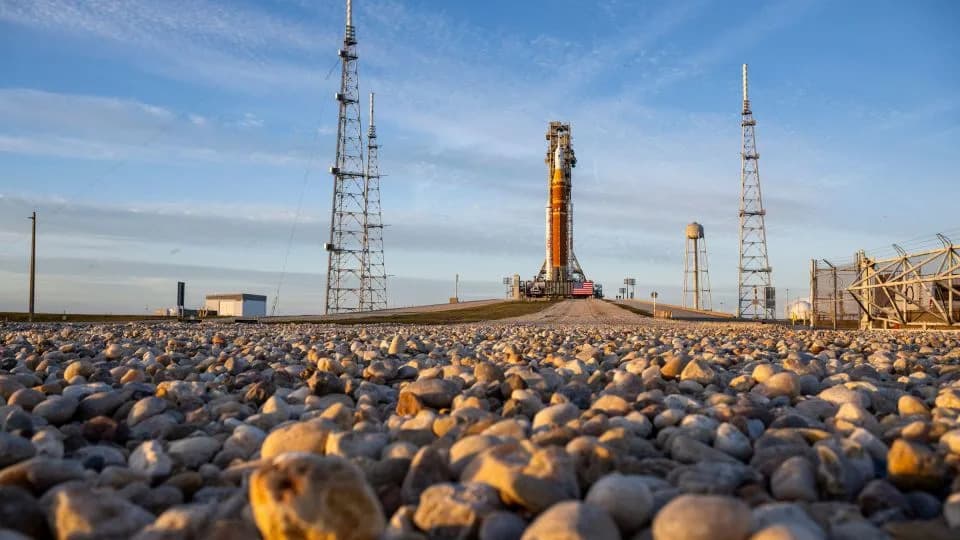
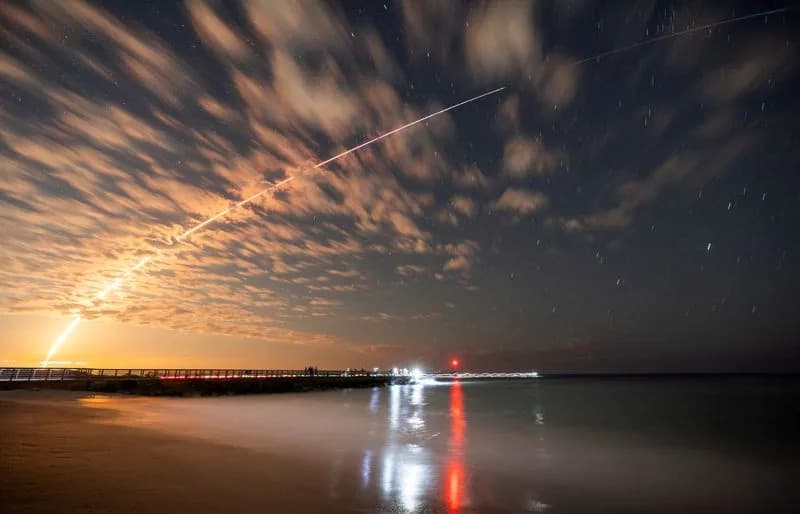
NASA is preparing for its first crewed trip to the Moon in more than 50 years — a flight that could launch in as little as two weeks — and aims to return astronauts to the lunar surface with Artemis 3 next year. But attention is focusing on the new lunar suit Axiom Space is building for NASA under a $228 million contract, as engineers and astronauts weigh its protections, mobility and safety for long surface missions.
Why Lunar Suits Are So Hard To Get Right
The Moon’s environment presents multiple hazards: extreme temperature swings, higher radiation exposure and no atmosphere to buffer micrometeoroids or solar particles. Suits must provide life support and shielding while still allowing meaningful mobility for tasks such as kneeling, sampling and using tools. Axiom’s design improves mobility compared with Apollo-era suits but remains heavy, with a total mass of roughly 300 pounds — a burden that is partly mitigated by the Moon’s one-sixth gravity.
Concerns From Experienced Crew
Former NASA astronaut and microbiologist Kate Rubins, who spent 300 days in space, raised concerns at a National Academies meeting about the physical strain crewmembers will face. She warned that astronauts could be in suits for "eight or nine hours" and perform extravehicular activities (EVAs) daily, amplifying fatigue and the risk of falls. Rubins said the new suits are "definitely much better than Apollo" but still "quite heavy," citing flexibility issues and the difficulty of recovering after a tumble — a maneuver she called a risky, non-trivial "jumping pushup."
"What I want people to recognize is an extreme physical stress," Rubins said, emphasizing long EVA durations and repetitive exertion.
Not everyone is alarmed. Current NASA astronaut and physician Mike Barratt told the committee the suit "is getting there," pointing to roughly 700 hours of pressurized experience and promising test results. NASA has already conducted extensive underwater evaluations at the Neutral Buoyancy Lab and plans parabolic flight testing to better simulate the Moon’s partial gravity.
What Comes Next
NASA and its partners have until next year to finalize the suit design for Artemis 3, while also deciding how astronauts will reach the surface (options include landers from Blue Origin or SpaceX). Continued testing will focus on reducing fatigue, improving flexibility and ensuring safe recovery from falls so crews can work efficiently during long EVAs on the lunar surface.
Help us improve.