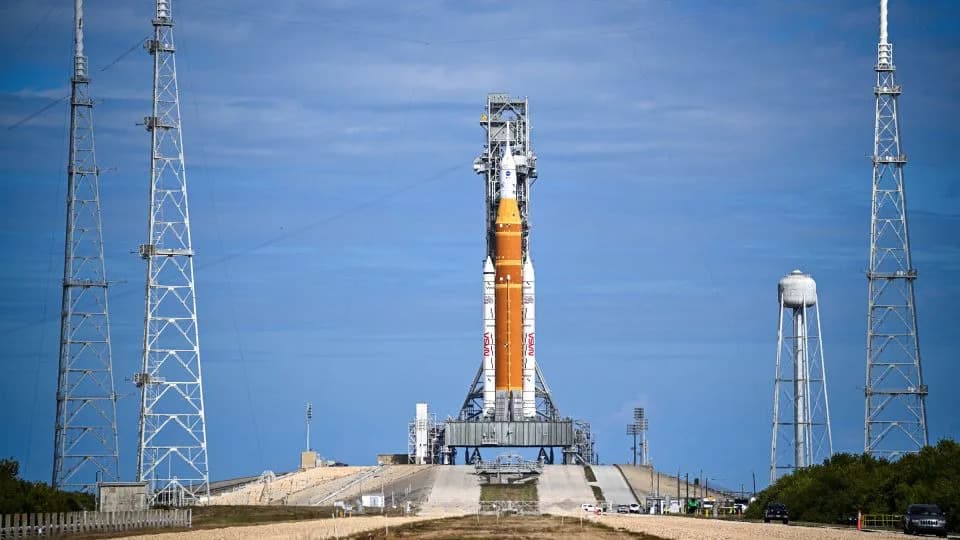
NASA must deconflict two major astronaut missions in the same week: Artemis 2’s crewed lunar flight and SpaceX’s Crew‑12 mission to the ISS. A critical wet dress rehearsal for Artemis 2 (Jan. 31–Feb. 2) will strongly influence whether Crew‑12 can launch as early as Feb. 11 at 6:00 a.m. EST. If Artemis 2 launches on Feb. 8, NASA would likely delay Crew‑12 until after Artemis 2 returns; if Artemis 2 requires further testing, Crew‑12 could proceed in mid‑February. Both missions share recovery ships, suit‑up facilities and other finite resources that must be carefully coordinated.
Artemis 2’s Moon Mission Forces Delicate Scheduling Dance With SpaceX Crew‑12
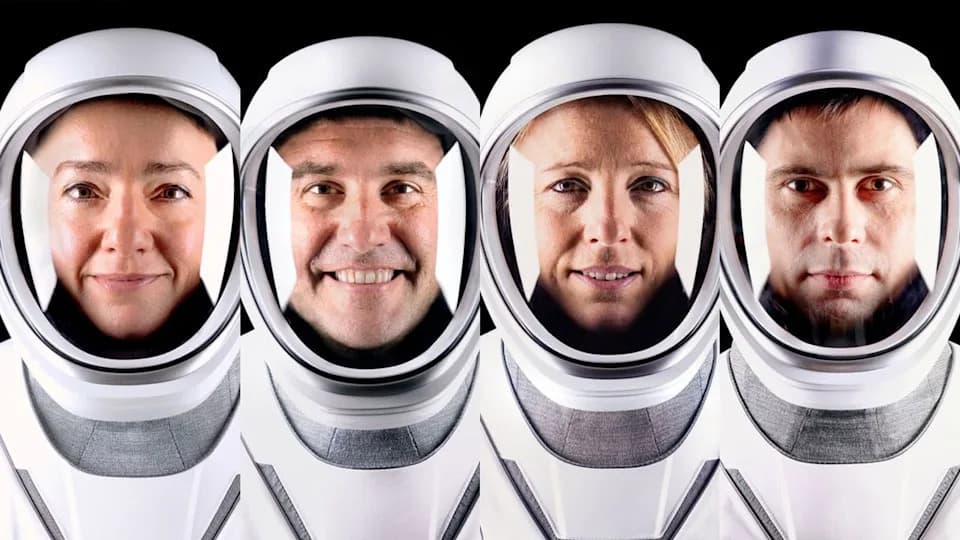
The astronauts of SpaceX's Crew-12 mission to the International Space Station. . | Credit: NASA
NASA faces a rare scheduling squeeze as two high‑profile astronaut missions converge in the same week while a cold Arctic front complicates launch conditions. Artemis 2 — NASA's first crewed lunar mission since Apollo 17 — is approaching a critical multi‑day prelaunch test that could directly affect the timing of SpaceX's Crew‑12 flight to the International Space Station (ISS).
What’s At Stake
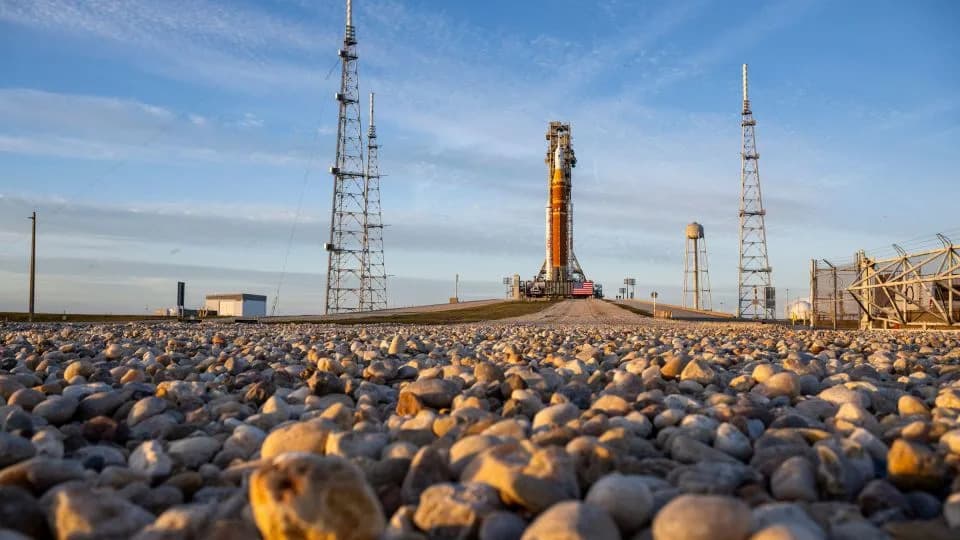
The wet dress rehearsal for Artemis 2, a multi‑day fueling and systems test of the Space Launch System (SLS) rocket, is scheduled to run from the evening of Jan. 31 through Feb. 2. That test’s results will help determine whether Artemis 2 can attempt an early launch as soon as Feb. 8 — and those decisions in turn shape whether Crew‑12 can launch during its earliest window on Feb. 11 at 6:00 a.m. EST (1100 GMT) from Space Launch Complex‑40 (SLC‑40) at Cape Canaveral Space Force Station.
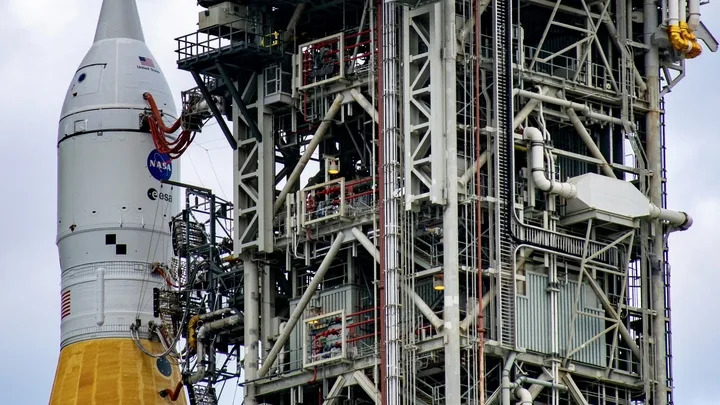
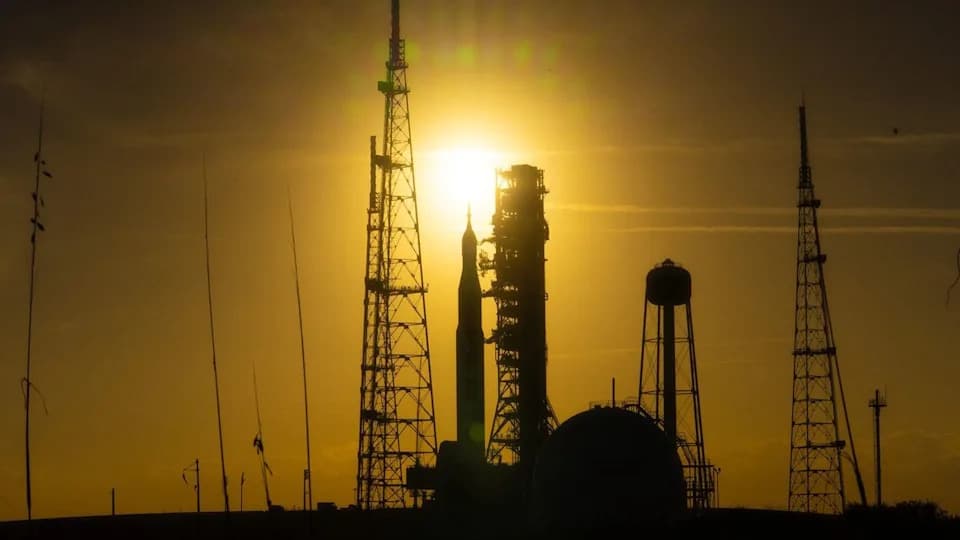
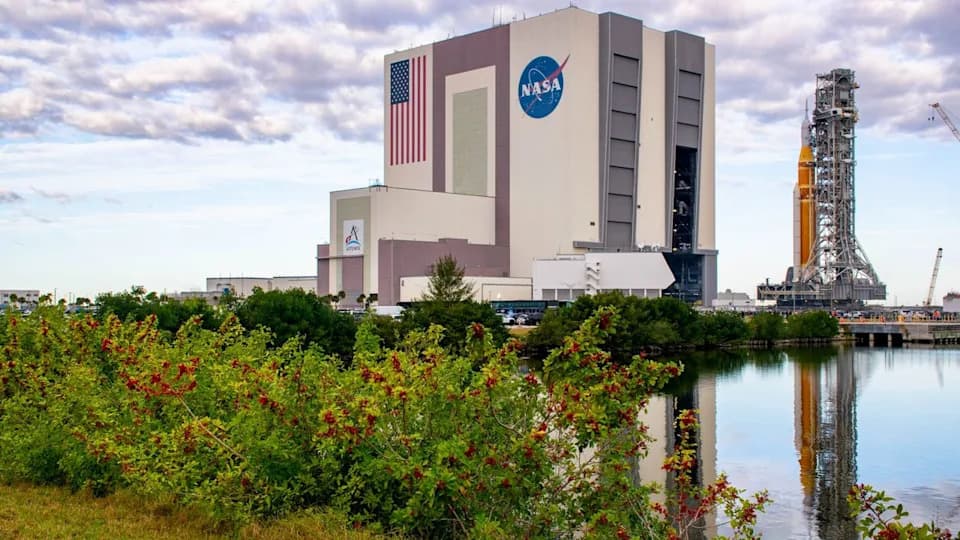
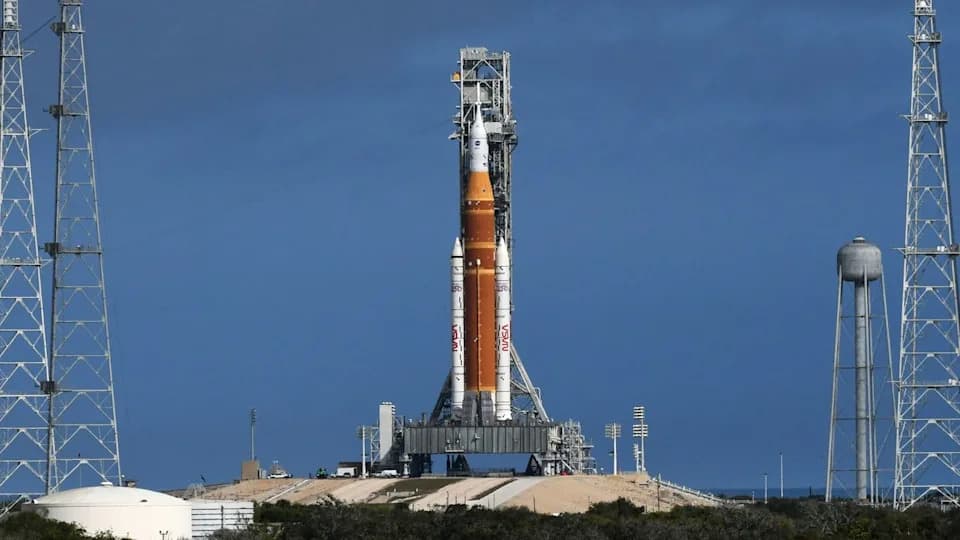
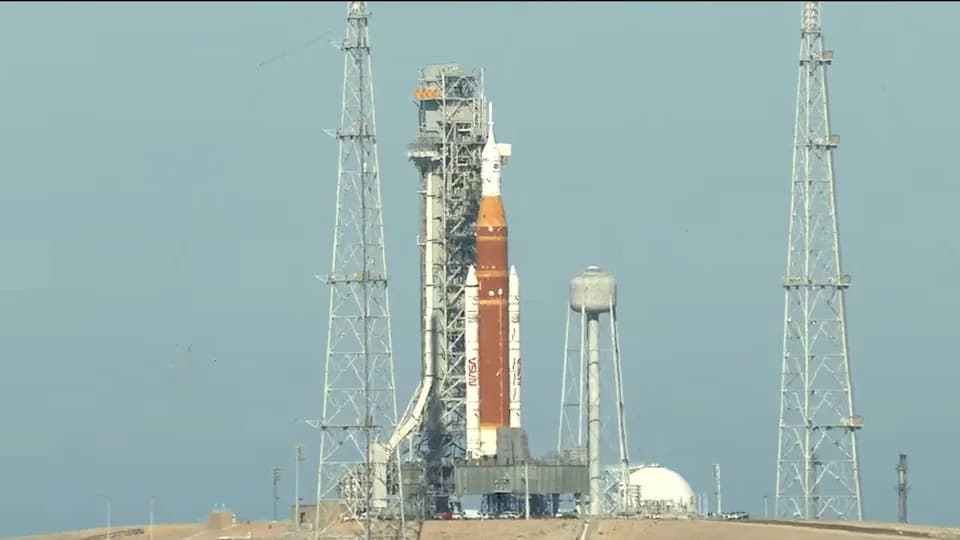
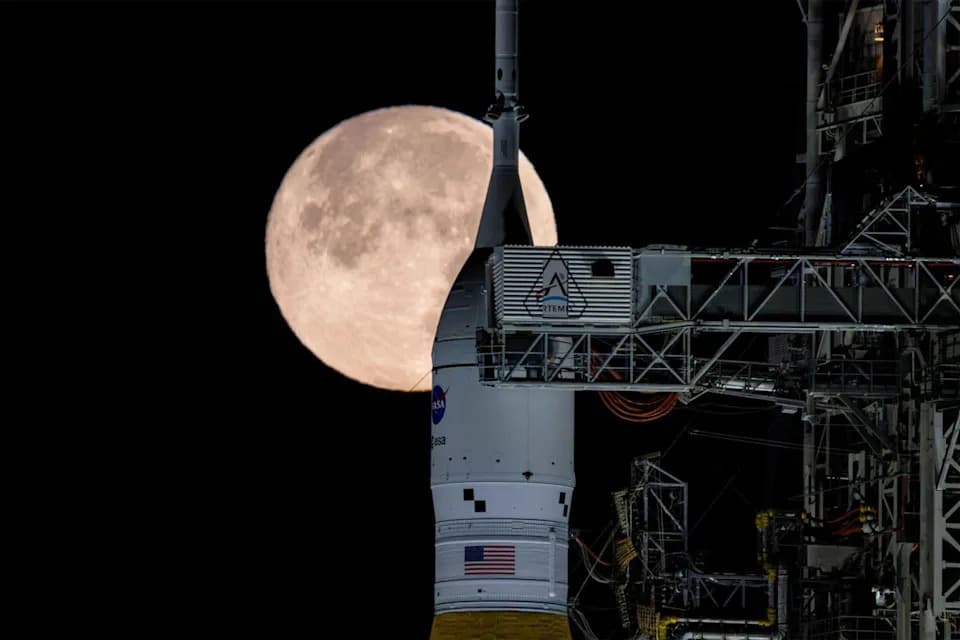
Orion sits atop the Artemis 2 Space Launch System rocket, connected via umbilicals to the mobile launch platform. | Credit: Space.com / Josh Dinner
Timelines and Contingencies
NASA and SpaceX are managing several contingency timelines tied to Artemis 2’s test outcomes. If Artemis 2 completes the wet dress rehearsal, clears its flight readiness review and launches on Feb. 8, NASA would likely delay Crew‑12 until after Artemis 2 returns — potentially pushing Crew‑12 to Feb. 19. If Artemis 2 requires additional tests or cannot proceed in the early February window, Crew‑12 could move forward on Feb. 11 or 12. In scenarios where SLS attempts a Feb. 8 launch but then stands down, Crew‑12 might slip to Feb. 13 or later.
“The timing in between missions sort of depends a little bit as to what happens [with the wet dress rehearsal],” said Steve Stich, NASA Commercial Crew Program manager.
Shared Resources Create Overlap
The two missions share critical assets that must be deconflicted: recovery ships positioned at sea for potential capsule recovery, suit‑up rooms and support personnel. Astronauts typically use the full suit‑up room in the Operations and Checkout (O&C) facility, though Crew‑12 has the option of using SpaceX’s pad 39A suit‑up area. Because recovery ships and personnel are finite, NASA prioritizes safe, nonconflicting schedules when two missions occur close together.
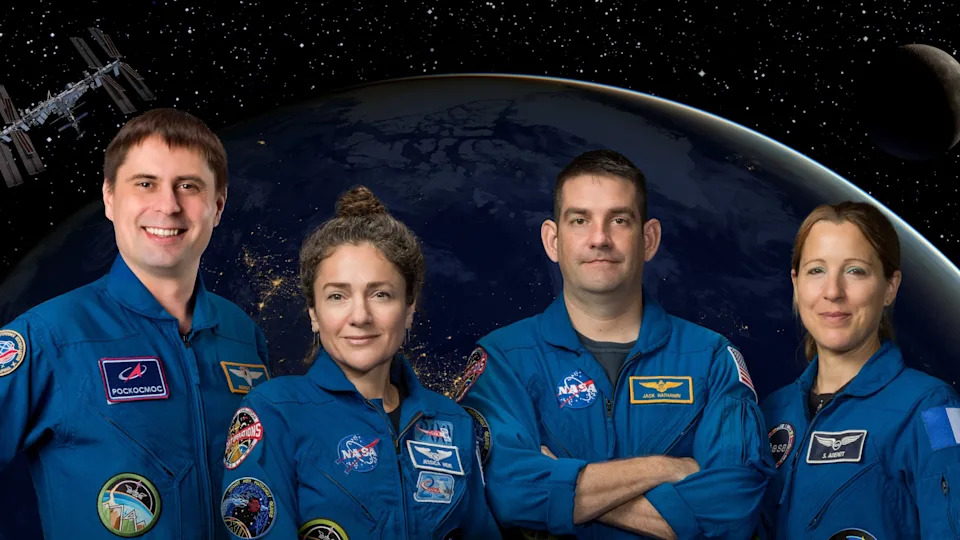
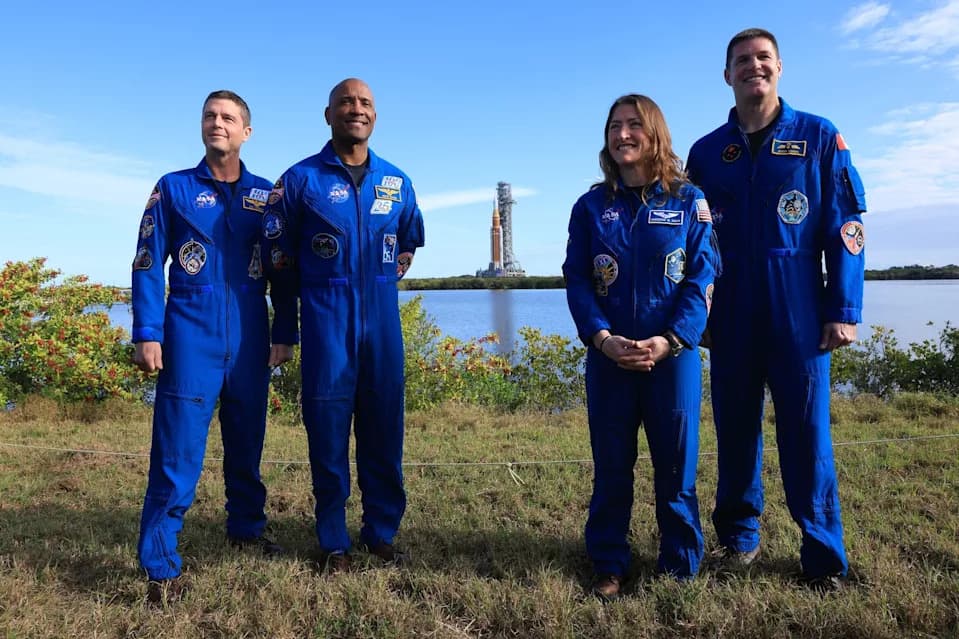
The astronauts of SpaceX's Crew-12 mission to the International Space Station. From left: cosmonaut Andrey Fedyaev, NASA's Jessica Meir and Jack Hathaway, and Sophie Adenot of the European Space Agency. | Credit: NASA
Who’s Flying
Artemis 2 will carry NASA astronauts Reid Wiseman, Victor Glover and Christina Koch, plus Canadian Space Agency astronaut Jeremy Hansen, on a roughly 10‑day mission around the Moon and back aboard Orion. Crew‑12 will launch on a Falcon 9, sending NASA astronauts Jessica Meir (commander) and Jack Hathaway, European Space Agency astronaut Sophie Adenot and Roscosmos cosmonaut Andrey Fedyaev to the ISS aboard SpaceX’s Crew Dragon capsule Freedom.
Freedom is slated to dock at the zenith (space‑facing) port of the station’s Harmony module and remain attached for at least eight months — longer than the typical six‑month crew rotation. Meir and Fedyaev will each make their second ISS visit; Hathaway and Adenot are first‑time flyers.
Science, Training And Quarantine
On station, Crew‑12 will conduct maintenance and multiple microgravity research studies, including work on muscle strength across gravity phases, brain imaging, mindfulness and meditation research, exercise science, and lunar landing technology simulations intended to support future Artemis missions. The crew entered pre‑mission quarantine on Jan. 28 at NASA’s Johnson Space Center in Houston and will travel to Kennedy Space Center when the launch date is confirmed.
What Comes Next
Over the coming days, mission teams will evaluate wet dress rehearsal results, weather forecasts and operational readiness. Those factors will determine whether Artemis 2 proceeds in early February and whether Crew‑12 can launch on its earliest target or must be deferred to later dates to ensure both missions have the assets and support they require.
Help us improve.