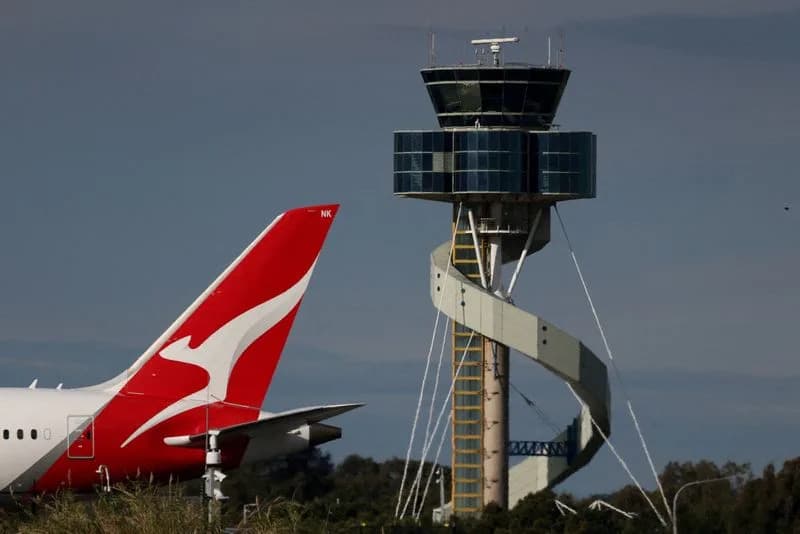
High‑profile incidents earlier this year prompted renewed focus on rules preventing alcohol‑impaired pilots from flying. The FAA requires a minimum eight‑hour 'bottle‑to‑throttle' interval and removes employees with a BAC of 0.04 or higher; BACs of 0.02–0.039 can trigger temporary removal. The FAA recommends waiting 24 hours after drinking, emphasizes that remedies like cold showers do not speed alcohol elimination, and mandates testing plus a return‑to‑duty process overseen by a Substance Abuse Professional.
How U.S. Airlines Enforce 'Bottle‑to‑Throttle' Rules to Keep Pilots Sober
Getty(2)
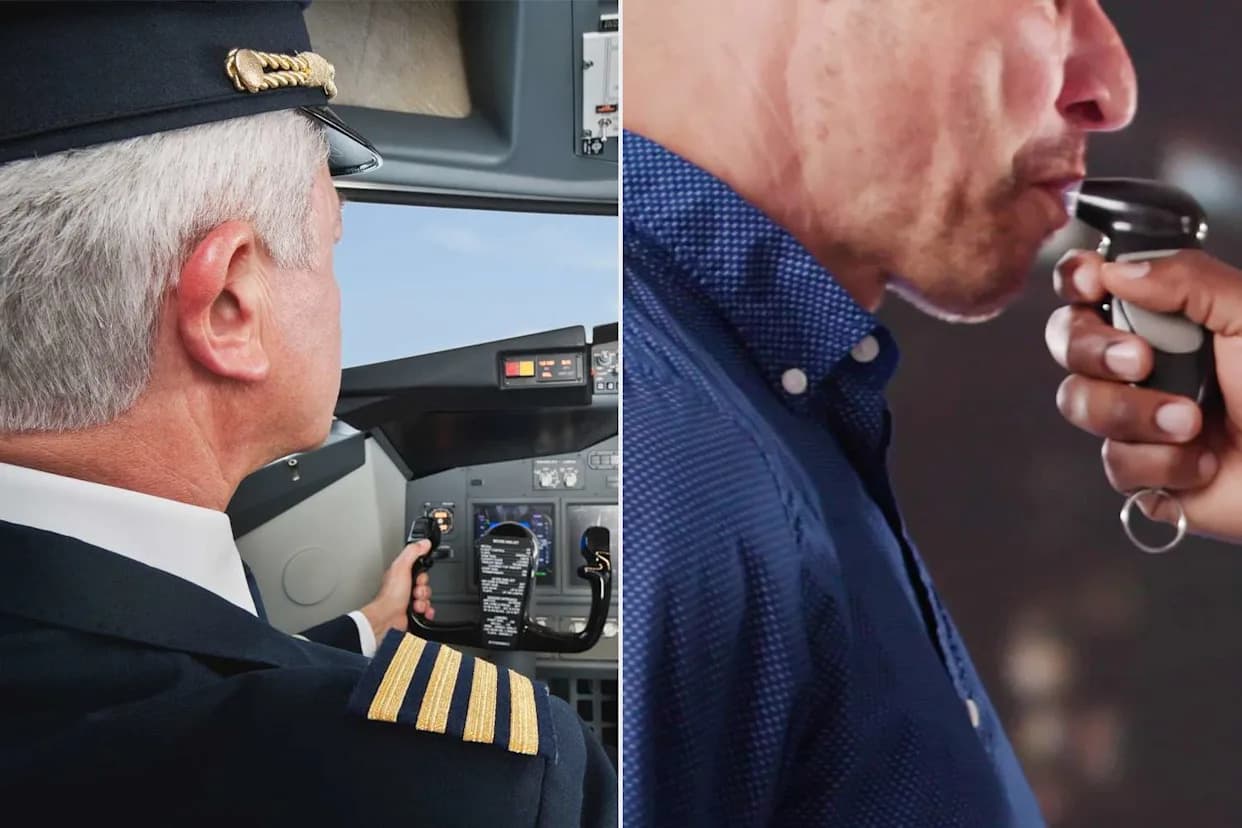
High-profile cases this year of pilots removed from duty over alcohol use have renewed attention on the rules that govern when flight crew can drink before operating an aircraft. In the United States, the Federal Aviation Administration (FAA) sets the regulatory baseline, while many airlines adopt stricter company policies and testing to ensure safety.
U.S. Regulatory Standards
FAA Limits and Testing
The FAA requires aviation employees to be removed from safety-sensitive functions if a breath alcohol concentration (BAC) test reads 0.04 or higher. A BAC between 0.02 and 0.039 on a required test can also result in temporary removal from duty. The FAA mandates several types of testing for safety-sensitive staff, including random tests, post-accident tests, reasonable‑suspicion tests, return‑to‑duty tests, and follow-up tests.
Pilot walking through airportGetty
The widely referenced 'bottle‑to‑throttle' rule requires pilots to wait at least eight hours after drinking before performing safety-sensitive duties. The FAA, however, recommends a more conservative approach: waiting 24 hours after the last alcoholic beverage to account for lingering impairment or hangover effects. The agency also warns that remedies such as cold showers, black coffee, or breathing 100% oxygen do not accelerate alcohol elimination from the body.
Airline Policies and Monitoring
Airlines may impose stricter rules than the FAA baseline. For example, Delta Air Lines and United Airlines enforce a 12‑hour 'bottle‑to‑throttle' window for pilots. Random alcohol screening remains a core safeguard: FAA data cited in media reports indicate 64,023 random alcohol tests were administered to safety‑sensitive aviation employees in 2023.
Pilot in cockpitGetty
Removal and Return‑to‑Duty Process
If an employee is removed from duty because of alcohol, the FAA requires completion of a formal return‑to‑duty process. That process begins with an evaluation by a Substance Abuse Professional (SAP), who may recommend education or treatment. The employee must complete any recommended program and pass a return‑to‑duty test before resuming safety‑sensitive work.
Recent Incidents Highlight the Safeguards
News reports this year highlighted incidents that underscore why these rules and checks exist: an Air India pilot reportedly failed two breathalyzer checks after arriving at Vancouver International Airport, and a Japan Airlines pilot was removed from a roster after admitting to drinking on the day he was scheduled to fly from Honolulu. These cases illustrate how regulatory limits, company policies, and testing programs work together to protect passengers and crew.
Bottom line: The FAA's eight‑hour minimum, the agency's 24‑hour recommendation, stricter airline rules, and robust testing programs are designed to reduce the risk of alcohol‑impaired crew members operating aircraft while providing a clear path to treatment and safe reintegration when violations occur.
Help us improve.