A little more than three years ago, England’s cricket board took a bold gamble by appointing Brendon McCullum as head coach of the men’s Test team. McCullum, a flamboyant former New Zealand batsman, championed an aggressive, high‑tempo style—quick scoring, relentless pressure and spectacle—dubbed “Bazball.”
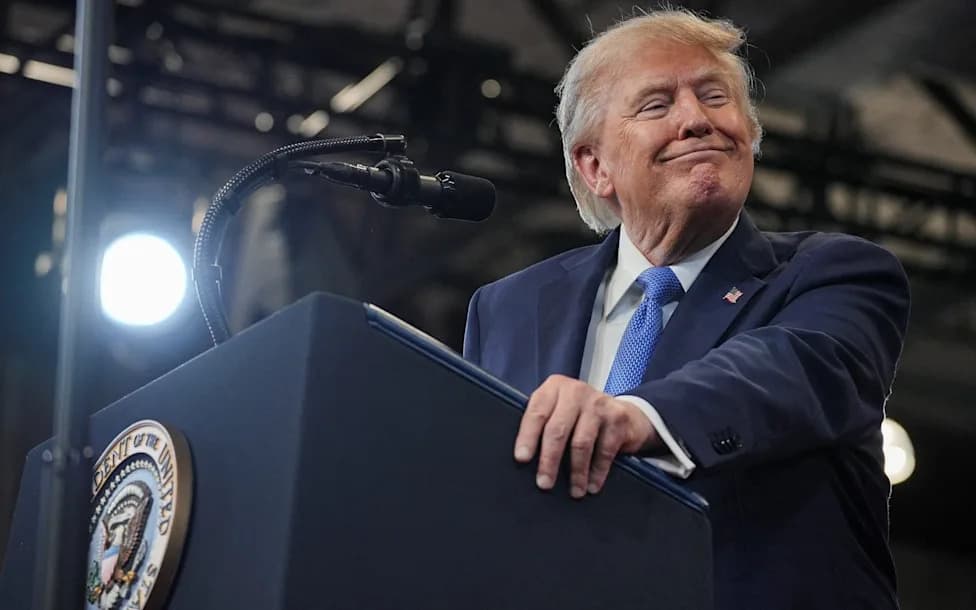
In recent weeks commentators have begun to liken elements of Donald Trump’s foreign policy to that same ethos: deliberate speed, theatricality and an emphasis on shock to unsettle rivals and allies alike. Analyses of the president’s approach have used many labels—Jacksonian, primacist, transactional—but the Bazball analogy helps focus on method rather than motive: how tactics of surprise and tempo can shape outcomes even when they flout long‑standing norms.
Brendon McCullum, head coach of the England cricket team, introduced the no-holds-barred Bazball style of play - Shutterstock
What Bazball Means In Diplomacy
Bazball in cricket rejects orthodox restraint—patience, careful build‑up and technical conservatism—in favour of tempo and audacity. Applied to statecraft, the comparison highlights an administration that appears to privilege speed, unpredictability and displays of force over deliberative diplomacy and institutional norms. The result is a policy rhythm that seeks to seize psychological initiative by forcing other actors to respond on US terms.
Since the administration published its National Security Strategy in early December, commentators have noted a marked increase in frenetic activity and public posturing across multiple theatres. Observers point to a string of reported strikes, seizures and high‑visibility operations, alongside tariff threats and blunt public messaging that together create a breathless news cycle and make sustained accountability difficult.
“We live in a world in which you can talk all you want about international niceties. But we live in a world that is governed by strength, that is governed by force, that is governed by power,” said Stephen Miller, the president’s deputy chief of staff, in a CNN interview—an explicit embrace of a power‑first posture.
How Europe Is Affected
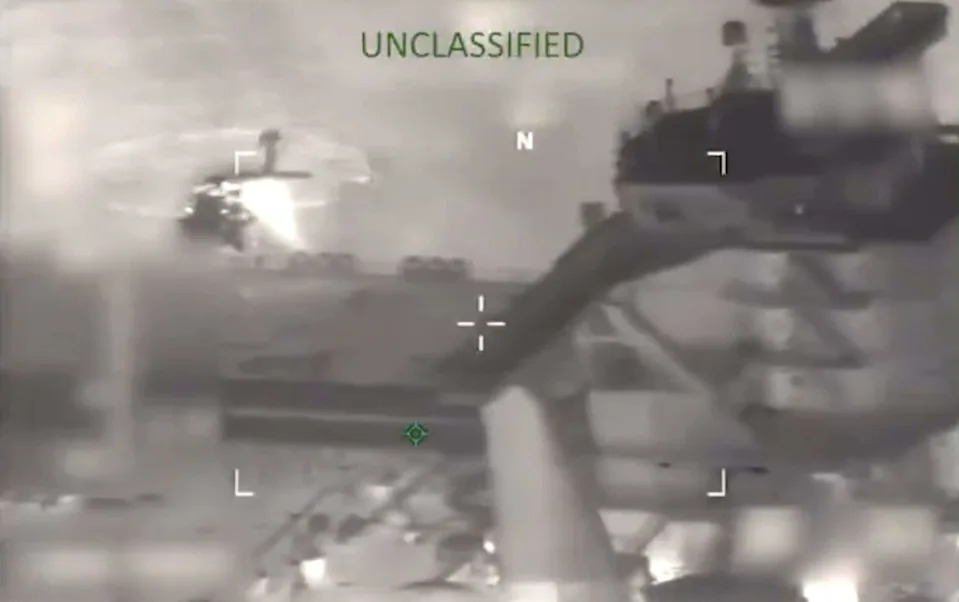
The US has been seizing ‘dark fleet’ tankers in international waters in what it calls Operation Southern Spear - US Southern Command
European capitals have been left unsettled by the velocity and norm inversion of what some commentators call “Bazball diplomacy.” Allies find themselves confronted not only by adversarial pressure but by provocative moves aimed at friends. The tactic of constant redirection—shifting attention from one crisis to the next—complicates sustained joint responses and dilutes political momentum against provocative actions.
Options For Responding
One of Donald Trump’s first actions of 2026 was to order the seizure of Nicolas Maduro, president of Venezuela, and Cilia Flores, his wife - XNY / Star Max
Experience from cricket suggests three broad counters. One is to match tempo with tempo—meet aggression with aggression. On the economic front, some in Europe, including President Emmanuel Macron, have urged use of the EU’s trade leverage to push back. but Europe lacks China‑scale market power and remains vulnerable to US leverage in defence, finance and technology.
A second approach—appeasement or flattery—has also proved unreliable. Public displays of deference have at times been met with public humiliation or leaks that underline the limits of personal diplomacy with a leader who rewards unpredictability.
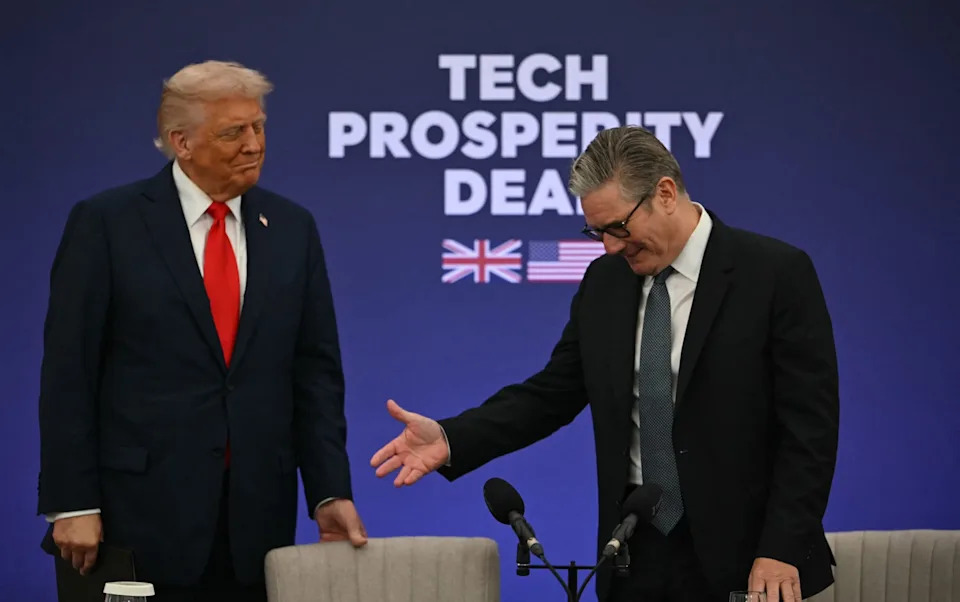
Donald Trump has taunted Sir Keir Starmer over the Chagos Islands, called the handover deal an act of stupidity - AFP
The third option, increasingly favoured by many European diplomats, is steadiness: disciplined, patient statecraft that refuses provocation, prioritises unity among allies and relies on established institutions and norms. That approach mirrors how Australia countered England’s Bazball on the cricket field—by refusing to be drawn into a tempo war and instead exploiting the opponent’s unforced errors.
Risks And Uncertainties
Whatever path Europe chooses, risks remain. Confrontation could escalate tensions and invite economic or intelligence reprisals; capitulation would weaken Europe’s strategic autonomy; steadiness may succeed only if allies remain united and patient. Critics warn that the administration’s pattern—dramatic acts or threats followed by rapid pivots—means a crisis can burn bright and then fade before a coordinated response can take effect.
Conclusion
The Bazball analogy does not explain every aspect of contemporary US policy, but it clarifies a central tactic: use of pace, surprise and spectacle to unsettle, dominate the narrative and keep opponents reacting. For Europe, the immediate challenge is practical: decide whether to meet tempo with tempo, accept the short‑term cost of confrontation, or bind together and outwait a strategy that depends on perpetual distraction.
Note: This article uses some contested reports of rapid operations and public threats circulated in the media. Where claims remain unverified, the text describes them as reported or contested rather than definitive fact.