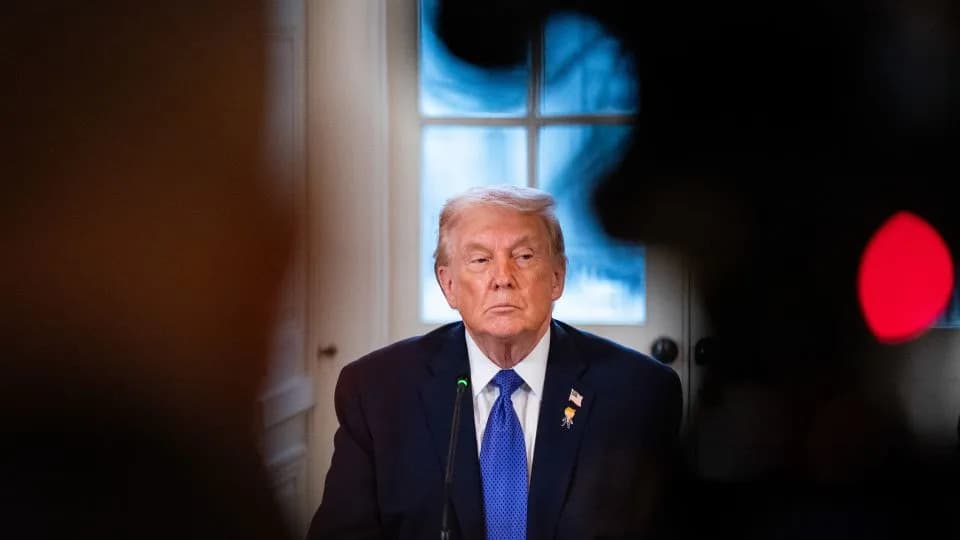
Donald Trump’s foreign policy in his first year back appears driven more by personal, economic and pragmatic interests than by a single governing ideology. A broad and sometimes competing cast of advisers — from Marco Rubio and Jared Kushner to Stephen Miller, JD Vance and Trump’s family — is shaping decisions on Venezuela, Gaza, Greenland and more. Critics call the approach transactional and unpredictable; defenders describe it as a realist, interest‑based strategy. The result is greater volatility for allies and unclear long‑term direction.
Self-Interest Over Ideology: How a Disparate Inner Circle Is Remaking Trump’s Foreign Policy
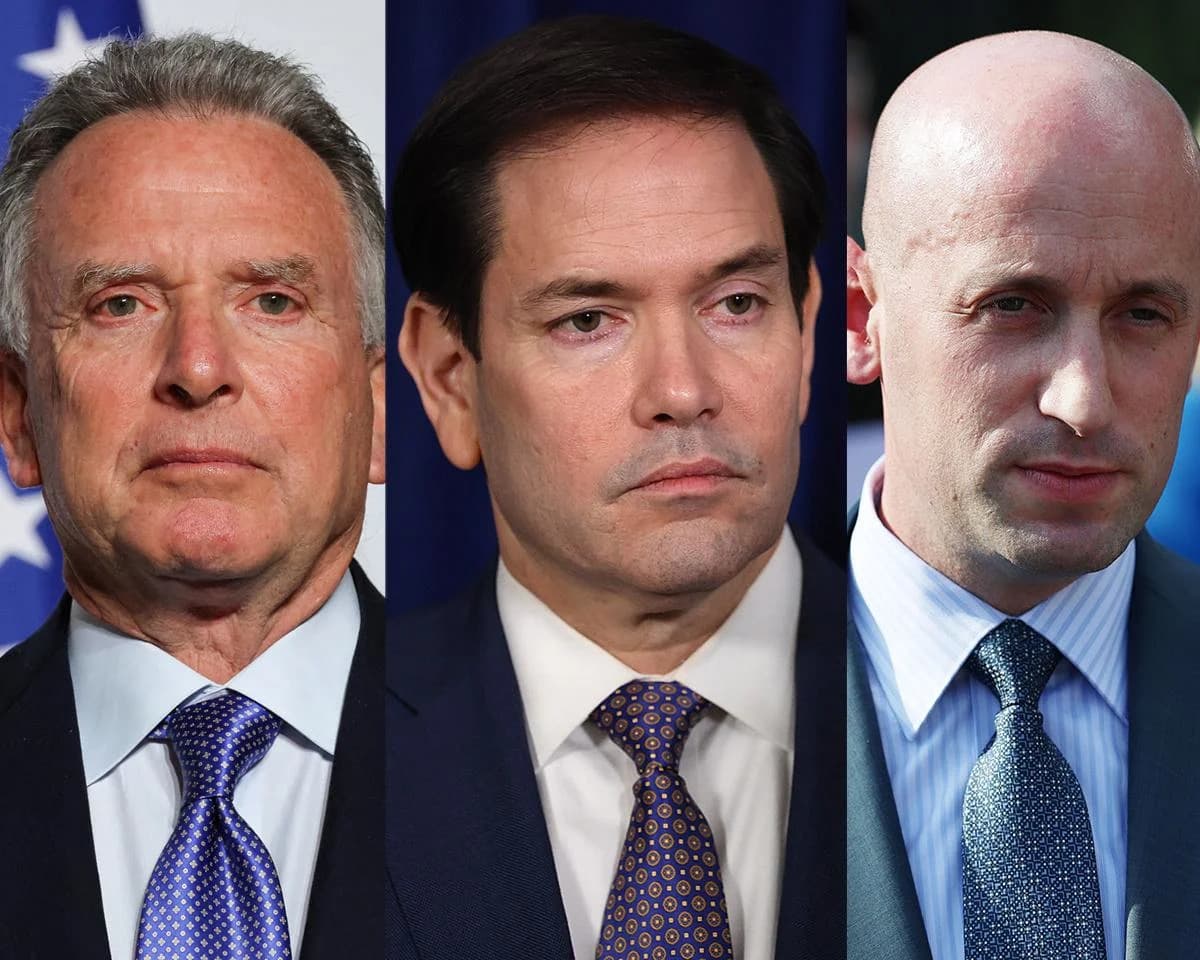
Steve Witkoff, Marco Rubio and Stephen Miller.Photograph: Getty Images
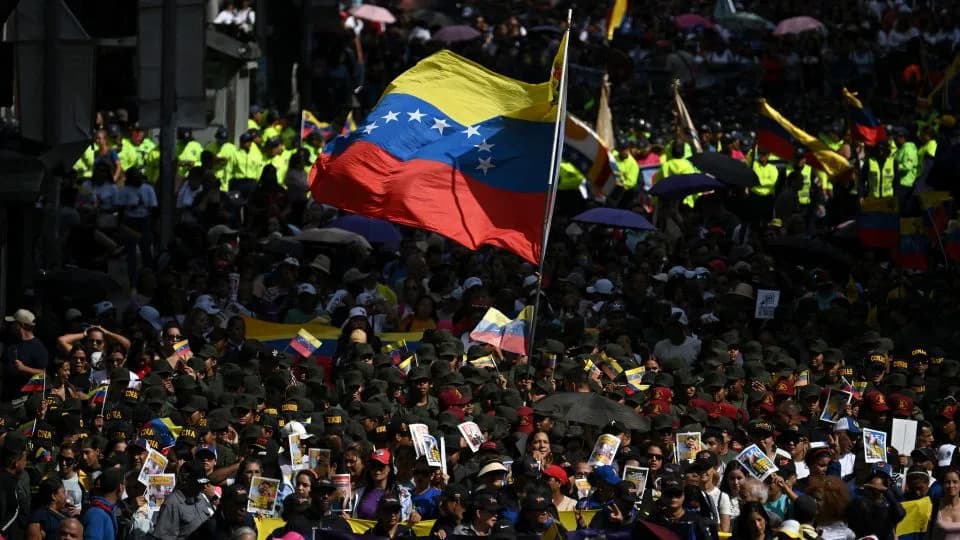
The world appears inverted under President Donald Trump’s return to the White House. In his first year back, he has pressured Ukraine, ordered strikes in the Middle East and elsewhere, and overseen an operation that helped remove Venezuela’s leader. Critics warn these moves have transformed the United States into a more unpredictable power, sometimes appearing to threaten allies as much as rivals.
Who’s Shaping Policy?
As with every president, Mr. Trump relies on a close inner circle of advisers. But his unusually open, informal style has created a much wider outer circle of influencers — from members of Congress and right‑wing media figures to business associates and family members — all eager to steer his decisions.
"Trump is more accessible to a broader range of voices than any president in recent history," says Ian Bremmer, president of the Eurasia Group. "He's on his phone constantly...When he's in Mar‑a‑Lago, he's holding court. They all have thoughts and ideas that they're pitching him, and he'll listen."
Marco Rubio’s Prominence
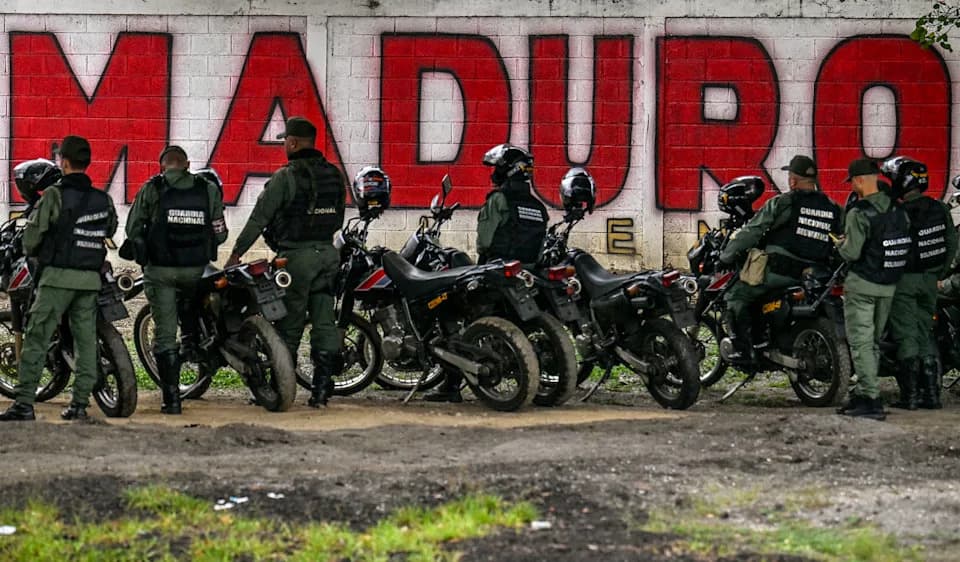
One particularly prominent voice has been Marco Rubio, now serving in the combined roles of secretary of state and national security adviser — a rare concentration of influence. Rubio helped coordinate efforts around Venezuela, briefed Congress on the operation, and engaged directly with Venezuelan officials as Washington sought to stabilize the country and safeguard its oil infrastructure.
Raised in Miami’s Cuban exile community, Rubio built his career opposing leftist regimes in Latin America. His focus aligns with the administration’s emphasis on hemispheric influence: curbing socialist governments, securing resources and projecting U.S. power across the Western Hemisphere.
Family, Business Interests And Outside Envoys
Beyond career officials, business associates and family members play a conspicuous role. Special envoy Steve Witkoff, a longtime Trump associate and investor, has been active on Middle East and Ukraine policy. Jared Kushner, Mr. Trump’s son‑in‑law, often works alongside such envoys, intensifying concerns that foreign policy discussions blur into family networks and commercial interests.
Observers have flagged potential conflicts of interest involving Mr. Trump’s sons, Donald Jr. and Eric, who maintain international contacts that critics say could benefit the Trump Organization. Brett Bruen, president of the Global Situation Room, argues an "economic lens" helps explain many moves — from Venezuela to Gaza — and notes that family members have substantial informal influence.
Transactional Or Realist?
"Trump has no philosophy, no national security grand strategy … It’s all transactional, it’s all about Donald Trump," said John Bolton, who served as national security adviser during Mr. Trump's first term.
Supporters push back, arguing the administration pursues a hard‑nosed, interest‑based realism in the tradition of Nixon and Kissinger. Alexander Gray, who served on the National Security Council in Mr. Trump’s earlier term, suggests the current team has brought more order to decision‑making and presents coherent options to the president.
Rhetoric, Military Options And Hemispheric Focus
Rhetoric from inside the White House emphasizes strength. Stephen Miller, deputy chief of staff for policy, has argued publicly that international affairs are governed by power and force. Administration strategy documents highlight restoring "American pre‑eminence in the western hemisphere," and Mr. Trump has publicly referenced the Monroe Doctrine — even joking about a new "Don‑roe doctrine."
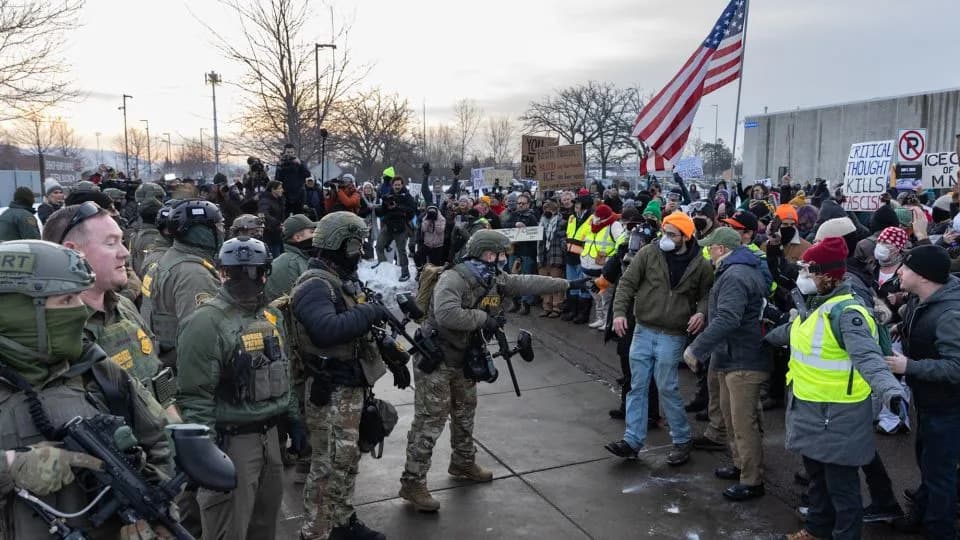
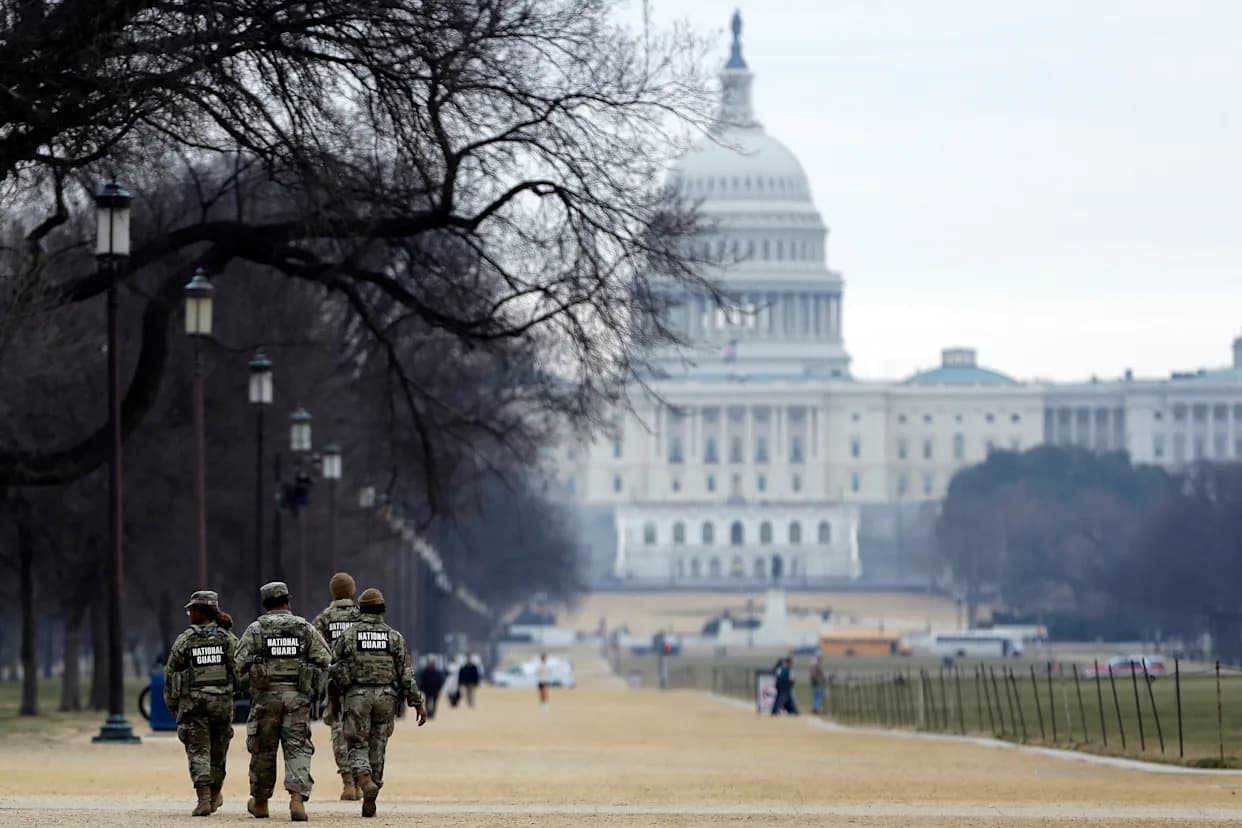
In practice, the administration has discussed and in some cases carried out military strikes, explored dramatic options such as a move on Greenland, and floated punitive measures against states like Colombia in the context of narcotics trafficking. Such options have heightened allied concerns and raised questions about coherence and long‑term strategy.
What This Means For Allies And Global Stability
The result is a foreign policy shaped by a patchwork of motivations: geopolitical realism, economic opportunity, family influence and ideological hardliners. That mix produces rapid swings and unpredictability that worry diplomats and partners who prefer clear, stable U.S. commitments.
Whether this approach proves durable — and whether it ultimately secures American interests without alienating allies — will depend on which voices prevail in the president’s unique decision‑making ecosystem.
Help us improve.