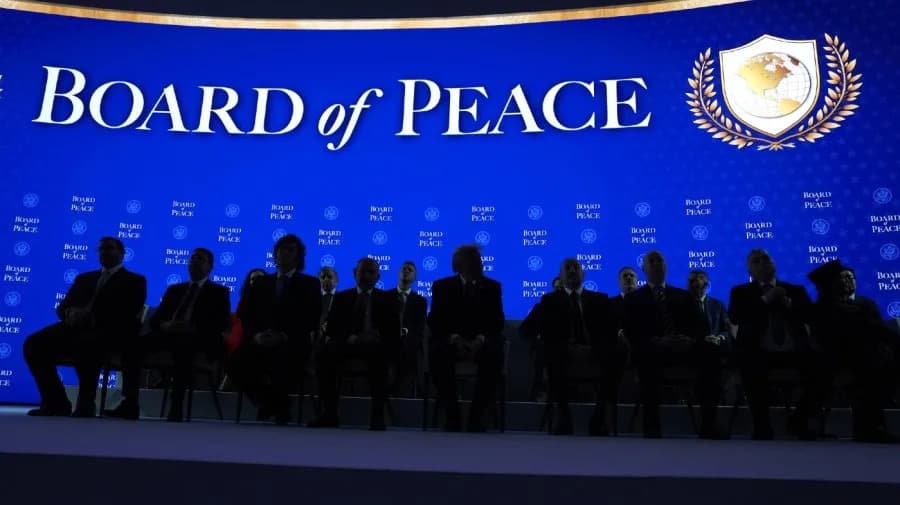
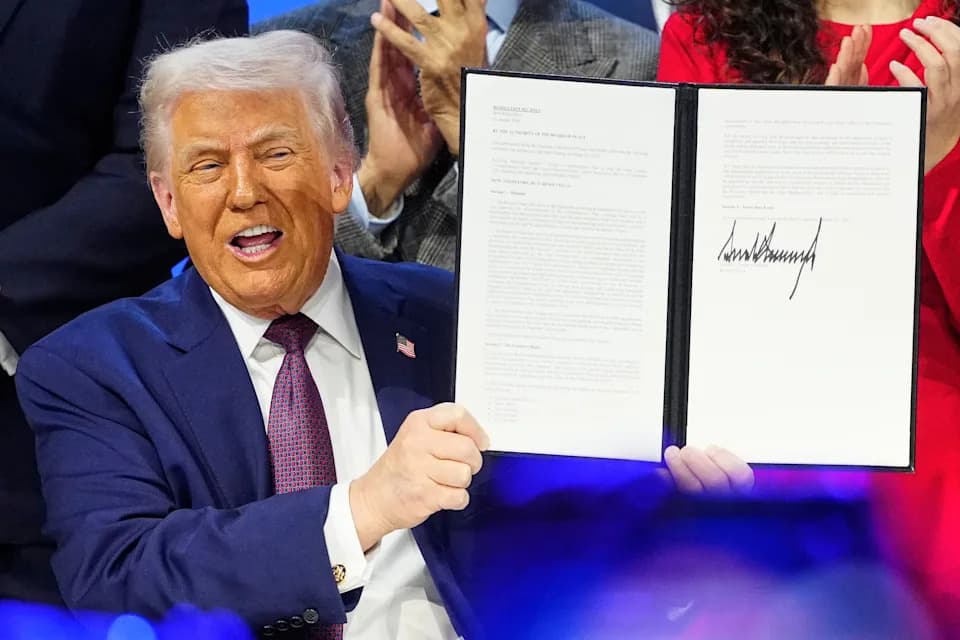
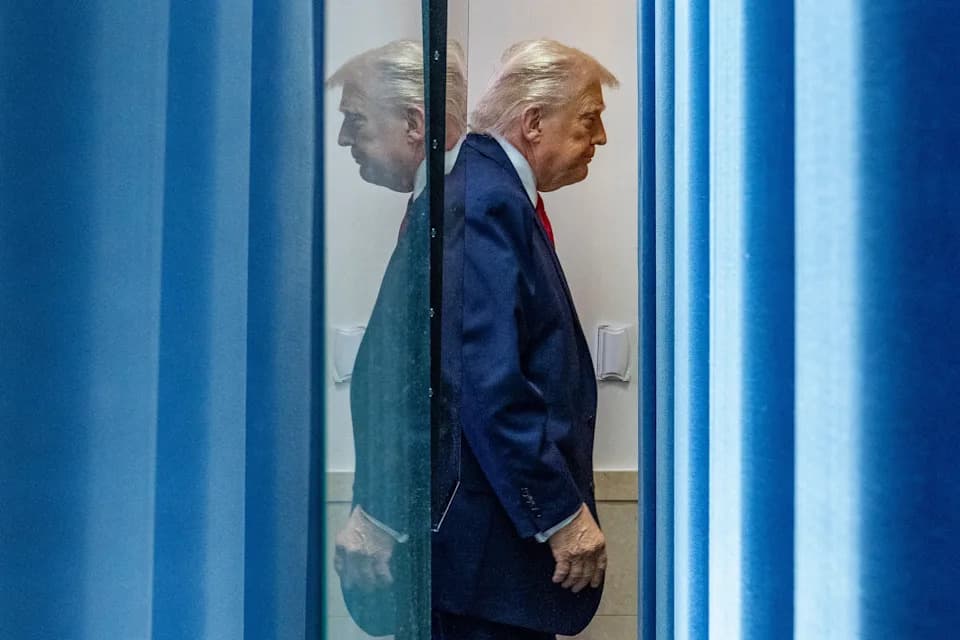
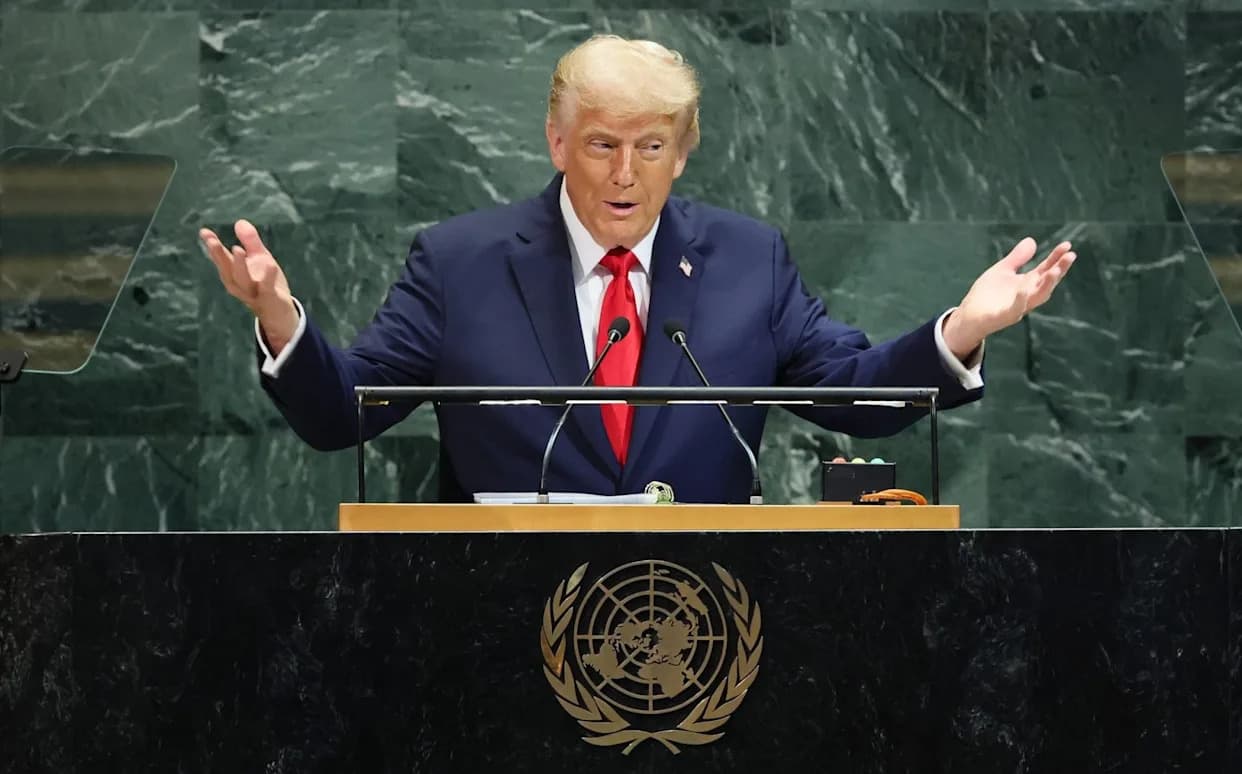
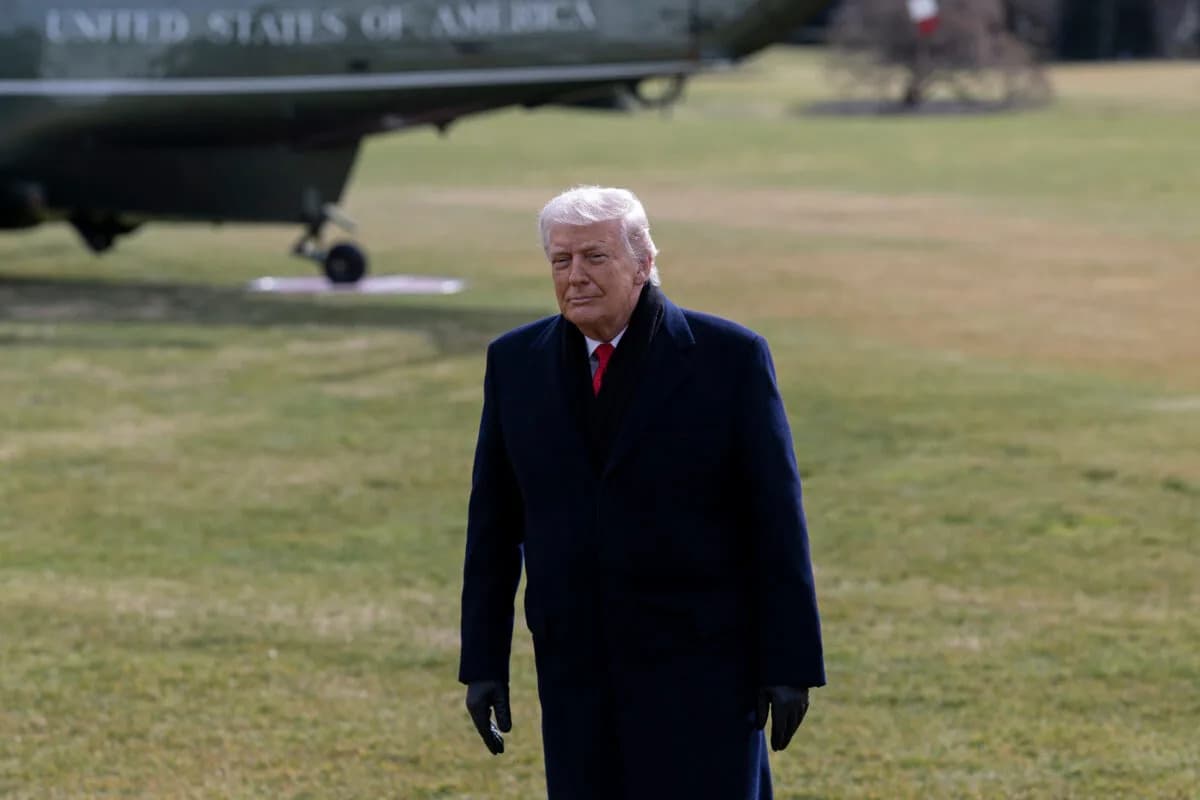
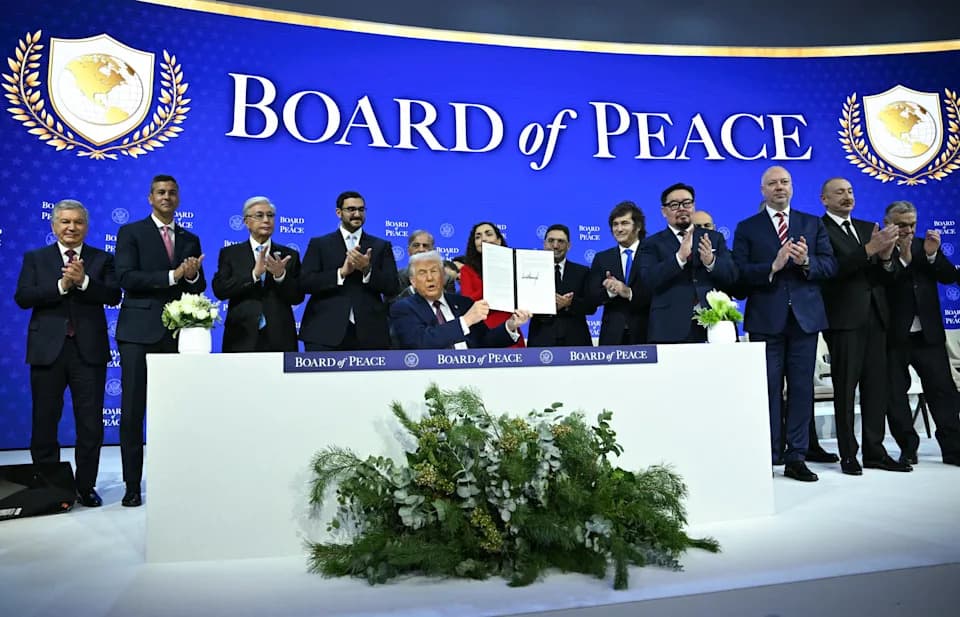
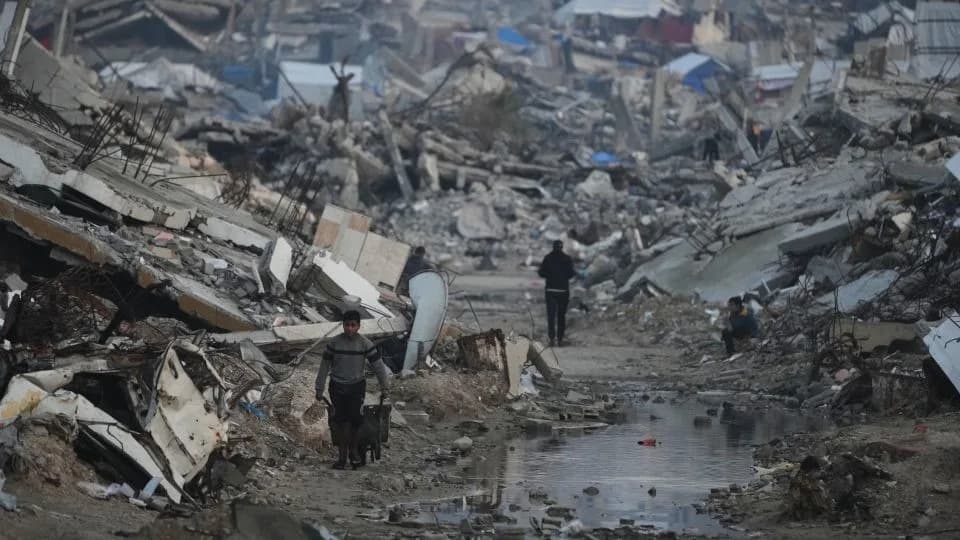
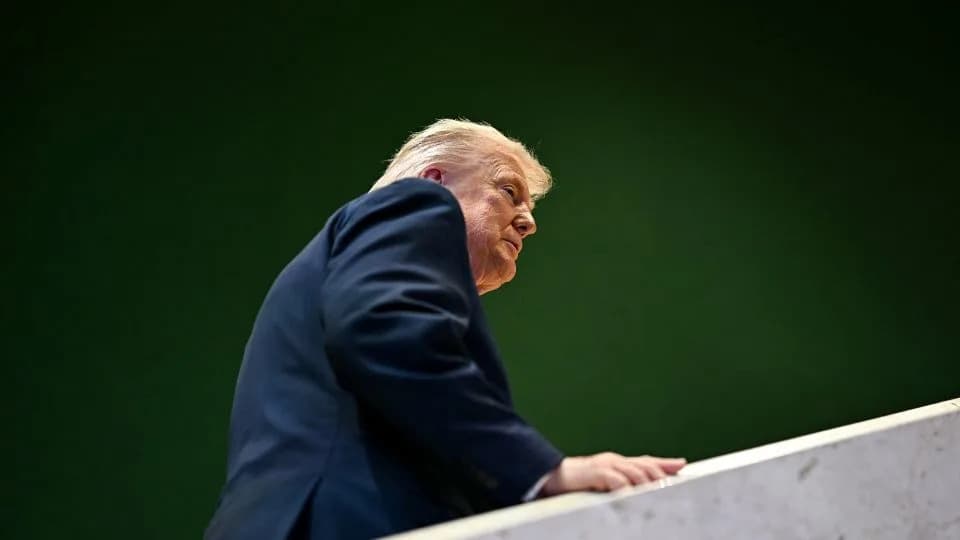
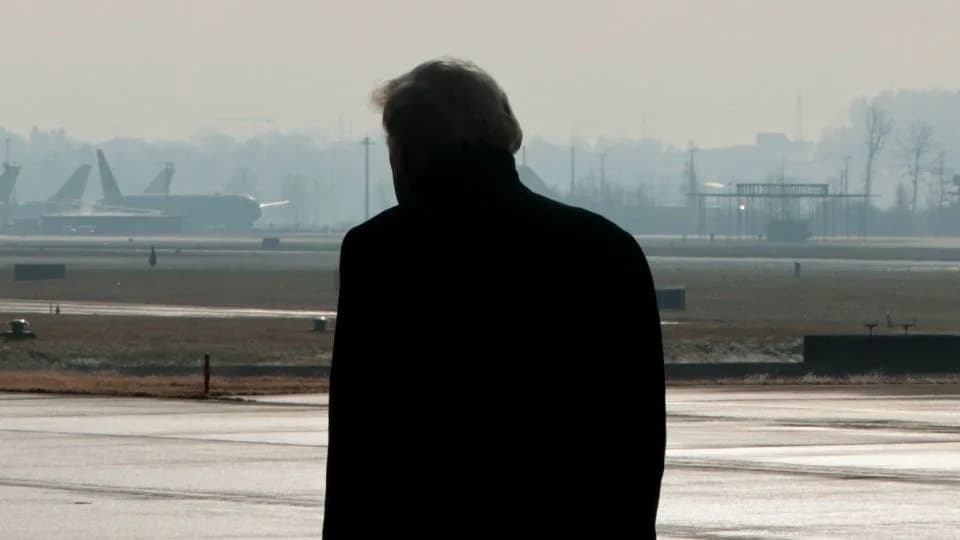
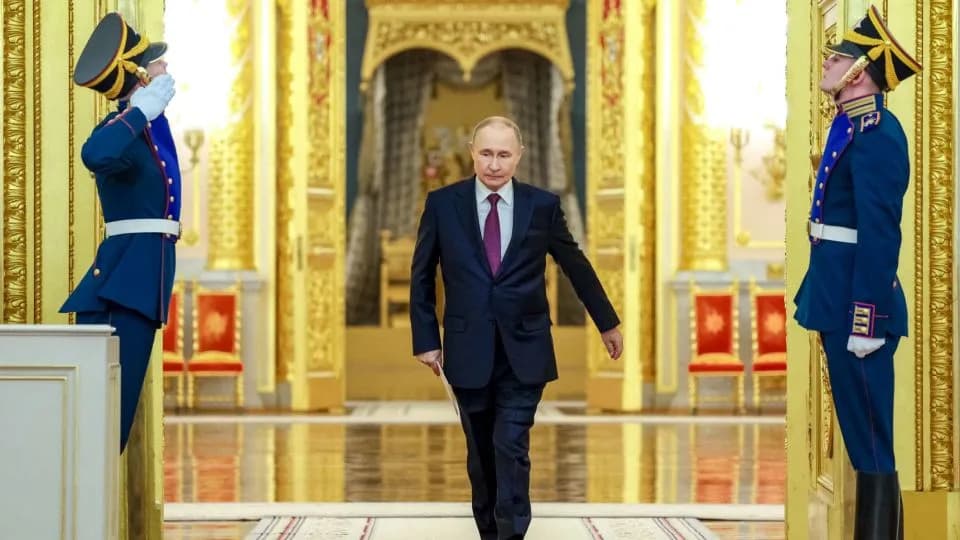
At Davos, Donald Trump's 'Board of Peace' offered theatrical optics but little institutional substance. The proposal lacks legal standing, enforcement tools, accountability and a focused mandate, while concentrating authority around a small executive circle. With conflicts escalating from Gaza to Ukraine and the Indo-Pacific, the world needs technical, rule-based mechanisms — not a personality-driven club. Unless it clarifies its remit, disperses power and integrates with international law, the Board risks becoming a costly photo op rather than a credible vehicle for peace.
Davos Photo Op or Plan? Trump’s 'Board of Peace' Lacks the Structure to Deliver Real Peace
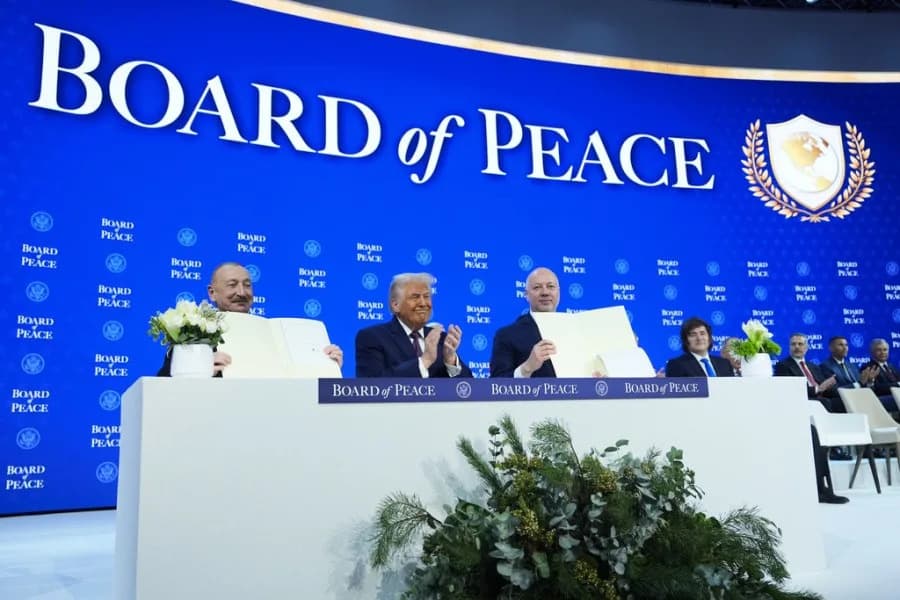
Opinion - Trump’s ‘Board of Peace’: Big stage, big claims, no mechanism for real peace
The Davos rollout of Donald Trump's 'Board of Peace' produced cinematic visuals and sweeping claims — but beneath the stagecraft, the initiative offers little of the institutional substance required to prevent or resolve today's major conflicts. Promoted as an alternative to a "broken" United Nations, the Board instead centralizes authority, lacks clear legal standing and provides no concrete mechanisms for ceasefires, monitoring or enforcement.
What the Davos Rollout Delivered
The ceremony emphasized optics over operational detail. Key institutional gaps include:
- No defined legal status within international law or relationship to existing bodies.
- No enforcement tools, verification systems or dispute-resolution procedures.
- No clear accountability mechanisms or independent oversight.
- An unfocused mandate that ranges from Gaza reconstruction to the vague promise of addressing "global crises."
Centralization, Not Multilateralism
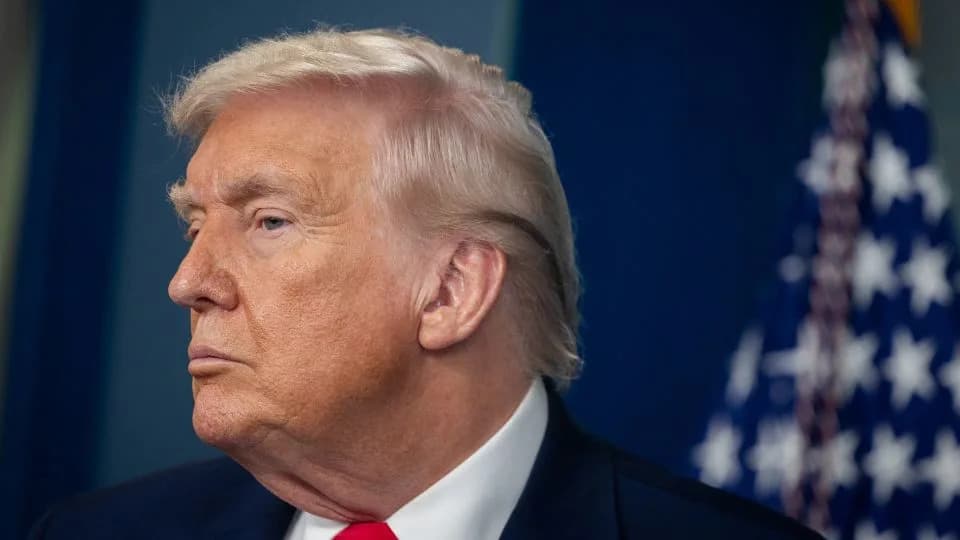
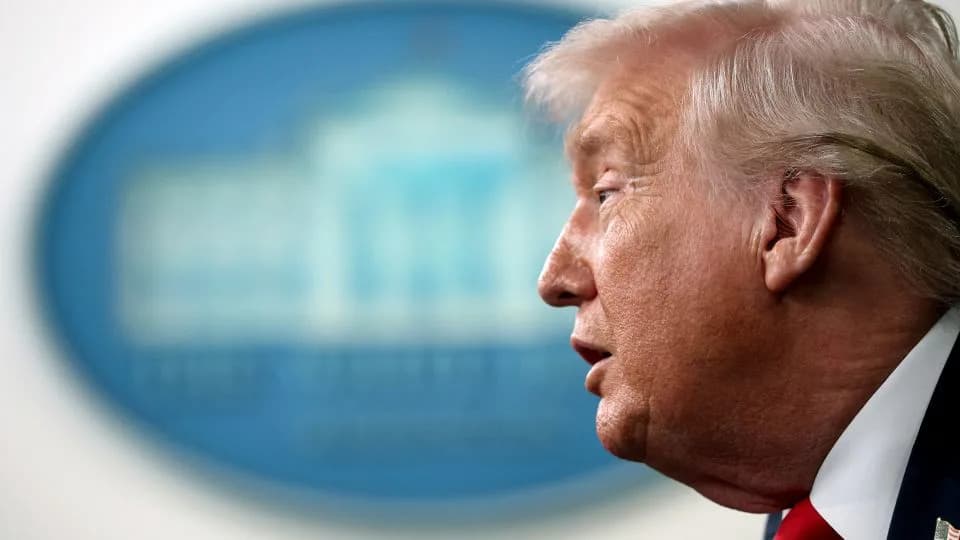
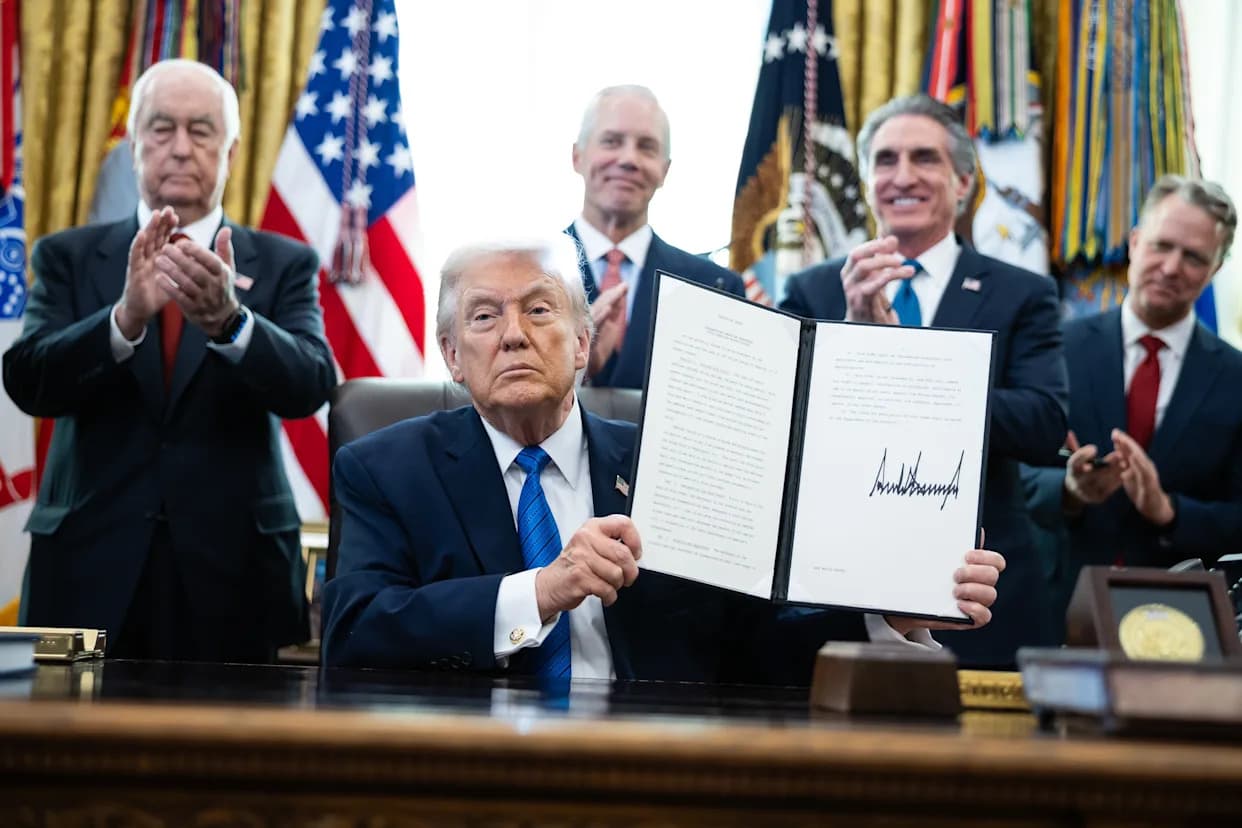
Rather than dispersing power through procedures and rotating leadership, the proposed design appears to concentrate influence around a small executive circle anchored in the U.S. presidency and Trump’s personal network. Provisions that effectively position Trump as a perpetual chair and high financial thresholds for membership would lock in hierarchy rather than foster equal-state participation. Multilateral institutions work when authority is shared, rules are codified and no single leader can claim ownership — characteristics the Board currently lacks.
Why This Matters Now
The Board arrives at a perilous moment: Gaza and the wider Israeli–Palestinian crisis remain unresolved; Russia’s war in Ukraine grinds on; U.S.–China tensions are escalating across Taiwan and the South China Sea; and Iran–Gulf rivalries continue to fuel proxy conflict. These crises require painstaking, technical conflict management: monitoring, verification, ceasefire mechanisms, and clear incentives for compliance. The Board offers slogans and speed but not the technical architecture those tasks demand.
Risks and Strategic Consequences
- Key European allies are cautious or declining to join, signaling limited buy-in.
- Unclear interaction with UN resolutions, international courts and regional organizations could produce parallel, competing forums.
- Creating a U.S.-centric club risks deepening global fragmentation: some states rally to the Board while others consolidate around the UN, BRICS or alternative institutions.
- Duplicating institutions for political branding will likely complicate coordination and weaken existing mechanisms.
What a Credible Alternative Would Look Like
If political capital spent at Davos were redirected into a serious mechanism, it would include:
- A narrow, urgent mandate: e.g., ceasefire monitoring, a reconstruction trust for Gaza tied to UN resolutions, and transparent, timebound objectives.
- Transparent governance: rotating leadership, independent oversight, and substantive roles for neutral or regional states.
- Binding commitments: conditions for aid, accountability for violations, verification systems, and integration with existing international law and institutions.
Absent these elements, the Board risks being remembered as a high-profile photo opportunity that squandered a rare chance to build something effective. Durable peace depends on enforceable rules, inclusive structures and dispersed authority — not on a supranational brand centered around one leader’s image.
About the Author: Charbel A. Antounis is a Washington-based journalist who focuses on U.S. foreign policy and the Middle East and North Africa, writing on conflict resolution, human rights and democratic governance.
Copyright 2026 Nexstar Media, Inc. All rights reserved. This material may not be published, broadcast, rewritten, or redistributed.
For the latest news, weather, sports, and streaming video, visit The Hill.
Help us improve.