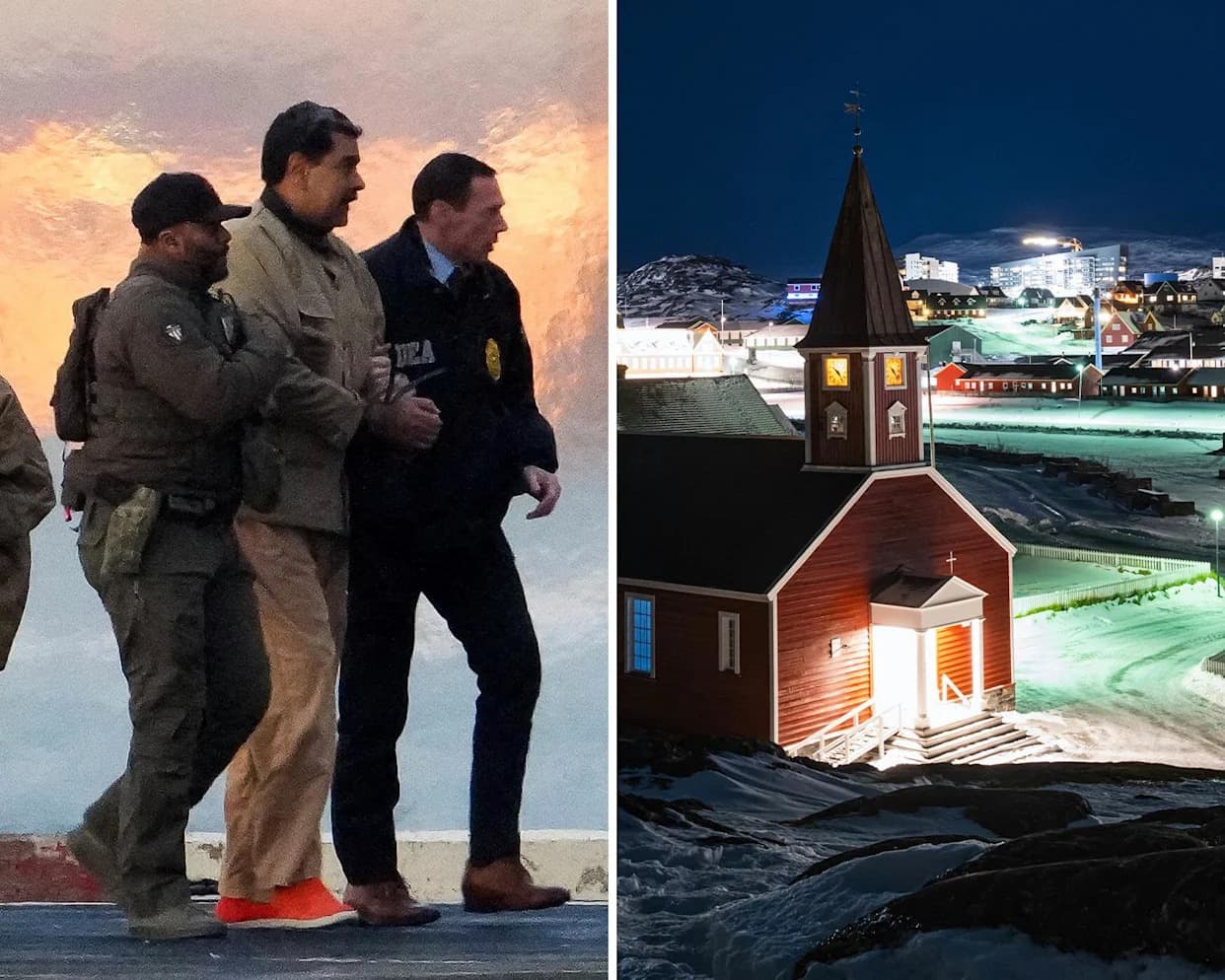
European leaders have shifted from deference to coordinated resistance after President Trump renewed public demands to acquire Greenland and threatened consequences for countries that refuse. Strong, unified statements in Davos signaled a new willingness to say no, defend sovereignty, and consider collective measures against coercion. Denmark warned that any attempt to seize Greenland would imperil NATO, while Trump later softened some rhetoric but proposed a vague “framework.”
From Flattery to Firmness: How European Leaders United to Say ‘No’ to Trump Over Greenland

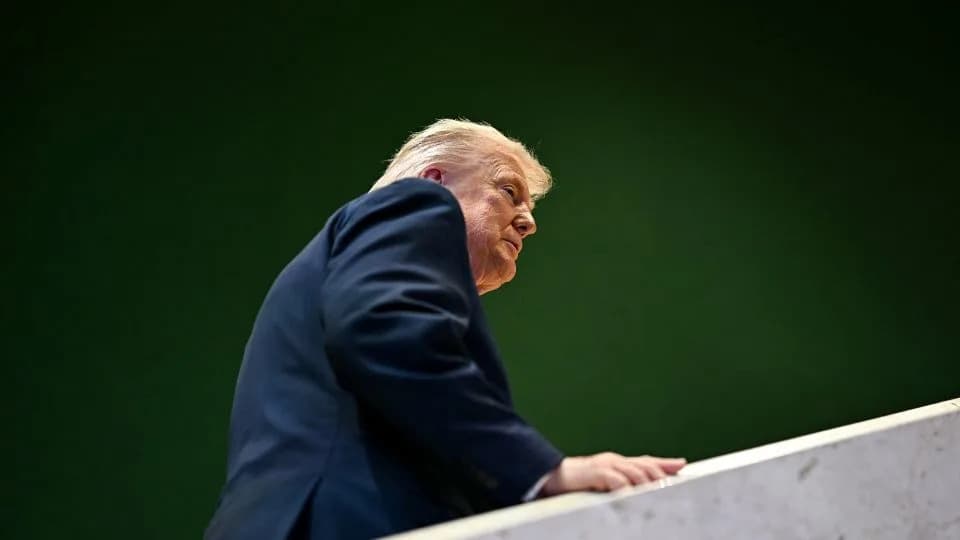
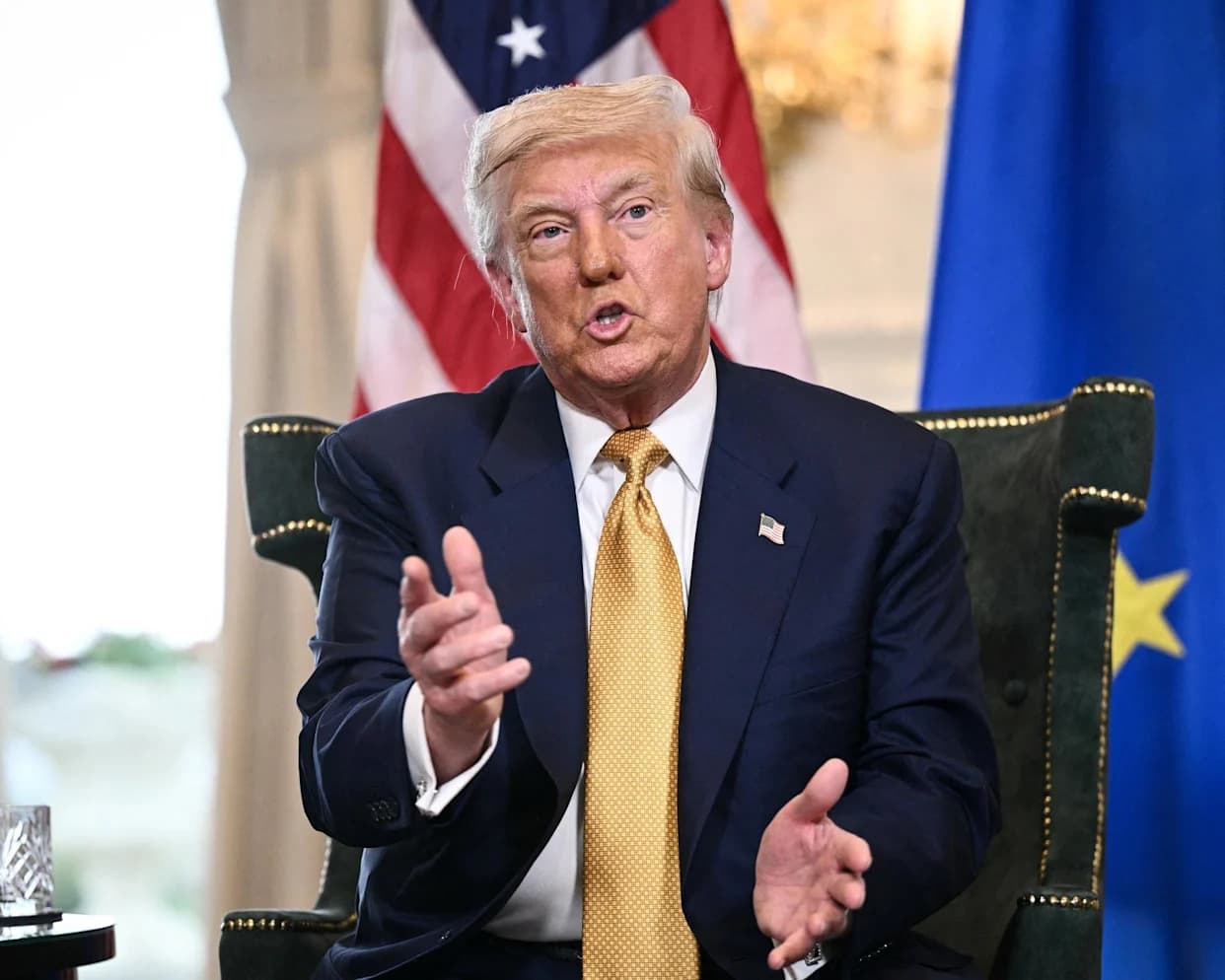
FILE - President Donald Trump speaks before departing on Marine One from the South Lawn of the White House, Jan. 20, 2026, in Washington. (AP Photo/Alex Brandon, File)(ASSOCIATED PRESS)
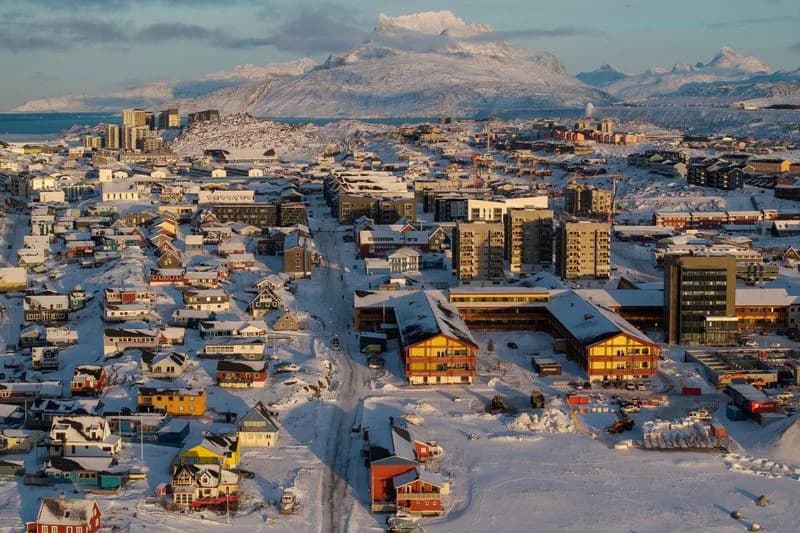
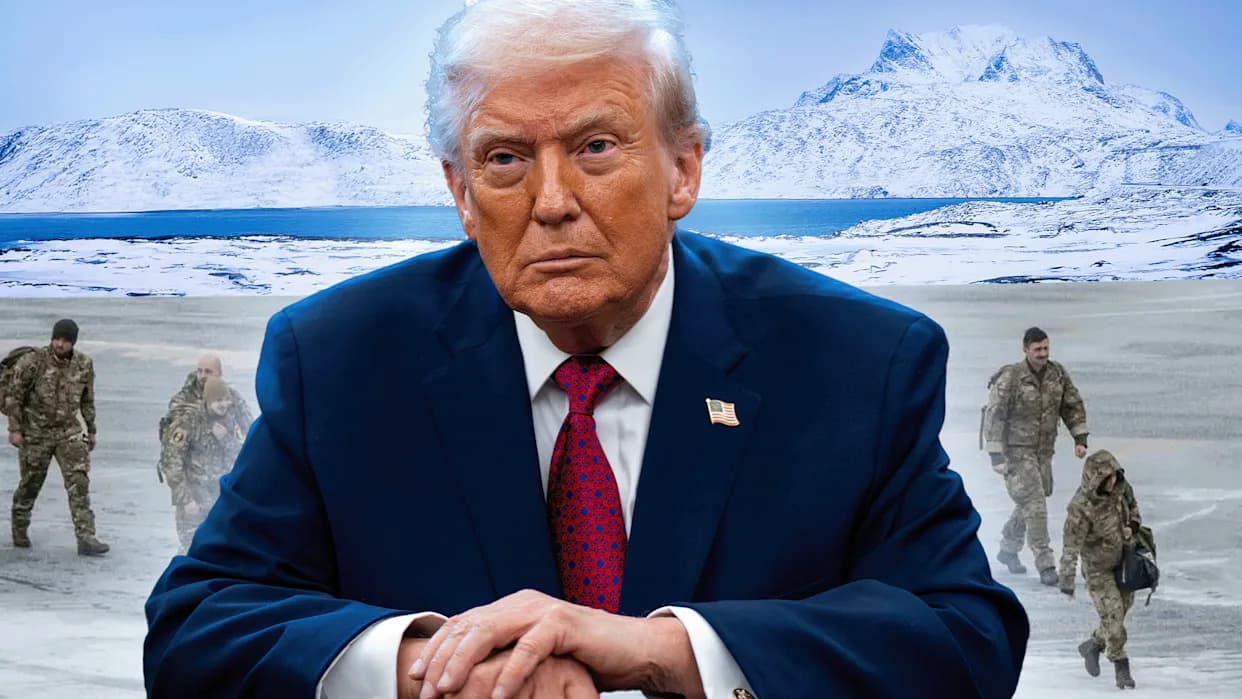
London — The era of diplomatic flattery toward President Donald Trump appears to be fading. European leaders who spent a year scrambling to adapt to an assertive U.S. president in his second term have moved toward a coordinated refusal—saying “no,” or its diplomatic equivalent—to Trump’s challenges to international norms and his public demands over other countries’ territory. His renewed push to acquire Greenland and threats to punish countries that resist became the catalyst for that shift.
Officials said Trump crossed “red lines” when he revived his insistence that the United States must “absolutely” control Greenland, the semiautonomous territory of NATO ally Denmark. The demand prompted even the most restrained diplomats to issue sharp rebukes to a leader they had previously treated with unusually deferential rhetoric.
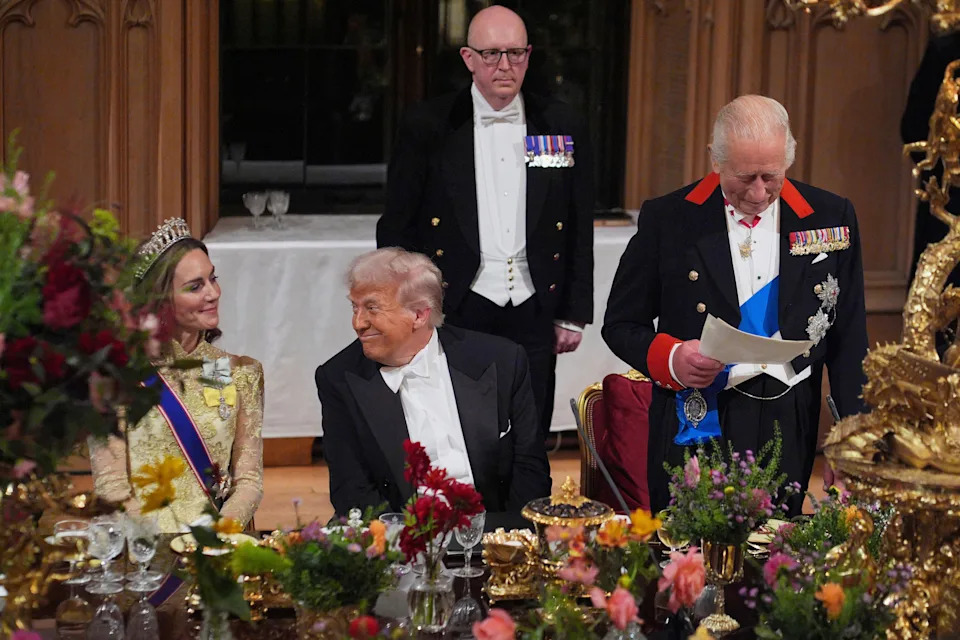
FILE - U.S. President Donald Trump, center, and Kate, Princess of Wales, listen to Britain's King Charles during the State Banquet in Windsor Castle, England, on day one of U.S. President Donald Trump and First Lady Melania Trump's second state visit to the U.K., Sept. 17, 2025. (Yui Mok/PA via AP, Pool Photo via AP, File)(ASSOCIATED PRESS)
“You can say yes, and we will be very appreciative. Or you can say no, and we will remember,” Trump told the World Economic Forum, framing pressure as a transactional choice.
Lesson 1: Speak As One
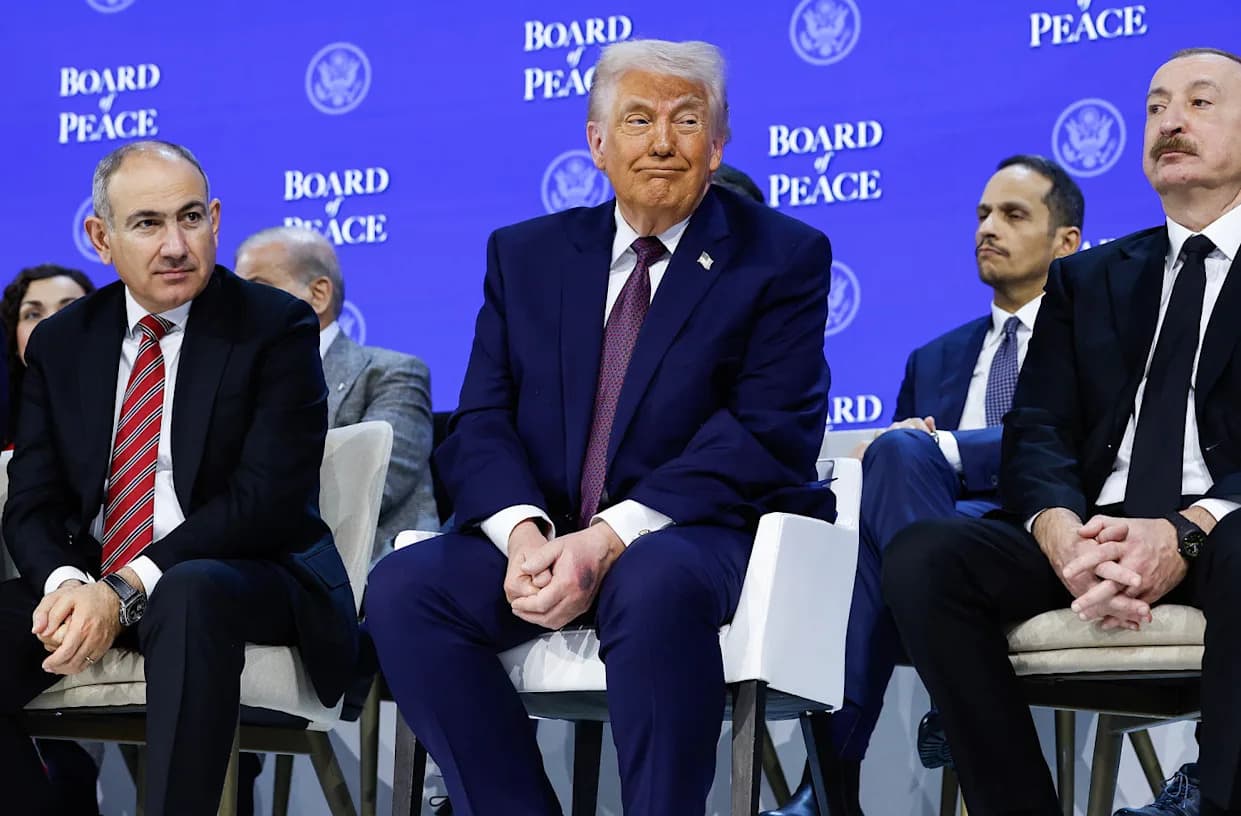
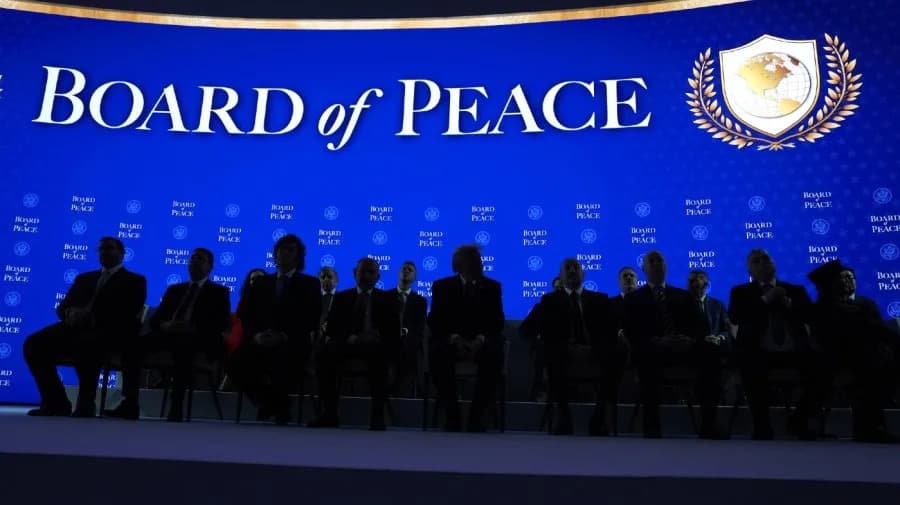
In recent days, Europeans issued coordinated refusals: rejecting the Greenland demand, declining to join a proposed “Board of Peace,” and disputing what Canada’s Mark Carney called the “fiction” that the alliance primarily serves any one powerful partner. That unity, forged over months of strain, was evident in blunt public statements.
“When Europe is not divided, when we stand together and when we are clear and strong in our willingness to stand up for ourselves, then the results will show,” Danish Prime Minister Mette Frederiksen said. Leaders who once relied on measured diplomacy have begun to adapt to a more transactional U.S. presidency.

FILE - French President Emmanuel Macron is seen during the Annual Meeting of the World Economic Forum in Davos, Switzerland, Tuesday, Jan. 20, 2026. (AP Photo/Markus Schreiber, File)(ASSOCIATED PRESS)
Lesson 2: Consider Saying No — And Align Choices With That Decision
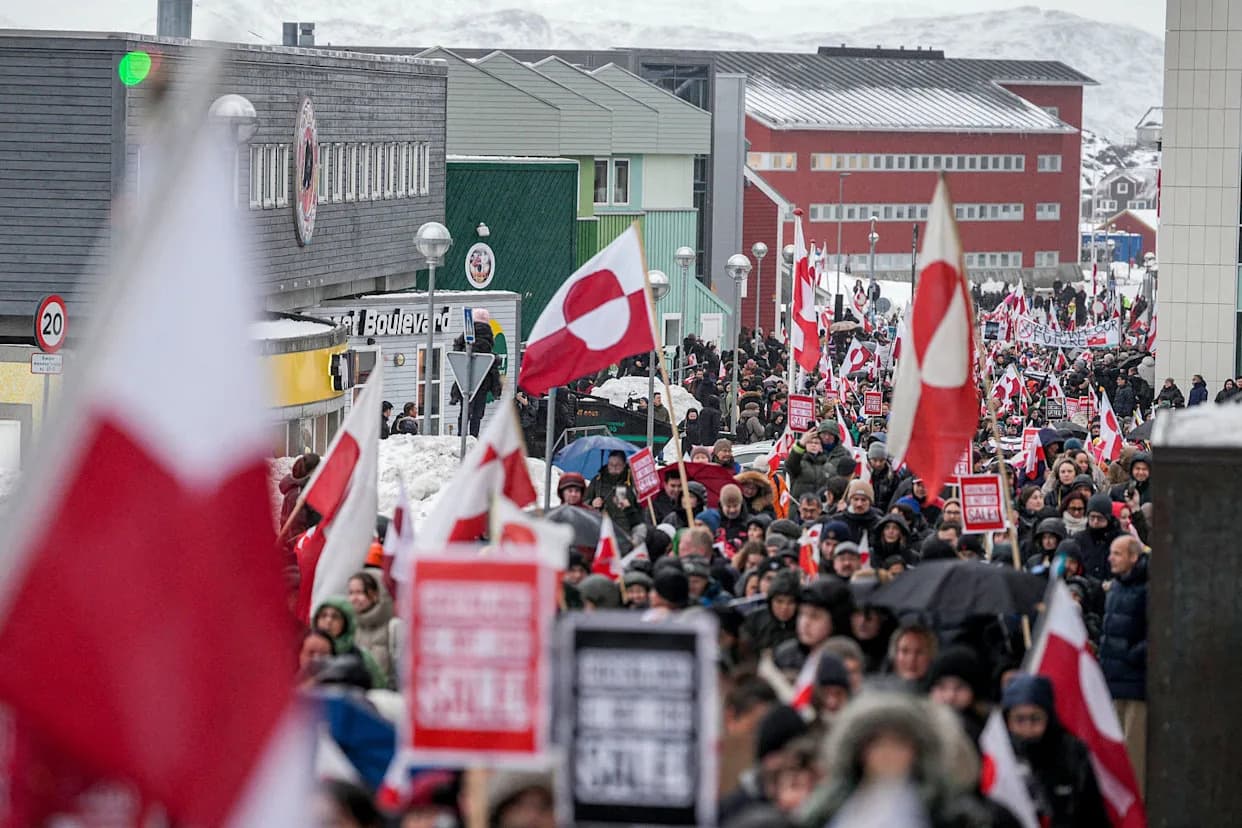
Traditional diplomacy often avoids flat refusals to preserve future cooperation. But Trump’s Greenland gambit was so stark a threat from one NATO member toward another that Greenlandic Prime Minister Jens-Frederik Nielsen spoke plainly: “Enough. No more pressure. No more hints. No more fantasies about annexation.”
Denmark warned that any invasion of Greenland would endanger NATO’s foundations. Allies issued repeated statements rejecting the claim. In response, Trump threatened a 10% import tax on goods from eight European countries—rising to 25% if no deal for a “complete and total purchase of Greenland” were reached—though he later softened his language.
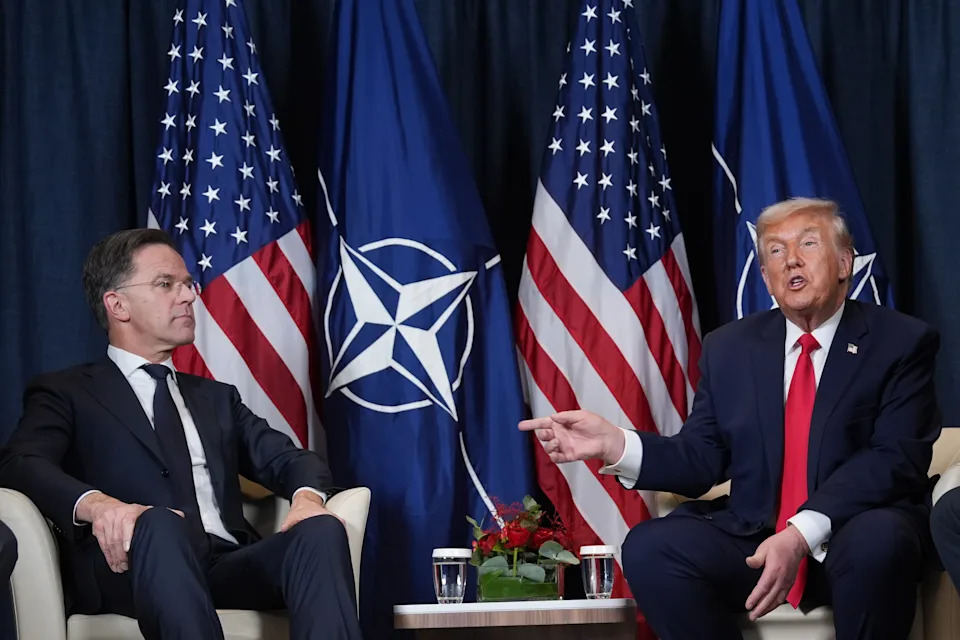
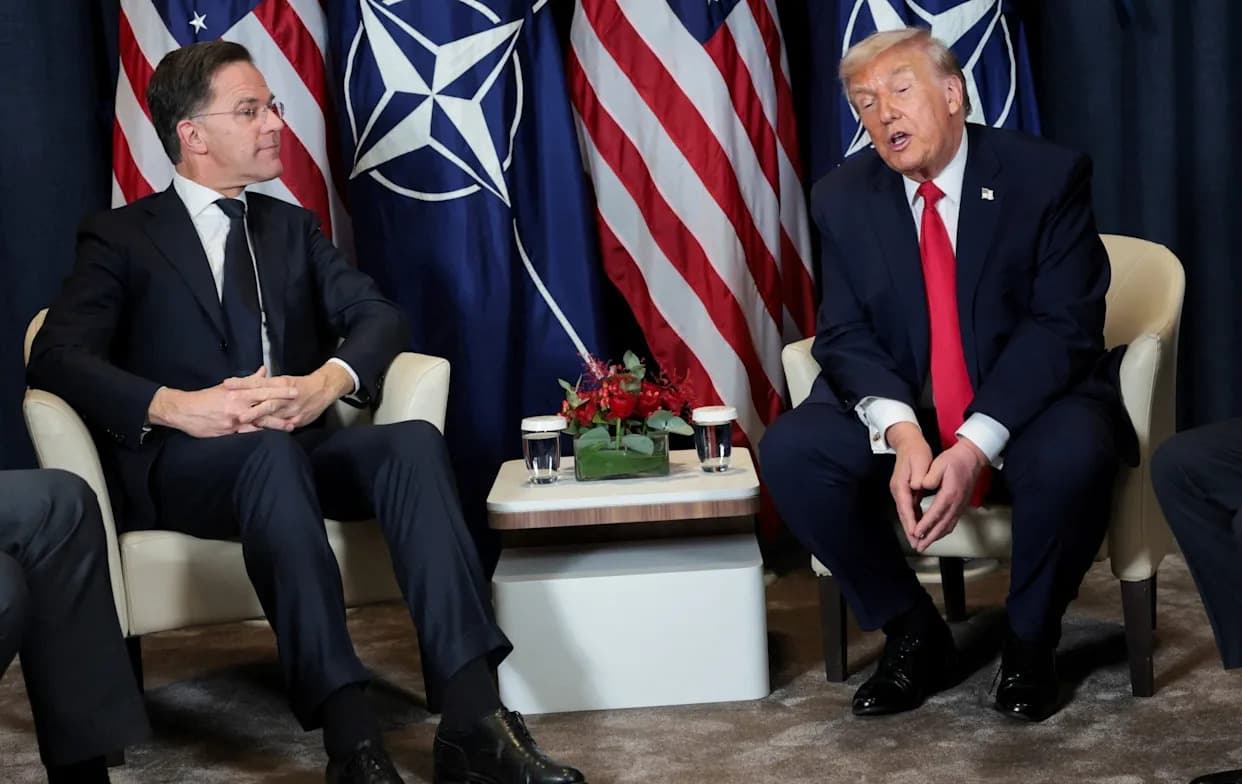
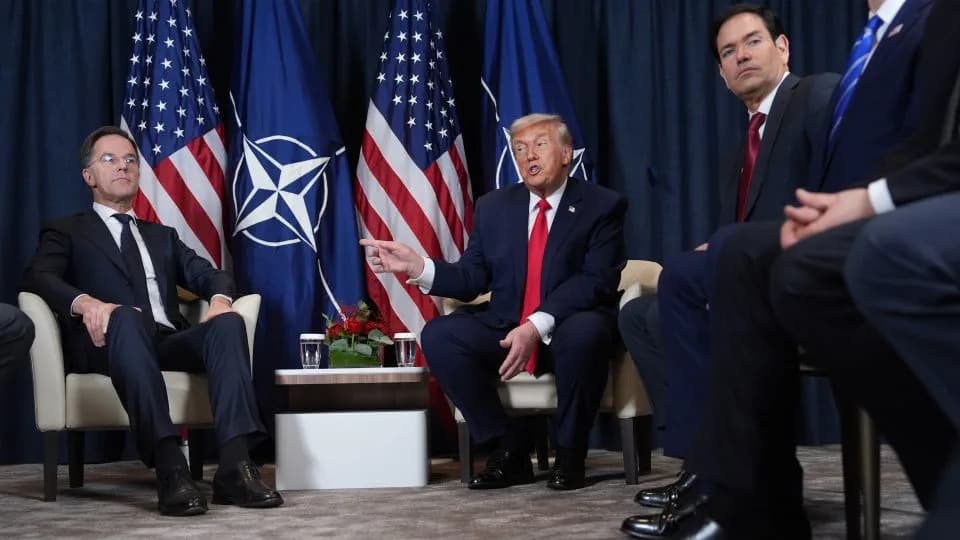
FILE - President Donald Trump, right, meets with NATO Secretary General Mark Rutte on the sidelines of the Annual Meeting of the World Economic Forum in Davos, Switzerland, Jan. 21, 2026. (AP Photo/Evan Vucci, File)(ASSOCIATED PRESS)
Lesson 3: Reject the Big-Power Coercion Paradigm
Leaders in Davos combined tough rhetoric with a recognition of Trump’s vulnerabilities at home—slumping approval ratings, market pressures, and legal questions—to push back diplomatically. Mark Carney and others reframed the debate from Greenland itself to a broader question: should Europe build collective resilience against coercion by a stronger partner?
Experts note the rupture in alliance dynamics is recent. Repairing relations after this period may be difficult but remains in both sides’ long-term interest.
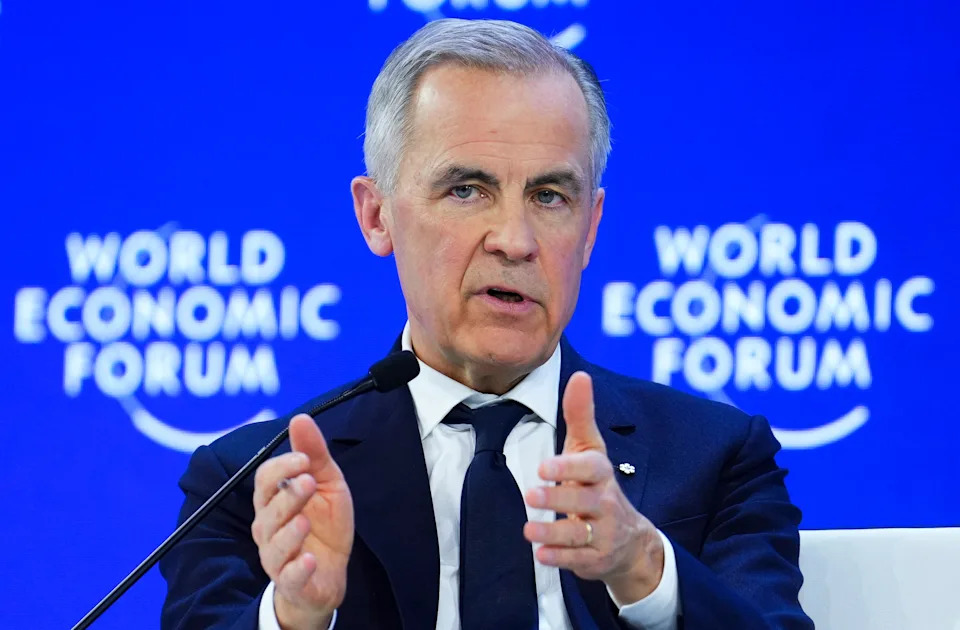
FILE - Canada Prime Minister Mark Carney delivers a speech at the World Economic Forum in Davos, Switzerland on Tuesday, Jan. 20, 2026. (Sean Kilpatrick/The Canadian Press via AP, File)(ASSOCIATED PRESS)
Lesson 4: Exercise Caution
Before long, Trump softened some threats. He withdrew explicit talk of using force over Greenland and referenced a vague “framework” that he said would make tariff threats unnecessary, claiming the U.S. would have “total access” without defining the term. Denmark’s Frederiksen reiterated a firm red line: “We cannot negotiate on our sovereignty.”
In short, Europe’s response combined solidarity, calibrated refusals, and strategic caution—sending a clear message that sovereignty and alliance norms are not negotiable even amid high-stakes pressure from a powerful partner.
Help us improve.