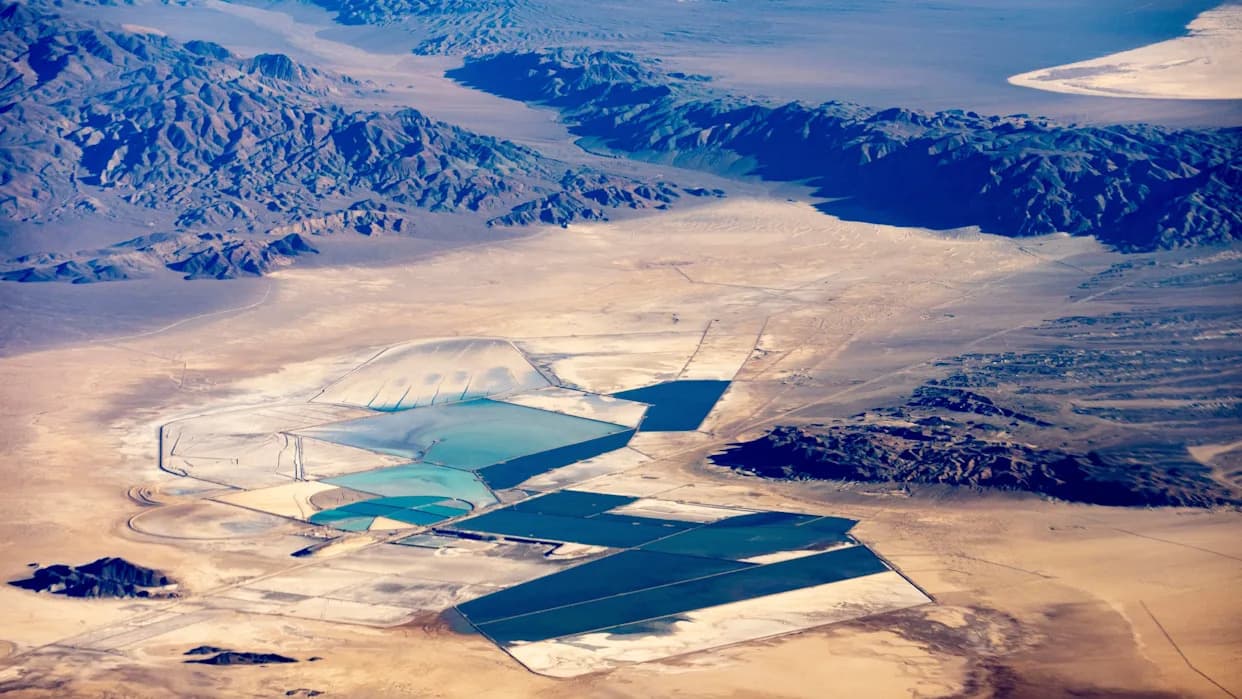
The Trump administration, working with Republican leaders in Congress, is advancing a plan to overturn President Joe Biden's 2023 twenty-year mining ban on 225,504 acres of the Superior National Forest. Officials and documents reviewed by Reuters show the effort is designed to clear the way for Chile-based Antofagasta's Twin Metals copper, nickel and cobalt project and to limit future administrations from taking the same action.
How The Parliamentary Maneuver Works
President Biden's 2023 public land order — which barred new mining for two decades across a large portion of northern Minnesota — was published in the Federal Register but not entered into the Congressional Record. Under the Federal Lands Policy and Management Act of 1976, presidents must notify Congress when public land orders affect more than 5,000 acres. Because that statutory notice was not filed, the Trump Interior Department has now submitted the notice to Congress, a step officials expect will trigger congressional review and possible rejection of the ban.
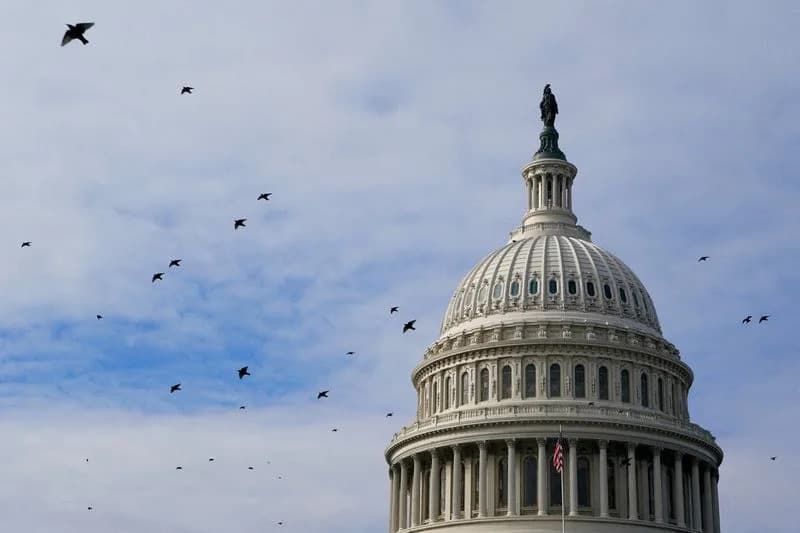
The notice was sent to the House, then to Vice President J.D. Vance in his role presiding over the Senate, and is under review by the Senate parliamentarian. If the parliamentarian approves the procedural route — an outcome expected imminently — Congress would have 60 legislative days to pass a simple-majority resolution to accept or reject the order. That vote would not be subject to a filibuster.
Legislative And Industry Stakes
Minnesota Republican Rep. Pete Stauber plans to introduce legislation to reject the mining ban by the end of the week. Supporters frame the action as securing domestic supplies of critical minerals — copper, nickel and cobalt — needed for electric vehicles, AI data centers, wind turbines and defense systems. They also emphasize reducing reliance on foreign suppliers such as China.
If Congress and the president move to disapprove the ban under the Congressional Review Act (CRA), the CRA's provisions could prevent similar executive actions from being reissued in the future. The administration has indicated it intends to reissue or reinstate mining leases for Antofagasta's Twin Metals unit if the ban is lifted; company officials said they expect the leases to be restored in the near term. Any actual development would still require environmental reviews and permitting.
History And Local Concerns
The leases covering the Twin Metals area date back to 1996 and have been repeatedly contested: canceled by President Barack Obama, reinstated by President Donald Trump during his first term, rescinded again by President Biden, and now potentially restored under the current administration. No mining activity has taken place at the site to date.
Environmental and recreation groups warn that reopening the area to mining could threaten watersheds that feed the Boundary Waters Canoe Area Wilderness and the Great Lakes. The region attracts more than 150,000 outdoor visitors a year, and residents fear mine-related contamination could spread quickly through the area's 1.1 million acres. Antofagasta has said it would use advanced technologies and safeguards to minimize environmental impacts, and any project would still be subject to federal environmental review.
Bottom line: The unfolding procedural move could remove a 20-year mining restriction, revive long-standing lease disputes, and intensify the national debate over balancing critical mineral supply needs with environmental protection for a sensitive and heavily visited wilderness region.
(Reporting by Ernest Scheyder; editing summarized and improved for clarity.)