China has nominated the city of Xiamen to host the secretariat of a newly established high seas treaty, a step analysts say reflects Beijing's bid to shape global environmental rules. The treaty, ratified by 60 countries, will enter into force on Saturday; the host country will be chosen later this year. The nomination comes days after the U.S. announced withdrawals from 66 international bodies and highlights the need for close coordination with regional ocean institutions.
China Nominates Xiamen To Host Secretariat Of New High Seas Treaty, Signalling Push To Shape Global Ocean Rules
After years of delay, the treaty to protect the high seas was ratified in September with the approval of 60 countries (Sameer Al-DOUMY)(Sameer Al-DOUMY/AFP/AFP)
China on Friday unexpectedly nominated the coastal city of Xiamen to host the secretariat of a landmark treaty that governs the high seas, a move analysts say highlights Beijing's ambition to increase its influence over international environmental governance.
The Chinese Mission to the United Nations wrote in a letter to Secretary-General Antonio Guterres that "China has decided to present its candidature of the city of Xiamen to host the Secretariat," according to a copy of the note seen by AFP.
The treaty — which was ratified by 60 countries in September after years of negotiation and delay — is due to formally enter into force on Saturday. Officials say the country that will host the eventual secretariat will be selected later this year.
Until China's announcement, Belgium and Chile had been the leading contenders to host the future organization. Observers say the Xiamen bid signals Beijing's desire to play a larger role in shaping international standards for ocean protection.
"The Xiamen bid signals China's intention to help shape global rules," said Li Shuo, director of the China Climate Hub at the Asia Society Policy Institute in Washington.
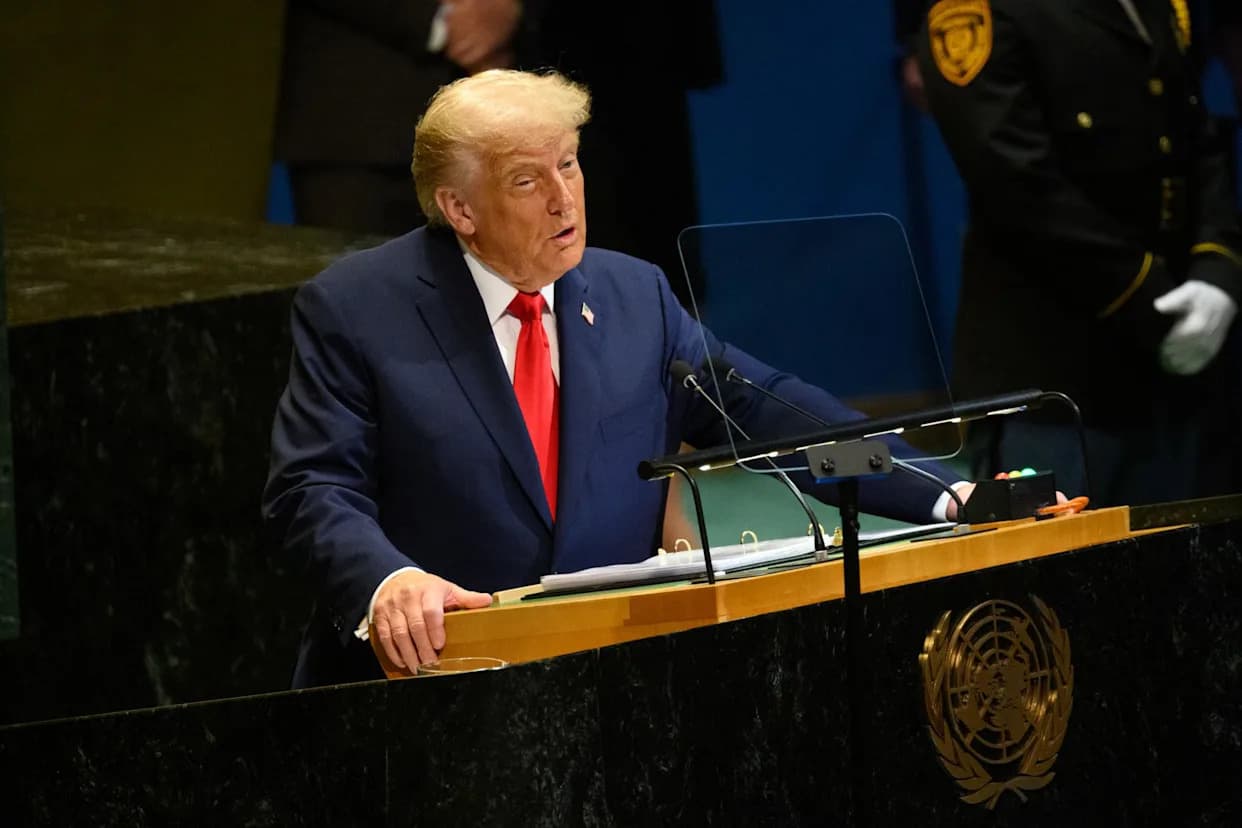
China's nomination came days after U.S. President Donald Trump announced plans for the United States to withdraw from 66 global organisations and treaties, affecting both UN and non-UN bodies. That package of withdrawals reportedly includes the United Nations Framework Convention on Climate Change (UNFCCC), the parent treaty underpinning major international climate agreements.
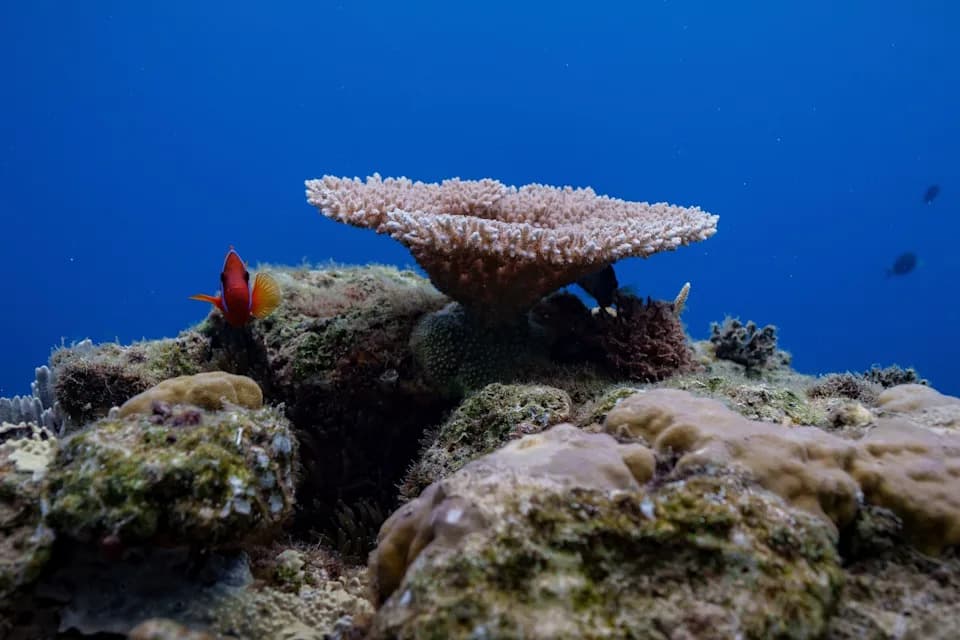
Conservationists note the treaty is intended to protect biodiverse areas in international waters beyond national exclusive economic zones. Oceans support vast marine life, produce roughly half the planet's oxygen, and are critical to mitigating and adapting to climate change.
Once the treaty is in force, its decision-making body will need to coordinate with a patchwork of regional and global organizations that already oversee different aspects of ocean use and protection. These include regional fisheries management bodies and the International Seabed Authority, where countries are currently contesting proposed rules for deep-sea mining.
What Happens Next: Governments and stakeholders will continue lobbying to host the secretariat ahead of a formal selection later this year. The eventual host will play an important role in administering the treaty, supporting negotiations, and coordinating conservation efforts across jurisdictions.
Help us improve.