US funding cuts announced in January 2025 have triggered a severe collapse of HIV and reproductive health services across Malawi, undermining a decade of progress. Specialised clinics and mobile services closed or scaled back, leading to layoffs, rising PrEP default rates (reported up to 80% in some districts), and a spike in unplanned pregnancies. Over one million Malawians living with HIV now face heightened risk, and health leaders warn the abrupt withdrawal of USAID and PEPFAR support has left the system "in panic." Urgent bridging funding and rapid program reinstatement are being urged to prevent long-term reversals.
US Aid Cuts Push Malawi’s HIV Response To The Brink, Reversing A Decade Of Progress
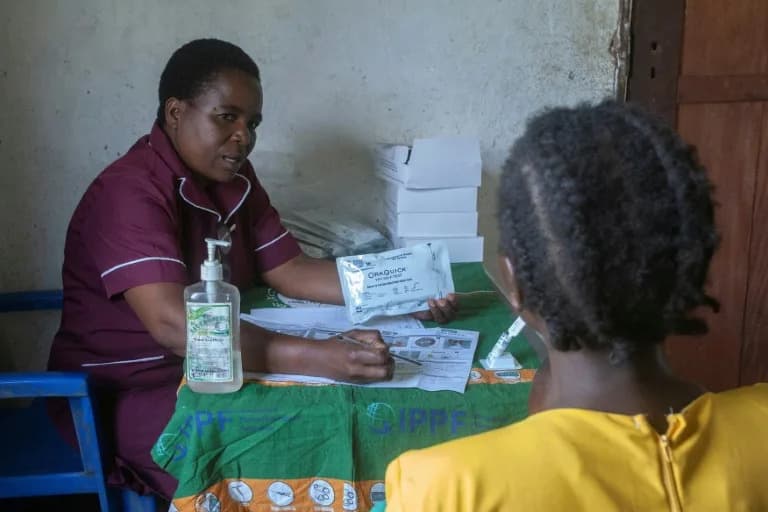
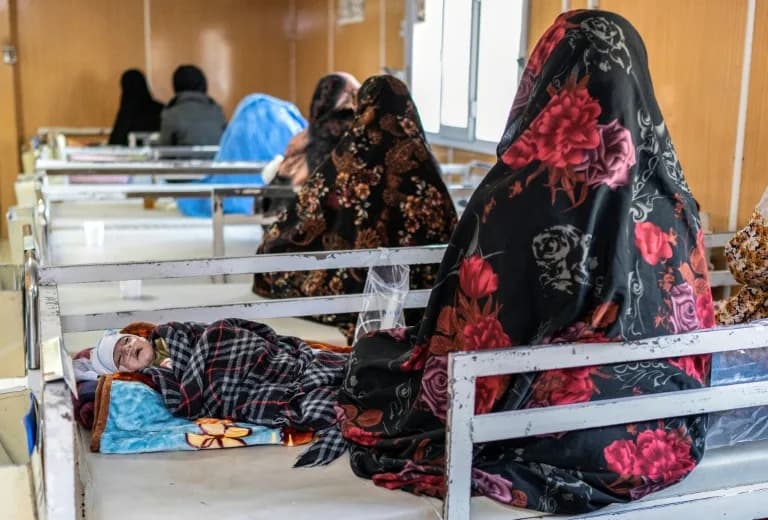
The foreign funding squeeze on Malawi's healtcare system has triggered siginificant cuts in HIV treatments, a spike in pregnancies and a return to discrimination (Amos GUMULIRA)(Amos GUMULIRA/AFP/AFP)
A catastrophic breakdown of Malawi’s health services a year after US foreign aid cuts has begun to unravel a decade of progress against HIV/AIDS, health providers warn. The abrupt withdrawal of USAID and PEPFAR funding in January 2025 forced specialised clinics and mobile services to close, left thousands without antiretroviral therapy (ART) or PrEP, and triggered a rise in unplanned pregnancies and stigma for vulnerable groups.
What Happened
The US government’s decision to slash major bilateral health grants in January 2025 eliminated roughly 60% of Malawi’s HIV treatment budget, according to local health officials. Many organisations that depended on those grants had to suspend services, lay off staff and scale back outreach — often with little notice and no viable transition plan.
Human Impact
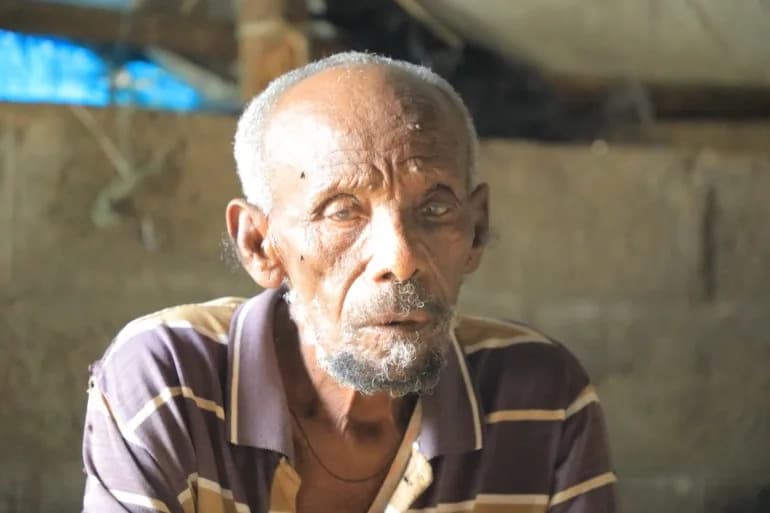
“I gave up. I am a living dead,”said Chisomo Nkwanga, an HIV-positive man from Mzuzu, recounting how he was publicly shamed after his US-supported HIV clinic stopped providing ART and he sought care at an overcrowded public hospital.
Providers say the cuts have hit the most marginalised populations hardest. Drop-in centres and peer navigator networks that supported adherence and linked clients to treatment were among the first services lost, leaving many patients disconnected from care.
Service Disruptions And Consequences
Organisations such as the Centre for the Development of People (CEDEP) and the Family Planning Association of Malawi (FPAM) reported immediate effects: staff layoffs, suspended mobile clinics, and closed or skeleton-staffed drop-in centres. CEDEP reported PrEP default rates as high as 80% in districts like Blantyre, and community clinics described spikes in unplanned pregnancies after FPAM suspended services in remote areas.
Gift Trapence, CEDEP executive director, described the situation as a “system in panic,” noting that the rapid timing of the cuts prevented meaningful contingency planning with local providers.
Why It Matters
Malawi is an aid-dependent country with over one million people living with HIV out of roughly 22 million residents. Public health experts warn that interruptions in ART, PrEP and family-planning services risk increasing new infections, maternal and infant health problems, and preventable deaths — effectively erasing years of progress made by community-led programmes and international support.
Outlook And Calls For Action
Local leaders and NGOs are urging rapid re-engagement of donor partners, bridging funds, and targeted support to re-establish peer-led services, mobile clinics and stigma-free care for LGBTI and other marginalised groups. Without quick intervention, providers say, the setbacks could become long-term losses in Malawi’s HIV response.
Reporting draws on statements from CEDEP, FPAM and interviews with patients and health workers in Malawi, as reported to AFP.
Help us improve.