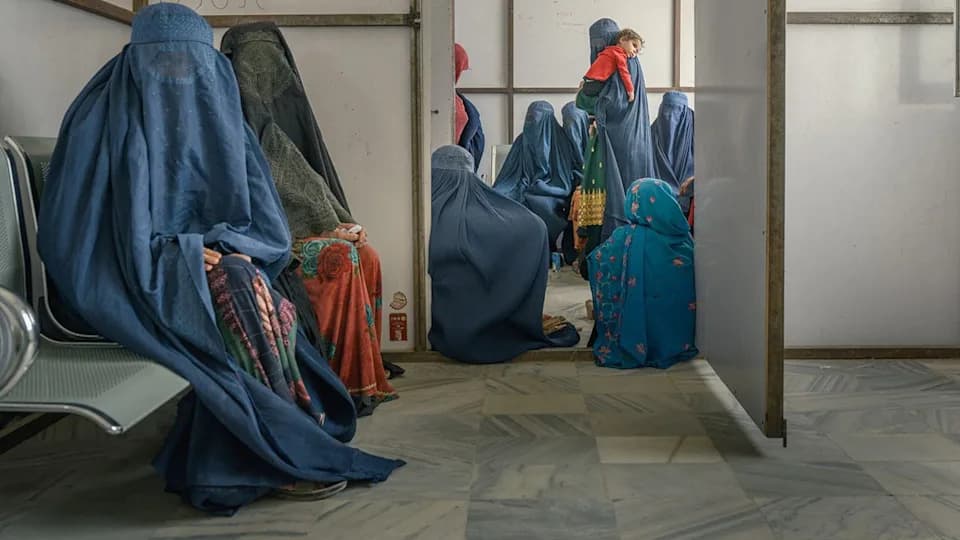
At Herat Regional Hospital, mothers like 24-year-old Najiba are struggling to feed their children amid a worsening child malnutrition crisis in Afghanistan. The WFP warns that about four million children will need treatment this year and is appealing for $390 million to feed six million people over six months. Medical charities such as MSF report rising admissions — roughly 315–320 severely malnourished children per month at the Herat centre — and many families travel long distances for scarce care. Nurses provide breastfeeding advice and psychological support, but experts warn the situation will worsen without urgent funding.
Afghan Mothers Turn to Hospitals as Child Malnutrition Crisis Puts Four Million at Risk
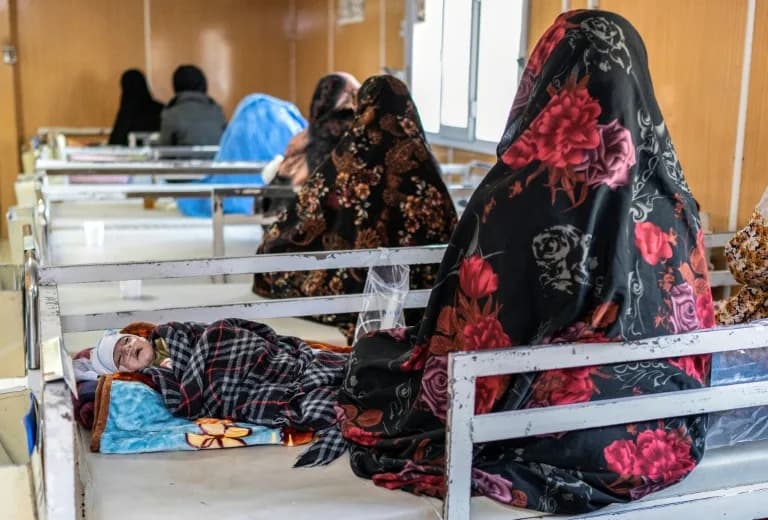
The number of malnutrition cases in Afghanistan has steadily increased over the past five years, according to Doctors Without Borders (Wakil KOHSAR)(Wakil KOHSAR/AFP/AFP)
Najiba, 24, sits beside her baby, Artiya, at the therapeutic nutrition centre in Herat Regional Hospital. Artiya — one of an estimated four million Afghan children at risk of life-threatening malnutrition this year — fell ill with pneumonia at three months. His condition deteriorated and his parents travelled from hospital to hospital seeking care before learning he also has a congenital heart defect.
"I did not get proper rest or good food," Najiba told staff at Herat, describing how exhaustion and poor nutrition reduced her breast milk supply. "These days, I do not have enough milk for my baby." The couple exhausted their meagre savings trying to get treatment, while Artiya's father is "knocking on every door just to borrow money" to pay for an expensive operation on another ward.
Human Cost Behind the Numbers
John Aylieff, Afghanistan director for the World Food Programme (WFP), said women are "sacrificing their own health and their own nutrition to feed their children." After several weeks at the hospital's therapeutic nutrition centre, Artiya has begun to regain weight. Mothers receive both medical care and psychological support as part of treatment.
"Staggering" Scale of the Crisis
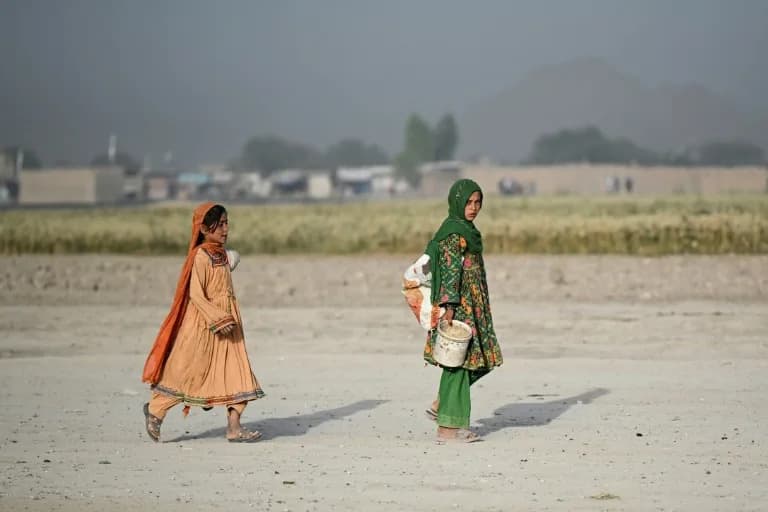
The Herat centre, supported by Doctors Without Borders (MSF), admits an average of 315–320 severely malnourished children each month. MSF's deputy coordinator in Herat, Hamayoun Hemat, says admissions have risen steadily over the past five years. Since the Taliban returned to power in 2021, low-income families have been hit by cuts to international aid, prolonged drought and the economic effects of displacement; an estimated five million Afghans have moved across the border to Iran and Pakistan.
"In 2025 we'd already seen the highest surge in child malnutrition recorded in Afghanistan since the beginning of the 21st century," Aylieff told AFP in Kabul. He warned that "a staggering four million children in this country will be malnourished and will require treatment" this year, and added bluntly: "These children will die if they're not treated." The WFP is appealing for $390 million to feed six million Afghans over the next six months, but fundraising prospects remain uncertain.
Limited Medical Access and Late Presentations
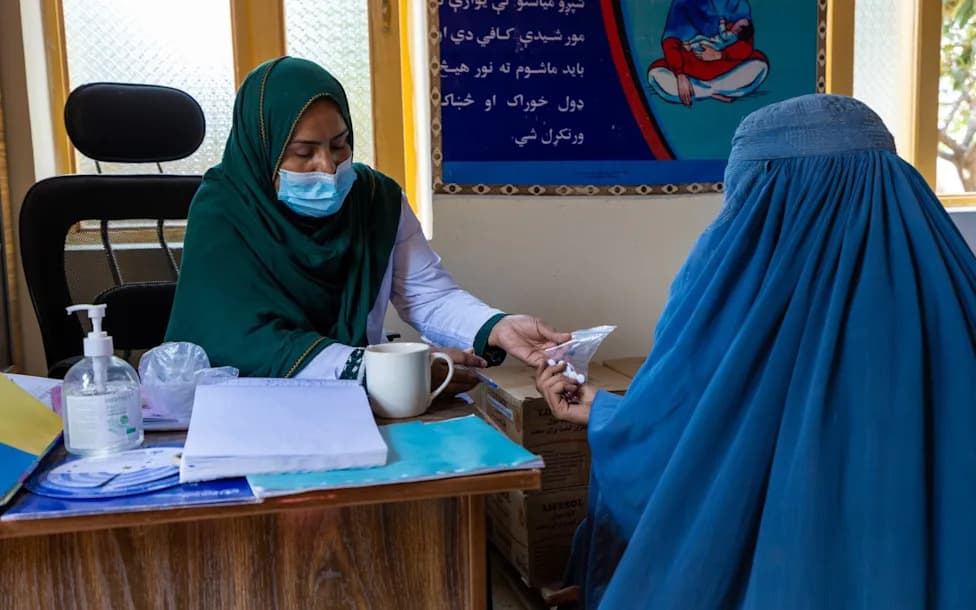
Afghanistan, a country of more than 40 million people, has relatively few centres able to treat severe malnutrition. Some families travel hundreds of kilometres to reach Herat because their home provinces lack appropriate services. Wranga Niamaty, a nurse team supervisor, says patients often arrive in the final stage of malnutrition when there is "no hope" for survival, though staff take pride in every child they are able to save.
Nursing staff also provide practical advice on breastfeeding — a key tool in preventing malnutrition. Nurse Fawzia Azizi noted that single mothers who work physically demanding jobs or who are dehydrated sometimes cannot produce enough milk. The clinic has also helped mothers like Jamila, a 25-year-old whose eight-month-old daughter, who has Down's syndrome, is malnourished despite remittances from her husband working in Iran. "If my husband is expelled from Iran, we will die of hunger," she said.
What’s clear: Without urgent funding and expanded access to nutrition and health services, many more children in Afghanistan face the risk of severe malnutrition or death.
Help us improve.