MSF warns that Somalia's health and nutrition crisis is worsening after four failed rainy seasons, rising water costs and deep cuts to humanitarian aid. Aid groups report sharp increases in severe acute malnutrition and outbreaks of measles, diphtheria and acute watery diarrhoea among displaced children. The UN estimates 4.4 million people may face crisis-level food shortages by end-2025, including 1.85 million children under five at risk. MSF calls for urgent scale-up of nutrition, vaccination and water services and investment in resilient infrastructure.
MSF Warns Somalia’s Health Crisis Is Deepening — Malnutrition And Preventable Diseases Surge
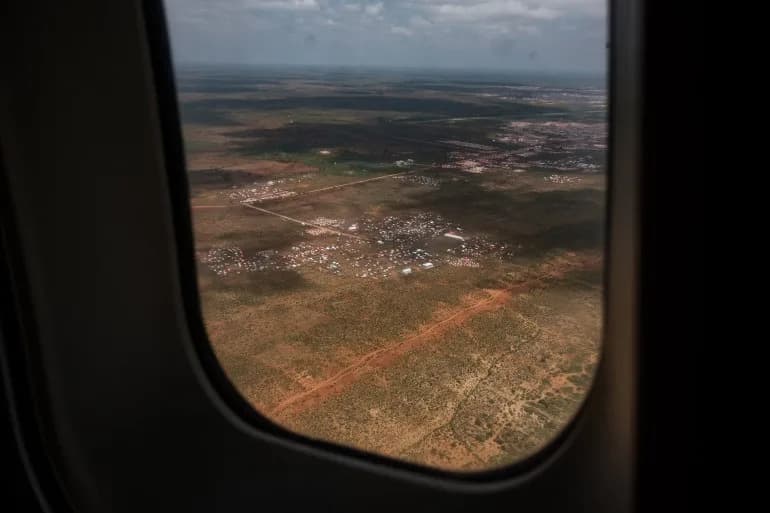
A camp for displaced people on the outskirts of Baidoa, Somalia, is seen from a plane in November 2022 [File: Guy Peterson/AFP]
Somalia is facing a deepening health and nutrition emergency, Doctors Without Borders (MSF) warns, as repeated failed rainy seasons, soaring water prices and steep cuts to humanitarian aid drive a sharp rise in severe acute malnutrition and outbreaks of preventable diseases.
On the ground
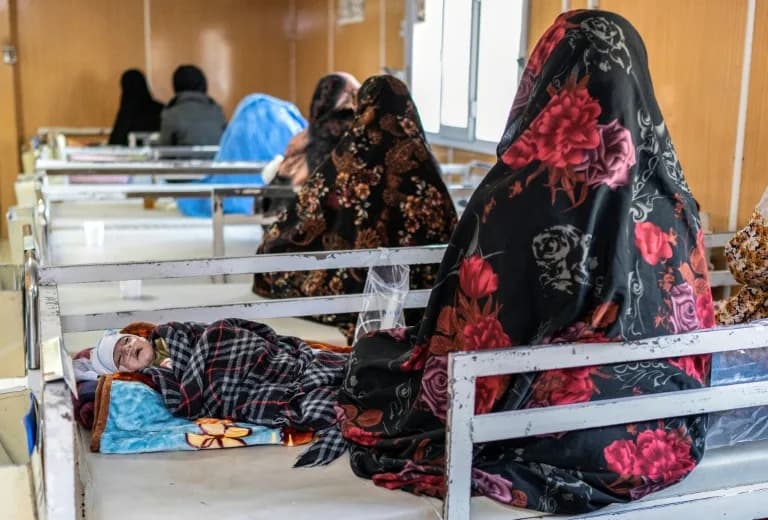
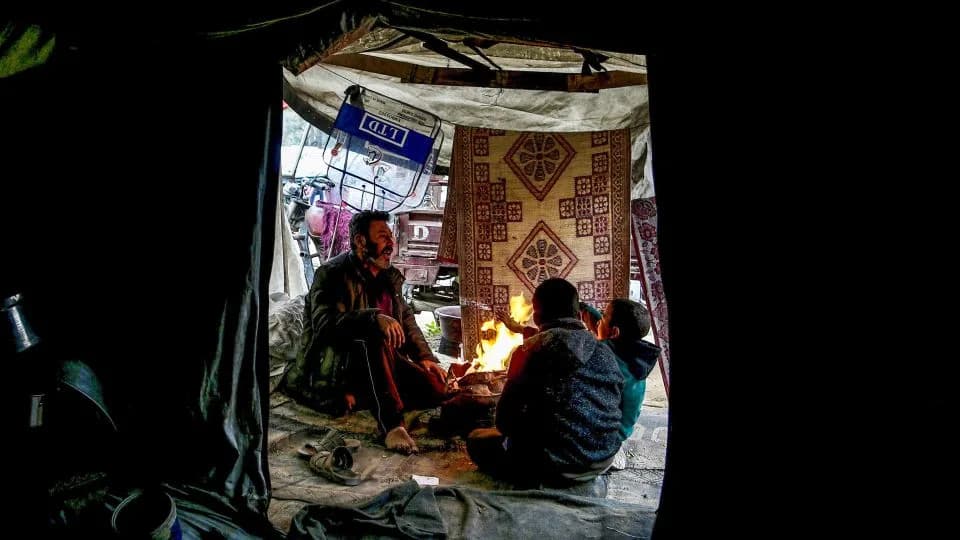
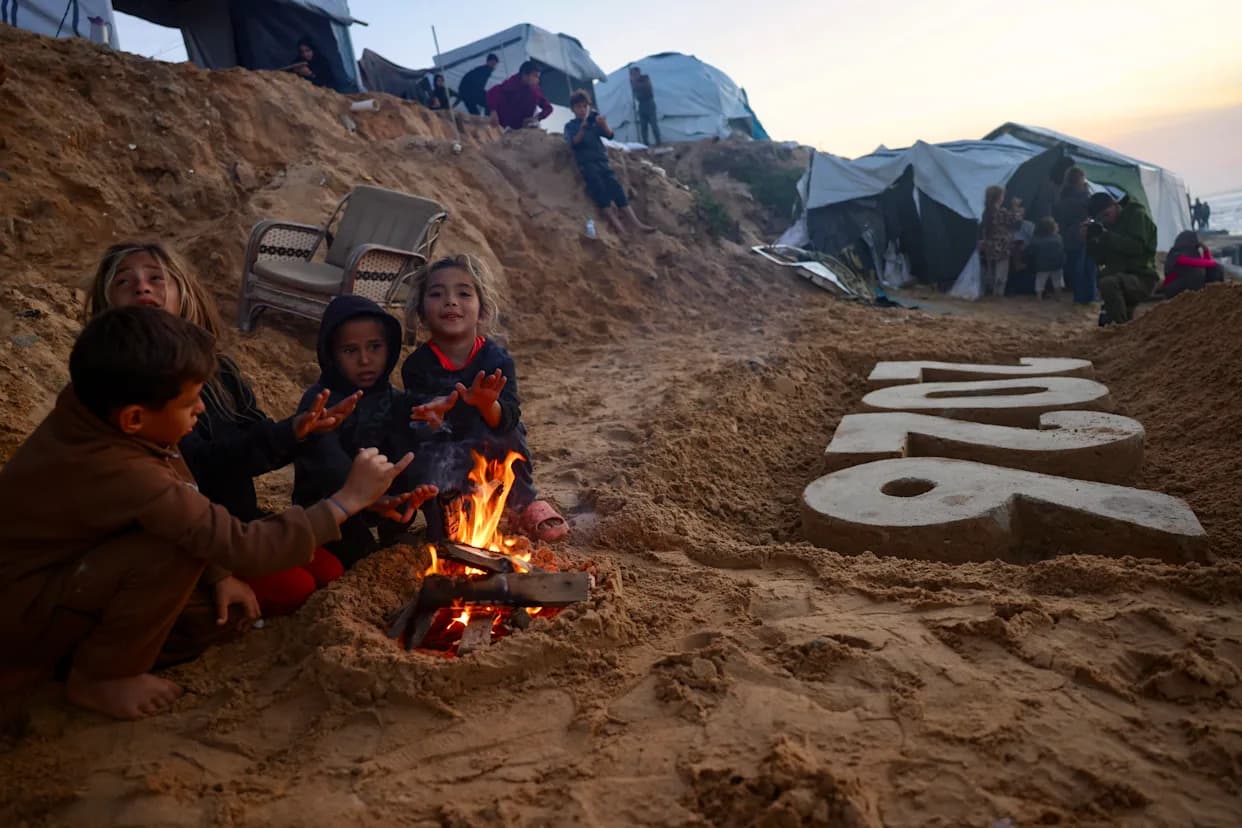
MSF teams report a worrying increase in children arriving at overcrowded displacement camps and hospitals suffering from severe acute malnutrition, measles, diphtheria and acute watery diarrhoea — illnesses that are largely preventable with nutrition support, vaccination and safe water.
"We are seeing children arriving at our hospitals in critical condition, often after travelling for days without food or water," said Allara Ali, MSF's project coordinator in Somalia.
Scale of the emergency
After four consecutive failed rainy seasons, United Nations assessments warn that up to 4.4 million people could face crisis-level or worse food shortages by the end of 2025, including approximately 1.85 million children under five at risk of acute malnutrition. More than 3.3 million people have been displaced, many sheltering in camps in Baidoa (southwest) and Mudug (central Somalia).
Since early 2025, humanitarian provision has contracted: over 200 health and nutrition facilities have closed nationwide, and monthly food assistance has dropped from reaching roughly 1.1 million people to about 350,000.
Local impacts and disease trends
MSF recorded a 48% increase in admissions for severe acute malnutrition in Baidoa in October compared with the prior month. In the same period, MSF treated 189 children for suspected measles; 95% of these children had never been vaccinated. In Mudug, admissions to inpatient therapeutic feeding centres rose by 35%.
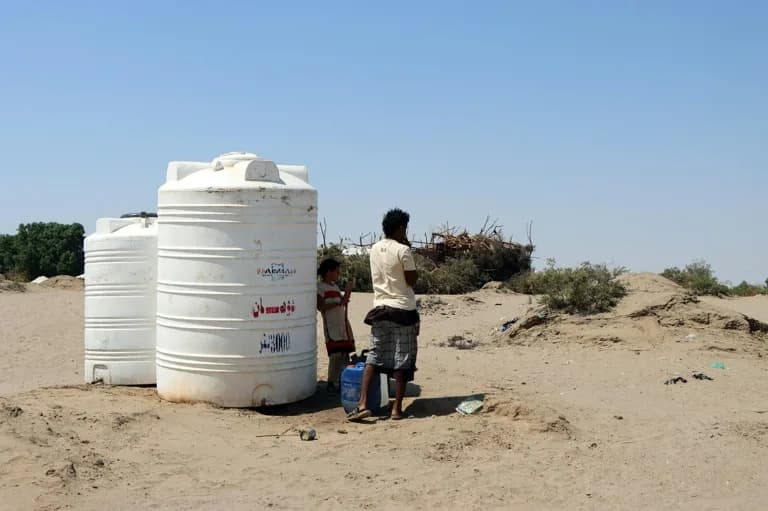
Displacement camps with limited water and sanitation have become hotspots for disease. The price of a 200-litre drum of water in Baidoa and Mudug now ranges from $2.50 to $4, putting safe water out of reach for many families.
"We cannot afford water," said Kaltuma Kerow, a 35-year-old mother living in a displacement camp in Baidoa. "We are extremely short of food and water, and we fear diseases like cholera."
Humanitarian response
In response to acute shortages, MSF launched emergency water trucking in Baidoa in December, delivering more than 6 million litres of safe drinking water to 17 sites by mid-January and installing water bladders and solar lighting. Aid workers say these emergency measures help immediately but are insufficient against the scale and duration of the crisis.
"This situation is unacceptable because it is predictable and largely preventable," said Elshafie Mohamed, MSF's country representative in Somalia. "The current humanitarian response is leaving millions without access to basic healthcare, food or water."
What is needed
MSF is urging donors and authorities to urgently scale up nutrition programmes, vaccination campaigns and water services, and to invest in climate-resilient water infrastructure and sustained essential healthcare. Without a coordinated, multisector response, MSF warns, deaths from preventable causes are likely to continue rising in the coming months.
Help us improve.