The Army of Drones Bonus is a gamified incentive system that awards e‑points to around 400 Ukrainian drone units for video‑verified strikes and captures. Points are redeemable on the Brave1 Market for drones, robots and other kit; the programme reportedly sped delivery cycles and helped recruit tech‑savvy personnel. Supporters say it improves battlefield efficiency and supplies real‑time feedback to manufacturers; critics warn it may dehumanise combat and encourage score‑chasing over strategic priorities.
Inside Ukraine’s Drone Leaderboard: How a Gaming‑Style Points System Rewards Kills and Delivers Weapons
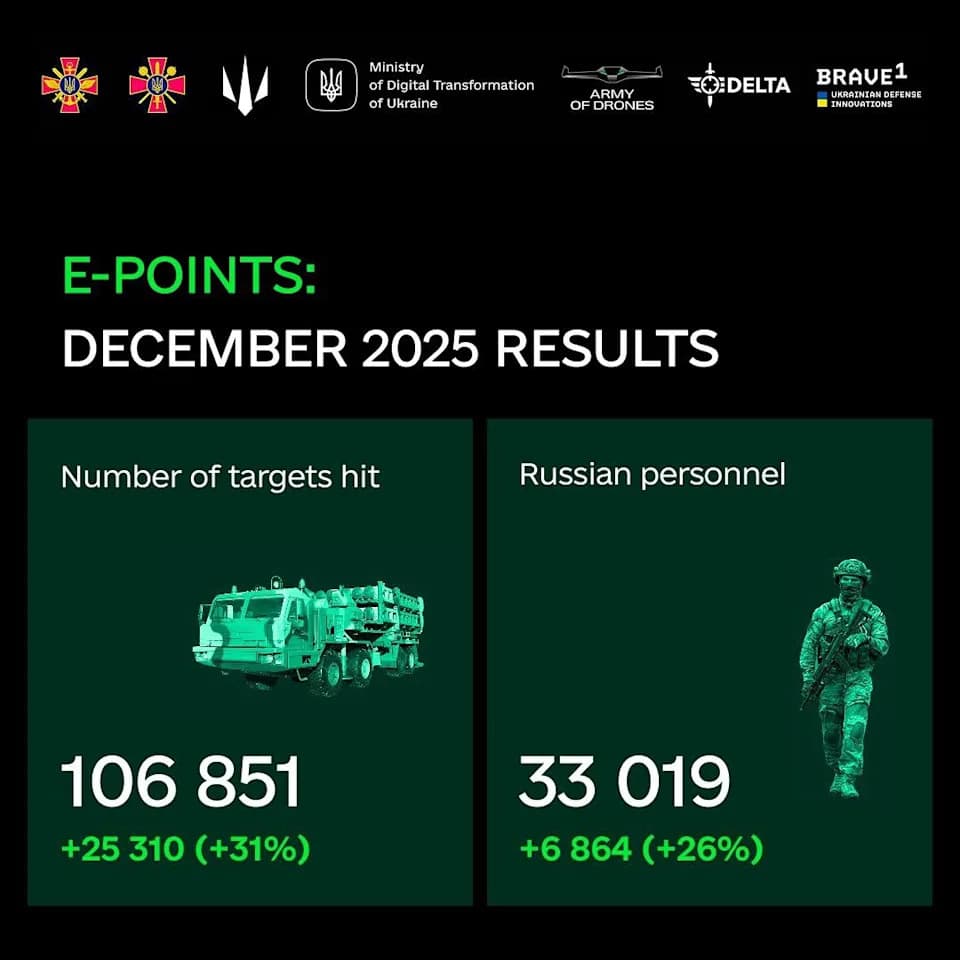
A screen showing how Ukraine has gamified its war with Russia, allowing units to earn points that can be trading for new kit
The Ukrainian drone locked onto an unusually large target: a Russian Mi‑8 helicopter filled the camera frame, and moments later the screen went a hazy grey — the sign of a successful strike. That hit followed months of precise training by a drone operator and earned the unit valuable points under a novel incentive scheme.
Known as the Army of Drones Bonus, the programme assigns e‑points to confirmed strikes and destroyed equipment. About 400 unmanned units are ranked on a public leader board; units redeem points on a marketplace to receive drones, ground robots and other kit. Commanders and operators tell reporters the system has sharpened effectiveness and helped recruit new personnel, but critics warn it risks dehumanisation and score‑chasing.
How the Points System Works
The bonus uses video‑verified evidence of strikes to award points. The military calibrates the score values to reflect battlefield priorities. Current values reported include:
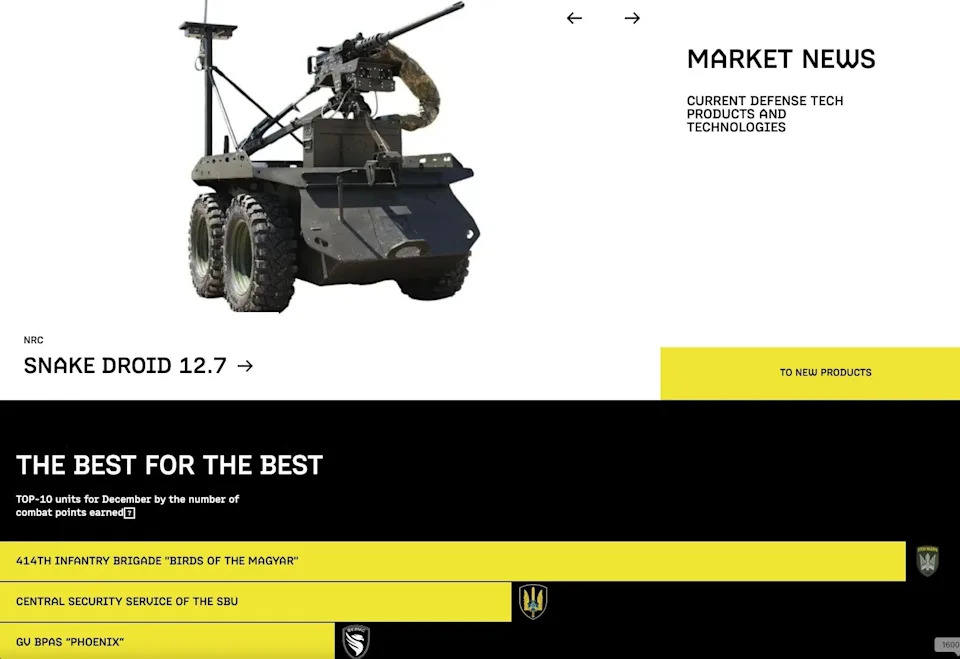
The Brave1 military hardware website is said to allow Ukrainian units to order the latest kit quickly and efficiently
- Wounding a Soldier: 8 points
- Killing a Soldier: 12 points
- Drone Operator Strike: 25 points
- Destroying a Tank: 40 points
- Destroying an MLRS: 50 points
- Capturing a Soldier With a Drone: 120 points
Tangible Rewards Through the Brave1 Market
A prototype of the scheme launched in August 2024 and the Brave1 Market — an online catalogue for weapons and robotics tied to the programme — went live in April 2025. Units with higher scores receive priority access to manufacturers and faster delivery of high‑tech systems. Brave1’s leadership says the hub cut development‑to‑delivery times for new systems from six months to one month by using verified front‑line feedback.
Results, Scale and Notable Units
According to reported e‑points data, December saw roughly 33,000 Russian soldiers killed or wounded and more than 100,000 enemy targets struck — a 31% rise compared with November. Drone strikes now account for an estimated 70–80% of battlefield losses, underlining how central unmanned systems have become.
High‑scoring and widely cited units include the 59th Brigade, Lasar’s Group (call sign Phoenix), and the 412th Unmanned Systems Brigade (known as Nemesis). Phoenix’s unit claims a tally of 2,190 confirmed hits and reported having destroyed equipment worth around $13bn by the end of 2025. Nemesis says it is responsible for roughly 20% of confirmed strikes on enemy air‑defence systems, with associated damage estimates reported up to $3bn.
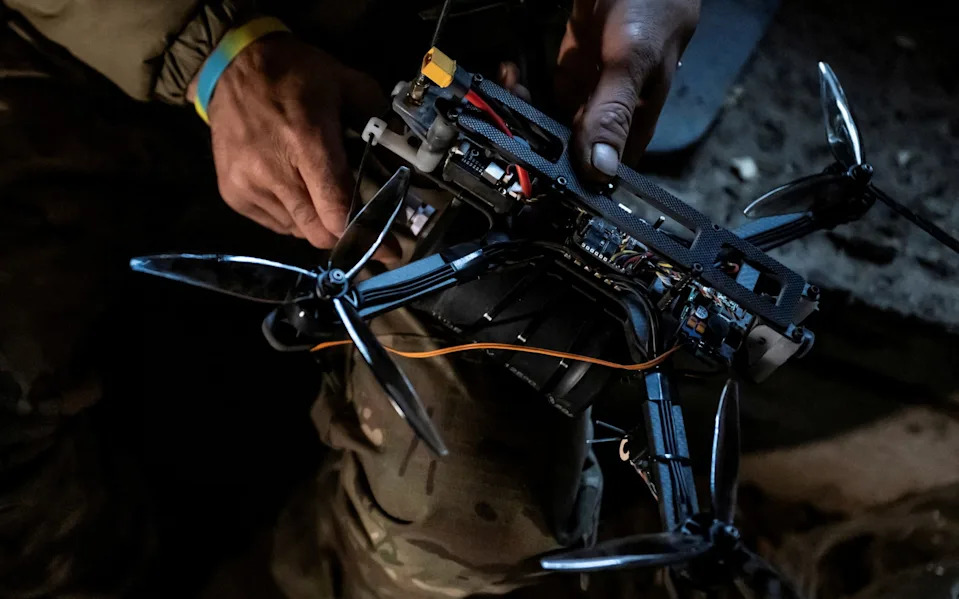
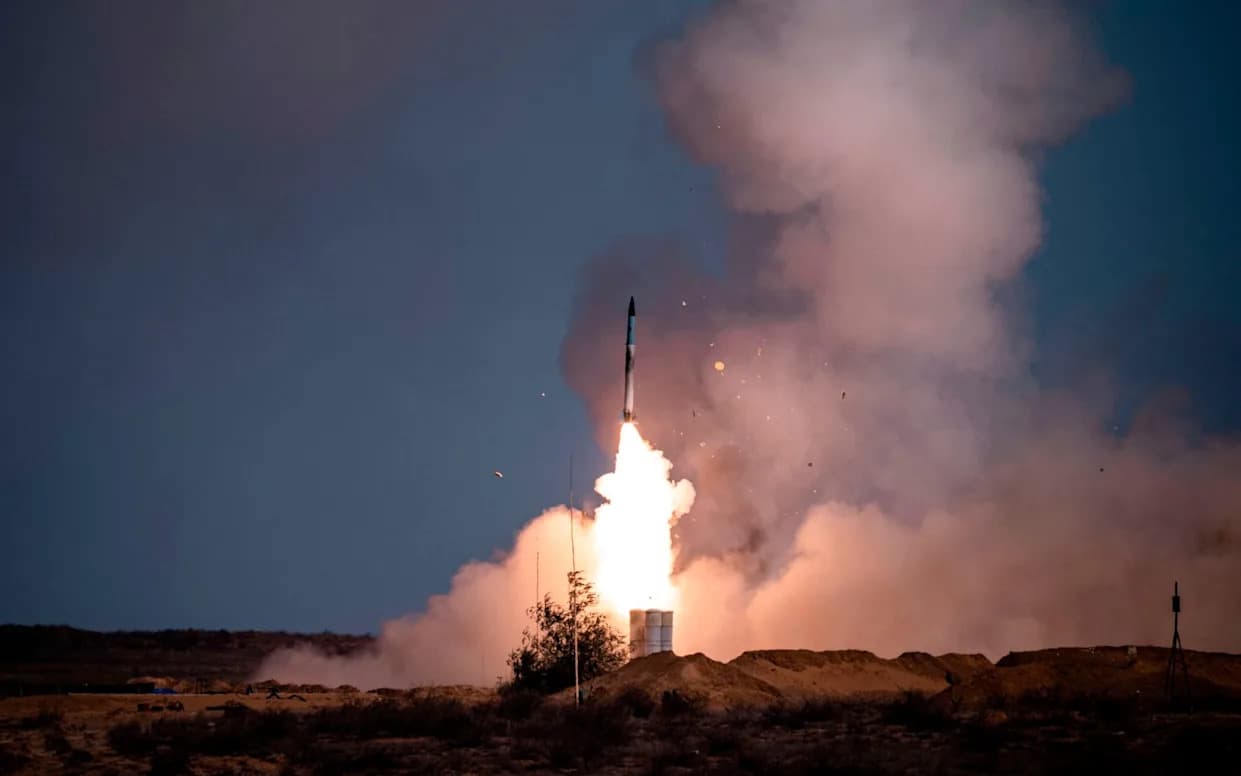
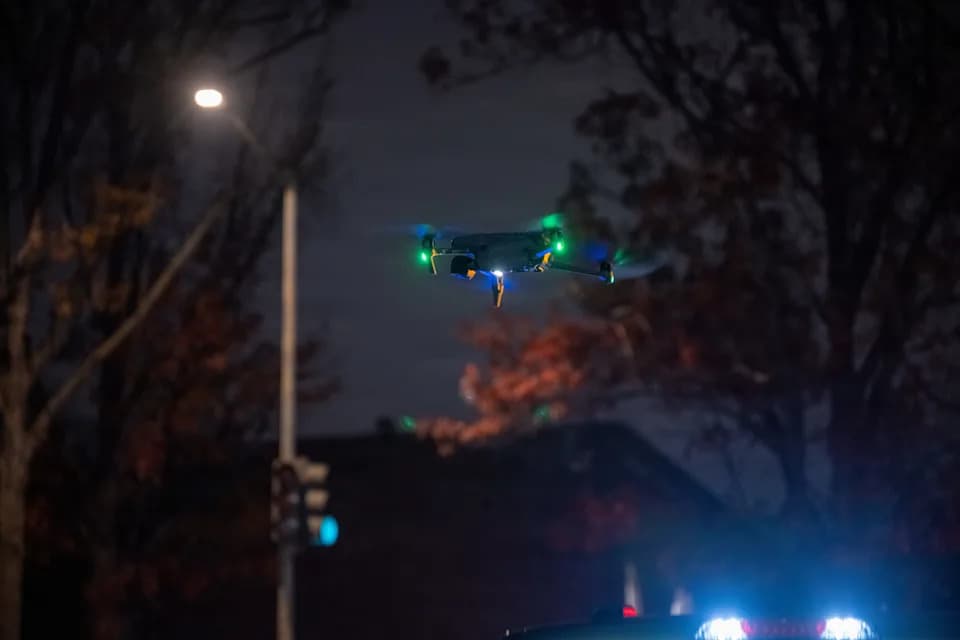
Drones have proved to be a relatively cheap but deadly tool to help Ukraine fight back against Russia’s helicopters, tanks and ships - Reuters
Recruitment, Culture and Social Media
Commanders say the leader board and polished strike videos on social platforms help attract recruits from younger, tech‑savvy generations. Units post edited footage set to music, build social media campaigns, and lean on gaming culture to make roles more appealing to people with civilian IT or gaming backgrounds.
Ethics, Limits and Command Concerns
Supporters argue the system is pragmatic: it improves efficiency, provides near real‑time data to refine weapons and tactics, and steers scarce equipment to the most effective units. Opponents warn the combination of remote killing, gamified points and instant public recognition can dehumanise combatants and encourage chasing high‑scoring targets rather than pursuing strategically important objectives.
“In war we need to fulfil tasks, not just chase points,” said Artem Bielenkov, chief of staff of the 412th (Nemesis). “The leader board doesn’t always show effectiveness, just intensity.”
Programme organisers say scores are regularly adjusted to reflect changing priorities — for example, raising points for captured prisoners to aid exchanges and lowering points for tanks as they become easier drone targets. Planners are also expanding the market to include more robotic logistics and naval drones.
At its best, the Army of Drones Bonus is designed to accelerate innovation, reward effective units and get advanced systems to the front quickly. At its worst, it risks encouraging behaviours that emphasize tallies over nuanced strategic results. Military leaders and developers continue to refine the system to address those tensions.
Help us improve.