The World Food Programme warns that a worsening malnutrition crisis is inflicting severe harm on Afghan women and children amid steep declines in donor support. WFP says five million women and children could face acute malnutrition in the next 12 months and nearly four million children will need treatment. Funding cuts—including the effective halving of a $600 million pledge—have forced clinics to close, leading to rising malnutrition among pregnant and breastfeeding women and desperate coping measures such as early marriage and child labour.
WFP Warns Malnutrition Crisis Is 'Harrowing' For Afghan Women and Children

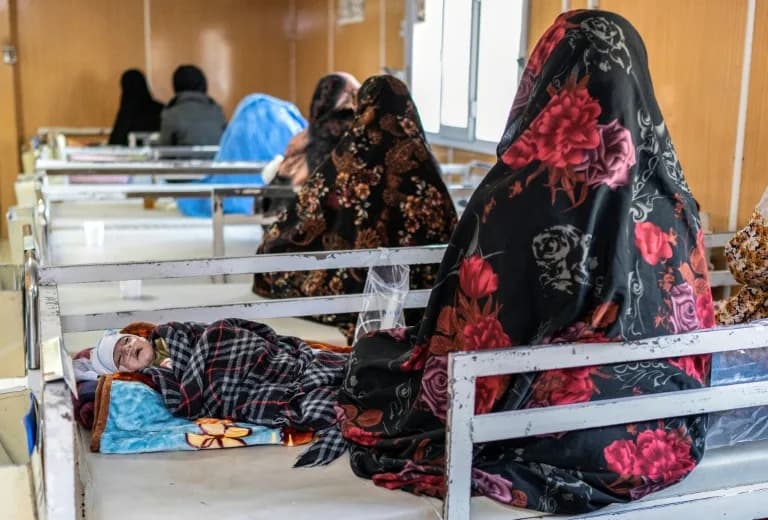
A worsening malnutrition crisis is having dire effects on women and girls in Afghanistan who are failed by the international community (Wakil KOHSAR)(Wakil KOHSAR/AFP/AFP)
The World Food Programme (WFP) is sounding the alarm about a deepening malnutrition emergency in Afghanistan that is having a devastating effect on women and children, the agency's country director John Aylieff told AFP.
The United Nations agency provides the majority of food assistance inside Afghanistan, which has been governed by Taliban authorities since 2021. Donor support, once "immensely generous" in 2021 and 2022, has been cut repeatedly—leaving vital programmes underfunded.
Stark Numbers and Immediate Needs
"In the next 12 months, five million women and children in this country will experience acute malnutrition, the life‑threatening type of malnutrition," Aylieff warned, noting Afghanistan's population exceeds 40 million. He added that nearly four million children will require treatment for malnutrition.
"If we can't treat children with malnutrition, those children are going to die. Clinics treating children with malnutrition are closing down," Aylieff said.
Impact of Funding Cuts
Aylieff said donor contributions have dwindled since 2022 and that the $600 million originally pledged to WFP for 2024 was effectively halved last year. The shortfall has forced WFP to scale back assistance and contributed to clinic closures that limit access to life‑saving treatment.
He described mothers who walk for four or five hours only to learn a clinic no longer has funds to treat their child: "This is heartbreaking."
Consequences For Women And Children
WFP has reported a dramatic rise in malnutrition among pregnant and breastfeeding women in 2025. Many women are sacrificing their own food so their children can eat, and others simply do not know how to cope as assistance dries up.
In areas where WFP assistance has stopped, families are resorting to desperate measures: girls are being pushed into early marriage, children are pulled out of school and sent to work, and aid agencies are receiving more distress calls from women — including calls in which people threaten suicide.
What This Means
The combination of political restrictions, reduced international funding, and a worsening food security situation has created a severe humanitarian emergency. WFP and other relief actors warn that without an urgent funding reversal and expanded access to care, mortality and long‑term harm to a generation of Afghan children and women will rise.
Source: Interview with John Aylieff, WFP Director for Afghanistan (AFP).
Help us improve.