Hitsats, a village in northern Tigray, is experiencing acute hunger and rising deaths after reductions in U.S. humanitarian funding and broader donor shortfalls. Local officials say aid deliveries are minimal, staff are unpaid, and burial sites are filling quickly, while agencies warn that humanitarian needs far exceed available resources. The federal government disputes claims of mass starvation, even as FEWS NET and relief groups estimate millions of Ethiopians require emergency food assistance. Observers say renewed funding, unimpeded access and transparent distribution are urgently needed to avoid further loss of life.
“A Matter Of Time”: Hitsats Faces Widespread Hunger And Death A Year After US Aid Cuts
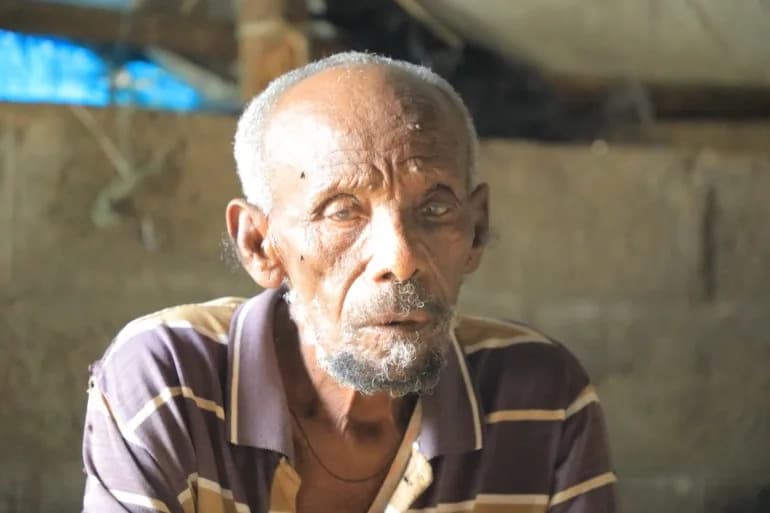
Nireayo Wubet, 88, and his community are struggling with a worsening hunger crisis and little humanitarian aid [Amanuel Gebremedhin Berhane/Al Jazeera]
Tigray, Ethiopia — In Hitsats, a small settlement near the Eritrean border, 88‑year‑old Nireayo Wubet spends his days digging graves for friends and relatives. As he mourns, he worries there may be no one left to bury him: acute hunger is ravaging large parts of his village.
Humanitarian Collapse And Local Suffering
Once a farmer in Humera, Wubet fled ethnic violence and conflict during the Tigray war that began in 2020. Although active fighting subsided in 2022, he — like many others — has not been able to return or rebuild his life. Hitsats now depends largely on humanitarian relief. But reductions in U.S. humanitarian funding and changes to USAID operations over the past year have contributed to sharp shortages in life‑saving aid.
“We have little humanitarian support. It’s not conflicts that will ultimately kill us, but famine,” the frail octogenarian said.
Humanitarian agencies report severe needs across Tigray: the World Food Programme (WFP) and other actors say as many as 80% of people in parts of the region require emergency assistance. Medical charity Doctors Without Borders (MSF) warned that recent U.S. aid cuts and wider funding shortfalls "upended global health and humanitarian programs" in 2025, with "catastrophic" consequences for vulnerable populations.
Wider Consequences Of Funding Shortfalls
MSF detailed knock‑on effects across the Horn of Africa — from interruptions in therapeutic milk shipments for malnourished children in Somalia, to gaps in maternity care in South Sudan and cancelled orders of post‑rape kits in the Democratic Republic of the Congo. In Ethiopia, a historic reduction in U.S. support has left gaps that other organisations struggle to fill.
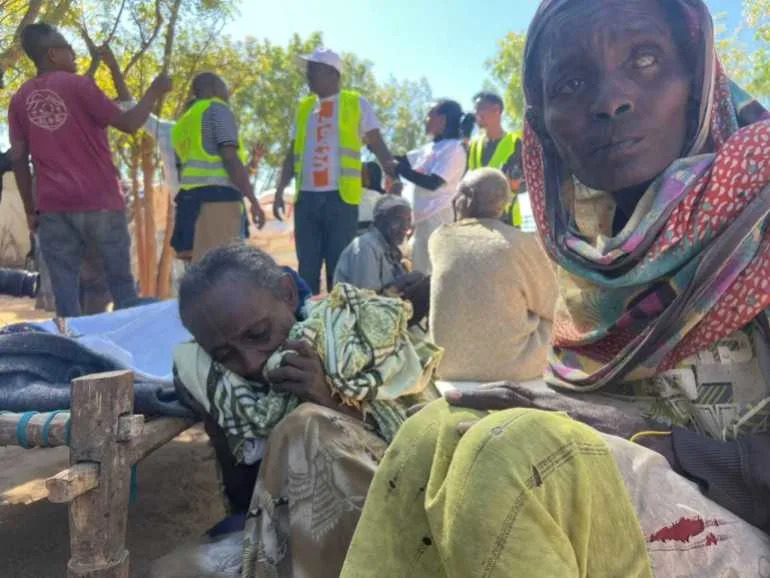
Most villagers say it has been a slow death as aid sharply declines in Hitsats [Samuel Getachew/Al Jazeera]
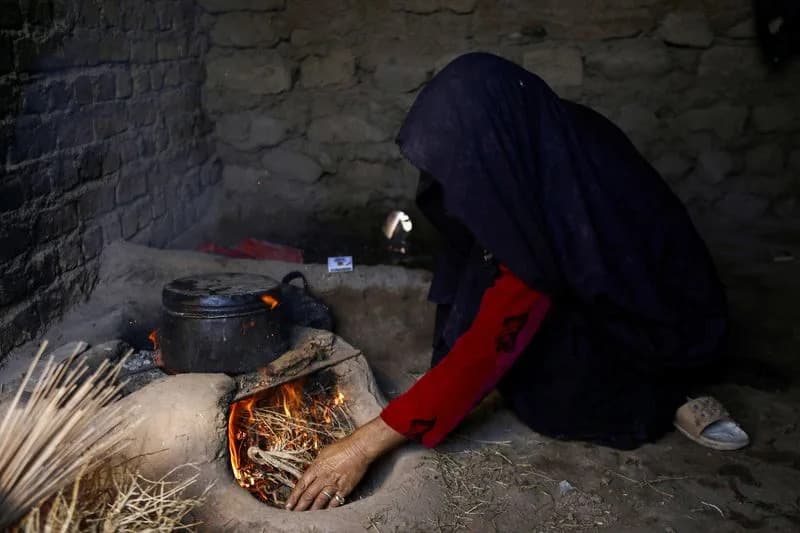
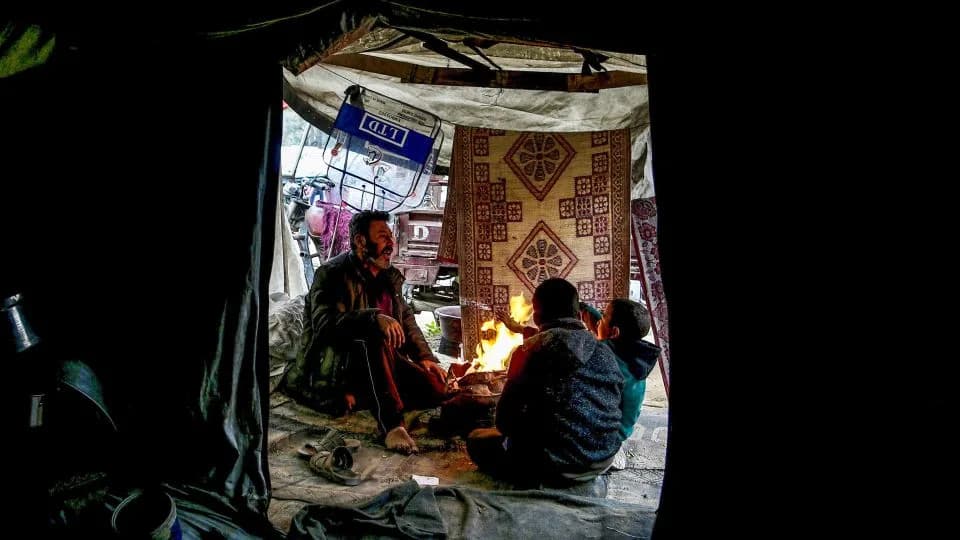
Local coordinators in Hitsats describe an escalating crisis: Abraha Mebrathu, who manages a government camp for roughly 1,700 internally displaced persons (IDPs), says humanitarian deliveries are minimal, many aid workers have gone unpaid for a year, and burial grounds are filling fast. “We have had little support, and the need is overwhelming,” he told Al Jazeera. Much land around Hitsats is not arable, leaving displaced people unable to grow food and increasingly reliant on scarce aid.
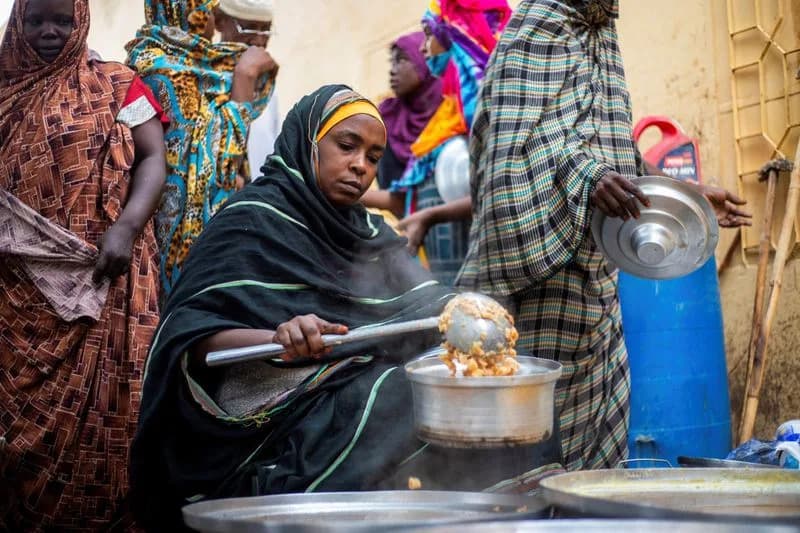
The closure of WFP’s office in nearby Shire over budget constraints has further worsened the situation for displaced populations, undermining food distribution networks that once provided regular relief.
Government Response And Local Initiatives
The federal government denies widespread starvation, saying it has distributed food aid and that Ethiopia is making progress toward food self‑sufficiency. Prime Minister Abiy Ahmed has stated publicly that people are not dying of hunger, while agencies such as the Famine Early Warning Systems Network (FEWS NET) estimate more than 15 million Ethiopians need emergency food assistance. The federal Disaster Risk Management Commission says it sent the equivalent of $1.8m in food to Tigray; regional officials deny receiving those supplies.
In some cities, online influencers and citizen groups attempted to raise funds and deliver aid directly to areas such as Hitsats. Federal authorities warned against independent distributions, saying official channels should be used; some fundraisers were halted amid fears of reprisals. Local volunteers say being prevented from delivering aid has been devastating: "We had the will and ability to save lives... and it hurts that we cannot do that," an organiser told reporters.
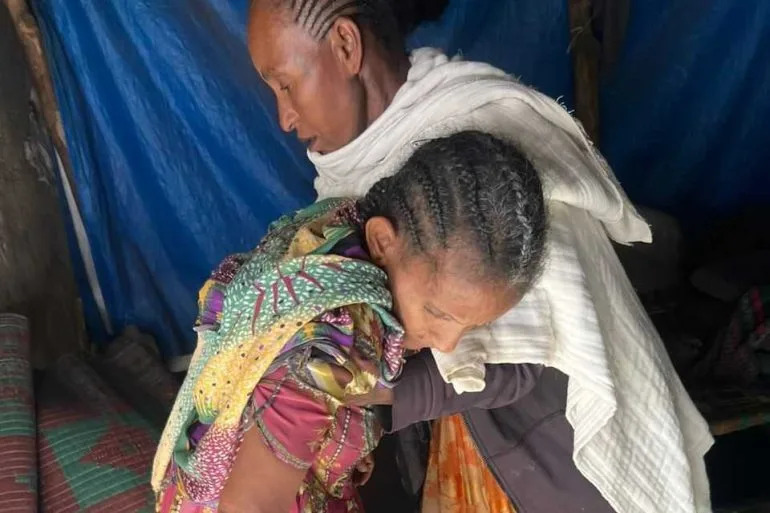
Chronically ill, Marta Tadesse believes hunger will ultimately kill her [Samuel Getachew/Al Jazeera]
Lives On The Brink
Residents recount harrowing daily realities. Almaz Gebrezedel, 71, scavenges leftovers from restaurants and queues for small donations; her neighbour Marta Tadesse, 67, bedridden with HIV, says her antiretroviral treatments previously came through PEPFAR but now reach her inconsistently. For many, food—not medicine—is the immediate priority.
Local faith leaders say burial plots are rapidly filling. "With so many residents dying constantly, mostly as a result of hunger, it’s obvious we will soon be running out of space," deacon Yonas Hagos said.
Wubet continues to bury neighbours who die of hunger and malnutrition. With aid cuts accelerating the crisis, he believes his own death is imminent: “It’s a matter of time before I am gone,” he says.
What Needs To Happen
Humanitarian agencies and regional authorities call for renewed and sustained funding, unimpeded access for aid deliveries, reliable staff payments and transparent distribution mechanisms. Without increased resources and coordination, residents of Hitsats and other hard‑hit communities face a deepening emergency that risks costing many more lives.
Help us improve.