Vietnam's leader To Lam pledged more than 10% annual economic growth through 2030 at the Communist Party congress, despite global pressures including natural disasters and supply-chain shocks. A party document reviewed by Reuters sets a minimum 10% annual growth target, a sharp rise from a missed 6.5%–7.0% goal earlier in the decade. Lam also pledged administrative reform, reduced red tape, deeper global trade ties and continued anti-corruption efforts, while critics warn accelerated infrastructure spending risks favoritism and waste.
Vietnam's To Lam Vows 10%+ Annual Growth Through 2030 Amid Global Strains
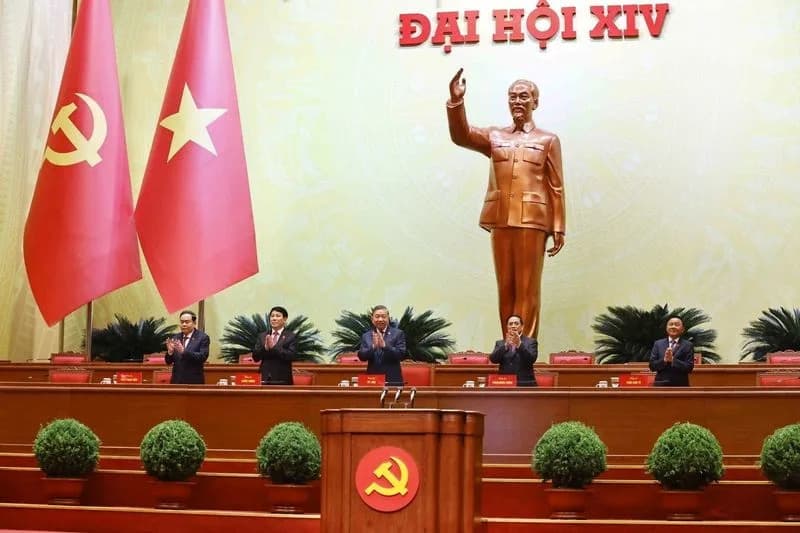
Vietnam's National Assembly Chairman Tran Thanh Man, President Luong Cuong, Communist Party General Secretary To Lam, Prime Minister Pham Minh Chinh and Permanent member of the Party Central Committee's Secretariat Tran Cam Tu attend a preparatory session for the 14th National Party Congress in Hanoi, Vietnam, January 19, 2026. VNA/Handout via REUTERS
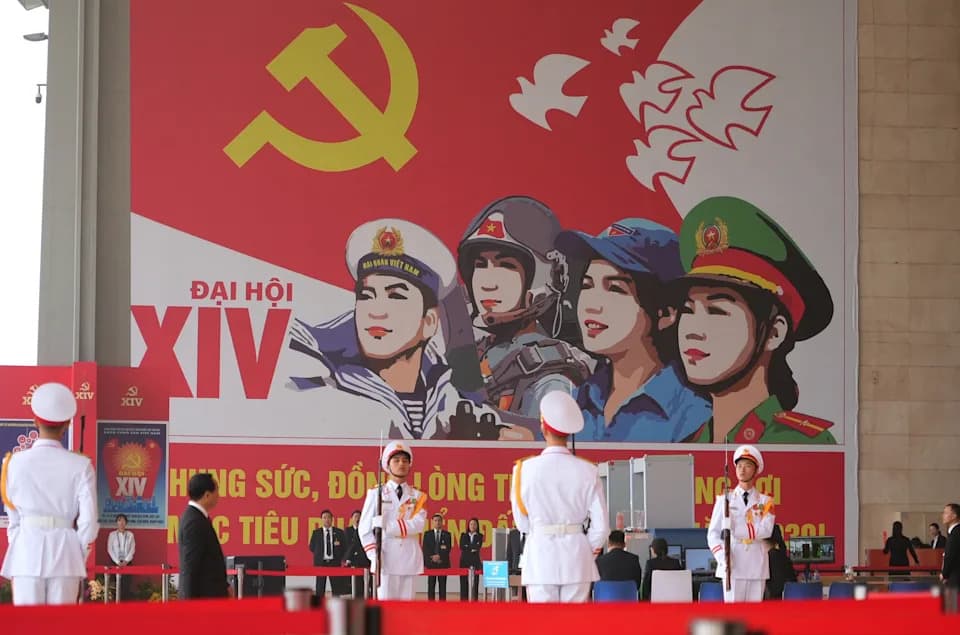
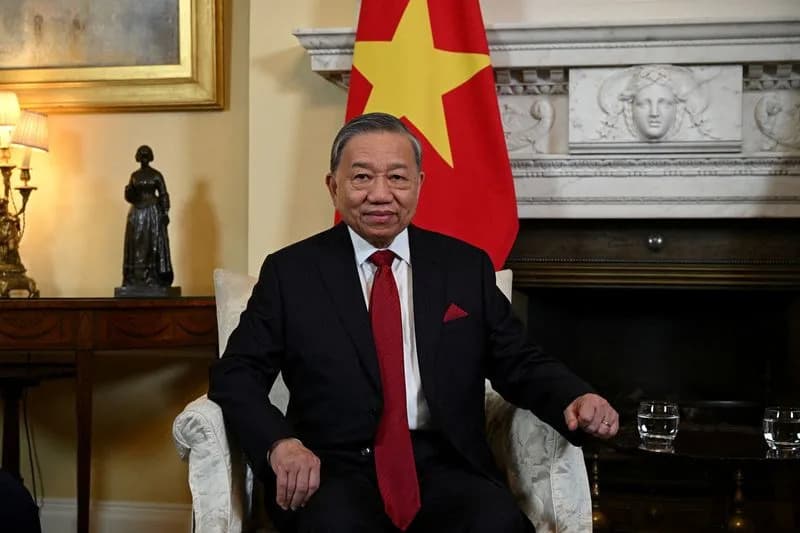
HANOI, Jan 20 — Vietnam's top leader, To Lam, pledged that the country will pursue sustained annual economic growth above 10% for the remainder of the decade, despite a string of global disruptions, as he addressed delegates at the Communist Party congress on Tuesday.
The week-long congress, which opened on Monday in Hanoi, will select the party chief — the nation's most powerful office — and set economic and policy targets through 2030.
Lam warned the gathering that Vietnam faces “many overlapping difficulties and challenges, from natural disasters, storms and floods to epidemics, security risks, fierce strategic competition, and major disruptions in energy and food supply chains.”
The former head of state security, who is seeking to remain party chief and may also assume the state presidency, pledged further public administration reforms after initiating what he described as the most significant bureaucratic overhaul in decades during his short time as party leader.
A party document submitted to the congress and reviewed by Reuters sets an annual growth target of no less than 10% until 2030 — a notable rise from an earlier missed target of 6.5%–7.0% for the first half of the decade.
Lam Wants Less Red Tape, More Infrastructure
Cutting bureaucracy and expanding global trade are central to Lam's plan. He said Hanoi will push to reduce administrative red tape and deepen trade ties to protect national interests and economic independence.
The 20% tariffs imposed on certain Vietnamese goods by the U.S. in August did not prevent exports to the United States from rising and contributed to a record trade surplus with Washington, Lam noted. Officials, however, expect the full effects of U.S. duties to become clearer in the coming months and say Vietnam will diversify trading partners.
Lam reiterated his commitment to anti-corruption work but acknowledged that the high-profile anti-bribery campaign launched under his predecessor, Nguyen Phu Trong, has eased somewhat as he expedited project approvals to accelerate growth.
“Infrastructure must be developed to adapt to climate change and ensure strong regional, inter-regional, and global connectivity,” Lam said, underscoring his administration's focus on large-scale projects.
Lam has overseen a surge in infrastructure spending that has helped support economic expansion, but critics warn the rush has increased risks of favoritism, waste and poor oversight.
(Reporting by Khanh Vu and Phuong Nguyen; Writing by Francesco Guarascio; Editing by Martin Petty)
Help us improve.