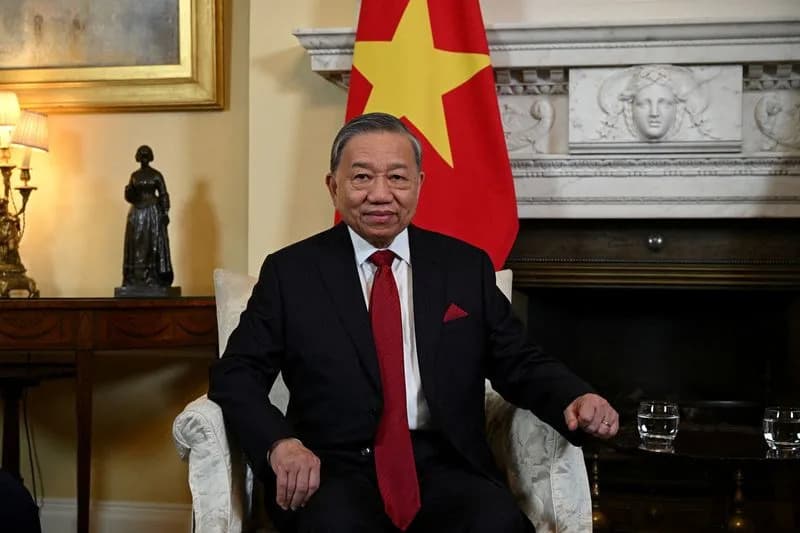
Vietnam's party leader To Lam pledged a renewed anti‑corruption drive as delegates convene at a rare twice‑a‑decade congress where he is pursuing expanded powers akin to China's dual party‑state model. In 17 months he has centralised authority, abolished ministries, cut about 150,000 state jobs and pushed major infrastructure projects while pursuing a campaign that has implicated thousands of officials. The congress of roughly 1,600 delegates will finalise leadership choices that could either entrench Lam’s security‑centred faction or preserve Vietnam’s collective leadership balance.
To Lam Vows Renewed Anti‑Corruption Drive as He Seeks Xi‑Style Consolidation of Power
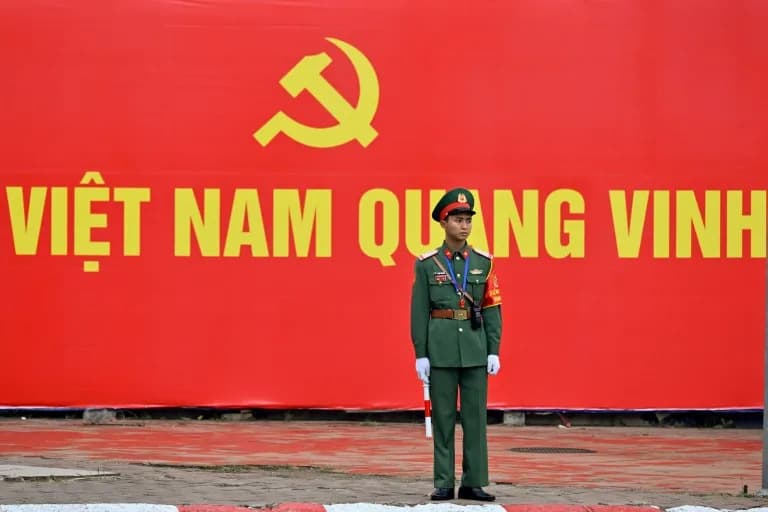
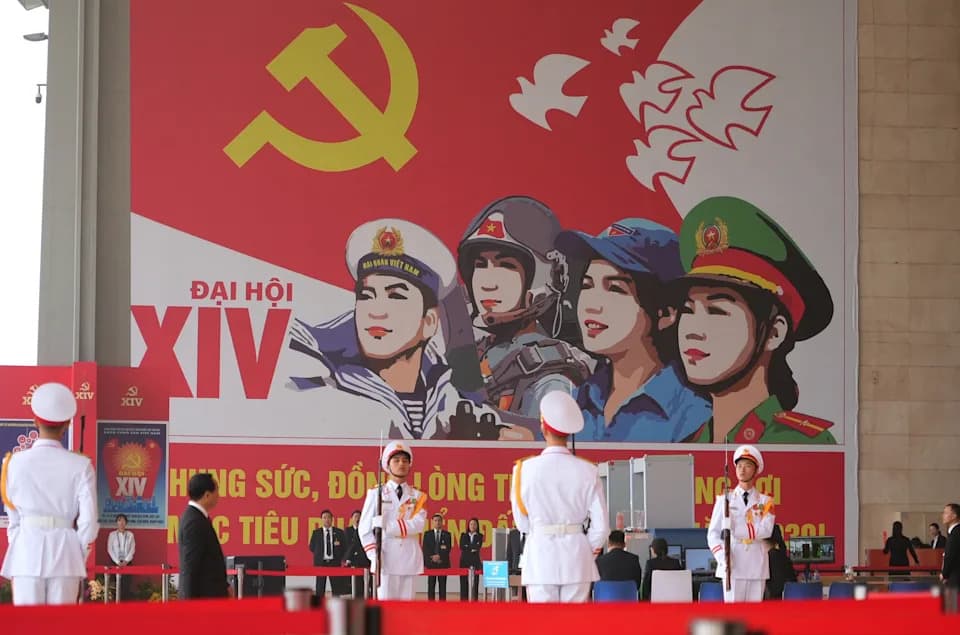
At Vietnam's Communist Party congress, key policies will be set and top positions will be decided (Nhac NGUYEN)(Nhac NGUYEN/AFP/AFP)
Vietnam's top leader, To Lam, pledged a renewed and intensified fight against corruption on Tuesday as delegates gather for a rare twice‑a‑decade Communist Party congress where he is seeking expanded authority similar to China's dual party‑state model.
Rapid Centralisation and Reform
In just 17 months as general secretary, To Lam has moved decisively to centralise power, sidelining rivals and driving an aggressive program of institutional reform that party insiders describe as a "revolution." He accelerated a sweeping anti‑corruption campaign that has ensnared thousands of officials, eliminated bureaucratic layers, and pushed major infrastructure projects.
Lam has abolished eight ministries or agencies and cut nearly 150,000 jobs from the state payroll while advancing ambitious rail and power initiatives. Those structural changes are presented as measures to streamline government and boost investment, but they have also concentrated authority in the hands of his security‑oriented faction.
Anti‑Corruption Rhetoric and Political Stakes
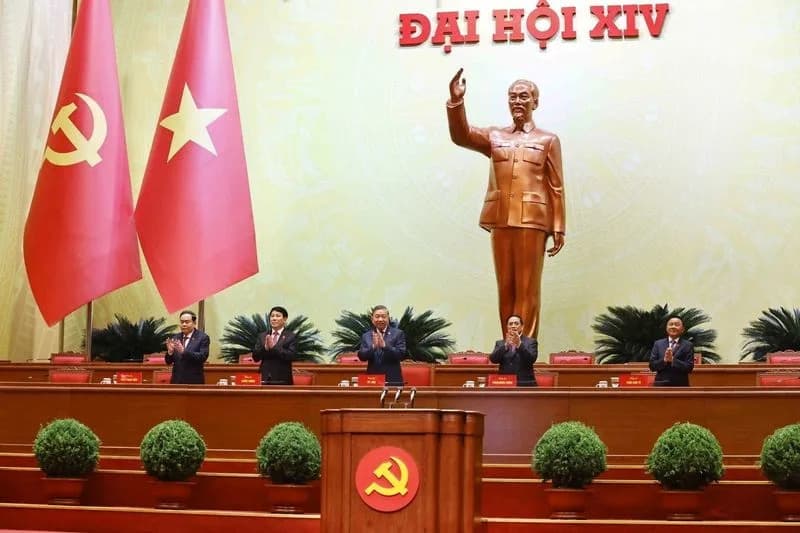
Standing beneath a large statue of party founder Ho Chi Minh, Lam told delegates the party was "determined to fight corruption" as it promotes private‑sector growth and vows to confront "wastefulness and negativity" in state institutions.
"All wrongdoings must be dealt with,"
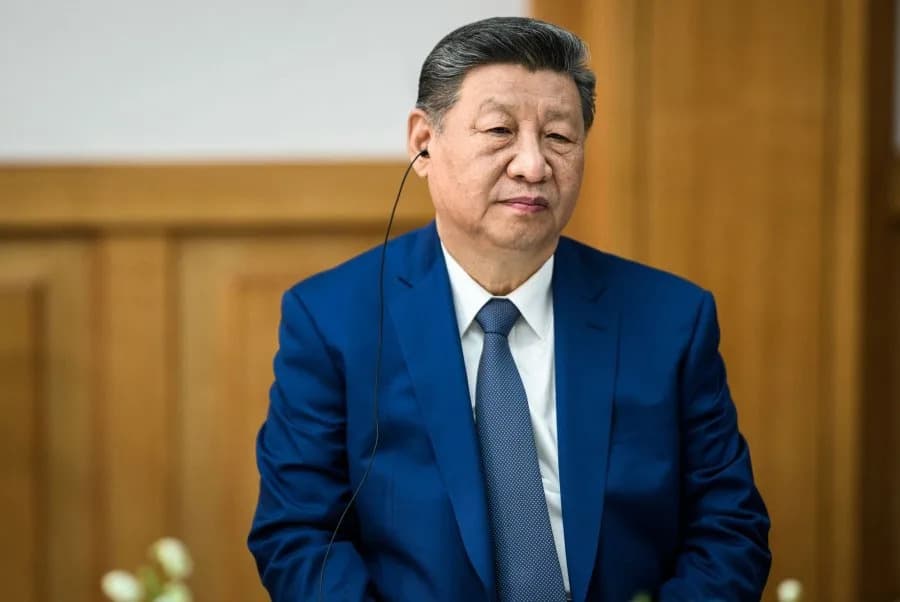
Analysts warn the campaign mirrors China’s anti‑corruption drive, which targeted "tigers and flies" and was used in part to sideline political opponents. If Lam secures both the party leadership and the presidency — a dual role like Xi Jinping’s in China — experts say it would signal a major shift away from Vietnam’s traditional collective leadership model.
Congress, Factions and the Outcome
Nearly 1,600 party delegates are meeting behind closed doors this week to finalise the country’s leadership for the next five years and set broad policy priorities. Sources briefed on internal deliberations say Lam will remain the party’s top leader and is seeking the presidency; one source said his bid had been provisionally approved, while other reports indicate he may have moderated timing to secure wider support.
Lam’s ultimate reach will depend on the composition of the politburo and top posts, particularly the balance with the conservative military faction that has opposed some of his moves. If confirmed in both roles, observers say Lam would hold the strongest consolidated mandate since the end of the Vietnam War.
Economic and Geopolitical Context
Vietnam, a one‑party state of about 100 million people, remains an economic bright spot in Southeast Asia. Despite new 20% tariffs imposed by the United States under Donald Trump, the economy grew 8.0% last year — among the fastest rates in Asia. Lam has called for science, technology, innovation and digital transformation to become the economy’s key drivers as Vietnam seeks to move up the value chain and reach upper‑middle‑income status by the end of the decade.
But the country faces a delicate balancing act between its largest export market, the US, and its main supplier, China. Those geopolitical pressures and supply‑chain disruptions are shaping Hanoi’s economic and strategic choices.
Rights and Governance Concerns
The ruling party tolerates little dissent: Human Rights Watch reports more than 160 critics are currently imprisoned. Unlike China or North Korea today, Vietnam has historically operated a collective leadership system built around multiple state and party pillars — the party chief, president, prime minister and National Assembly chair — with an additional internal party post added last year. A successful bid by Lam for both top positions would mark an unprecedented consolidation via a party congress rather than succession after a death in office.
Former US ambassador to Vietnam Daniel Kritenbrink expects the congress to reaffirm Lam’s "leading if not dominant role" and to endorse the policy direction he has outlined over the past year.
Key takeaway: The congress will determine whether Vietnam continues toward stronger centralised leadership under To Lam — with accelerated anti‑corruption efforts and structural reforms — or reasserts a more plural collective leadership shaped by competing factions.
Help us improve.