North Korean leader Kim Jong Un has dismissed Vice Premier Yang Sung Ho after state media blamed him for mismanagement during a modernization project at the Ryongsong Machine Complex. KCNA said the project incurred significant economic losses and wasted funds and labor, increasing pressure on the munitions sector. The public firing appears tied to efforts to tighten discipline ahead of the upcoming Workers’ Party congress. Analysts note that structural constraints and sanctions still limit North Korea’s prospects for rapid economic growth despite a reported 3.7% expansion in 2024.
Kim Jong Un Ousts Vice Premier Over Costly Factory Modernization Failures
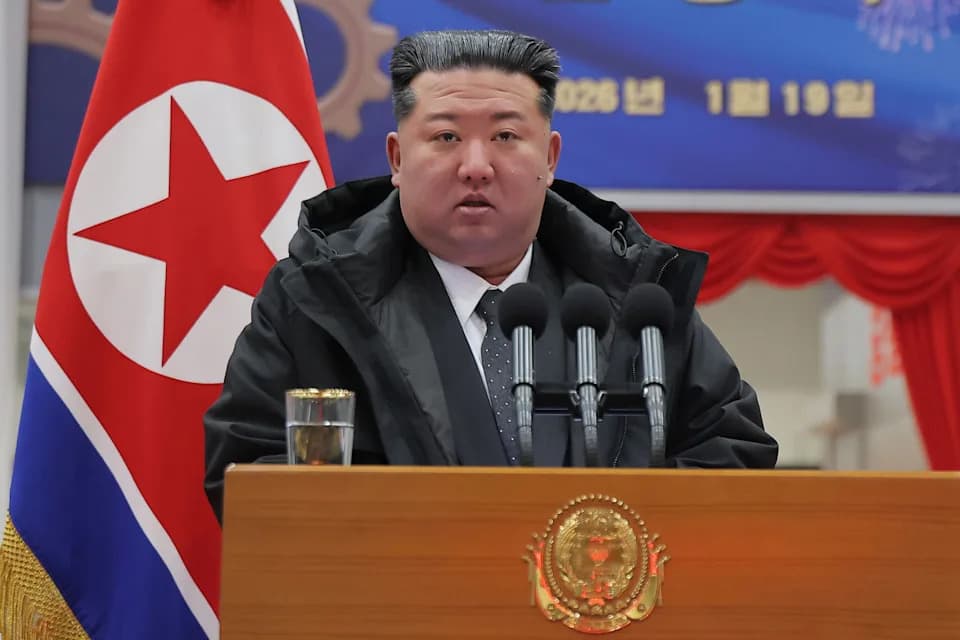
In this photo provided by the North Korean government, North Korean leader Kim Jong Un delivers a speech during a ceremony marking the completion of a first-stage modernization project at the Ryongsong Machine Complex in North Korea Monday, Jan. 19, 2026. Independent journalists were not given access to cover the event depicted in this image distributed by the North Korean government. The content of this image is as provided and cannot be independently verified. (Korean Central News Agency/Korea News Service via AP)(ASSOCIATED PRESS)
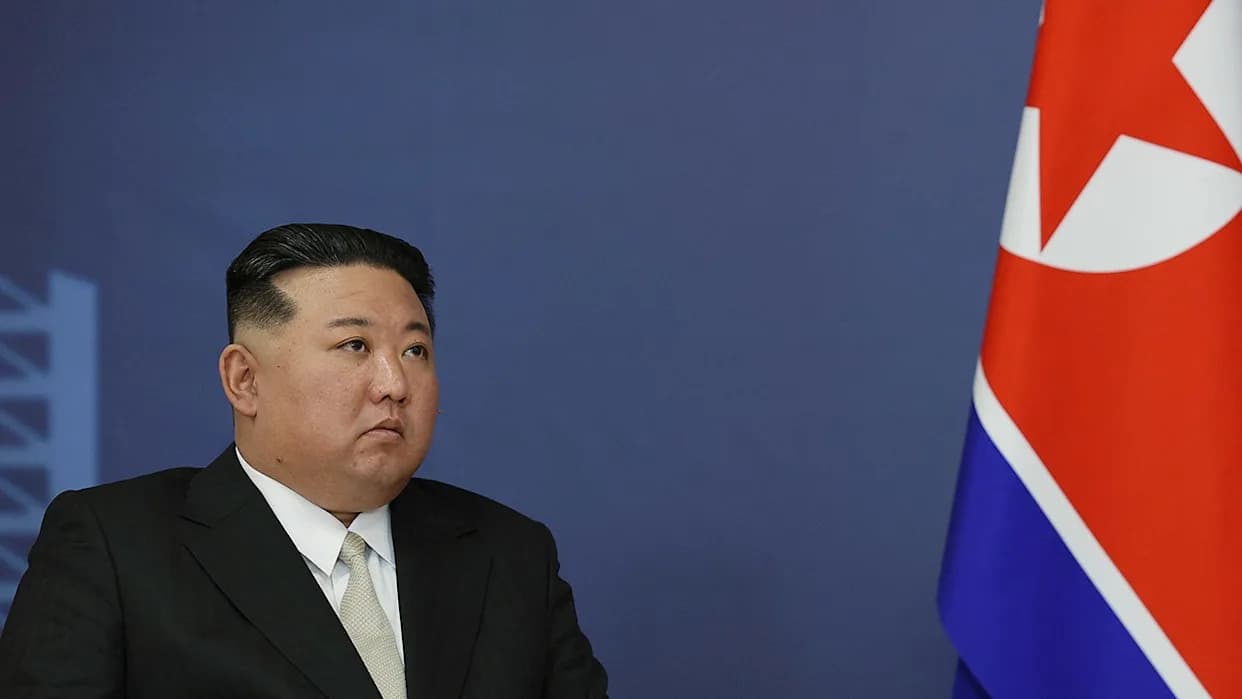
SEOUL, South Korea (AP) — North Korean leader Kim Jong Un has dismissed Vice Premier Yang Sung Ho, who oversaw the country’s machine-building industry, following what state media described as serious mismanagement during a factory modernization project.
Blame for Ryongsong Modernization
The Korean Central News Agency (KCNA) reported that Kim accused Yang of causing “unnecessary man-made confusion” at the Ryongsong Machine Complex, a major industrial site in the country’s northeast. Kim said the first-stage modernization project suffered “not a small amount of economic loss” because of irresponsible and incompetent officials, adding that the authorities wasted “large amounts of funds and labor.”
“As of today, I declare you dismissed, comrade vice premier,” KCNA quoted Kim as saying.
Political Discipline Ahead Of Party Congress
KCNA said Kim had criticized Yang at a party meeting in December and closely monitored his performance before concluding that Yang showed no sense of responsibility. Observers say the public dismissal fits a pattern in which Kim publicly rebukes or removes senior officials to restore discipline and signal accountability ahead of major political events.
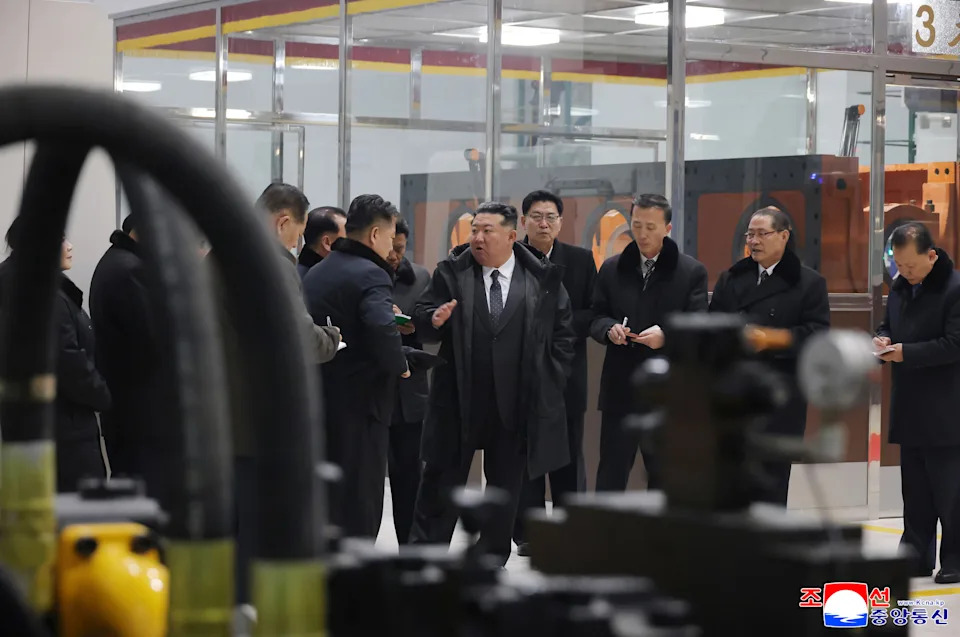
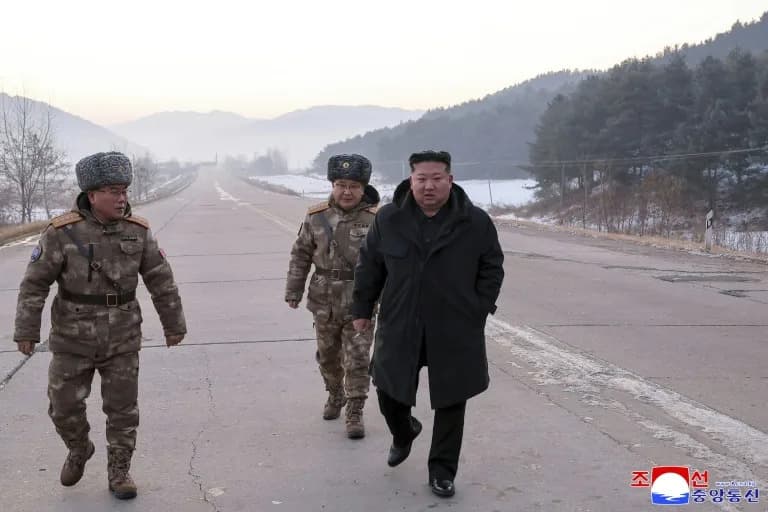
In this photo provided by the North Korean government, North Korean leader Kim Jong Un, center, visits the Ryongsong Machine Complex in North Korea Monday, Jan. 19, 2026. Independent journalists were not given access to cover the event depicted in this image distributed by the North Korean government. The content of this image is as provided and cannot be independently verified. Korean language watermark on image as provided by source reads: "KCNA" which is the abbreviation for Korean Central News Agency. (Korean Central News Agency/Korea News Service via AP)(ASSOCIATED PRESS)
The move comes ahead of the ruling Workers’ Party congress — the first in five years — which South Korea’s intelligence service says is likely to open in late January or February. Analysts view such personnel changes as part of preparations to set new economic and state priorities at the congress.
Economic Context
North Korea’s economy suffered major setbacks during the COVID-19 pandemic. South Korea’s central bank estimated growth of about 3.7% in 2024, but many analysts warn that sustained rapid expansion is unlikely. They cite continued resource prioritization for weapons programs, an inefficient and highly centralized economy, and persistent international sanctions as constraints on broad economic recovery.
KCNA’s account underscores Pyongyang’s focus on tighter managerial discipline in industrial sectors — particularly where failures can affect defense-related production or public perceptions of economic competence.
Help us improve.