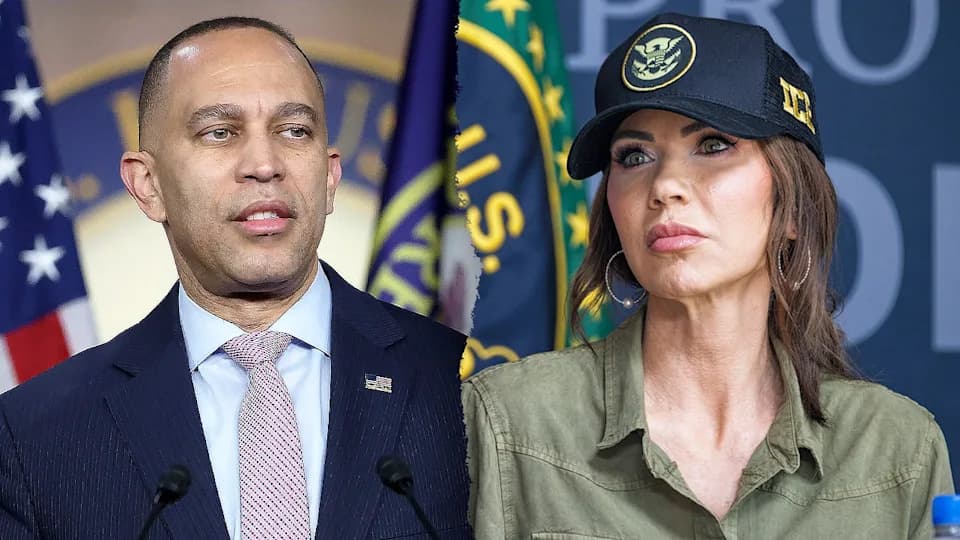
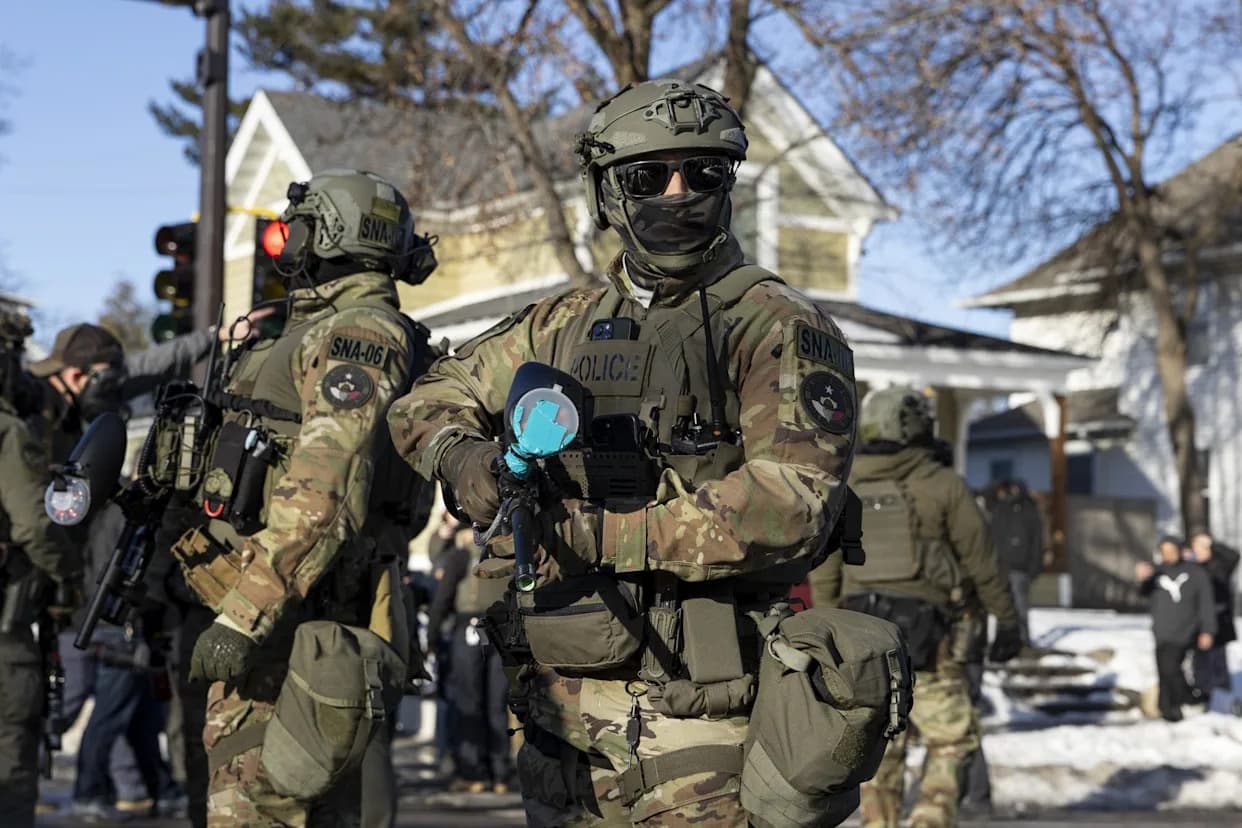
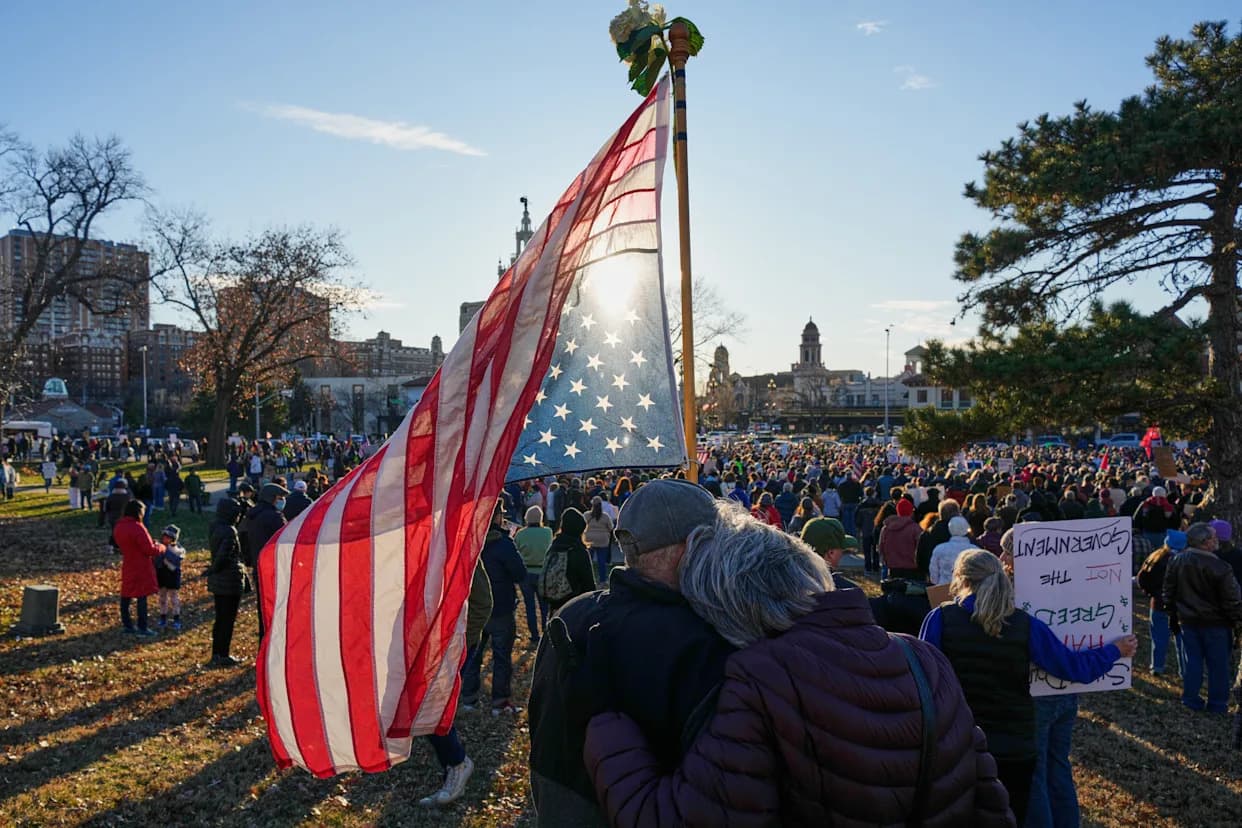
The fatal shooting of Renee Good by an ICE officer in Minneapolis has intensified Democratic demands for ICE reforms and is complicating bipartisan appropriations talks ahead of the Jan. 30 funding deadline. Lawmakers are debating operational limits, increased accountability and even temporary suspension of ICE activity in Minnesota, while leaders try to keep spending negotiations separate to avoid a shutdown. Senate floor time consumed by a Venezuela war-powers resolution and a short recess add further scheduling pressure.
Minneapolis ICE Shooting Raises Risk Of Partial Government Shutdown As Appropriations Talks Strain
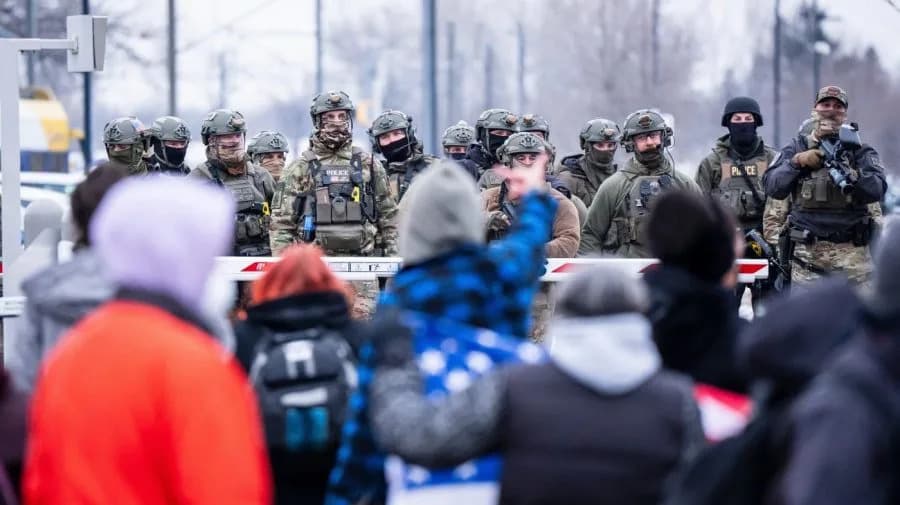
Minnesota ICE shooting raises chances for partial government shutdown
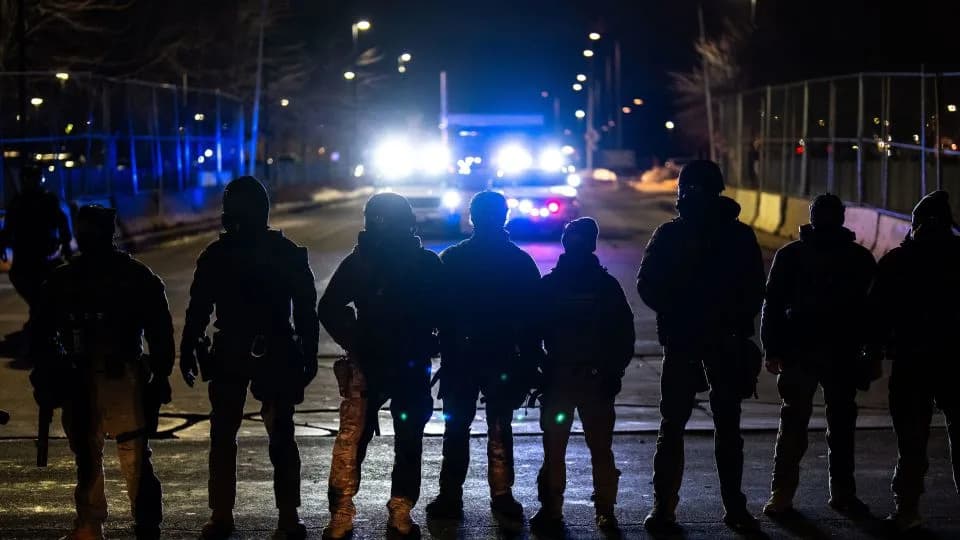
The fatal shooting of 37-year-old Renee Good by a U.S. Immigration and Customs Enforcement (ICE) officer in Minneapolis has injected new volatility into fragile negotiations over federal spending that must be resolved later this month. Lawmakers on both sides of the aisle now face pressure to reconcile urgent calls for ICE reforms with a looming Jan. 30 funding deadline.
Background and Immediate Fallout
House appropriators have passed six of the 12 fiscal 2026 spending bills, and negotiators were close to a bipartisan compromise on the remainder. Those outstanding measures were expected to move as two larger packages in the coming weeks, with Department of Homeland Security (DHS) funding set to be bundled with Defense, housing and transportation funds.
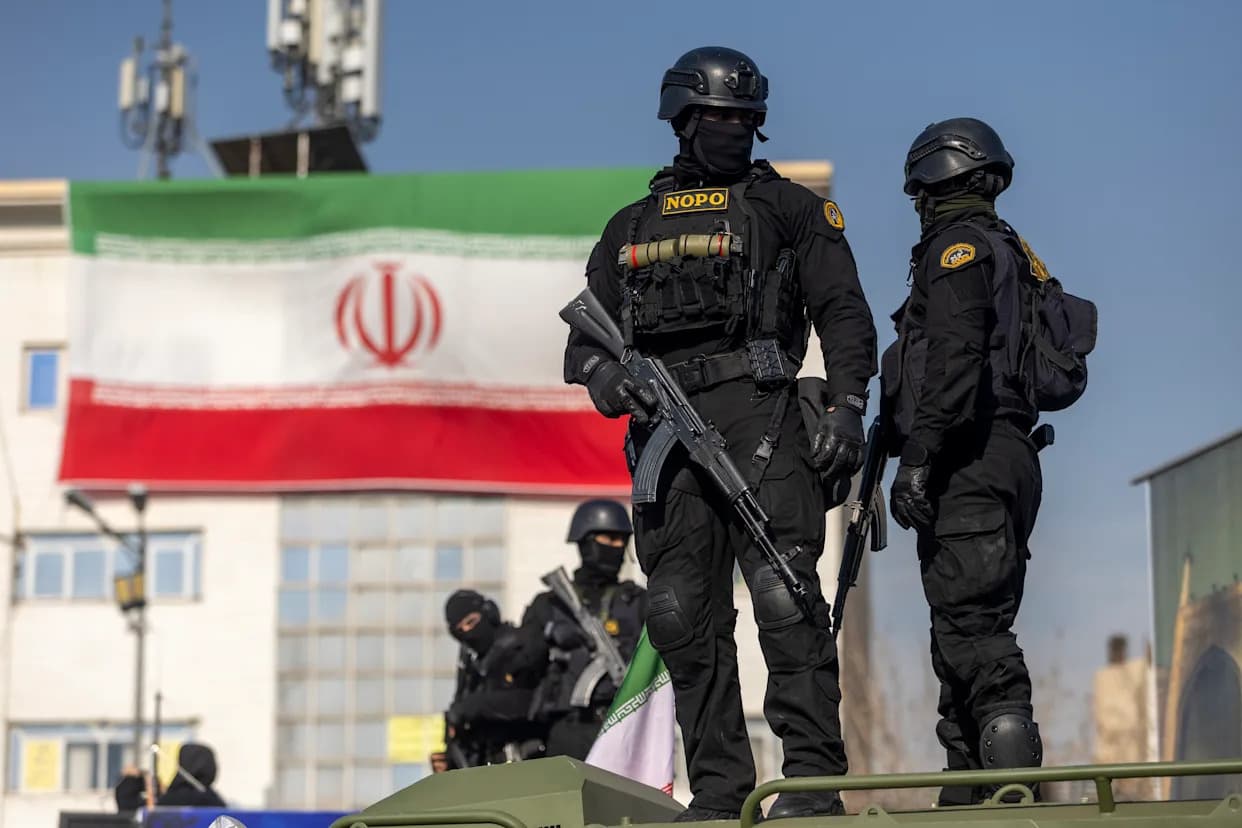
But Good’s killing has galvanized Democrats in both chambers. Some members are threatening to withhold support for DHS funding unless the department accepts reforms aimed at curbing what they describe as unlawful or dangerous ICE tactics.
“There are a lot of Democrats who want to see safeguards put on what ICE is doing,” a House Democrat said, requesting anonymity to discuss the party’s evolving strategy.
Proposed Restrictions And Accountability Measures
Sen. Chris Murphy (D-Conn.), an appropriator, has led calls for a package of constraints that would tighten oversight and operational rules for ICE and Border Patrol. Proposals under discussion include:
- Banning face coverings during enforcement operations
- Requiring officers to produce warrants before certain arrests
- Requiring Border Patrol agents to remain deployed at the border
- Easing avenues for civil and criminal accountability of law-enforcement personnel accused of wrongdoing
- Temporarily suspending ICE operations in Minnesota pending investigation
Progressive voices are pushing deeper reforms. Rep. Joaquin Castro (D-Texas) said ICE has “gone rogue” under the current administration and called for a fundamental rethinking of federal immigration enforcement.
Political Implications And Leadership Response
Top appropriators and congressional leaders are trying to isolate the spending process from these broader fights to avoid another government shutdown. Rep. Rosa DeLauro (D-Conn.), the senior Democrat on the House Appropriations Committee, urged colleagues to stay focused on finalizing appropriations that fund government services.
But several rank-and-file Democrats have signaled they could use the DHS appropriations bill as leverage. Sen. Chris Van Hollen (D-Md.) said he would not vote to fund current ICE operations and warned the administration should not expect a "blank check." Sen. Jeanne Shaheen (D-N.H.) suggested there are alternative approaches to immigration enforcement that could be pursued.
Republicans contend appropriations is the wrong vehicle to target ICE. Sen. Katie Britt (R-Ala.), a member of the Appropriations panel, emphasized the many other DHS components—such as the Coast Guard, FEMA and TSA—that depend on timely funding and argued enforcement oversight typically belongs to Judiciary committees.
Legislative Timing Threatens Progress
Complicating the path forward is Senate floor time. The upper chamber planned to take up a three-bill “minibus” the House approved, but must first finish work on a Venezuela war-powers resolution that will consume significant floor time, including procedural votes, extended debate and a limited vote-a-rama on amendments. The Senate is also scheduled for a short recess for the Martin Luther King Jr. holiday, reducing available days to act.
Senate Majority Leader John Thune (R-S.D.) expressed optimism the minibus could still clear the Senate this week, saying, “Funding will get done this week, yes.” Yet lawmakers acknowledge the combination of policy fights and tight timing makes the outcome uncertain.
Outlook
Whether Democrats press hard enough to imperil year-end funding remains an open question. Many express reluctance to risk another shutdown after last year’s 43-day impasse. Still, lawmakers say the administration must be willing to negotiate reforms if Congress is to provide full funding for DHS operations.
Reporting based on available statements and floor schedules. Copyright 2026 Nexstar Media, Inc. All rights reserved.
Help us improve.