Ptilotus senarius, a slender shrub last recorded in 1967 and once considered “Presumed Extinct,” was rediscovered in northern Queensland after 58 years. Horticulturist Aaron Bean uploaded photos to iNaturalist in June 2025, and the community and expert identifiers confirmed the identification. The discovery, published in the Australian Journal of Botany, underscores iNaturalist’s fast global reach and value for monitoring rare species, especially on private land.
Presumed-Extinct Shrub Ptilotus senarius Rediscovered In Northern Queensland After 58 Years
Plant species that was presumed to be extinct reappears after nearly six decades
A slender shrub thought to have been lost to science has reappeared: Ptilotus senarius — a member of the Amaranthaceae family last recorded in 1967 — was rediscovered in northern Queensland after 58 years, with the identification confirmed through the community science app iNaturalist.
Background: Ptilotus senarius was previously known only from older collections and was long absent from modern records. Because no contemporary specimen was available and cattle grazing affected its known habitat for decades, botanists had proposed listing the species as “Presumed Extinct.” The species had been associated with the arid regions of Western Australia in historical records, so its appearance in Queensland is unexpected and noteworthy.
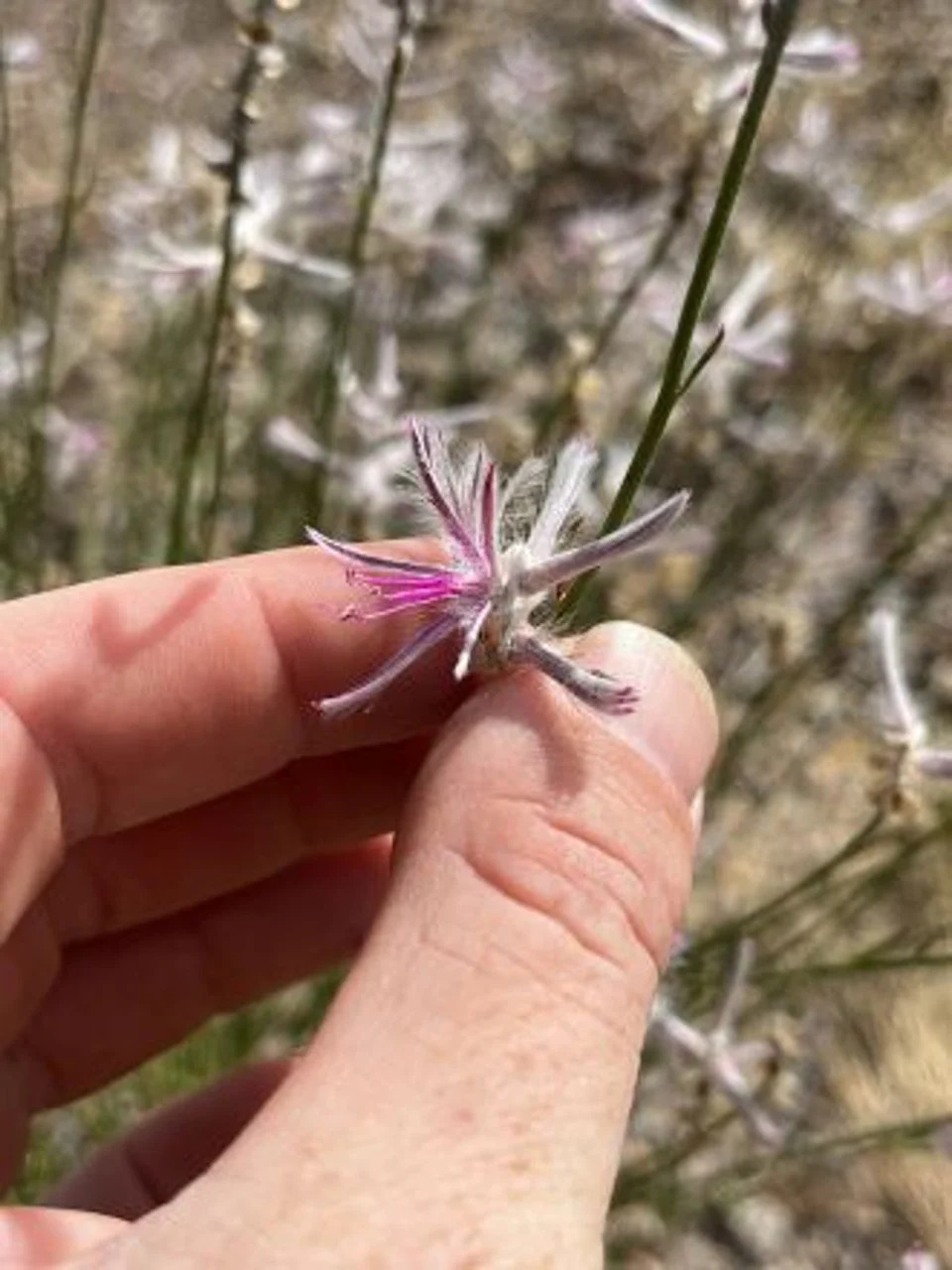
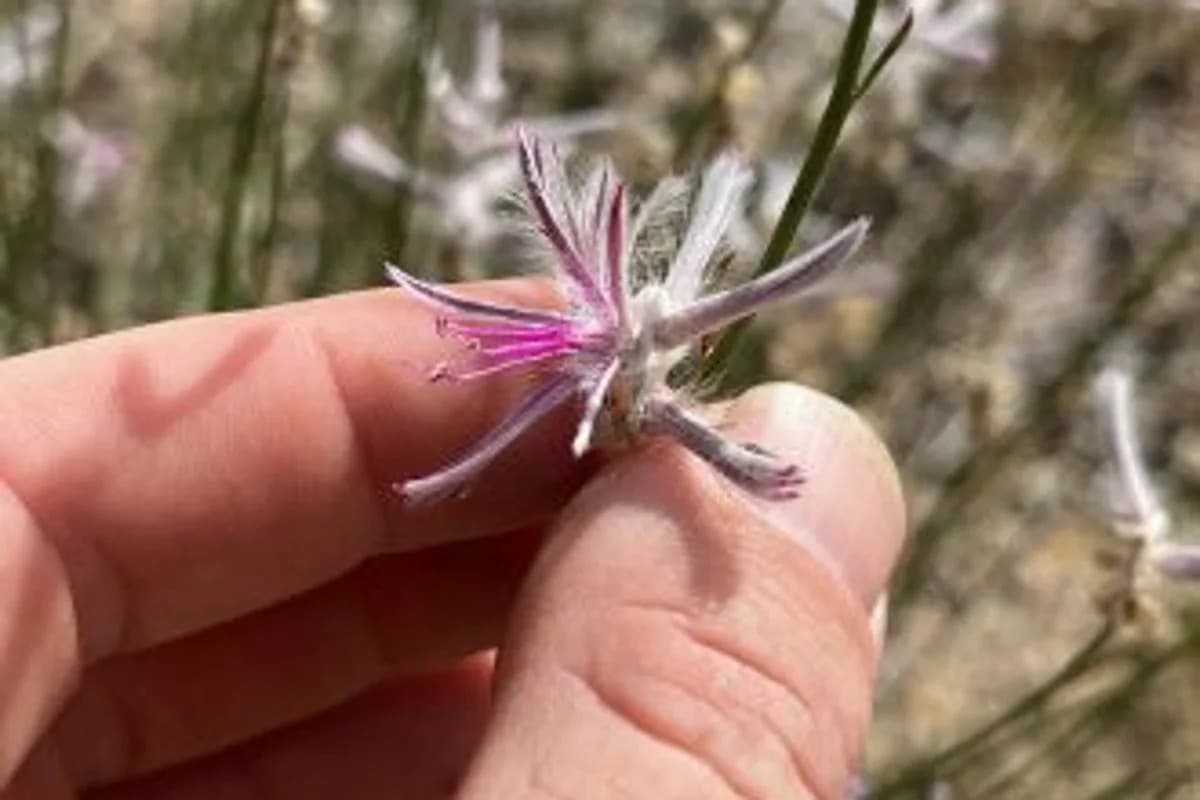
Closeup of rediscovered plant's flower (Aaron Bean/iNaturalist)
The Rediscovery: In June 2025, horticulturist Aaron Bean photographed an unfamiliar plant on private land in the Gilbert River region of northern Queensland and uploaded the images to iNaturalist. Enthusiasts and expert identifiers on the platform quickly recognized the plant as Ptilotus senarius, leading to community confirmation and subsequent documentation.
“We report the rediscovery of Ptilotus senarius AR Bean in northern Queensland, Australia, through the citizen science platform iNaturalist, 58 years after the last collection, and present photographs of the species,” the authors wrote in the Australian Journal of Botany.
The research team has not disclosed the exact location because the population occurs on private property, and protecting sensitive plant localities from disturbance is standard conservation practice.
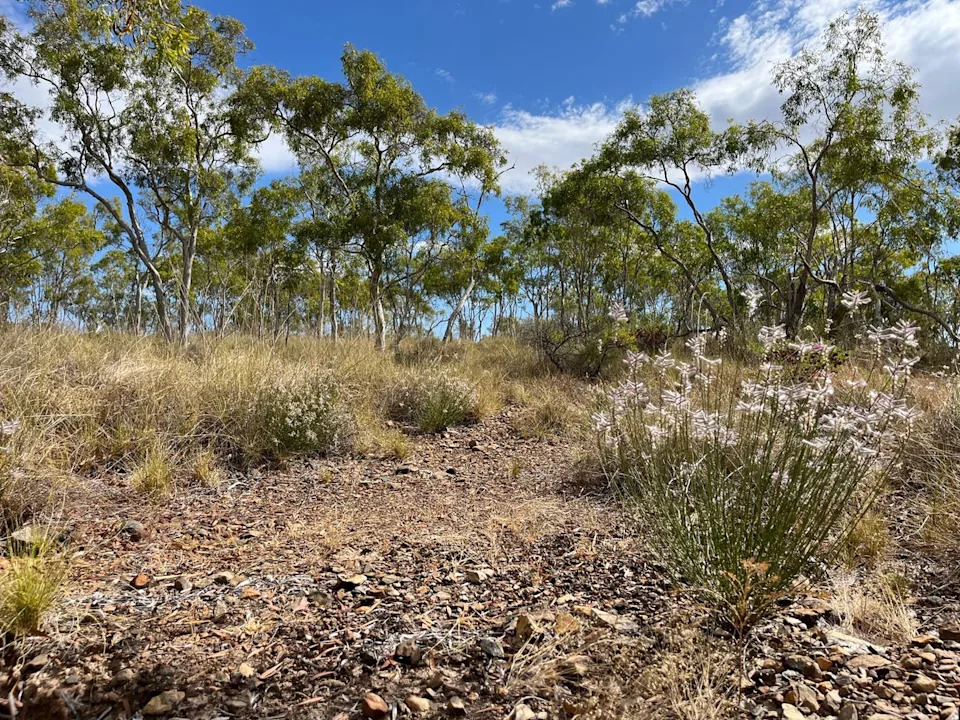
Rediscovered shrub (Aaron Bean/inaturalist.org/observations/288434421)
Why iNaturalist Made a Difference
According to the study, iNaturalist’s fast, global network of users and experts played a central role. By July 2025 the platform hosted more than 104 million verifiable photographic plant vouchers covering over 175,000 species. A single uploaded observation — if the observer has an internet connection — can be visible to the international community within 15–20 seconds, enabling rapid expert input and follow-up.
Researchers noted that iNaturalist is especially powerful for detecting rare or long-unseen species because it captures observations from remote or privately owned land that professional teams may rarely visit.
Conservation Implications
Lead author Thomas Mesaglio of the University of New South Wales said the rediscovery creates opportunities for targeted surveys, population monitoring, and better understanding of where and how the species persists across the landscape. The find also illustrates how combining on-the-ground observers with digital platforms can accelerate biodiversity discovery and conservation planning.
Significance: Beyond restoring a species to the list of living plants, this rediscovery highlights how community-driven tools are transforming botanical research and helping scientists and landholders work together to protect vulnerable species.
Help us improve.