Turkey describes a U.S.-mediated agreement between Damascus and Kurdish authorities as an "historic turning point" and says its intelligence agency helped ensure restraint ahead of the pact. The deal integrates Kurdish civilian and military bodies into central government structures after days of clashes in which Syrian forces seized territory and oil fields. Turkish sources stressed that the campaign against Islamic State will continue unchanged, and Ankara views the move as relevant to its anti‑terrorism and PKK-related objectives.
Turkey Calls Syria–Kurdish Integration Deal a “Historic Turning Point” — Intelligence Played Key Role
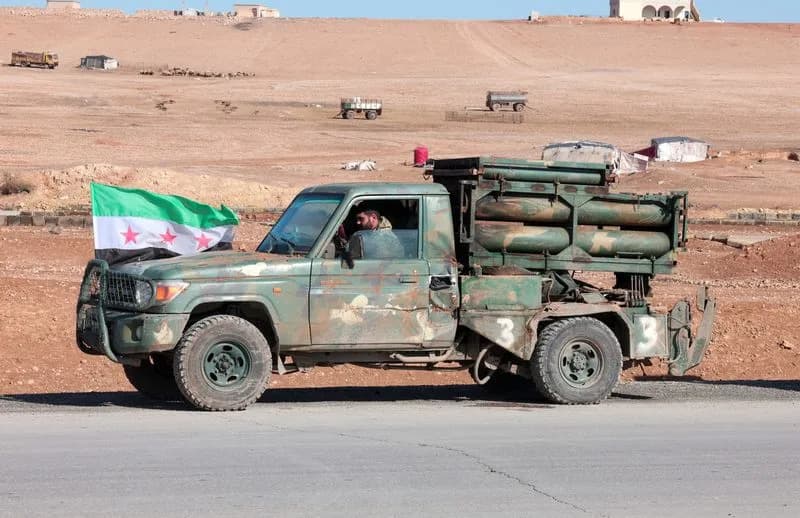
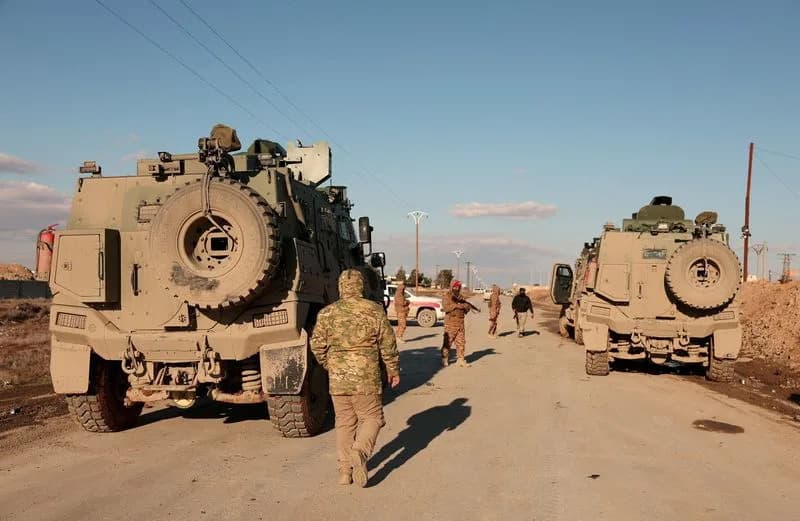
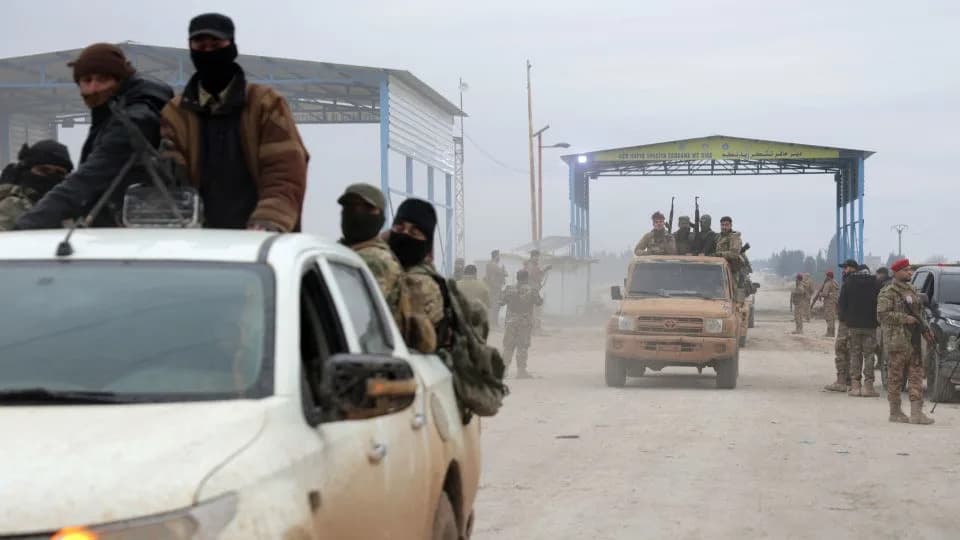
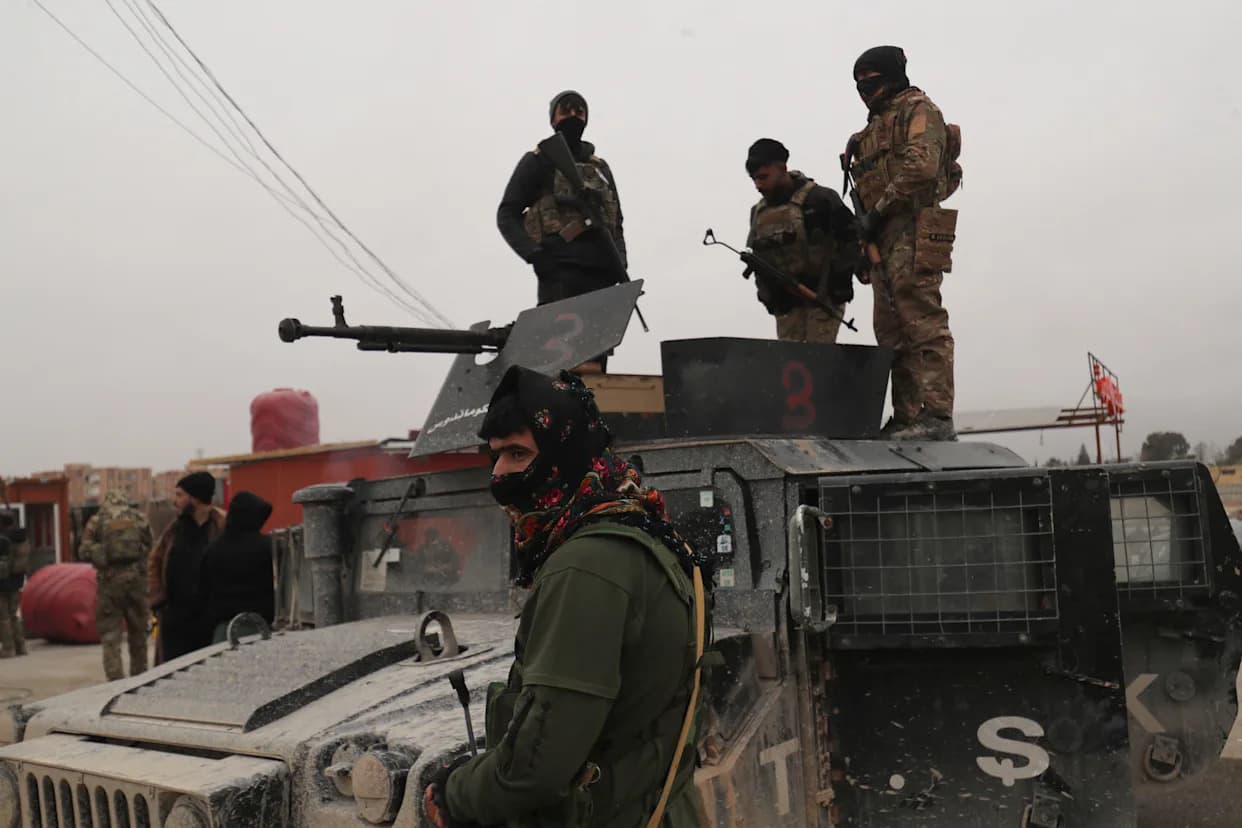
A military vehicle of the Syrian army is parked on the highway near Tabqa, after the Syrian army took control of it, Syria, January 19, 2026. REUTERS/Mahmoud Hassano
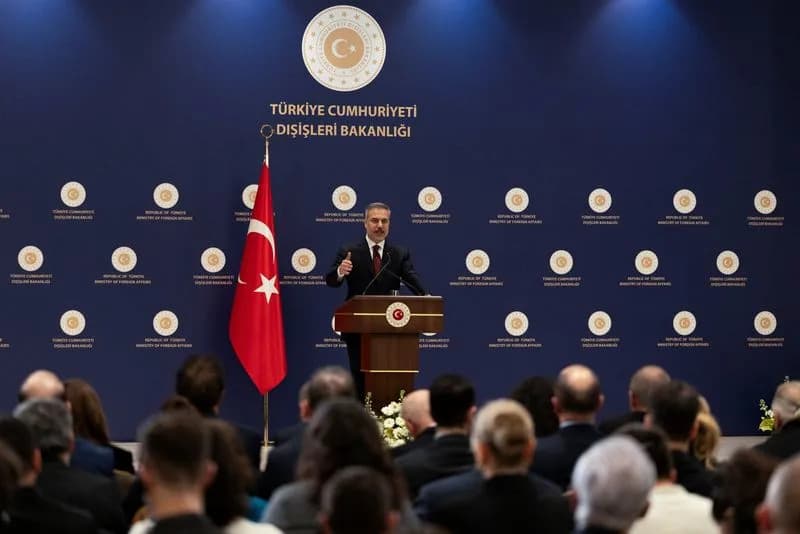
ANKARA, Jan 19 (Reuters) - Turkish security sources said on Monday that Ankara views a newly announced deal to integrate Kurdish authorities in northern Syria into Damascus' institutions as an "historic turning point." The sources added that Turkey's National Intelligence Organization (MIT) played an intensive, behind-the-scenes role to promote restraint by the parties before the agreement.
The sources said Ankara regards the arrangement as important for restoring central state authority across Syria and for furthering its domestic security goals, including efforts to counter terrorism and press forward with long‑running initiatives related to the Kurdistan Workers' Party (PKK).
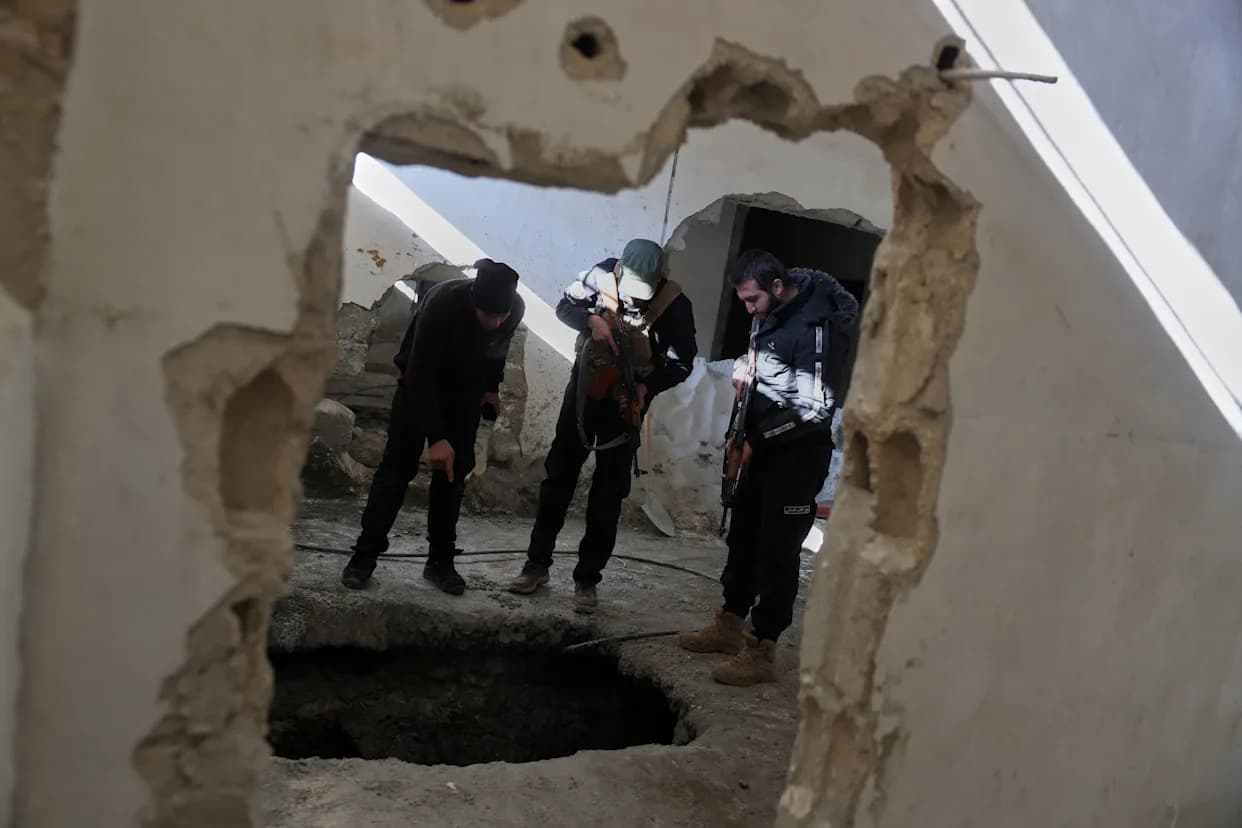
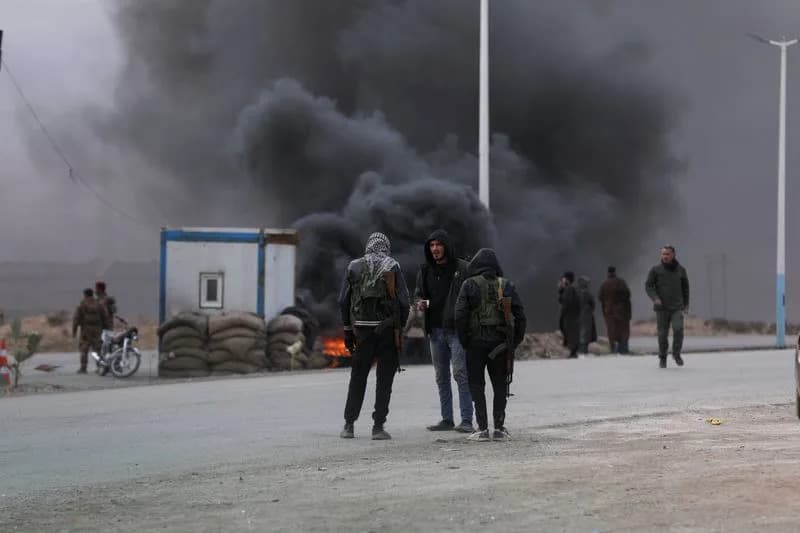
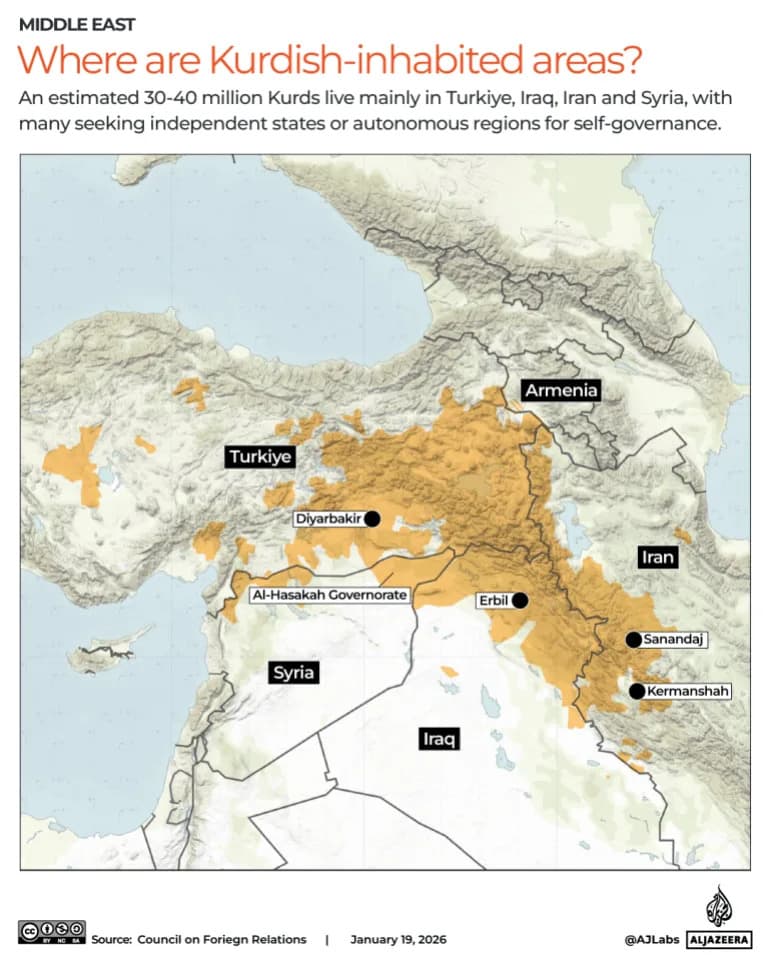
Turkish officials had warned they might launch a military operation against the Syrian Kurdish Democratic Forces (SDF) in the north if the group refused to come under central government control. In the days before the pact, Syrian troops seized territory in the north — including key oil fields — amid clashes with Kurdish forces.
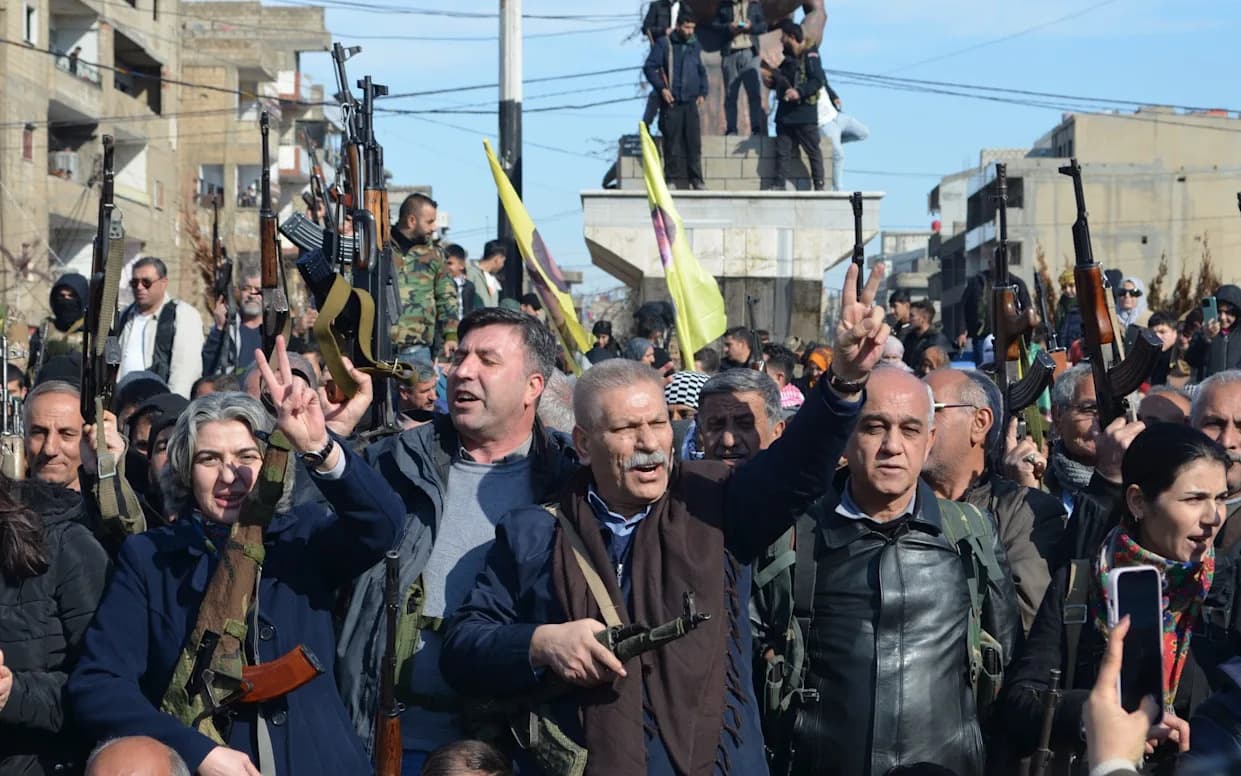
On Sunday, Damascus and the SDF reached a wide-ranging agreement to integrate Kurdish civilian and military institutions into central structures, a deal the United States helped mediate, according to the sources. Turkish security officials said operations against Islamic State (IS) in Syria would continue uninterrupted despite the integration.
"MIT maintained intensive contacts with all sides, including the United States and the Syrian government, to promote restraint, protect civilians and safeguard critical infrastructure ahead of the deal," the sources said.
Analysts say the arrangement could reshape local authority in northern Syria and alter regional dynamics, with implications for Ankara's security priorities and for the future of U.S. presence and influence in the area.
(Reporting by Ece Toksabay; Editing by Jonathan Spicer)
Help us improve.