Syria moved military reinforcements east of Aleppo after ordering Kurdish forces to withdraw from a wide area amid rising tensions and stalled efforts to integrate Kurdish forces under a March deal. The government declared a "closed military zone" east of Aleppo and said all armed groups must pull back to the east of the Euphrates. Limited skirmishes and intermittent artillery were reported around Deir Hafer as Kurdish officials warned of a possible larger assault. International actors, including the US, urged restraint while rights monitors reported dozens killed and tens of thousands displaced.
Syria Deploys Troops East of Aleppo After Ordering Kurdish Forces to Withdraw

A member of the Kurdish security forces stands guard as Syrian Kurds protest against the central government in the city of Qamishli on Tuesday (Delil SOULEIMAN)(Delil SOULEIMAN/AFP/AFP)
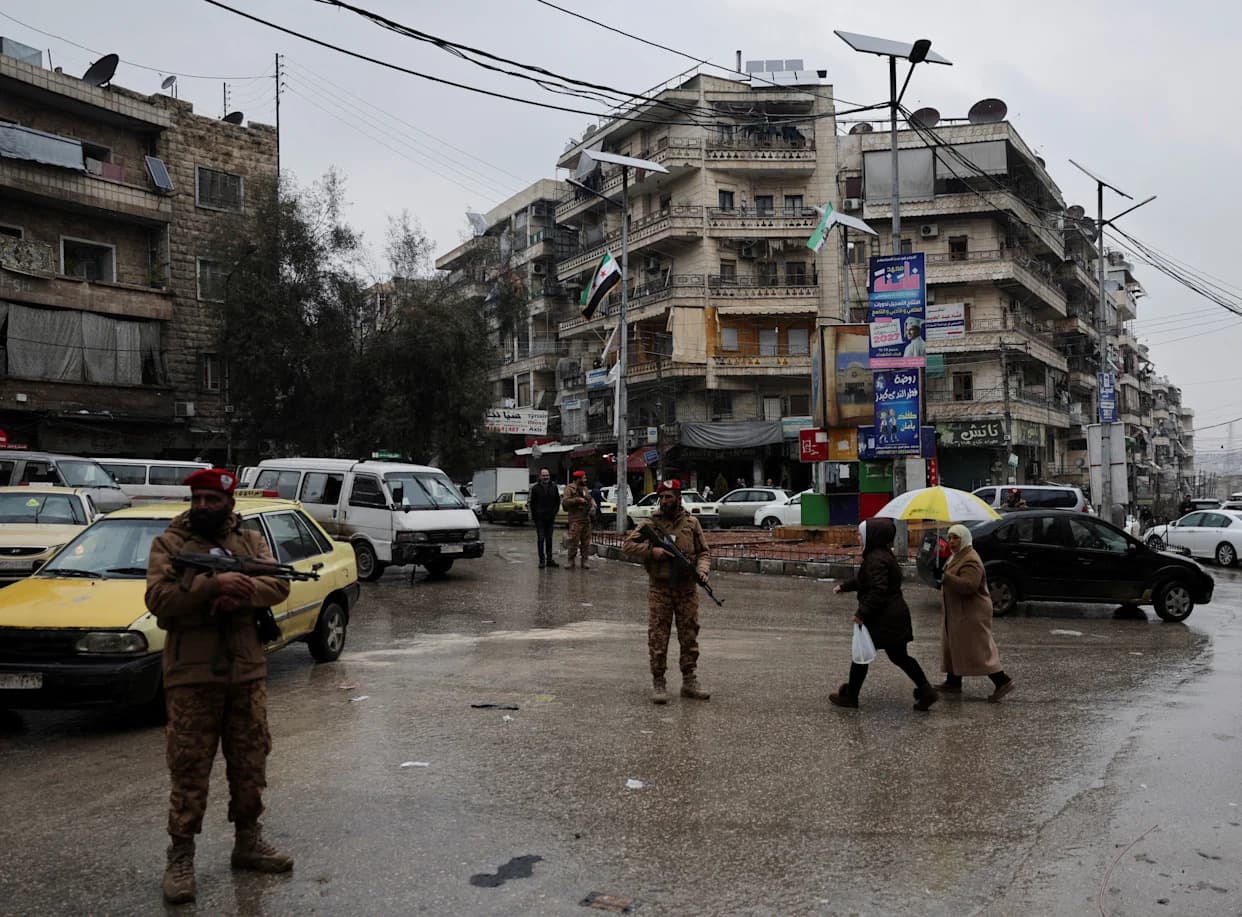
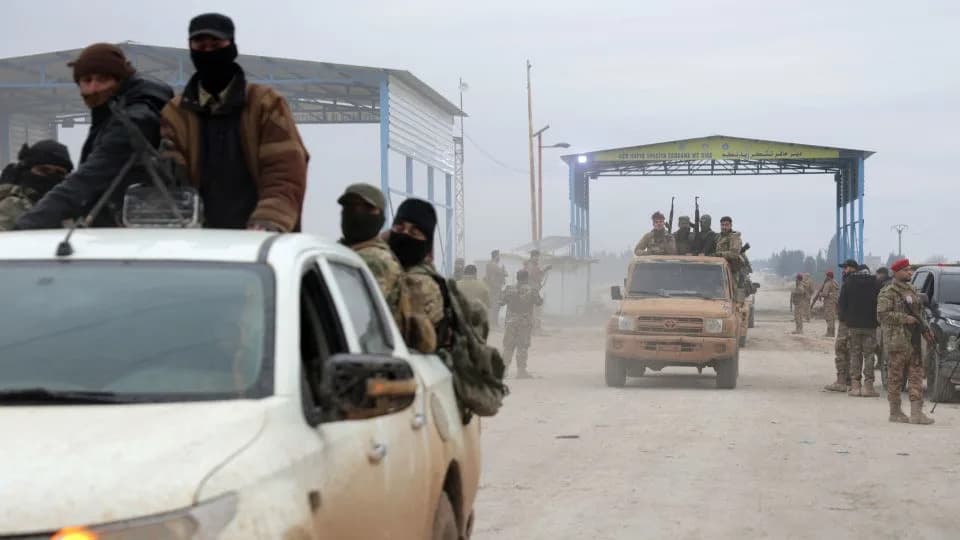
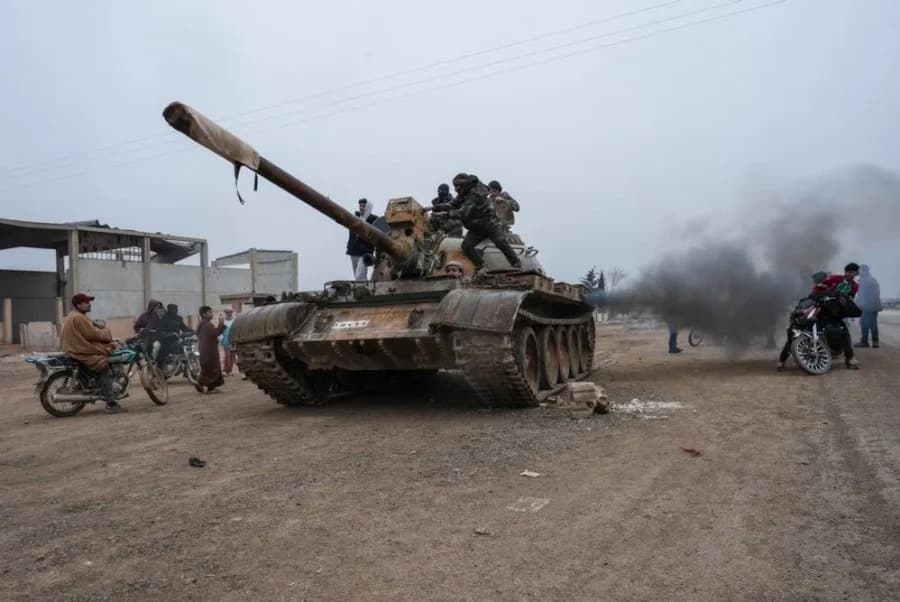
Syria's army deployed reinforcements east of Aleppo on Wednesday, a day after Damascus ordered Kurdish forces to pull back from a broad zone following deadly clashes the previous week.
The move comes as the Islamist-led government seeks to reassert control nationwide. Attempts to integrate the Kurds' de facto autonomous administration and forces into the central state under a March agreement have largely stalled, raising tensions across contested areas.
On Tuesday, state television broadcast an army statement and map designating a large area east of Aleppo a "closed military zone," ordering "all armed groups in this area must withdraw to east of the Euphrates" River. The area, currently held by Kurdish forces, stretches from near Deir Hafer—about 50 kilometres (30 miles) from Aleppo—toward the Euphrates and southward.
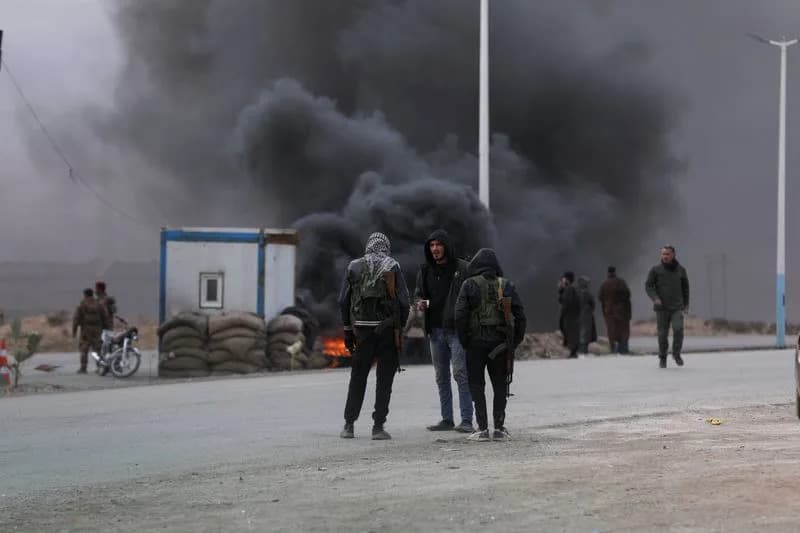
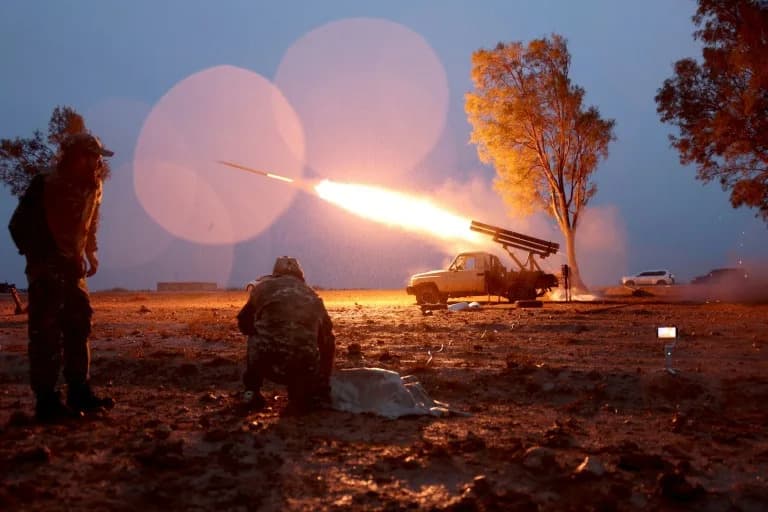
SANA published images showing convoys of reinforcements moving from Latakia province, and an anonymous military source said additional units were arriving from both Latakia and the Damascus region. Both sides reported limited skirmishes overnight, and an AFP correspondent near Deir Hafer described intermittent artillery fire; a military source said government forces were targeting positions held by the US-backed, Kurdish-led Syrian Democratic Forces (SDF).
The United States, which has provided long-standing support to some Kurdish forces while also engaging with Syria's new authorities, urged restraint. Admiral Brad Cooper, identified in military statements as head of US Central Command, called on all parties to "avoid actions that could further escalate tensions" and to seek a diplomatic resolution.
Elham Ahmad, a senior official in the Kurdish administration, warned that government forces were "preparing themselves for another attack" and accused Damascus of effectively making "a declaration of war" and violating the March integration agreement.
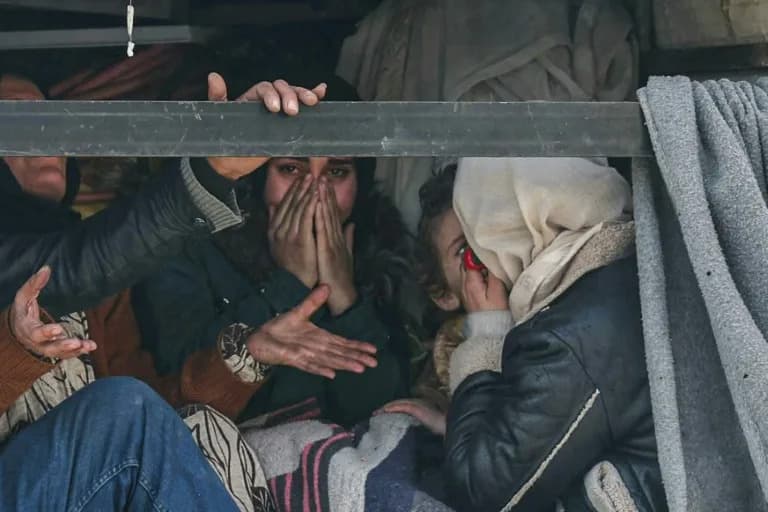
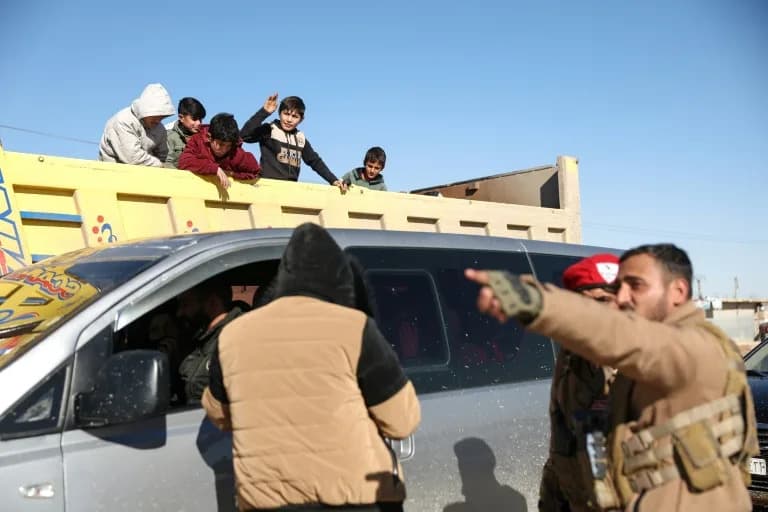
On Monday Damascus accused the SDF of sending reinforcements to Deir Hafer and said it would respond by deploying its own personnel. Kurdish officials denied a build-up in the town and accused government forces of attacking it; state television said SDF sniper fire there killed one person. Both sides have blamed the other for last week's violence, which killed dozens and displaced tens of thousands.
Over the weekend, government forces secured full control of Aleppo city after capturing the Kurdish-majority Sheikh Maqsud and Ashrafiyeh neighbourhoods and relocating fighters to Kurdish-held areas in the northeast.
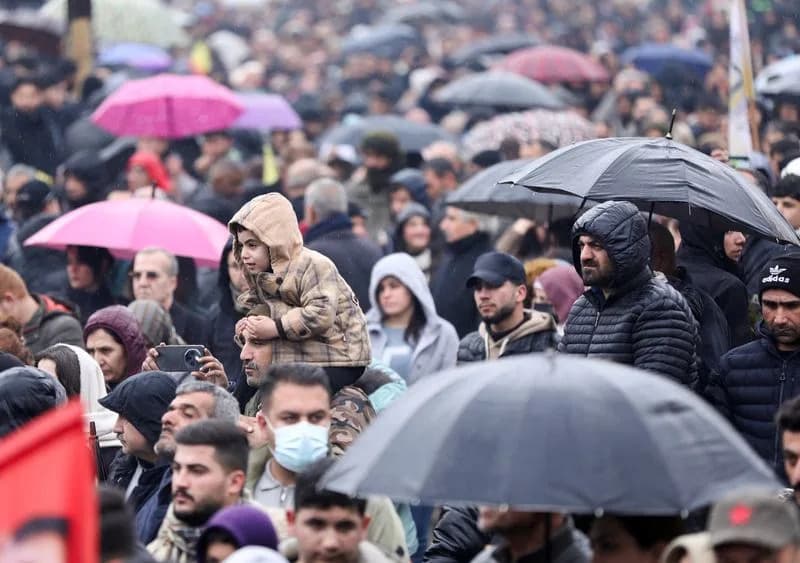
In Qamishli, the largest Kurdish city in the northeast, thousands protested the Aleppo violence on Tuesday. Demonstrators staged a general strike, waved Kurdish flags, and burned portraits and banners according to an AFP correspondent. Reporting identified different figures by name in the demonstrations; some of those names have been cited inconsistently across accounts.
Turkey, which views the SDF as linked to the Kurdistan Workers' Party (PKK), has welcomed Damascus' operation in Aleppo as targeting "terrorist organisations." Ankara has long pressured that Kurdish armed groups in Syria be included in any disarmament steps. The PKK—whose leadership announced last year it would end its armed campaign and destroy weapons—called the attacks on Aleppo's Kurdish neighbourhoods an effort to undermine peace efforts with Ankara.
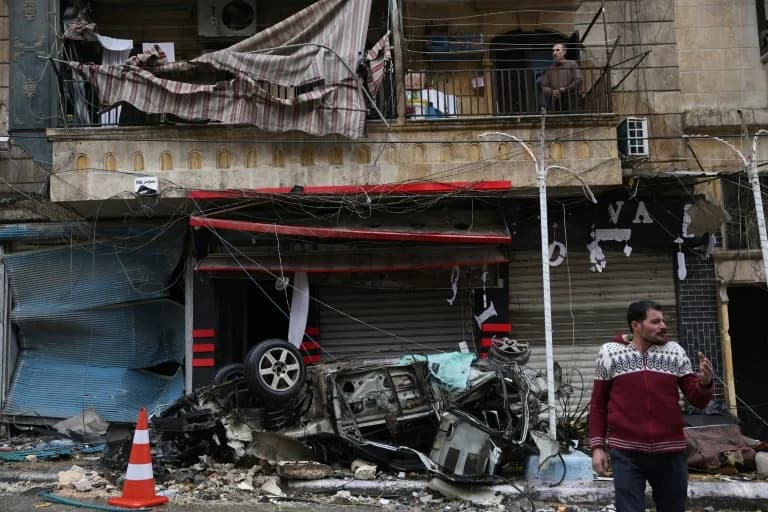
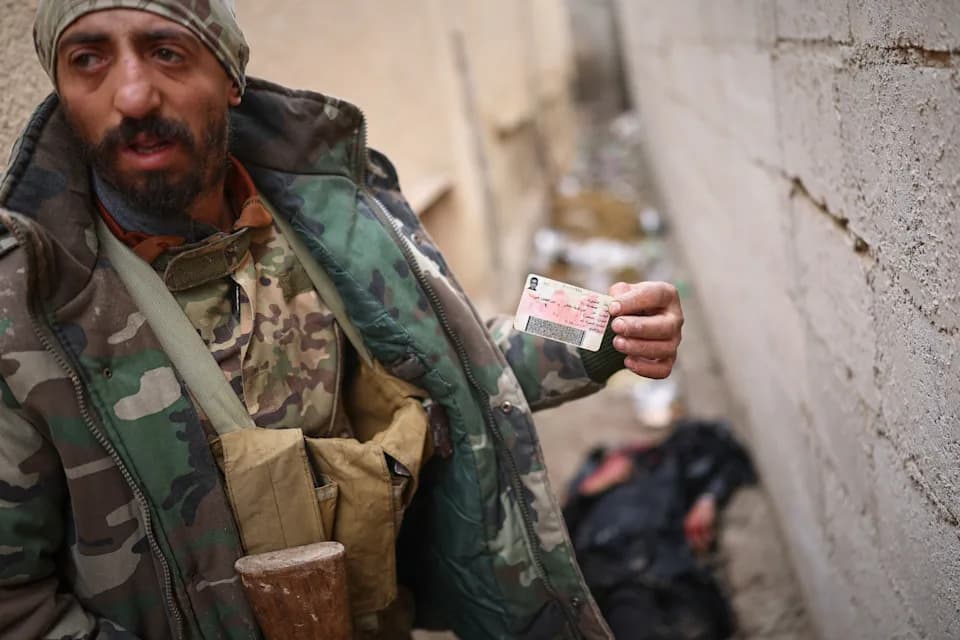
Human-rights monitors reported significant casualties. The Britain-based Syrian Observatory for Human Rights said around 45 civilians and 60 fighters and soldiers from both sides were killed in the Aleppo violence. Aleppo civil defence officials reported dozens of bodies recovered from the Kurdish-majority neighbourhoods after the fighting.
As reinforcements moved east of Aleppo, international calls for de-escalation intensified, with diplomatic officials urging renewed dialogue to prevent a wider confrontation that could further displace civilians and destabilise the region.
Help us improve.