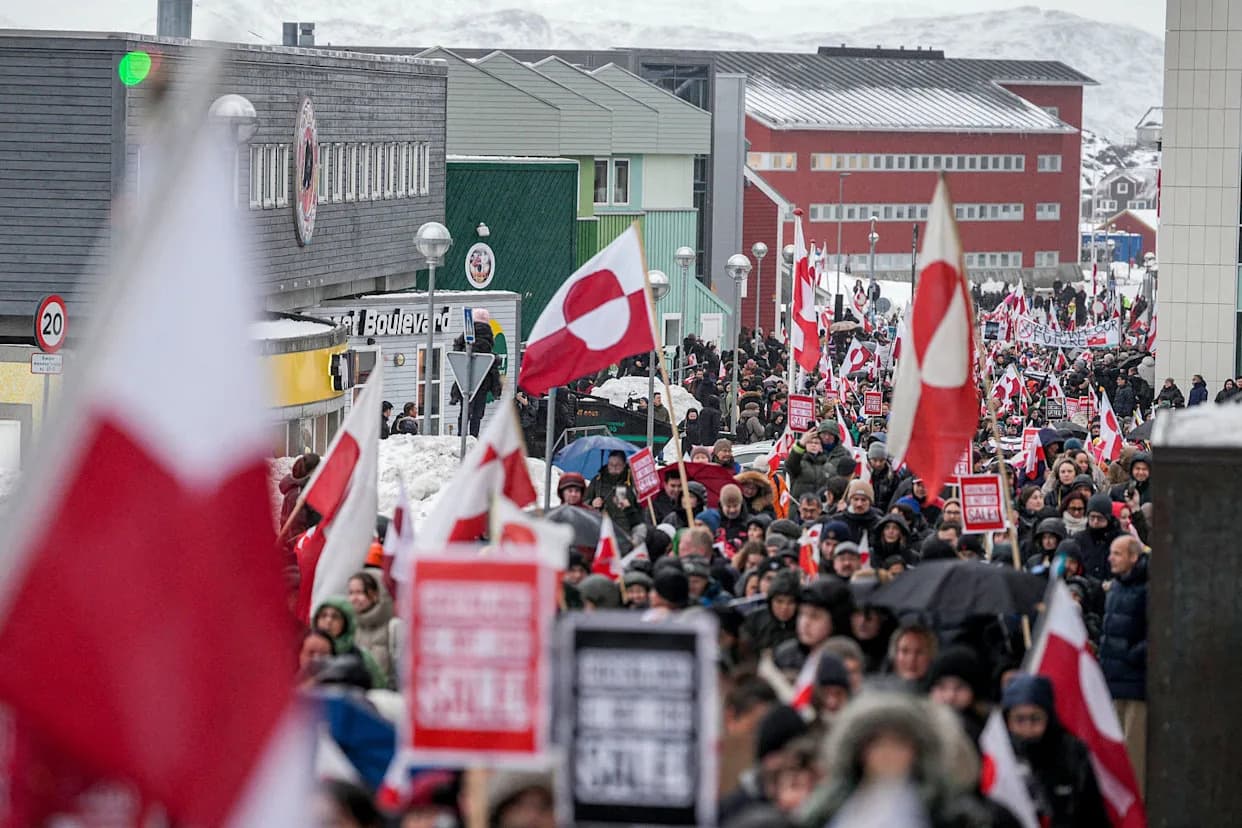
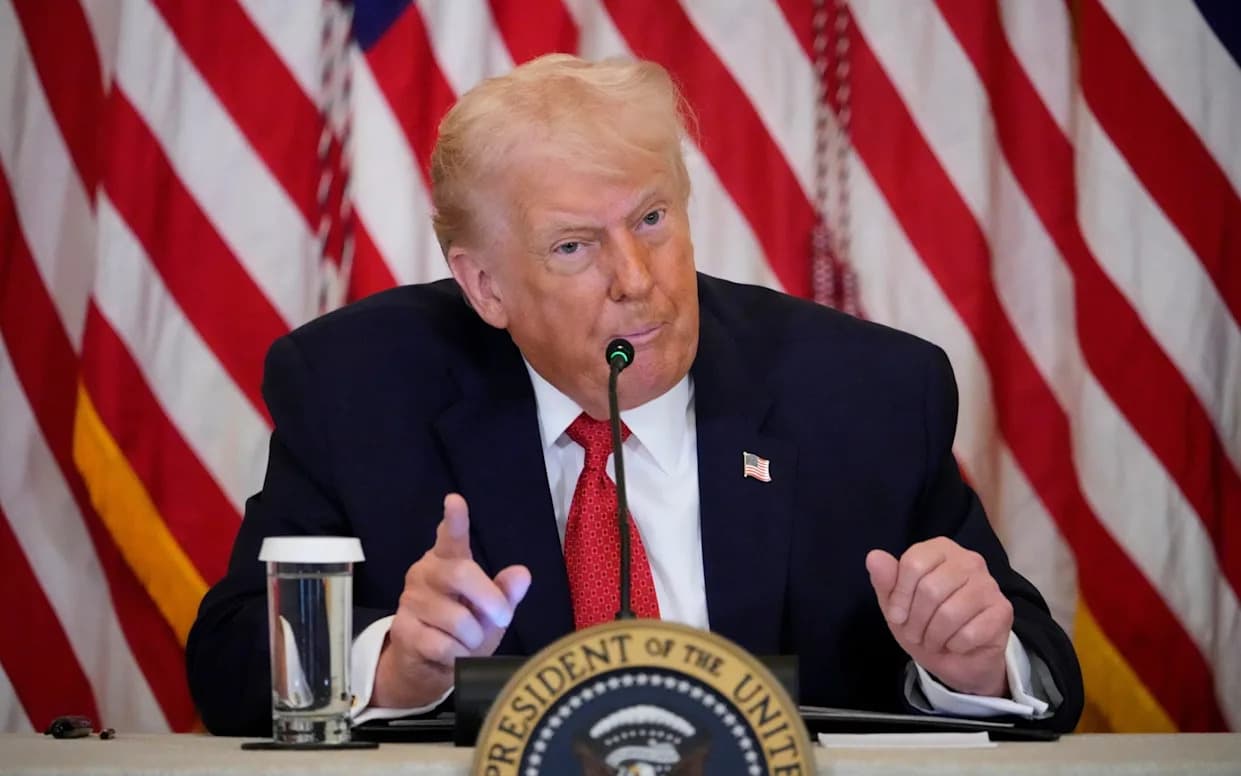
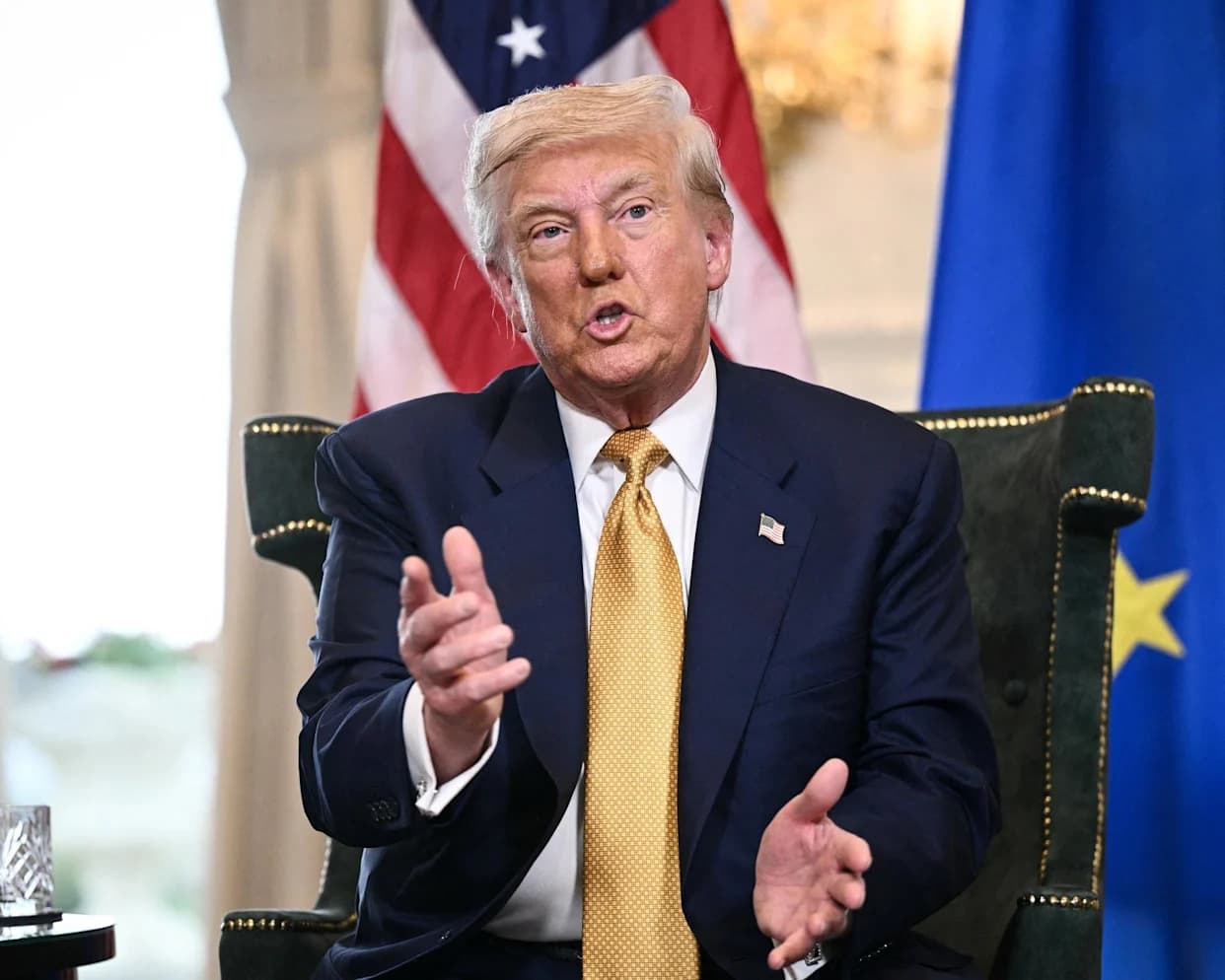
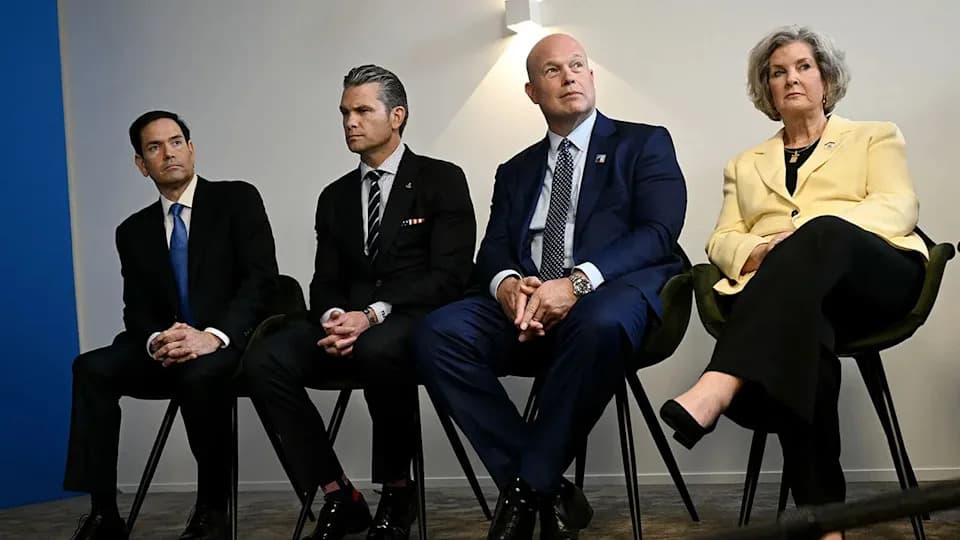
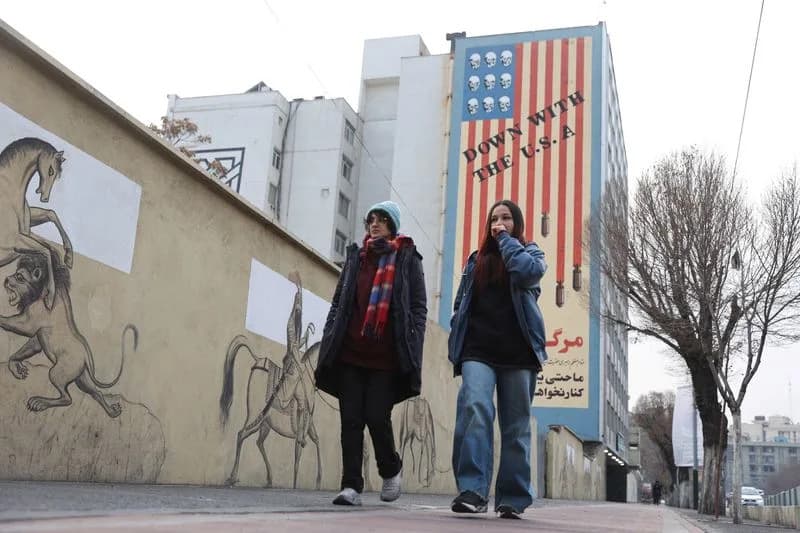
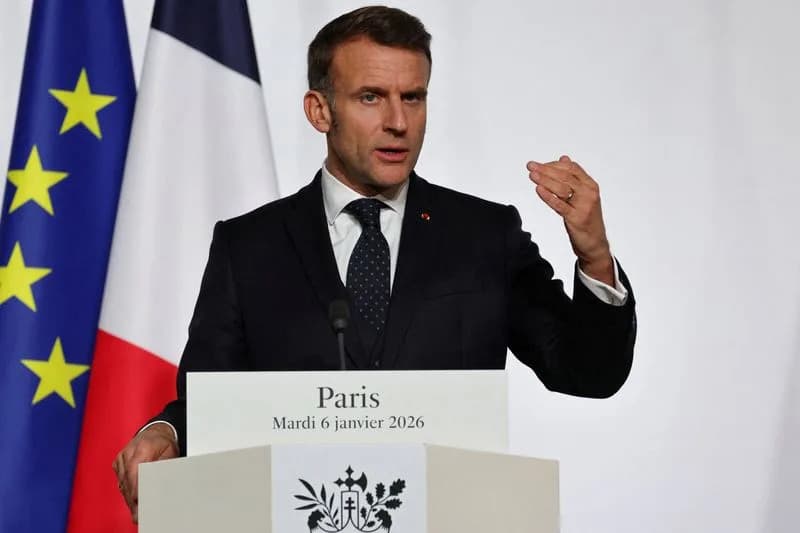
The Greenland dispute is only the latest in a series of trans-Atlantic tensions that have surfaced since World War II. Key flashpoints include the 1956 Suez crisis, disagreements over the Vietnam War, the 1980s Euromissile protests and the 2003 Iraq invasion. More recent controversies involve extraordinary rendition, shifts in U.S. policy toward Ukraine after January 2025, a stark U.S. national security strategy released last December, and tariff threats last July that were later reduced to a 15% framework. Together, these episodes highlight recurring friction over diplomacy, security and trade.
From Suez to Greenland: A Timeline of U.S.–Europe Tensions

FILE - An injured elderly woman looks out of her broken window as an apartment building was hit by a Russian drone during an aerial attack in Kyiv, Ukraine, Dec. 23, 2025. (AP Photo/Efrem Lukatsky, File)(ASSOCIATED PRESS)
The dispute over the future of Greenland is the latest episode in a long history of frictions between the United States and European countries. Since World War II, differences over strategy, sovereignty and values have periodically produced diplomatic crises that affected security, trade and public opinion on both sides of the Atlantic.
Suez Crisis (1956)
In 1956 France, the United Kingdom and Israel invaded Egypt aiming to topple President Gamal Abdel Nasser and regain control of the Suez Canal. The United States used heavy diplomatic and economic pressure to force a withdrawal, deeply straining relations with London and Paris and marking a turning point in Europe’s postwar influence.
Vietnam War (1960s–1970s)
Most European governments (with the notable exception of France) offered diplomatic support to the United States but declined to send combat troops. Large street protests across Europe carried political costs for continental leaders who had to balance alliance ties with growing domestic opposition to the war.
Euromissile Crisis (Late 1970s–1980s)
Moscow’s deployment of SS-20 intermediate-range missiles capable of striking Western Europe prompted NATO to plan deployments of U.S. Pershing II and cruise missiles on the continent to restore deterrence. The prospect of renewed nuclear competition fueled massive anti-nuclear demonstrations across Europe, where protesters frequently targeted U.S. policy.
Invasion of Iraq (2003)
The U.S.-led invasion of Iraq in 2003 produced a deep rupture with parts of Europe, most notably France and Germany, which refused to support the military campaign against Saddam Hussein. The episode sharpened political divisions in trans-Atlantic relations, exemplified by U.S. officials’ characterization of “Old Europe” versus “New Europe.”
Extraordinary Rendition (Post-2001)
As part of its counterterrorism efforts, the United States detained and transferred some terrorism suspects to third countries for interrogation, practices that in some cases involved torture and fell outside U.S. legal protections. Although elements of the program relied on cooperation from certain European services, public outcry and legal challenges forced political condemnation and investigations in several European capitals.
War in Ukraine (2022–Aftermath)
Russia’s invasion of Ukraine in 2022 became a defining security test for NATO and Europe. According to reports, when Donald Trump returned to the White House in January 2025 he shifted U.S. policy—speaking more warmly of President Vladimir Putin, cooling toward Ukraine’s leadership and reducing U.S. military assistance for Kyiv. Those moves alarmed many European leaders who see Ukraine’s defense as central to their own security.
U.S. National Security Strategy (Last December)
A U.S. national security strategy published last December described several European allies as weakened by migration challenges and contested free-speech debates, warned of deeper societal risks and questioned long-term partnership reliability. The stark language prompted concern and debate among European policymakers about the future shape of the alliance.
Trade Tensions and Tariff Threats (Last July)
As trans-Atlantic relations cooled, U.S. leaders threatened heavy tariffs on European imports. An initial proposal for 30% tariffs on the 27-nation European Union prompted intense negotiations; both sides later agreed to a trade framework that would apply a 15% tariff on most goods, defusing an immediate confrontation but underlining persistent economic tensions.
Why it matters: These episodes show that while the U.S. and Europe are enduring partners, disagreements over military action, security policy, human rights and trade repeatedly test that partnership. Understanding past crises helps explain why current disputes—such as the Greenland row—resonate so strongly on both sides of the Atlantic.
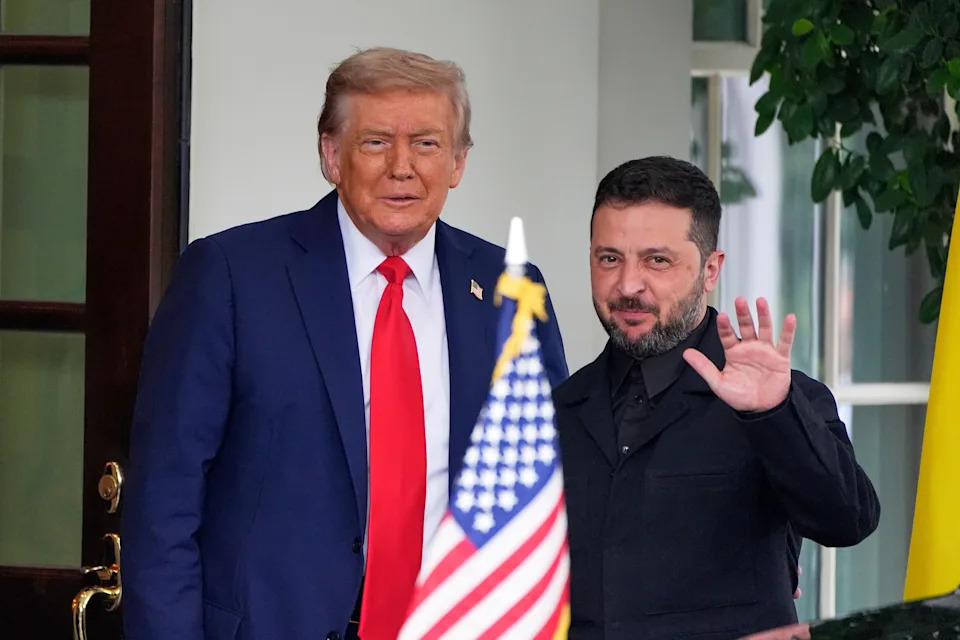
FILE - President Donald Trump, left, greets Ukraine's President Volodymyr Zelenskyy as he arrives at the White House, Aug. 18, 2025, in Washington. (AP Photo/Alex Brandon, File)(ASSOCIATED PRESS)
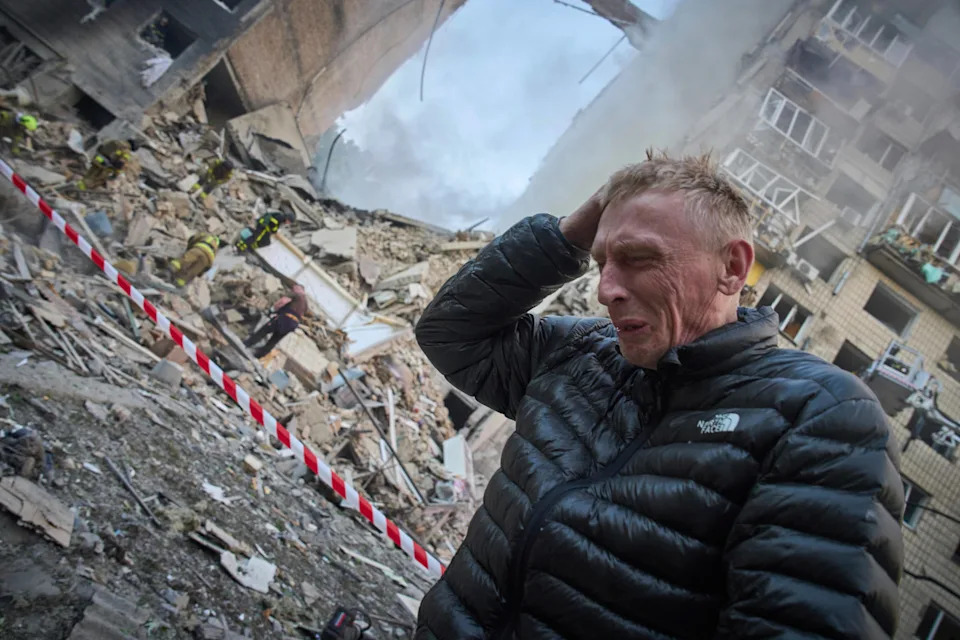
FILE - A resident reacts after a Russian missile hit a multi-storey apartment during Russia's combined missile and drone air attack in Kyiv, Ukraine, June 17, 2025. (AP Photo/Efrem Lukatsky, File)(ASSOCIATED PRESS)
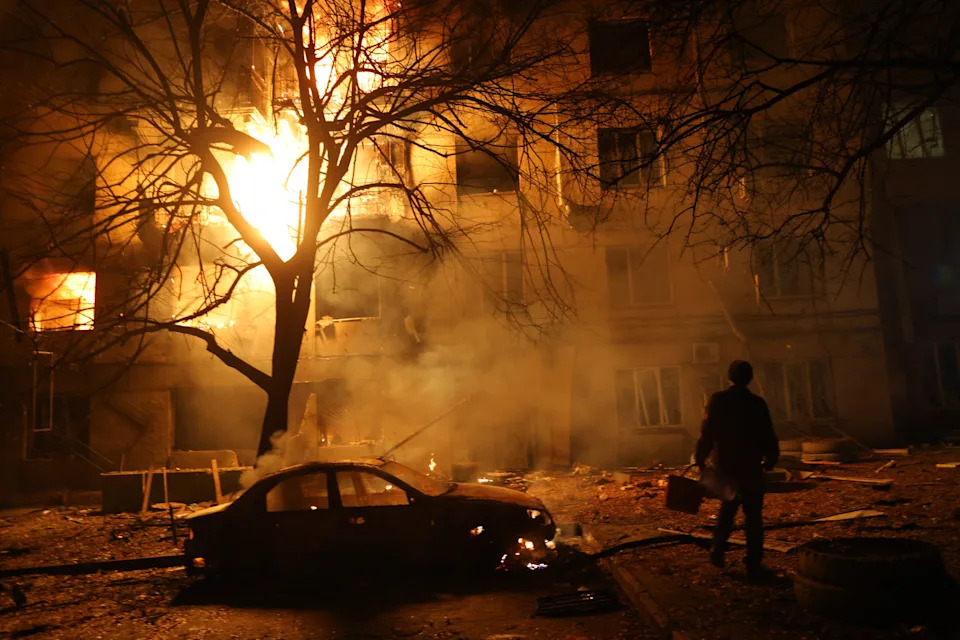
FILE - A man walks in front of burning residential building after a Russian attack on Zaporizhzhia, Ukraine, Nov. 26, 2025. (AP Photo/Kateryna Klochko, File)(ASSOCIATED PRESS)

FILE - In this Feb. 22, 2007 file photo, Egyptian cleric Osama Hassan Mustafa Nasr, also known as Abu Omar, shows a dark scar on his arm during his first public appearance since he was released from Egyptian custody, in Alexandria, Egypt. (AP Photo/Nasser Nasser, File)(ASSOCIATED PRESS)

FILE - A protester holds up a poster with writing reading in Italian "Justice for Abu Omar" above a picture of Muslim cleric Osama Moustafa Hassan Nasr, also known as Abu Omar, outside Milan's court house while the trial of 26 Americans and seven Italians accused of orchestrating a CIA-led kidnapping of an Egyptian terror suspect Nasr was taking place inside the courtroom, in Milan, Italy, Wednesday, Sept. 23, 2009. (AP Photo/Luca Bruno, File)(ASSOCIATED PRESS)
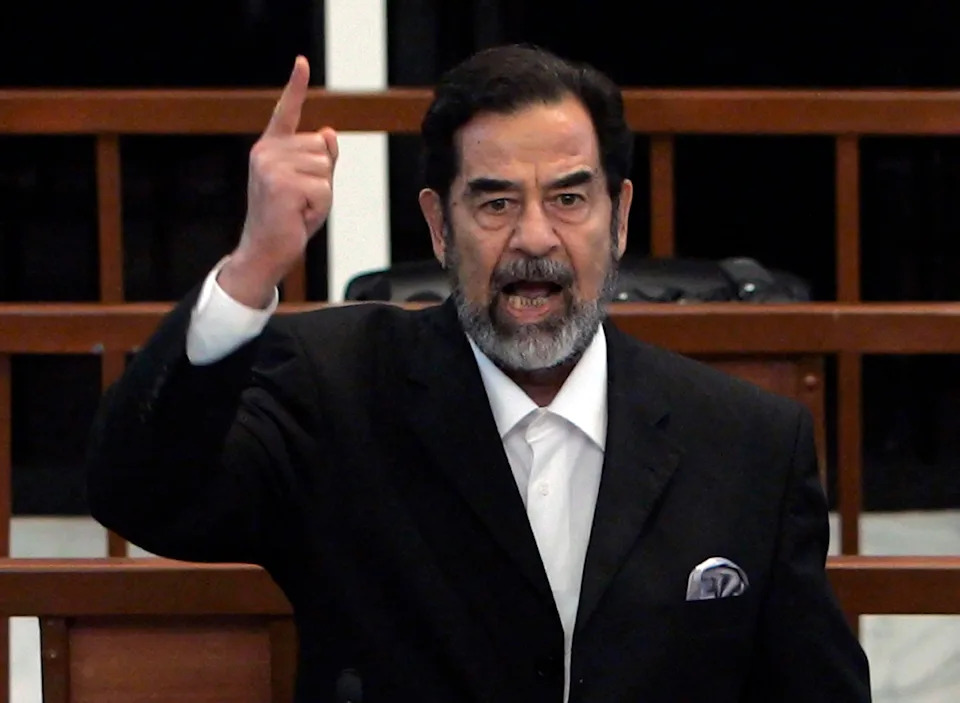
FILE - Former Iraqi president Saddam Hussein yells at the court as the verdict is delivered during his trial held under tight security in Baghdad's heavily fortified Green Zone, Sunday Nov. 5, 2006. (AP Photo/David Furst, Pool, File)(ASSOCIATED PRESS)
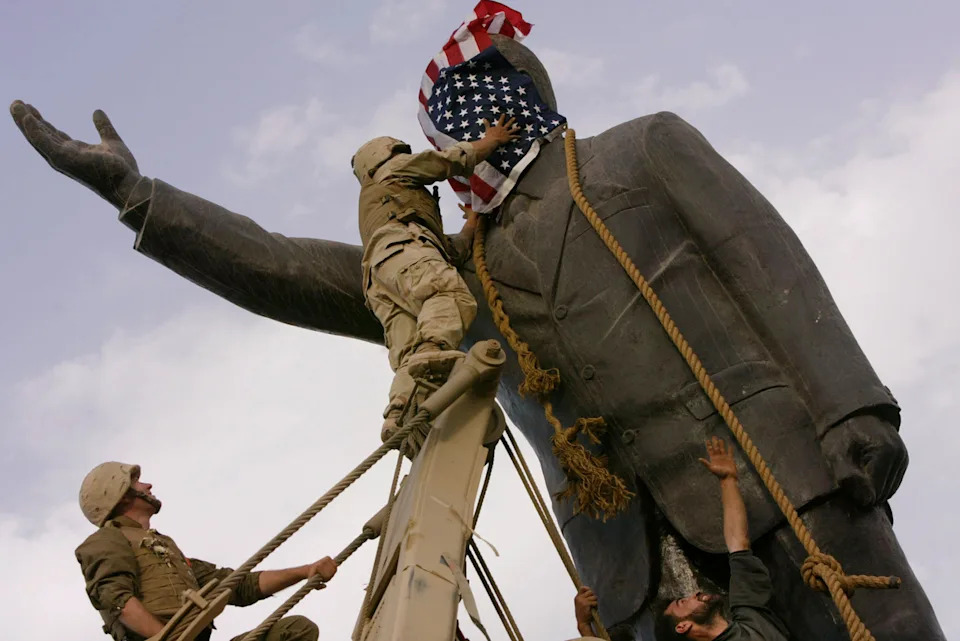
FILE - Cpl. Edward Chin of the 3rd Battalion, 4th Marines Regiment, covers the face of a statue of Saddam Hussein with an American flag before toppling the statue in downtown Baghdad, Iraq, on April 9, 2003. (AP Photo/Jerome Delay, File)(ASSOCIATED PRESS)
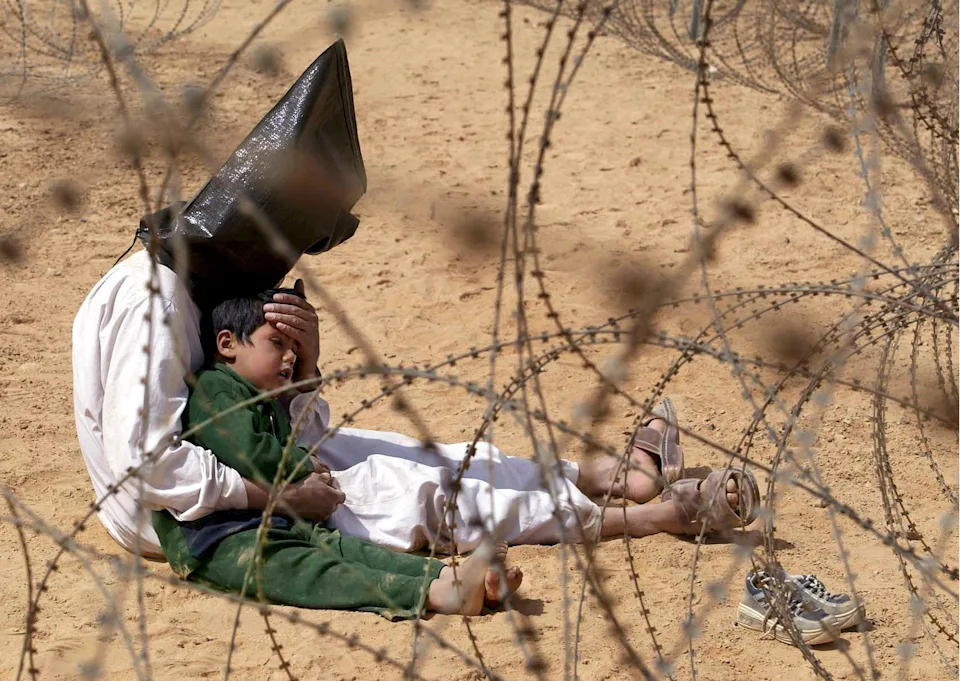
FILE - An Iraqi prisoner of war comforts his 4-year-old son at a regroupment center for POWs of the 101st Airborne Division near An Najaf, March 31, 2003. (AP Photo/Jean-Marc Bouju, File)(ASSOCIATED PRESS)
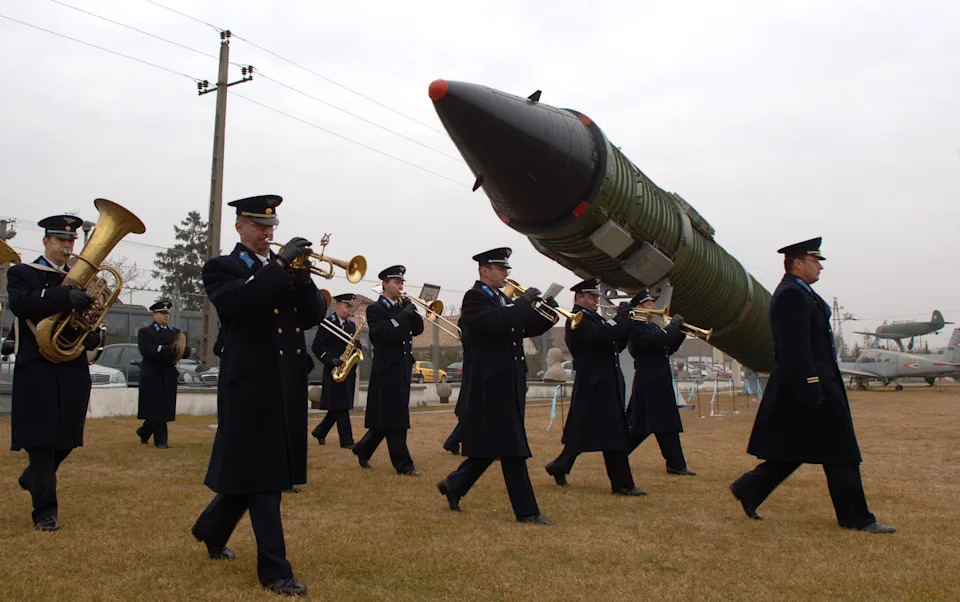
FILE - A Hungarian military orchestra marches through the site of the new spectacle, a Soviet SS-24 intercontinental ballistic missile, erected by the Technical Museum of War in Kecel, Hungary, 160 km south of Budapest Tuesday, Nov. 15. 2005. (AP Photo/Bela Szandelszky, File)(ASSOCIATED PRESS)
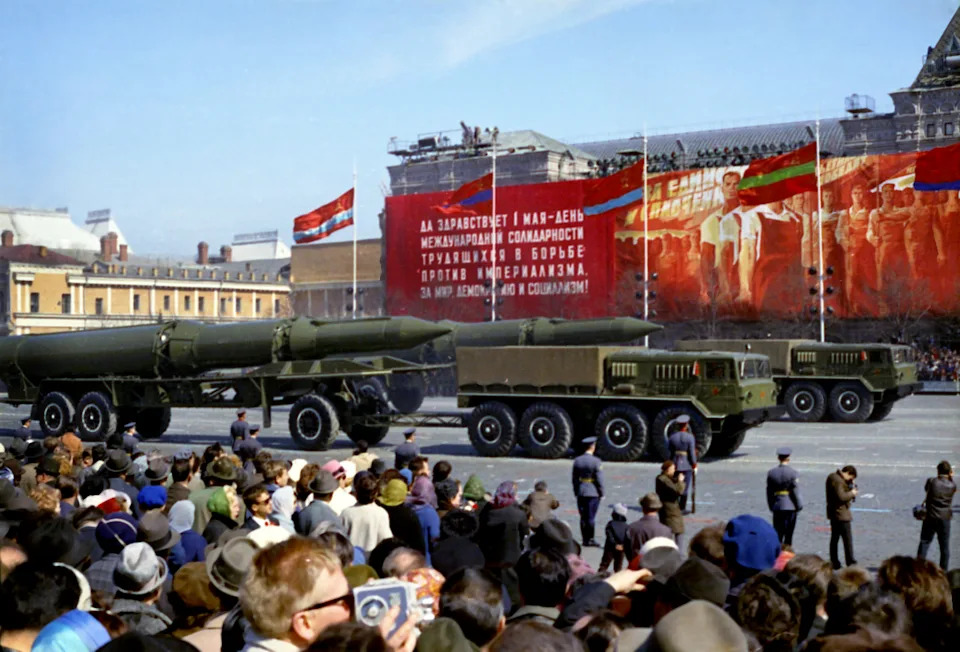
FILE - Nuclear missiles are paraded through Red Square in Moscow, Russia, during the Military May Day parade, May 1, 1988. (AP Photo/Boris Yurchenko, File)(ASSOCIATED PRESS)
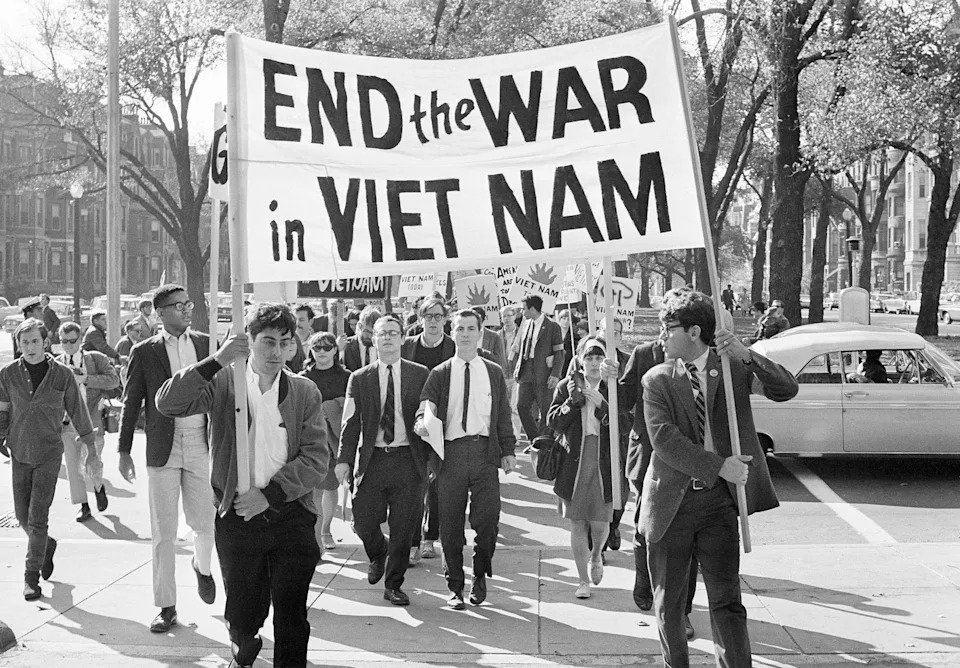
FILE - College students from various nearby schools march down Commonwealth Avenue in Boston on Oct. 16, 1965 to attend rally on Boston Common protesting U.S. involvement in Vietnam. (AP Photo/Frank C. Curtin, File)(ASSOCIATED PRESS)
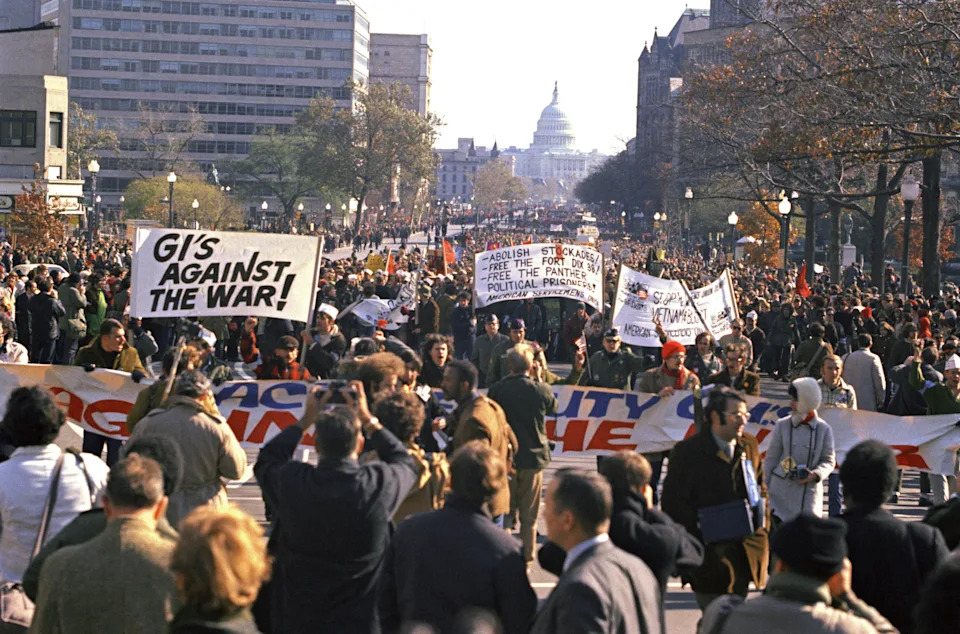
FILE - Anti-Vietnam war demonstrators mass on the Ellipse in Washington on May 9, 1970. (AP Photo/Charles Tasnadi, File)(ASSOCIATED PRESS)
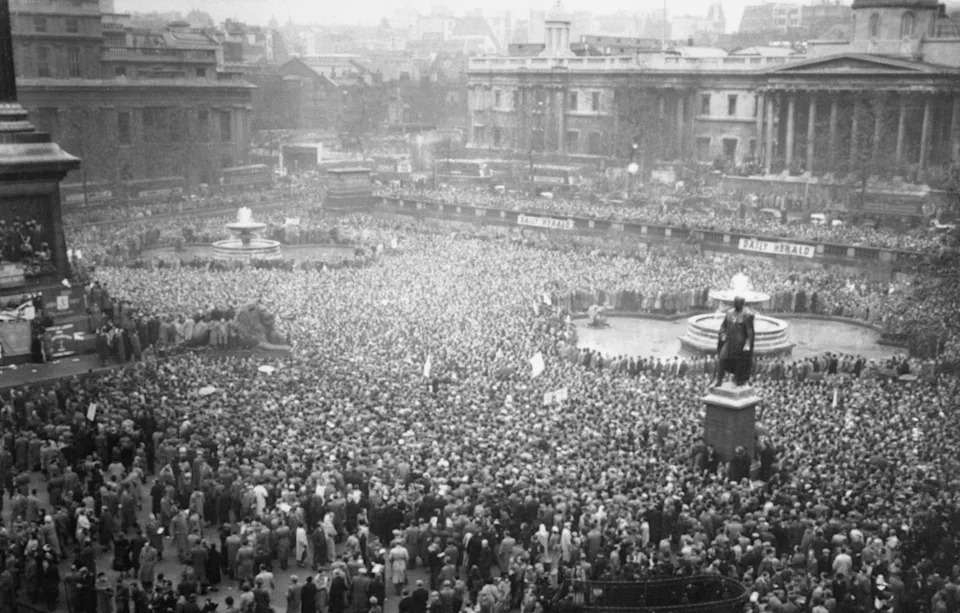
FILE - A huge crowd fills Trafalgar Square in London, as Britain's Labor Party held a rally in protest against Prime Minister Eden's government's handling of the Suez Canal crisis, Nov. 4, 1956. (AP Photo, File)(ASSOCIATED PRESS)
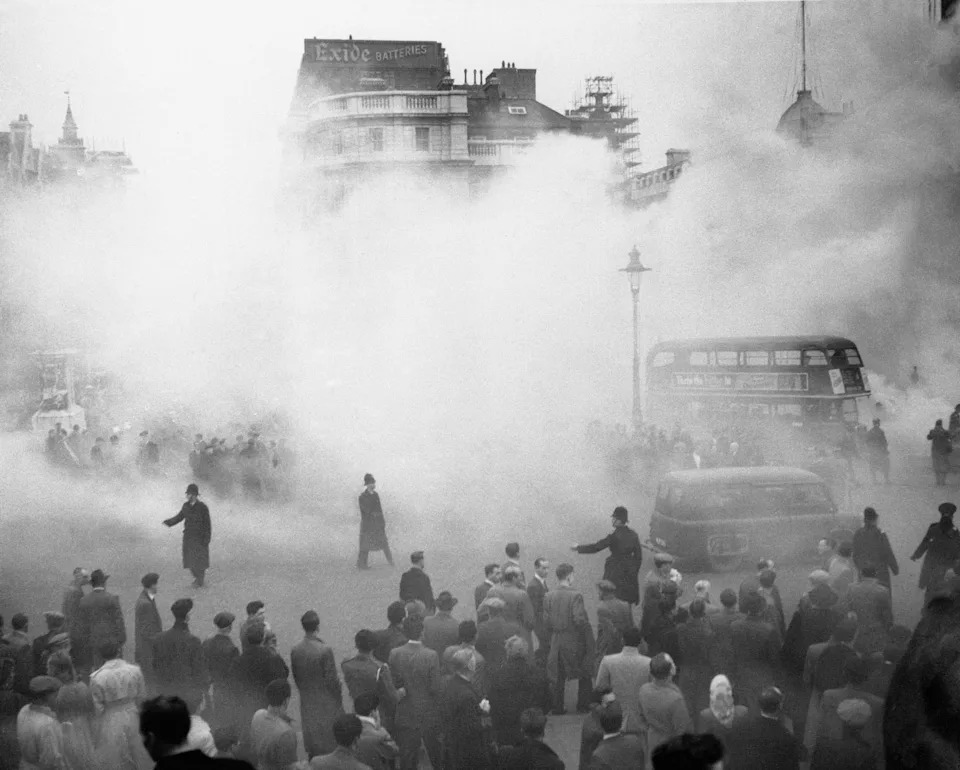
FILE - Smoke from fireworks falls on Trafalgar Square in London during a Labor Party rally in protest of the British government's handling of the Suez Canal crisis, Nov. 4, 1956. (AP Photo, File)(ASSOCIATED PRESS)
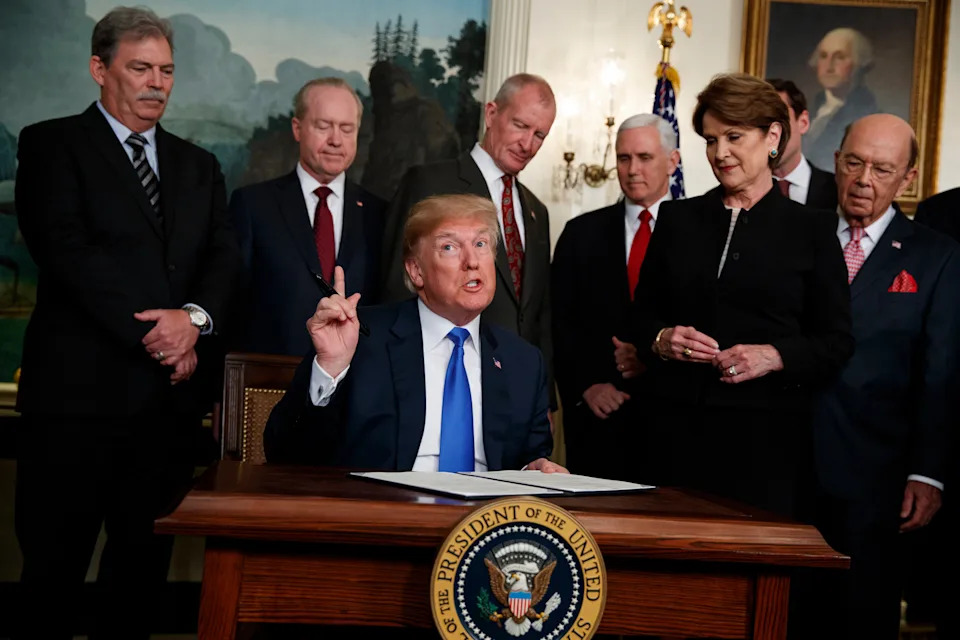
FILE - President Donald Trump speaks before he signs a presidential memorandum imposing tariffs and investment restrictions on China in the Diplomatic Reception Room of the White House, March 22, 2018, in Washington. (AP Photo/Evan Vucci, File)(ASSOCIATED PRESS)

FILE - A trader sits on the trading floor of the Frankfurt Stock Exchange in front of the display board showing the DAX stock index in Frankfurt, Germany, April 9, 2025. (AP Photo/Martin Meissner, File)(ASSOCIATED PRESS)
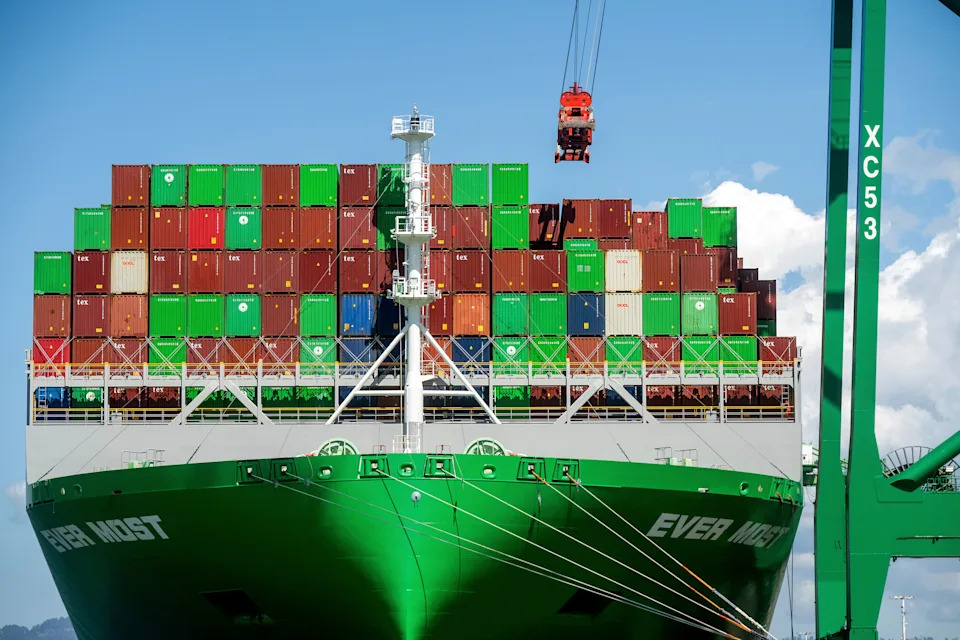
FILE - Shipping containers line the Ever Most cargo vessel docked at the Port of Oakland, April 3, 2025, in Oakland, Calif. (AP Photo/Noah Berger, File)(ASSOCIATED PRESS)
Help us improve.