Turkey's foreign, defense and intelligence chiefs met Syrian leaders in Damascus as a year-end deadline approaches to implement a March agreement to integrate the Kurdish-led SDF into a new Syrian army. Fresh clashes in Aleppo wounded two civil defense responders amid competing accounts of who opened fire. Major obstacles remain over whether the SDF will join as intact units or be individually absorbed, and Turkey criticized Israel's actions in southern Syria while Damascus accuses the SDF of delaying implementation.
Turkey's Top Officials Press Syria on Kurdish Forces' Integration as Year-End Deadline Nears

Turkish Foreign Minister Hakan Fidan listens to the translation in a joint news briefing with his Iranian counterpart Abbas Araghchi after their meeting in Tehran, Iran, Sunday, Nov. 30, 2025. (AP Photo/Vahid Salemi)
Damascus — Turkey's foreign minister, together with the country's top defense and intelligence chiefs, arrived in Damascus on Monday as a looming deadline approaches to implement a March agreement to integrate the Kurdish-led Syrian Democratic Forces (SDF) into a new Syrian army.
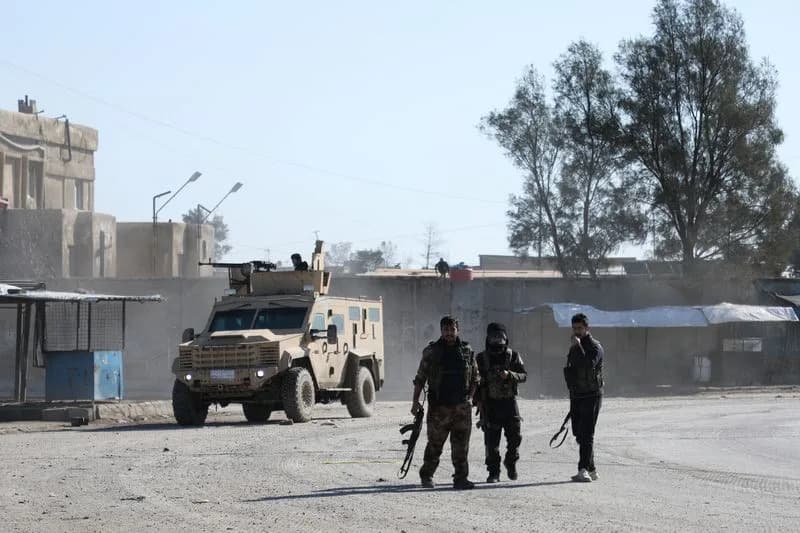
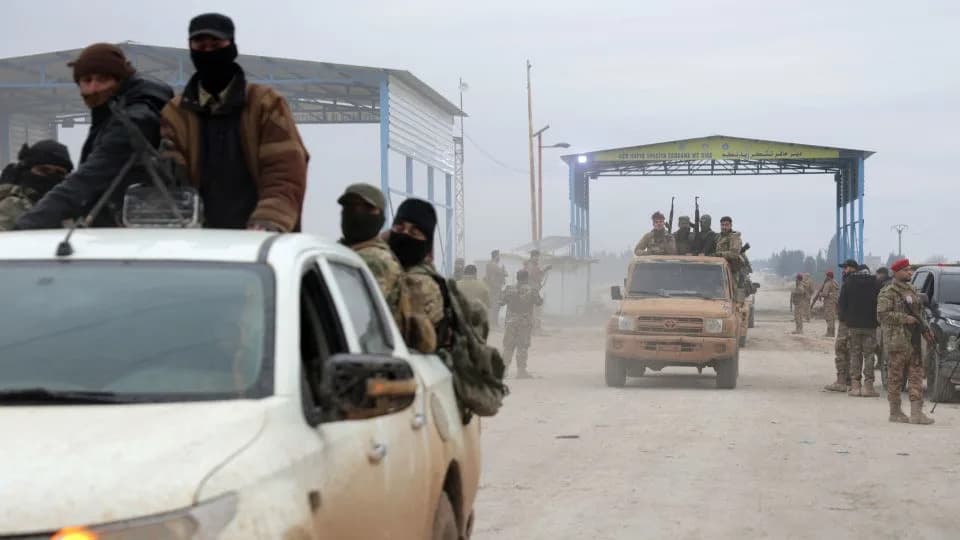
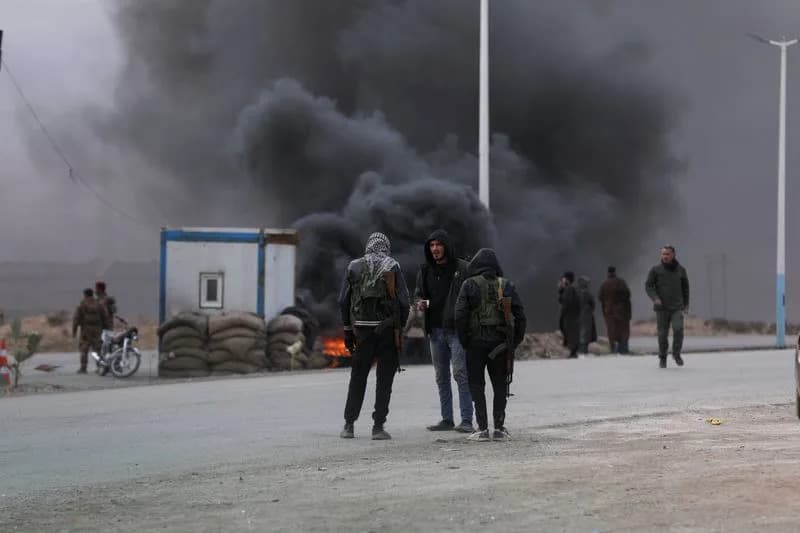
The visit comes amid renewed violence in northern Syria, where clashes erupted in parts of Aleppo that have seen repeated outbreaks of fighting.
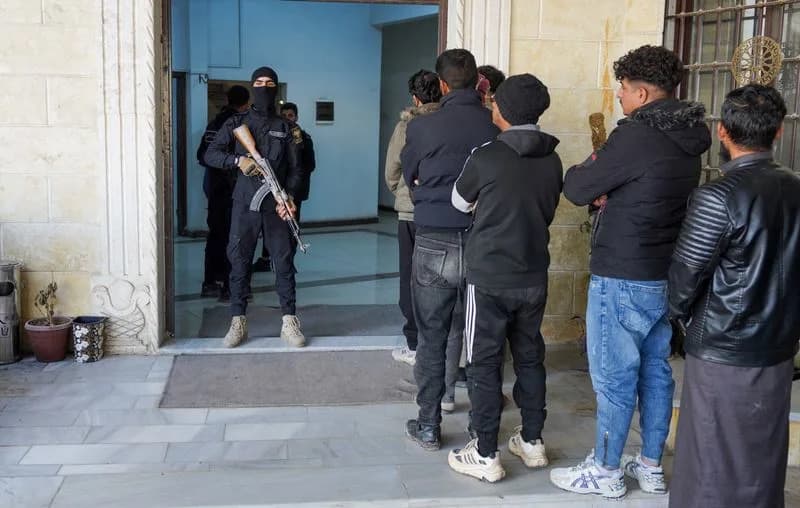
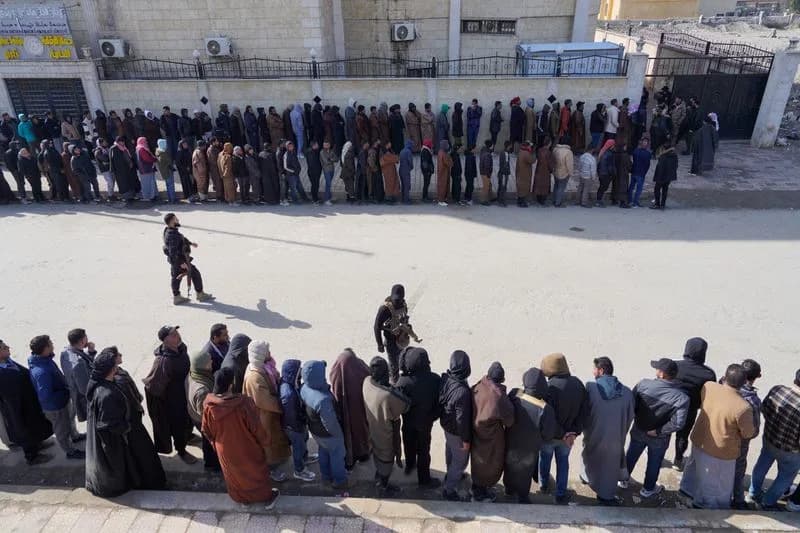
It was not immediately clear what sparked the fresh exchanges of fire in Aleppo's Sheikh Maqsoud and Ashrafieh neighborhoods. Syria's Civil Defense reported that two of its emergency responders were wounded after gunfire struck their vehicle; there were no immediate reports of fatalities. An SDF spokesperson said government forces opened fire on a Kurdish checkpoint.
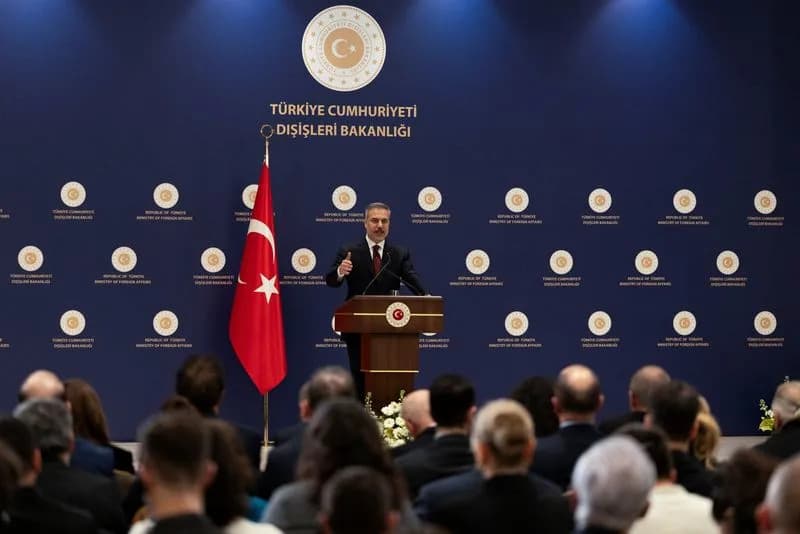
In Damascus, Turkish Foreign Minister Hakan Fidan, appearing alongside Syrian Foreign Minister Asaad al-Shibani, said talks focused on integrating the SDF into the national army, Israel's military activity in southern Syria, and continued efforts against the Islamic State group.
"Syria's stability means Turkey's stability. This is extremely important for us," Fidan said, urging the SDF to "cease to be an obstacle to Syria achieving stability, unity and prosperity."
Fidan's delegation included Defense Minister Yasar Guler and presidential adviser and intelligence chief Ibrahim Kalin. They met with interim President Ahmad al-Sharaa as diplomats sought to push stalled implementation of the March deal.
The Integration Deal Stalls Over Key Dispute
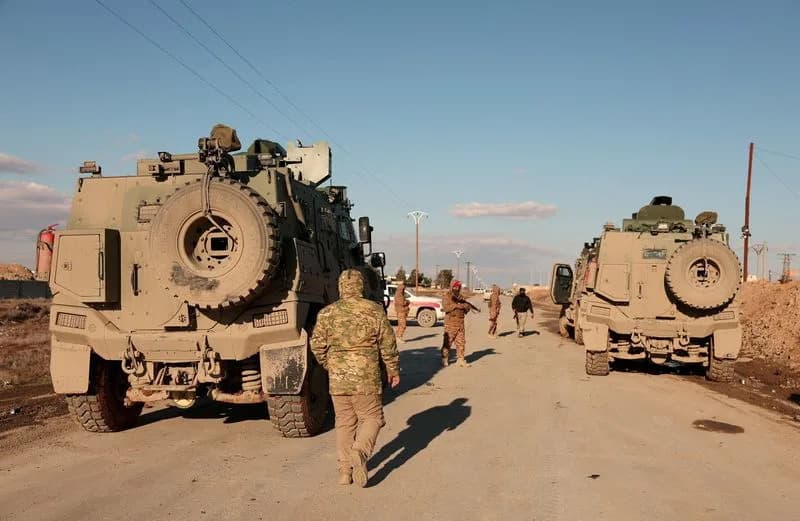
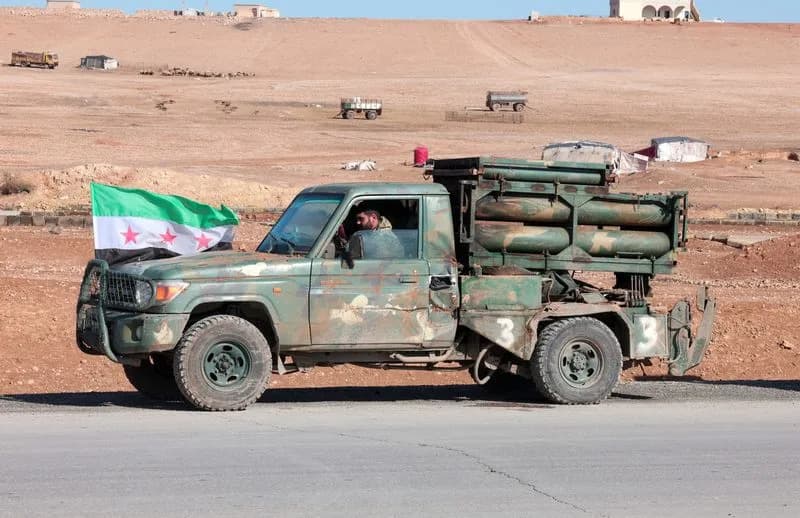
The March agreement between Damascus and the SDF envisioned merging the Kurdish-led force into a reconstituted Syrian army, but the pact left many details unresolved and implementation has largely stalled. A central sticking point is whether the SDF would enter the new army as intact, cohesive units or be dissolved and have its members absorbed individually.
Turkey strongly opposes the SDF joining as a single formation, arguing that the SDF is closely linked to the Kurdistan Workers' Party (PKK), which Ankara considers a terrorist organization. Kurdish leaders say there is a preliminary understanding to allow three SDF-affiliated divisions to integrate as units, but it is unclear how close a final agreement is. The original deadline for implementation was the end of the year, raising concerns among officials that failure to reach an accord could spark a wider military confrontation.
Al-Shibani criticized the SDF's pace of implementation, saying, "We have not seen an initiative or a serious will from the Syrian Democratic Forces to implement this agreement. There has been systematic procrastination." He added that Damascus had submitted a follow-up proposal and received a response on Sunday, without providing details.
Regional Tensions: Israel and External Support
Fidan also criticized what he called Israel's "expansionist policies" in Syria and accused the SDF of coordinating with Israel, a claim he did not publicly substantiate. Israeli forces have recently increased operations in southern Syria, seizing parts of a U.N.-patrolled buffer zone and carrying out strikes on Syrian military targets amid broader regional friction.
Turkey's relationship with interim President Ahmad al-Sharaa is complex: Ankara previously opposed al-Sharaa when he led an armed faction in northwest Syria but has since engaged with and supported his government. Alongside Saudi Arabia and Qatar, Turkey helped press for the lifting of long-standing U.S. sanctions on Syria, and the Turkish military has provided training to cadets and officers of the new Syrian army.
With the clock ticking, diplomats and commanders face the delicate task of translating the March agreement's broad framework into operational steps that can reduce tensions and avoid a return to large-scale confrontation.
Help us improve.