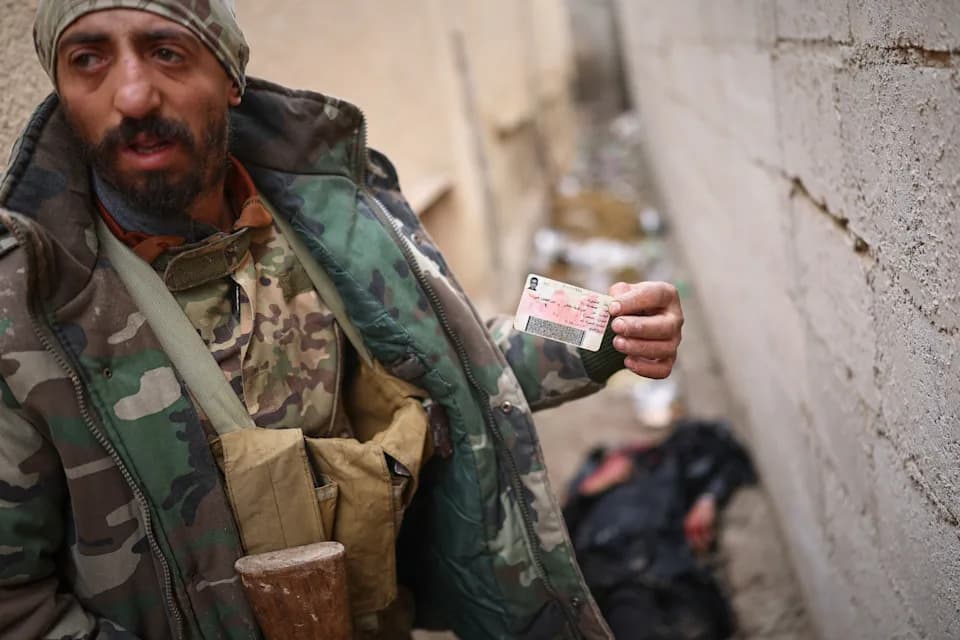
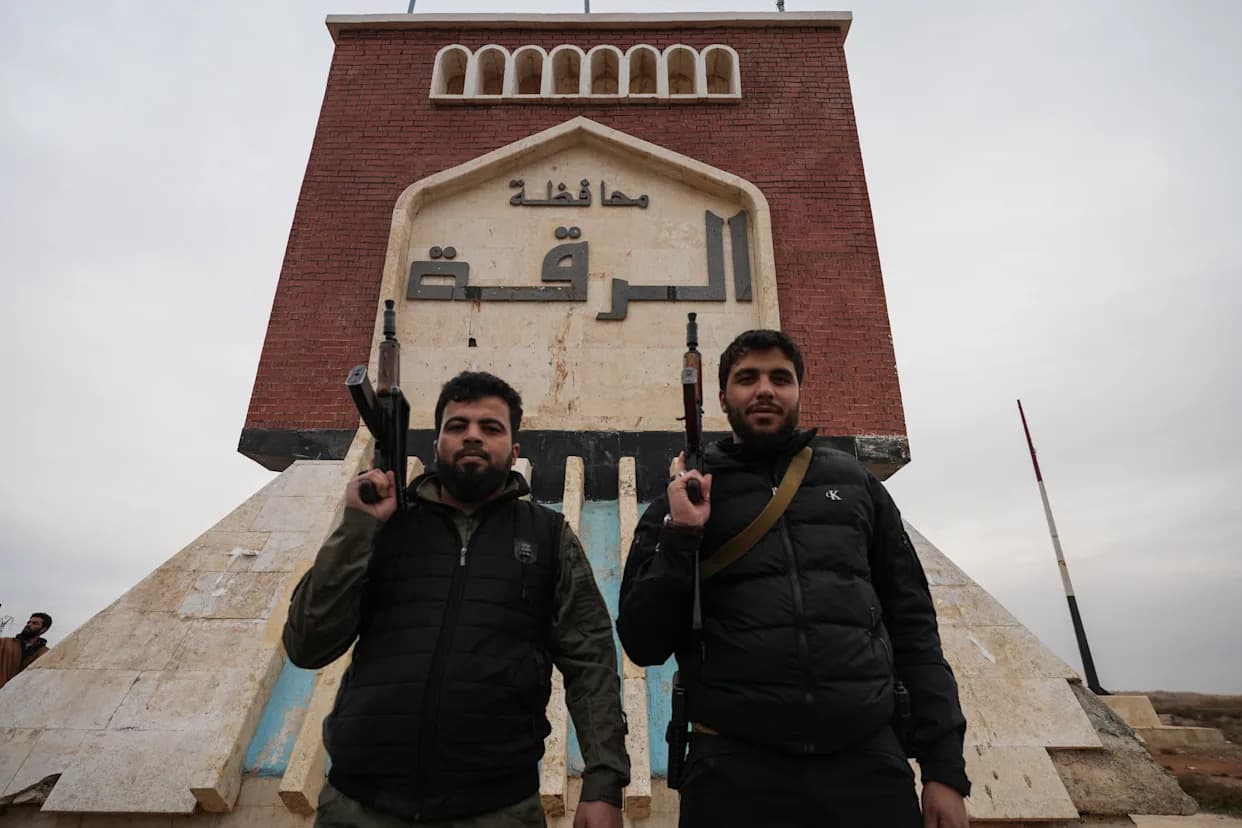
The Syrian army struck SDF positions around Deir Hafer, about 50 km east of Aleppo, prompting SDF commander Mazloum Abdi to announce a withdrawal east of the Euphrates following mediator appeals. The pullback is presented as upholding the stalled March 10 agreement on integrating Kurdish authorities with the Syrian state. Clashes in Aleppo this month left at least 23 dead and displaced more than 150,000 people. In a conciliatory move, President Ahmed al-Sharaa recognised Kurdish as a national language, declared Nowruz an official holiday and moved to restore citizenship to some Kurds.
Syrian Army Strikes SDF Near Deir Hafer; Kurdish Forces Announce Eastward Withdrawal

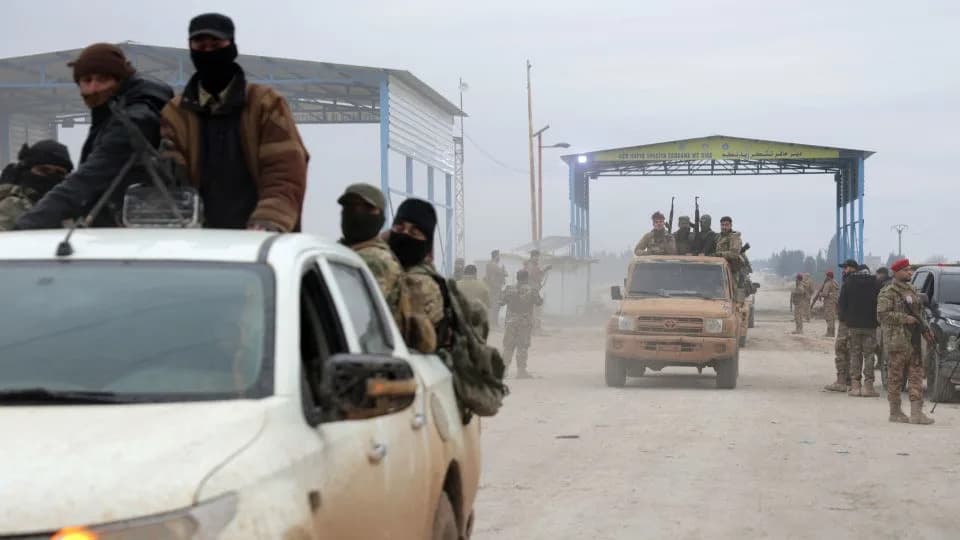
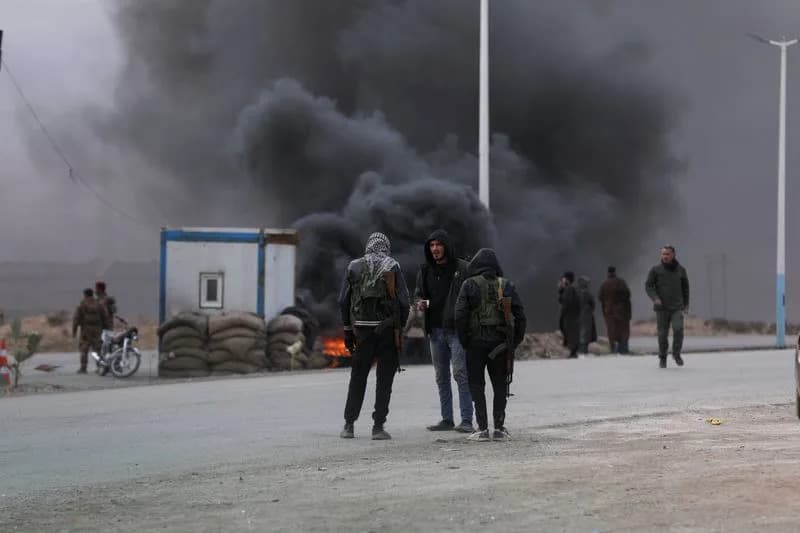
Syrian army units waiting at their positions on the front line around Deir Hafer, about 50 kilometres east of Aleppo, in Syria, on 16 January, 2026 [Stringer/Anadolu]
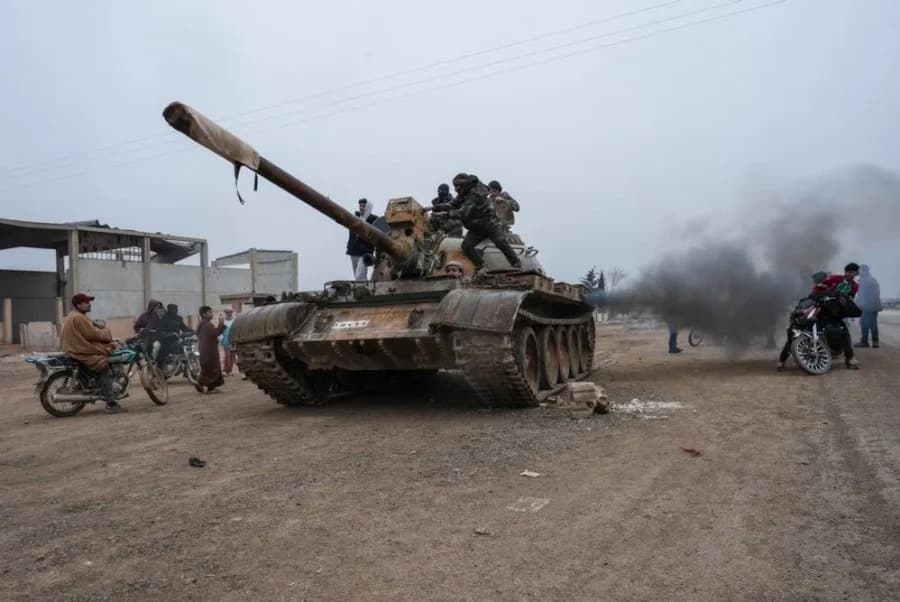
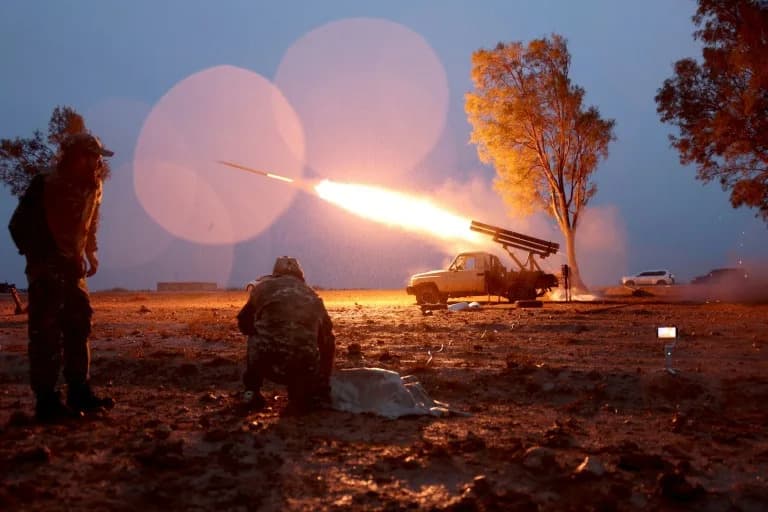
The Syrian army launched strikes on positions held by the Kurdish-led Syrian Democratic Forces (SDF) around Deir Hafer, roughly 50 kilometres east of Aleppo, after days of violent clashes in the city.
What Happened
Officials said the military issued warnings before targeting locations it accused the SDF of using "as a launching point for their terrorist operations towards the city of Aleppo and its eastern countryside." In response, SDF commander Mazloum Abdi (also known as Mazloum Kobani) announced his forces would withdraw to areas east of the Euphrates River.
Posting on X, Abdi wrote: "Based on calls from friendly countries and mediators … we have decided to withdraw our forces tomorrow morning at 7am [04:00 GMT]" toward redeployment east of the Euphrates.
Context And Impact
The pullback, Abdi said, is intended to demonstrate the SDF's commitment to implementing the March 10 agreement, an arrangement that envisions integrating the Kurdish de facto administration with Syria's central state institutions. Delays in carrying out that deal — which envisaged SDF integration with the Syrian Ministry of Defence by the end of 2025 — helped fuel fierce clashes in Aleppo this month.
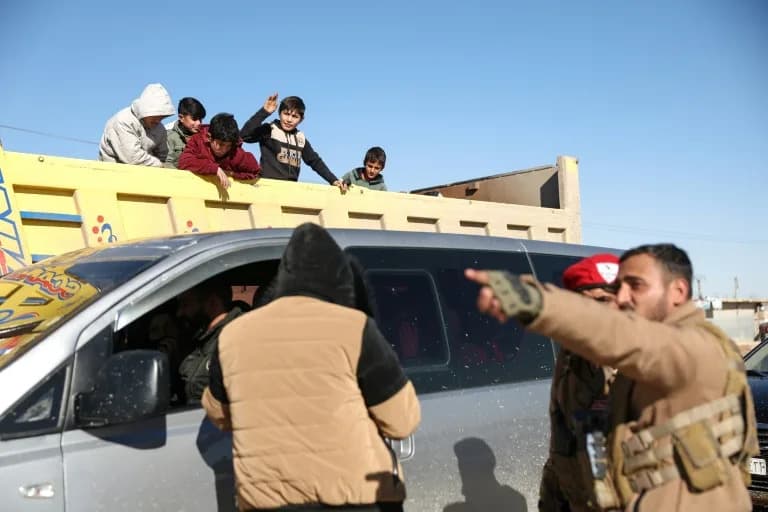
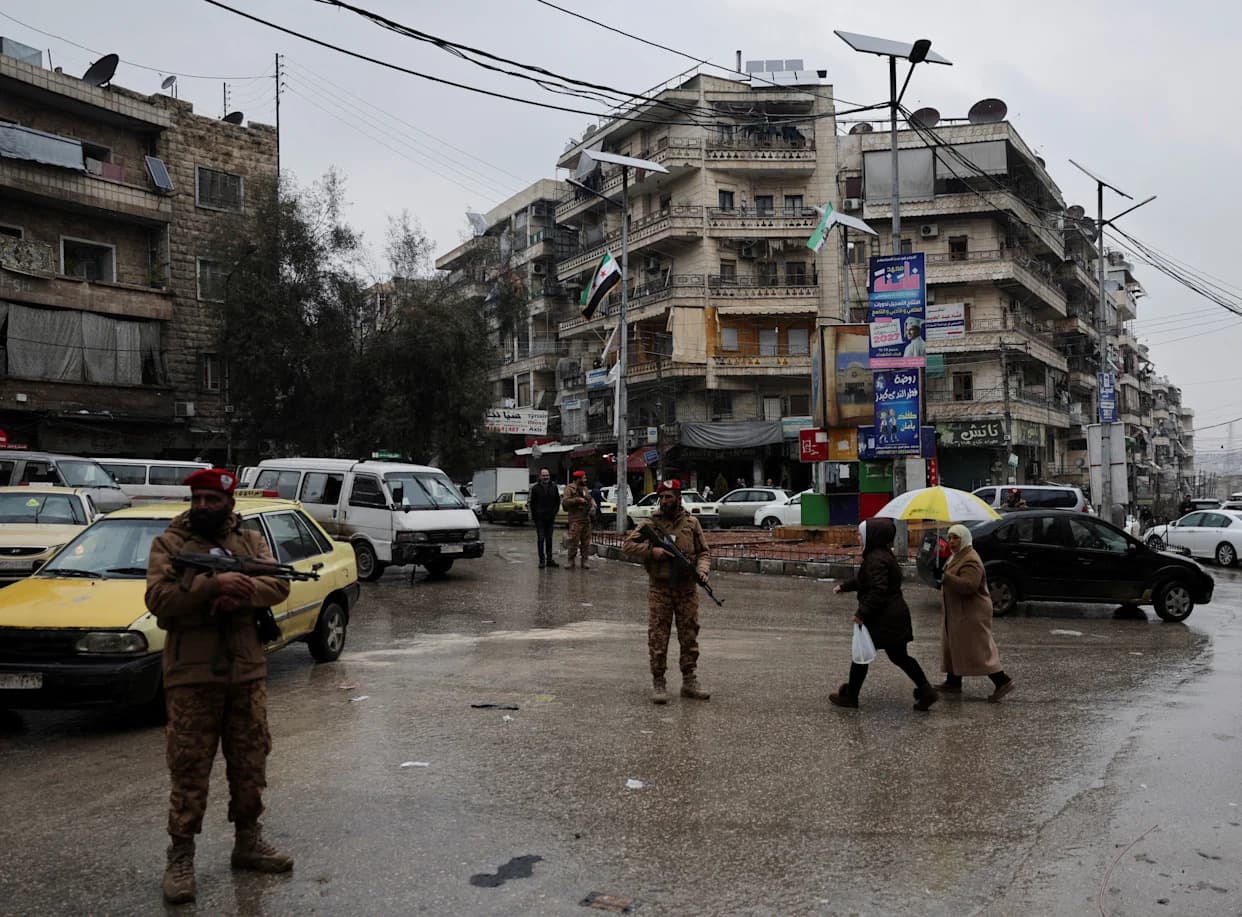
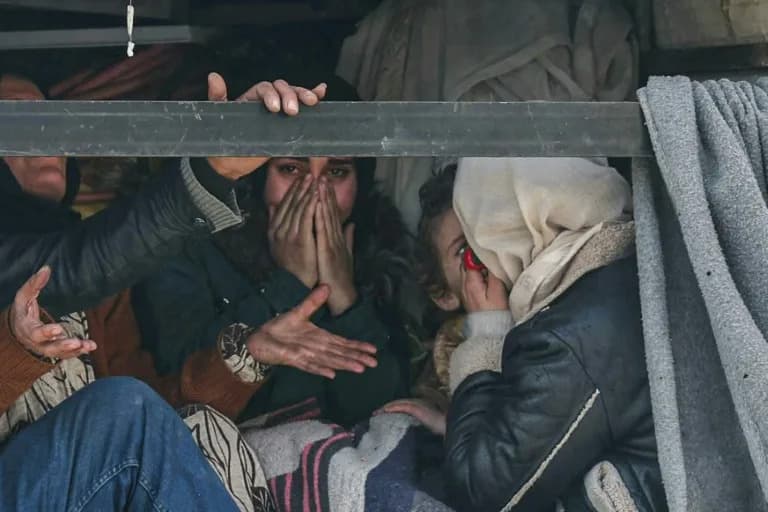
Syrian authorities say the recent fighting in Aleppo left at least 23 people dead. As government forces advanced, more than 150,000 residents fled from two SDF-held pockets of Aleppo. By Sunday, state forces had asserted full control over Aleppo, and thousands more were displaced during operations near Deir Hafer.
Authorities reported that at least 4,000 people left the Deir Hafer area on the day the army issued an evacuation deadline for civilians.
Political Gesture
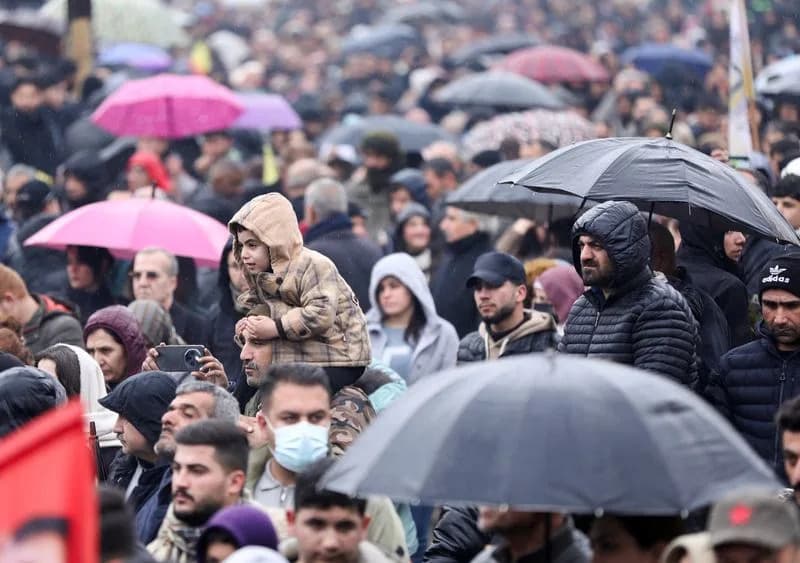
In a conciliatory move after the Aleppo clashes, President Ahmed al-Sharaa issued a decree recognising Kurdish as a "national language," described by officials as the first formal recognition of Kurdish cultural rights since independence. The decree calls Kurds "an essential and integral part" of the state, and also declared Nowruz (the Kurdish new year on March 21) an official holiday. Authorities said the decree includes measures to grant nationality to some Kurds who lost citizenship after a controversial 1962 census.
Diplomacy And Next Steps
Friday's strikes occurred despite meetings between a U.S.-led coalition delegation and Kurdish representatives aimed at easing tensions. Abdi framed the redeployment as consistent with mediator appeals and with efforts to uphold the March 10 agreement, though significant implementation challenges remain.
Why It Matters: The developments affect the balance of control in Syria's north and northeast — areas that include key energy resources — and have immediate humanitarian consequences for displaced civilians. The recognition of Kurdish language and holidays represents a significant political shift if implemented in practice.
Help us improve.