
Sen. Marco Rubio avoided a direct answer on whether he would run Venezuela after the U.S. said it had "captured" President Nicolás Maduro and his wife. He said Washington expects short- and long-term changes and intends to use "crippling leverage" until outcomes align with U.S. interests. Rubio framed the effort as a coordinated policy-driven operation across national security agencies. The Washington Post reported sources calling Rubio the administration's de facto point person, while Venezuelan officials denounced the move as illegal.
Rubio Dodges Whether He’ll Lead Venezuela After U.S. Claims It 'Captured' Maduro

Marco Rubio told Kristen Welker that people were 'fixating' on the idea of him taking over Venezuela. / NBC News
Sen. Marco Rubio repeatedly sidestepped a direct answer on NBC's Meet the Press when asked whether he would assume control of Venezuela after the United States said it had "captured" President Nicolás Maduro and his wife, Cilia Flores.
On the Record
Host Kristen Welker asked Rubio if he was "running" Venezuela following the U.S. announcement. Rubio, 54, deflected: "Yeah, I mean, I keep—people fixating on that. Here's the bottom line on it... We expect to see changes in Venezuela."
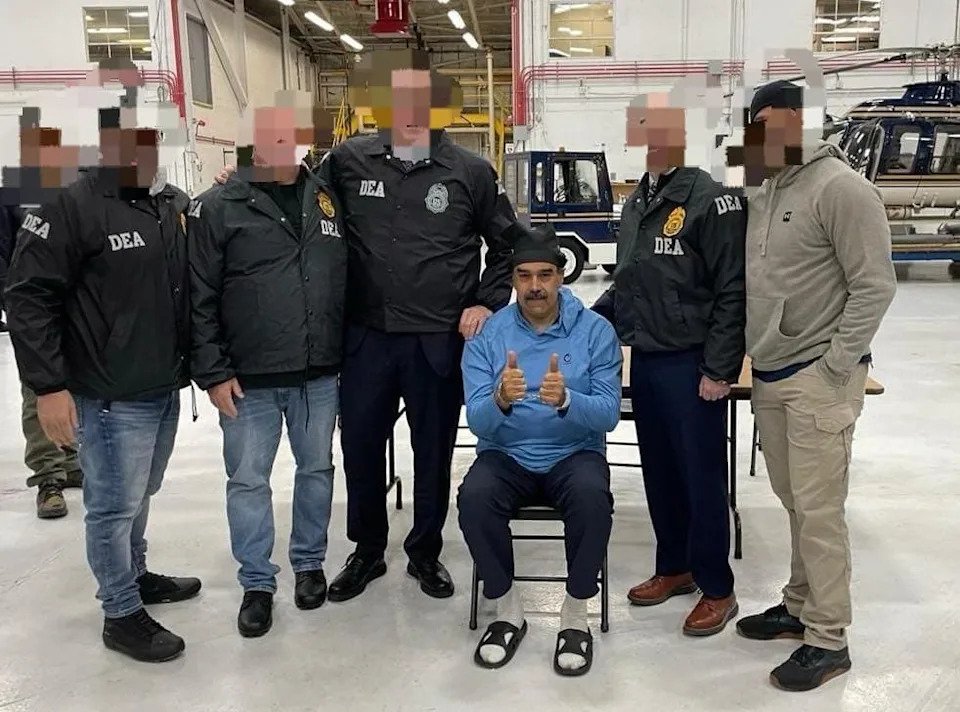
Nicolás Maduro was captured and brought to the U.S. on Saturday after strikes on Venezuela. / X
He added that Washington expects "changes of all kinds, long-term, short-term," but emphasized that the most immediate measures will reflect "the national interest to the United States." Rubio said the U.S. planned to apply what he called "crippling leverage" until it saw outcomes that benefit both Americans and, he suggested, Venezuelans as well.
Pressed For Details
Welker pressed Rubio on President Trump's remark that "We're going to run the country," asking whether that meant Rubio, or others such as "Secretary Hegseth," would effectively run Venezuela. Rubio rejected the idea that the U.S. would be personally "running" the country, saying instead that the United States would be "running policy" to push Venezuela in a direction that aligns with U.S. interests and security concerns.
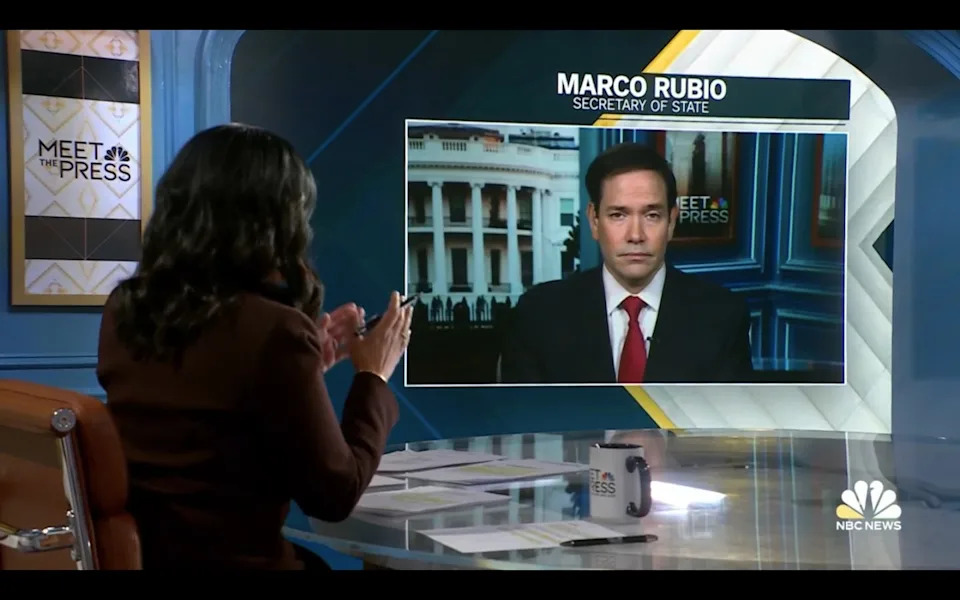
While Rubio said he was 'very involved,' he stated that a 'team effort' would overlook policy in Venezuela. / NBC News
When asked whether he was involved in the transition, Rubio replied, "Obviously I'm very involved in this," adding defensively that, as Secretary of State and National Security Advisor roles intersect with the region, he has been engaged in hemisphere politics and the operational elements of the effort.
Rubio also framed the response as a coordinated effort: "The Department of War plays a very important role here along with the Department of Justice, for example, because they're the ones that have to go to court... So this is a team effort by the entire national security apparatus of our country." (The modern U.S. military department is the Department of Defense; Rubio's wording echoed an older term.)
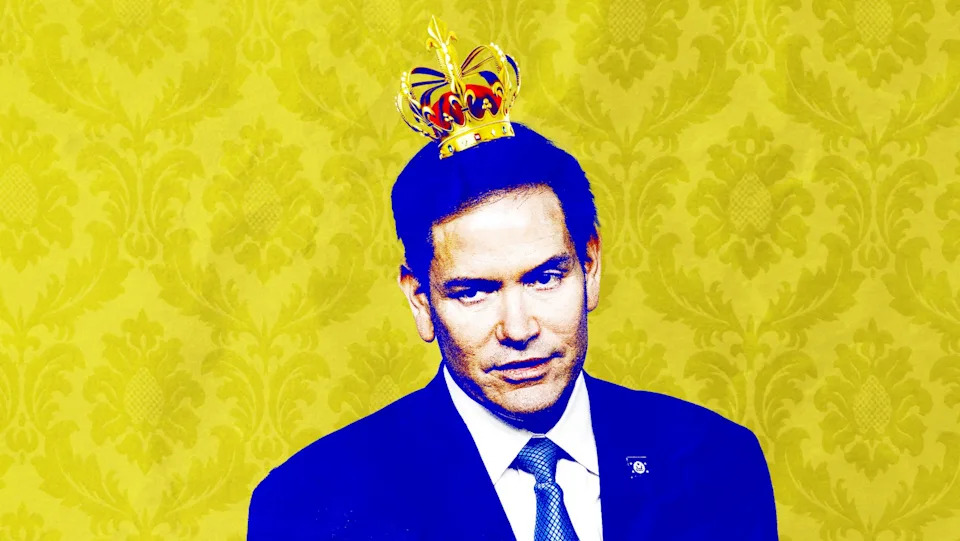
Photo Illustration by Victoria Sunday/The Daily Beast/Getty Images
Administration Role and Reactions
Despite Rubio's reluctance to adopt the label of on-the-ground ruler, The Washington Post reported that sources describe him as the administration's effective point person on Venezuela, dubbing him the "Viceroy of Venezuela" because of his personal background, Spanish fluency, and hard-line approach to Latin American policy. One source told the paper, "Rubio and the president are working hand in glove on this."
At a separate press conference, President Trump said the U.S. would "run" Venezuela for now and indicated control over Venezuelan oil assets. Venezuelan Vice President Delcy Rodríguez condemned the U.S. action as an "illegal and illegitimate kidnapping," vowing that the Venezuelan people would "never again be slaves."
Context: The episode underscores tensions over U.S. intervention and the question of who will shape Venezuela's political transition. Rubio emphasized U.S. policy goals and a team-based, national-security-led approach rather than suggesting he would personally govern Venezuela.
Help us improve.


