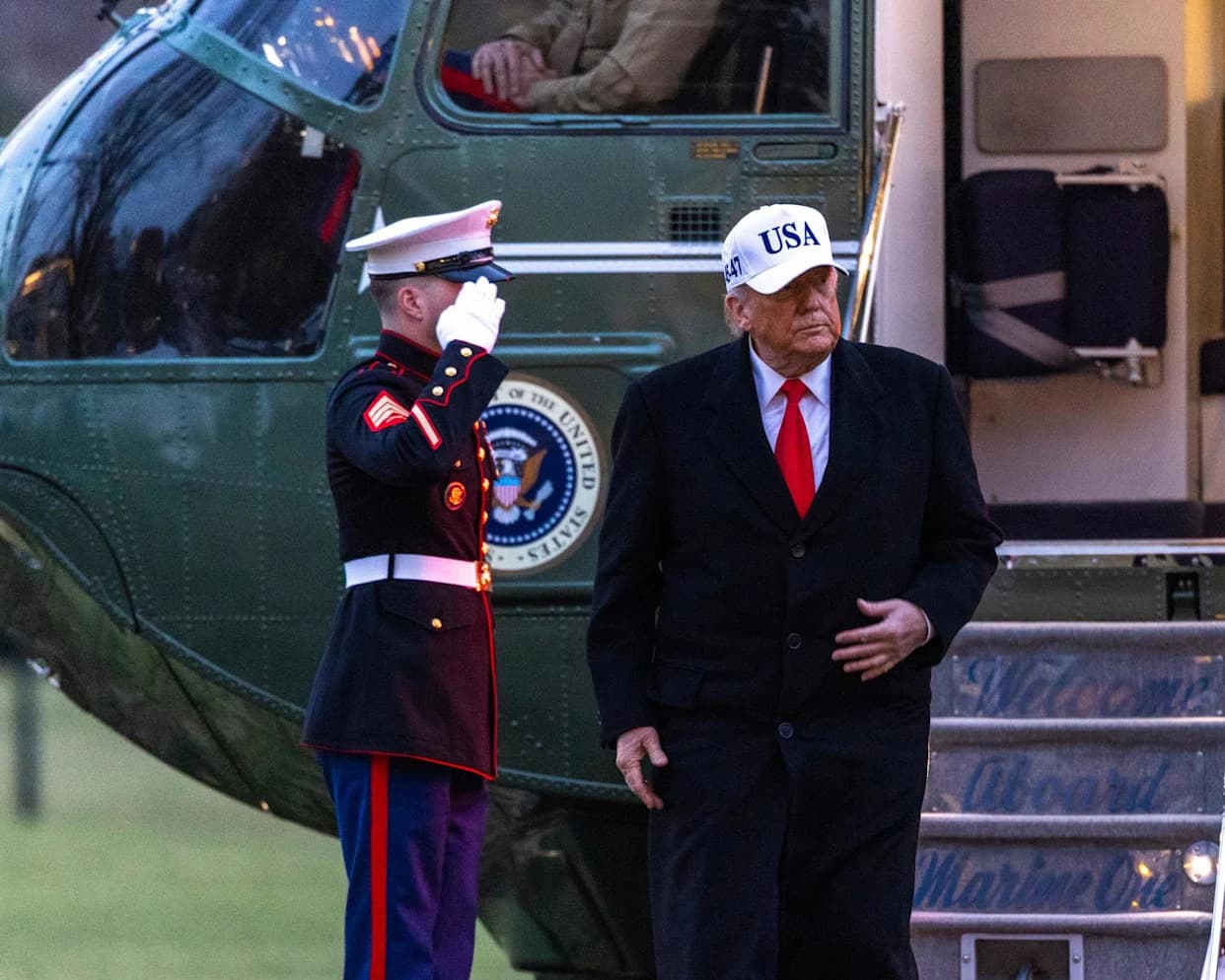
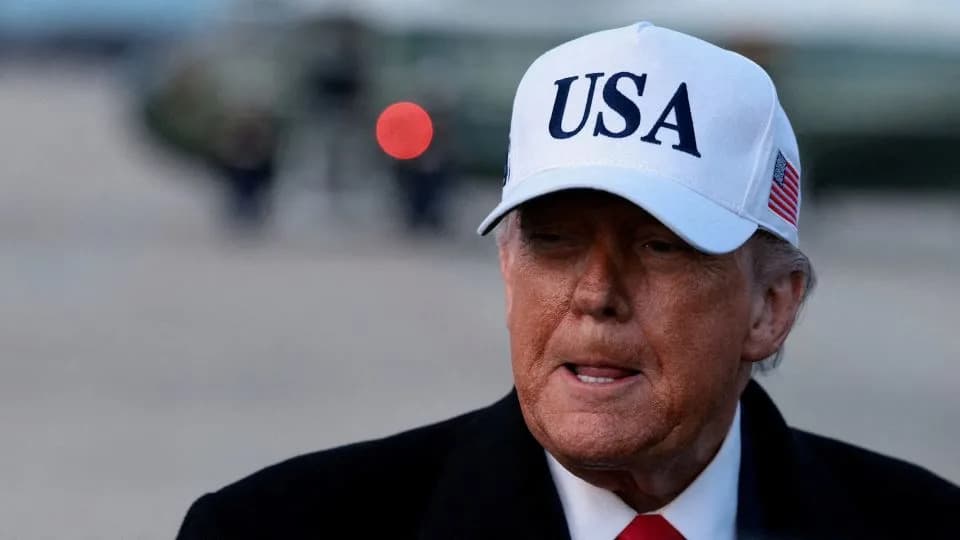
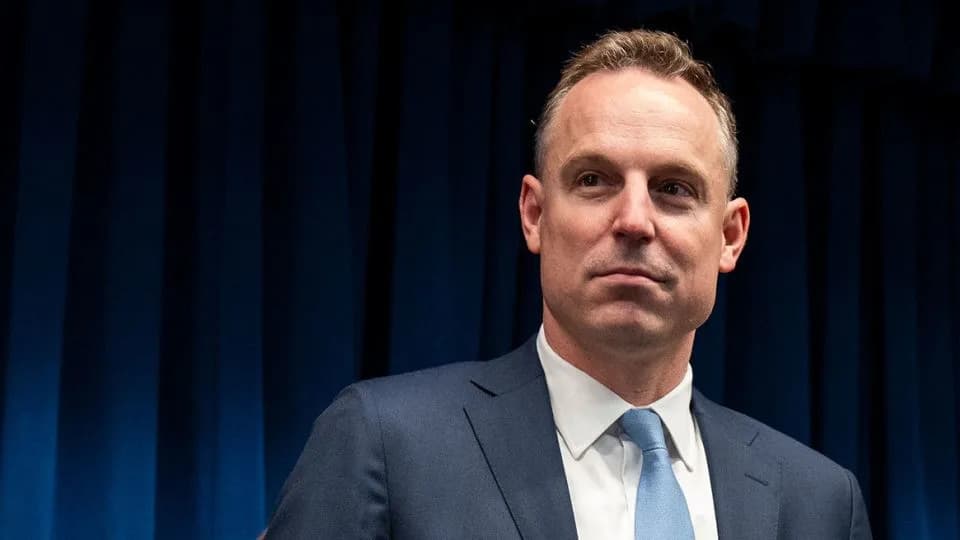
German Finance Minister Lars Klingbeil said international law applies to everyone, including the United States, after reports President Trump discussed seizing Greenland. Klingbeil emphasized that decisions on Greenland rest with Denmark and Greenland and warned that any U.S. seizure would strain NATO ties. He also said G7 finance ministers will prioritize access to critical minerals to reduce dependence on China, which refines 47%–87% of several key materials.
Germany Warns U.S. Must Respect International Law After Trump’s Greenland Comments
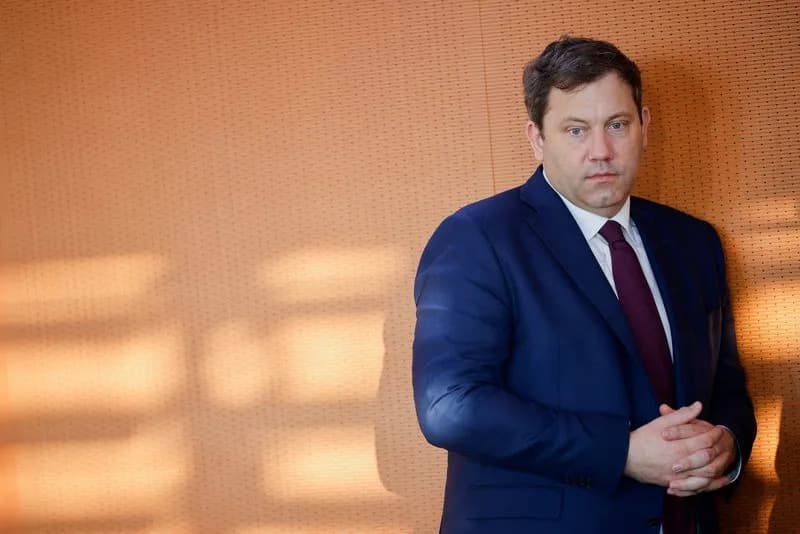
German Vice Chancellor and Finance Minister Lars Klingbeil arrives for a cabinet meeting at the Chancellery in Berlin, Germany December 17, 2025. REUTERS/Axel Schmidt
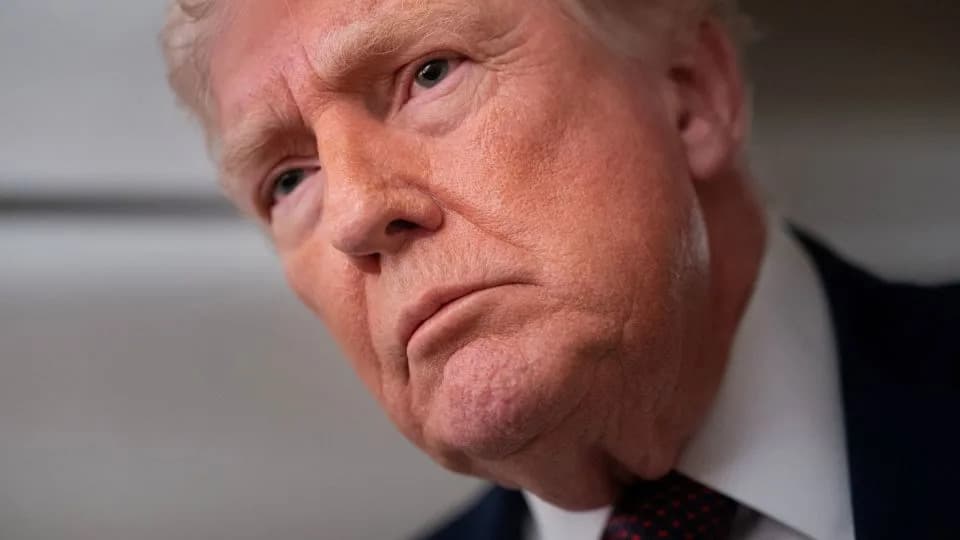
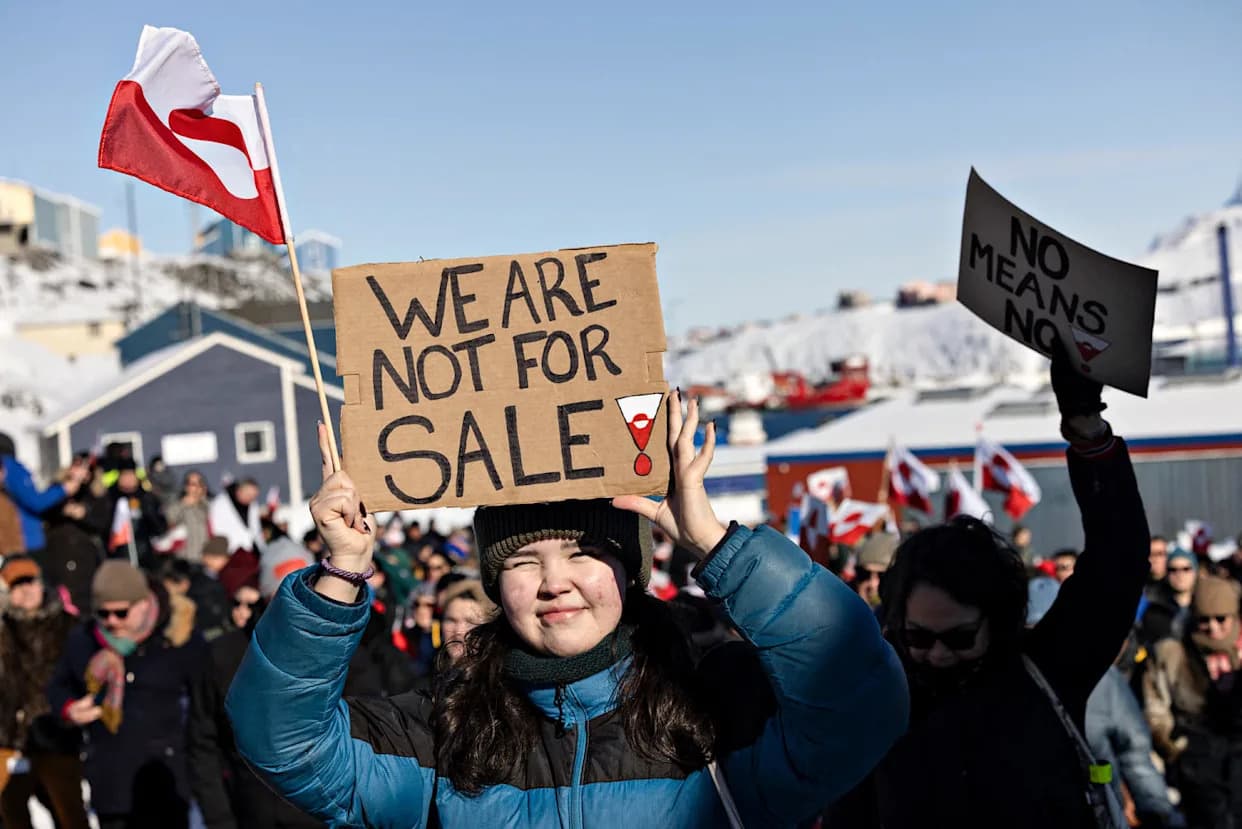
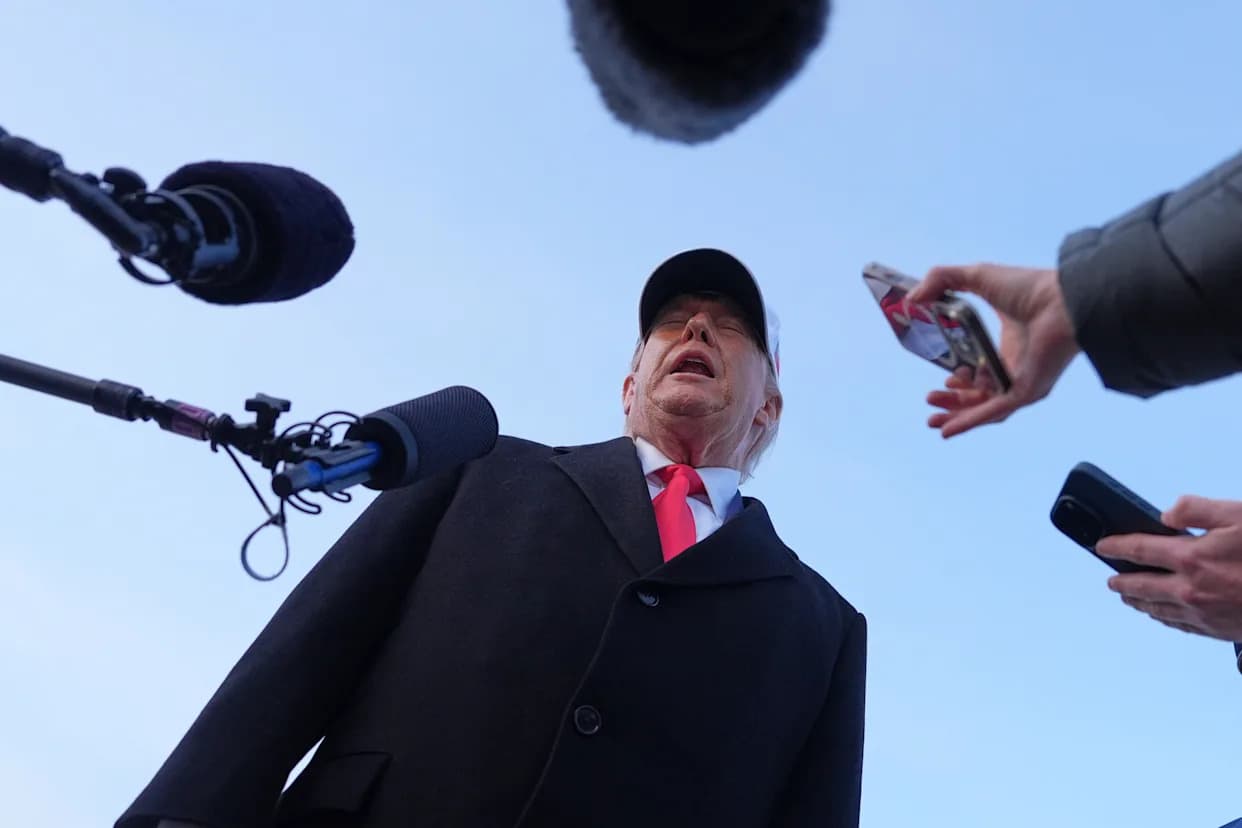
BERLIN, Jan 11 (Reuters) - German Finance Minister and Vice-Chancellor Lars Klingbeil said on Sunday that the principles of international law apply to all countries, explicitly including the United States, responding to reports that President Donald Trump had discussed the possibility of seizing Greenland.
Klingbeil, speaking ahead of his trip to Washington for a meeting of Group of Seven finance ministers, stressed that decisions about Greenland’s future must be made by Denmark and Greenland themselves.
"It is solely up to Denmark and Greenland to decide about Greenland's future. Territorial sovereignty and integrity must be respected," Klingbeil said.
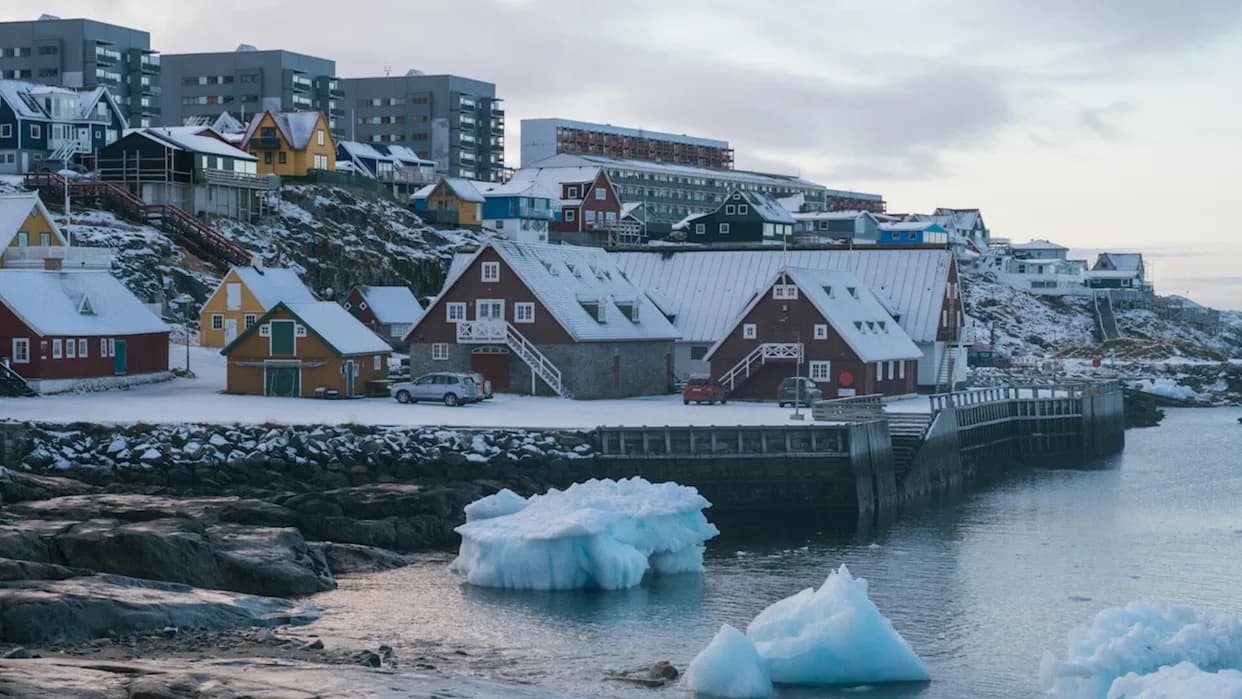
He warned that any U.S. military seizure of the mineral-rich Arctic island from Denmark — a long-standing ally — would reverberate across NATO and further strain relations between President Trump and European leaders.
"We increase security in the Arctic together as NATO allies, not in opposition to one another," Klingbeil added.
G7 to Focus on Critical Minerals
Monday's G7 meeting of finance ministers is expected to prioritize access to critical minerals as Western countries seek to reduce their dependence on China following Beijing's tighter export controls on rare earths.
Klingbeil said Germany has a strong interest in expanding international cooperation to strengthen supply security, reduce dependencies and ensure predictable economic conditions.
"That is why it is important that we consult with our international partners and — wherever possible — act together," he said.
According to the International Energy Agency, China currently refines between 47% and 87% of key materials in the critical minerals supply chain, including copper, lithium, cobalt, graphite and rare earths — a concentration that has prompted calls among G7 countries for greater diversification.
(Reporting by Maria Martinez; Editing by Miranda Murray)
Help us improve.