
While shopping before Christmas, the reporter found a can of ByHeart infant formula on a Kroger shelf despite an all-lots recall issued on Nov. 11, 2025. Federal and state investigations linked the product to 51 infant botulism hospitalizations in 19 states. The FDA sent warning letters to major retailers, and experts say gaps in communication, inventory controls and recall technology hinder effective removal of dangerous products. Parents should check recall databases and monitor infants for symptoms.
Recalled Baby Formula Still On Shelves: What Happened and What Parents Should Know

A can of ByHeart powdered infant formula sits on the shelf at a Kroger in Atlanta on December 21, 2025. All lots of the product were recalled on November 11. - Brenda Goodman/CNN
During a routine grocery run just before Christmas, the reporter noticed a can of ByHeart powdered infant formula on a Kroger shelf with a November recall notice taped beneath it. The image was shared with food-safety experts and regulators, prompting questions about why recalled baby formula remained available to consumers weeks after an all-lots recall.
What Happened
On Nov. 11, 2025, all lots of ByHeart Whole Nutrition powdered infant formula were recalled after public-health investigations — led by the California Department of Public Health, the FDA and CDC — linked an unusual cluster of infant botulism cases to the product. Testing identified the bacterium that causes botulism in opened cans and later in some unopened samples.
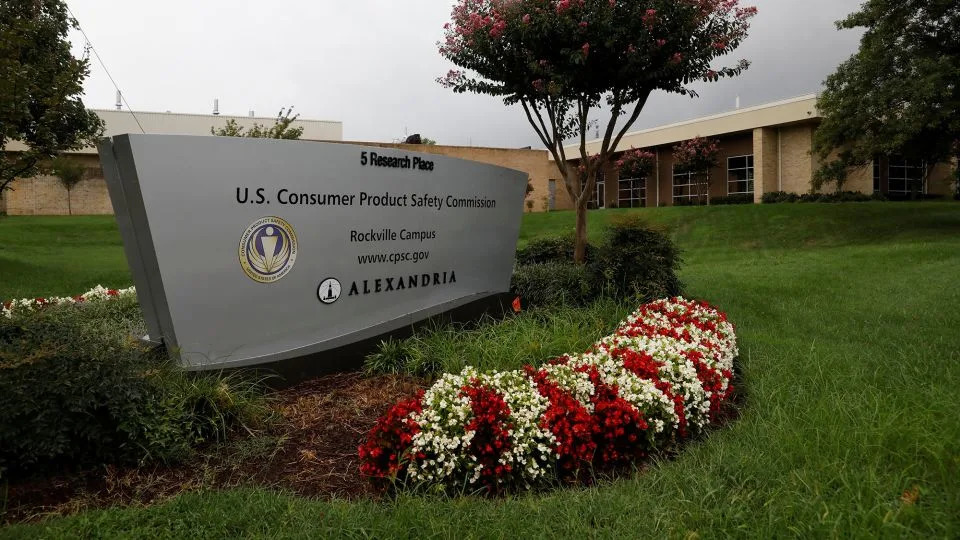
Signage is seen outside of the US Consumer Product Safety Commission in Rockville, Maryland. - Andrew Kelly/Reuters
Health Impact
Through Dec. 17, the FDA reported 51 infants in 19 states hospitalized with infant botulism; there have been no reported deaths. Treatment with Baby Botulism Immune Globulin Intravenous (BabyBIG) has been critical to recovery, though it is expensive and infants can still face extended hospital stays and long rehabilitation periods.
Retailer And Regulator Response
The FDA sent warning letters on Dec. 12 to Kroger, Target, Albertsons and Walmart after inspectors found ByHeart cans and single-serving packs for sale across 36 states despite the recall. Kroger said it had blocked the items at point of sale and removed affected product, but did not explain why a can remained on the shelf.
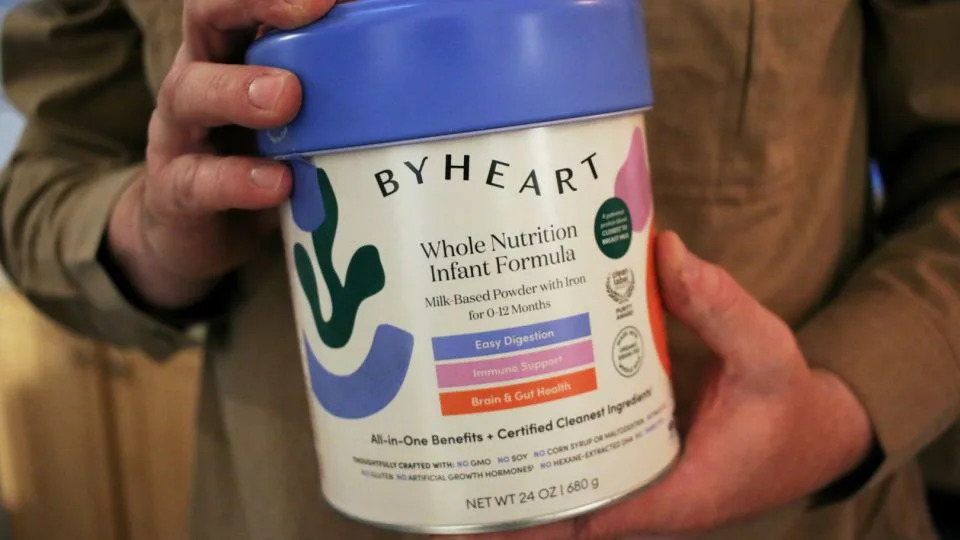
ByHeart baby formula, shown in Flagstaff, Arizona, in November, after an investigation identified an unusually high number of infant botulism cases in babies who used the company's formula. - Cheyanne Mumphrey/AP
"This is nuts," said food-safety attorney Bill Marler, who represents families whose infants developed botulism after consuming ByHeart formula. "Retailers need to act faster to remove recalled product from sale."
Past enforcement actions show the problem is persistent: in 2022, the CPSC fined TJX $13 million after investigators found more than 1,200 units of recalled merchandise still on sale, including infant sleepers deemed deadly.
Why Recalled Items Stay Available
Common problems include gaps in staff communication, inconsistent enforcement of recall protocols, disabled inventory-control systems during busy sales periods, and the sheer volume of recalls that strains regulatory resources. The CPSC’s ESAFE team has increased online takedown activity — issuing 33,000 orders in a recent three-month period — but agencies cannot inspect every retailer or listing.
The US Food and Drug Administration says there have been 51 infants in 19 states with suspected or confirmed infant botulism and confirmed exposure to ByHeart Whole Nutrition infant formula. Cases seem to have slowed in recent weeks. - Issam Ahmed/AFP/Getty Images
Industry Critiques And Proposed Fixes
Experts say the ByHeart response suffered from a staggered recall and delayed national coordination, which likely caused confusion for retailers. Frank Yiannis, former FDA deputy commissioner, urged wider adoption of technology such as RFID tagging and stronger traceability rules to speed identification and removal of contaminated lots. ByHeart has paused production, reported finding botulinum spores in 6 of 36 finished-product samples, and is auditing its supply chain.
What Consumers Should Do
If you buy or are offered secondhand baby gear, check the CPSC recall database before use. If you encounter recalled baby formula on store shelves, report it to store management and file a complaint with the FDA consumer portal. Monitor infants closely for symptoms of infant botulism — constipation, poor feeding, weak cry, loss of head control — and seek immediate medical attention if you suspect illness.
Bottom line: Recalled products can linger in stores and online. Stronger retailer controls, faster regulator coordination and better use of traceability technology are needed to protect infants and other vulnerable consumers.


