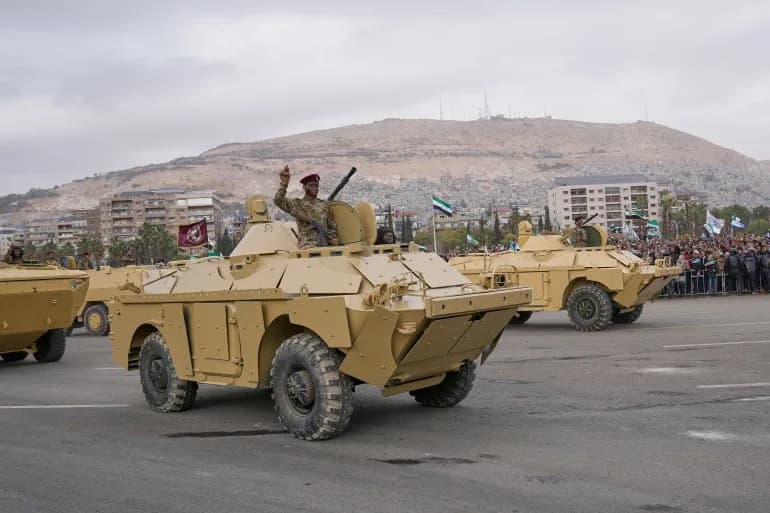
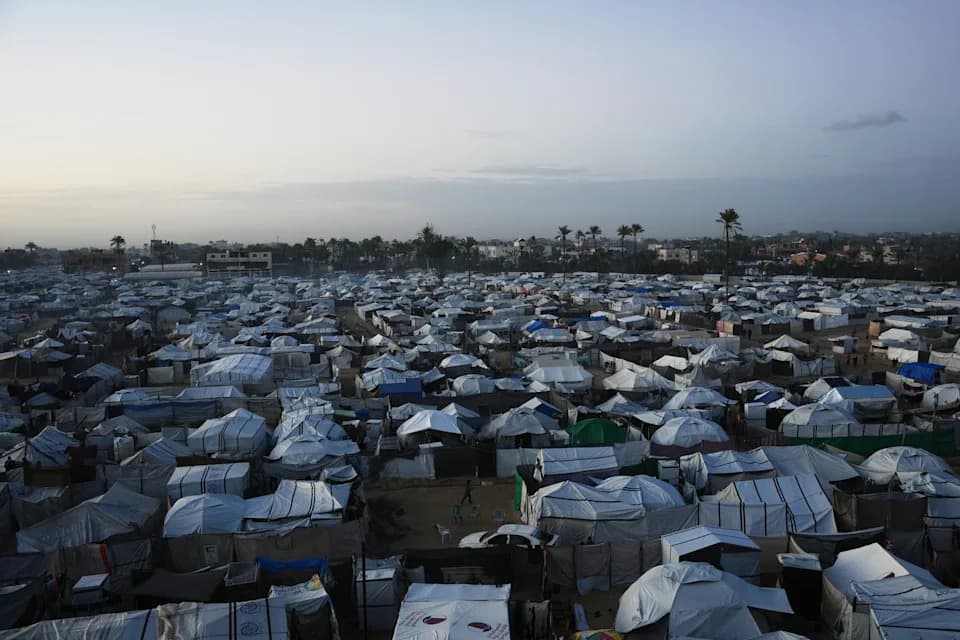
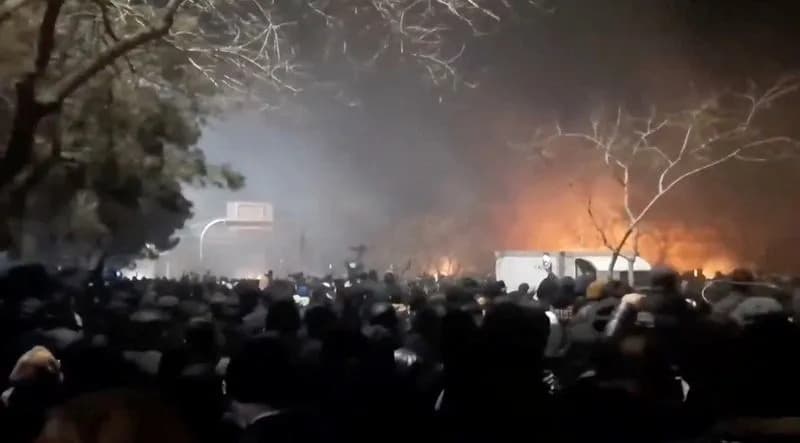
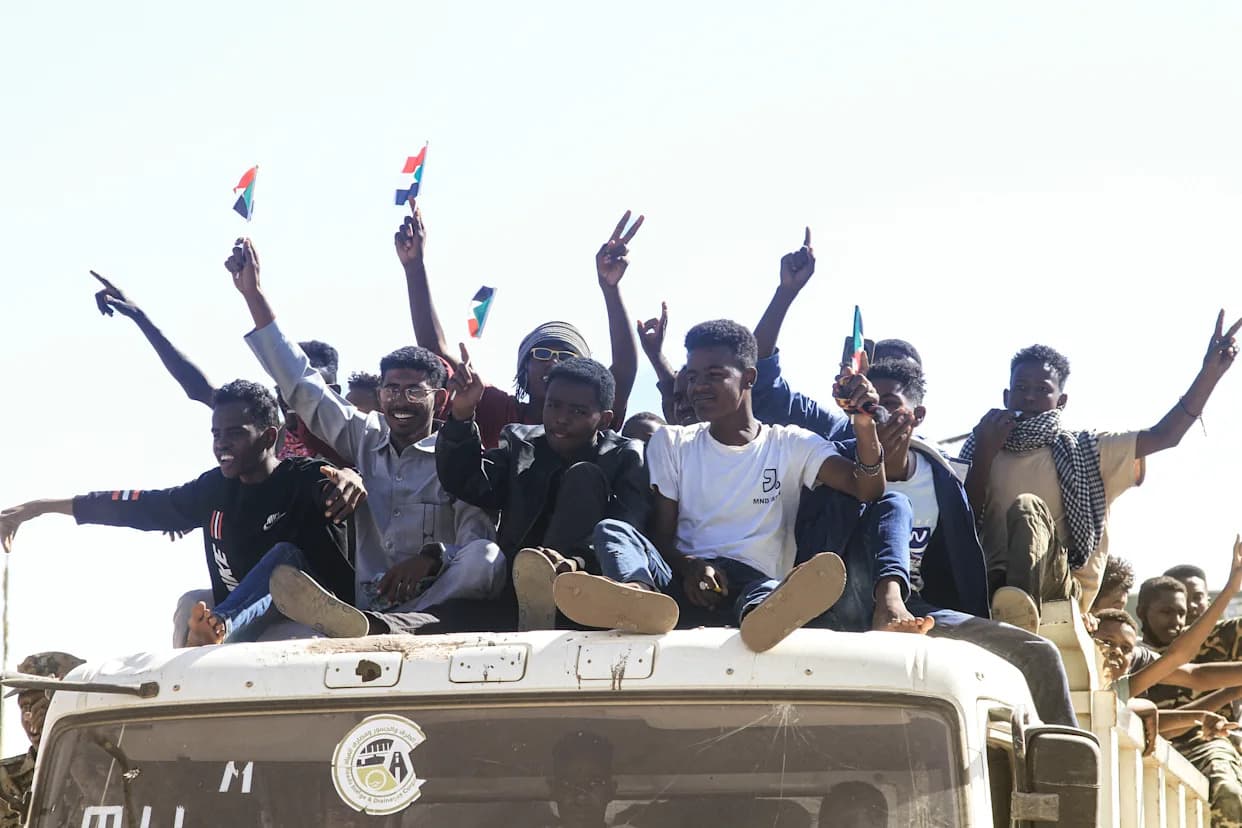
The Syrian military ordered civilians to evacuate two besieged Kurdish neighbourhoods in Aleppo — Sheikh Maqsud and Ashrafiyeh — ahead of planned strikes, after fighting that has killed at least 17 people. Thousands have already fled through army corridors and public life in Aleppo has been disrupted. The clashes jeopardise a March agreement to integrate Kurdish-run institutions into the central government and have prompted protests in Qamishli and calls for international restraint.
Syria Orders Civilians Out of Aleppo’s Kurdish Districts Ahead of New Army Strikes
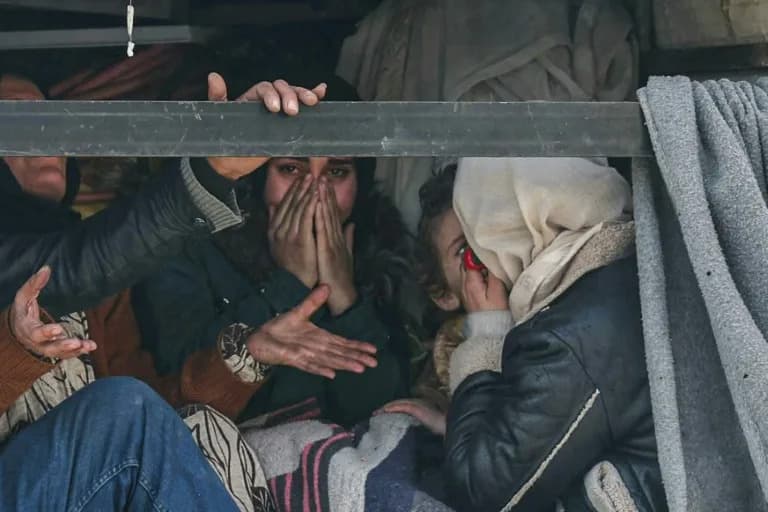
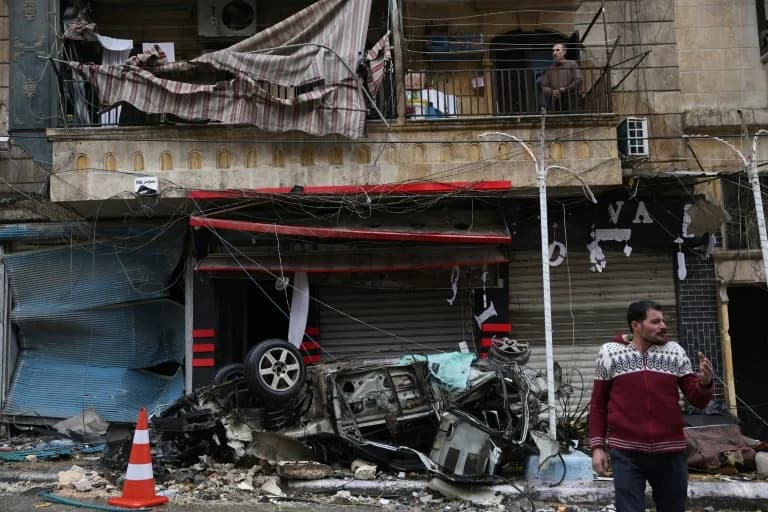
Thousands of people have fled Aleppo's majority-Kurdish areas (OMAR HAJ KADOUR)(OMAR HAJ KADOUR/AFP/AFP)
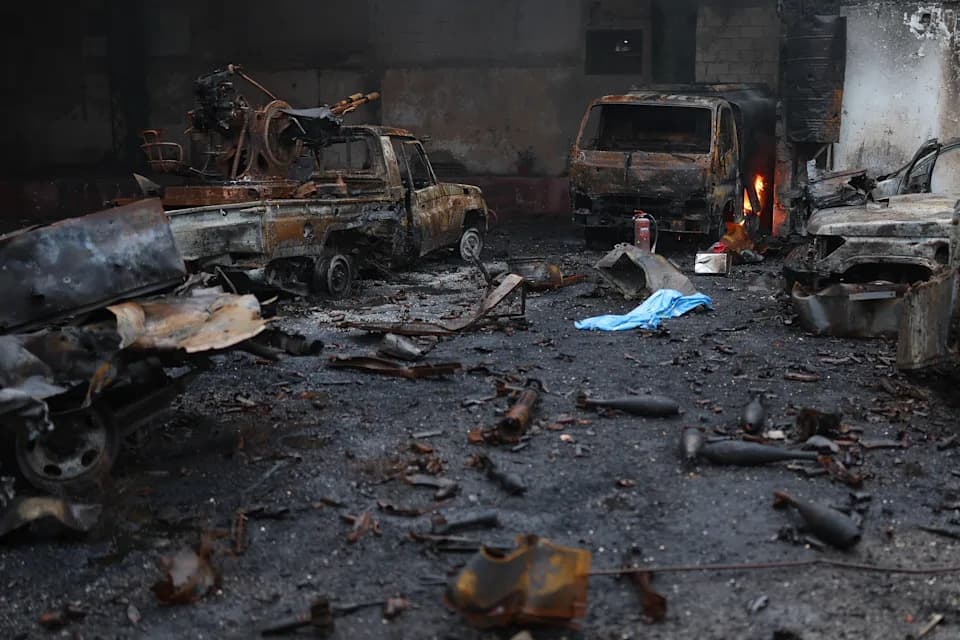
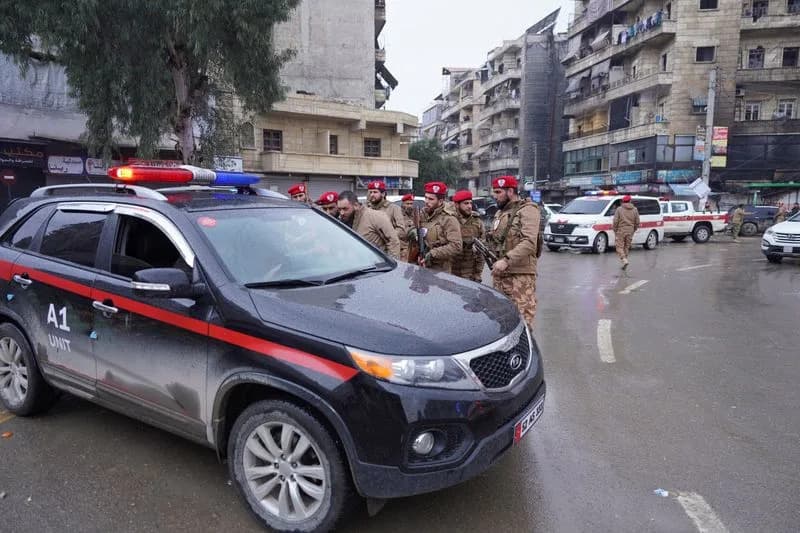
Syria's military on Thursday ordered civilians to evacuate two besieged Kurdish neighbourhoods in Aleppo — Sheikh Maqsud and Ashrafiyeh — saying it was preparing a fresh round of strikes targeting Kurdish positions. Thousands had already fled through army-established corridors after clashes between the Syrian army and Kurdish-led forces that local reports say have left 17 people dead.
Shops, universities and schools in Aleppo remained closed for a second consecutive day as residents stayed away amid security concerns. The renewed violence, which began on Tuesday, threatens implementation of a March agreement meant to fold a semi-autonomous Kurdish administration and its armed units into Syria's new central government.
Authorities again announced an evacuation window, telling civilians they could leave before 1:00 pm (1000 GMT) and warning the army would resume bombardment 30 minutes after that deadline. Observers reported shelling of the neighbourhoods after the evacuation corridor closed.
Reactions At Home And Abroad
In Qamishli, the principal city of Syria's Kurdish-majority northeast, hundreds protested the Aleppo violence and called for international intervention to protect civilians. Demonstrators carried banners reading "No to war" and "No to ethnic cleansing," and urged outside actors to act to prevent further displacement.
UN Secretary-General António Guterres urged restraint and called on both sides to return quickly to negotiations to implement the March deal. Israel's foreign minister, Gideon Saar, condemned what he described as "serious and dangerous" attacks on the Kurdish minority, while Turkey — a close ally of the new Syrian government — said it would be prepared to assist Damascus against Kurdish fighters if formally requested.
Context: These clashes underscore rising tensions over governance in Kurdish-held areas of northern Syria and risk further civilian displacement in a country already affected by years of conflict.
Help us improve.