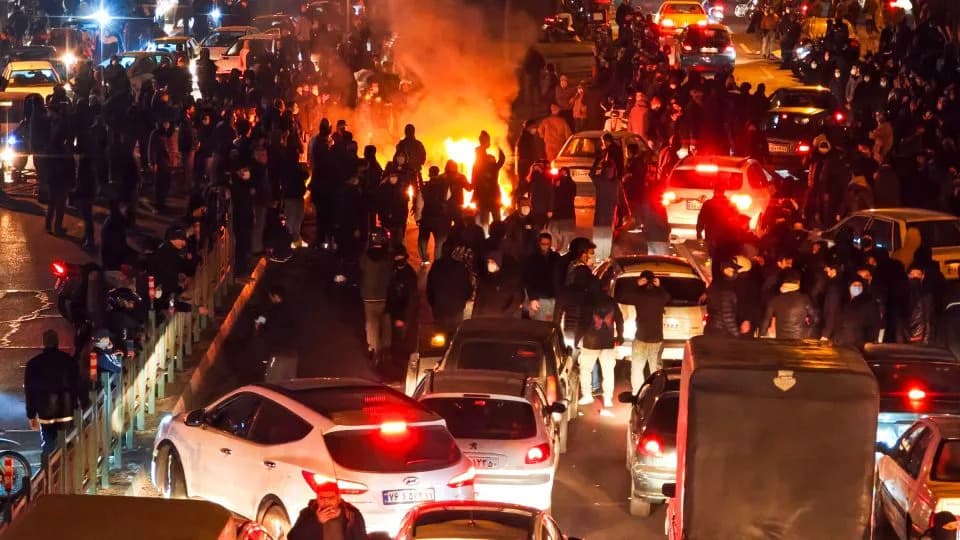
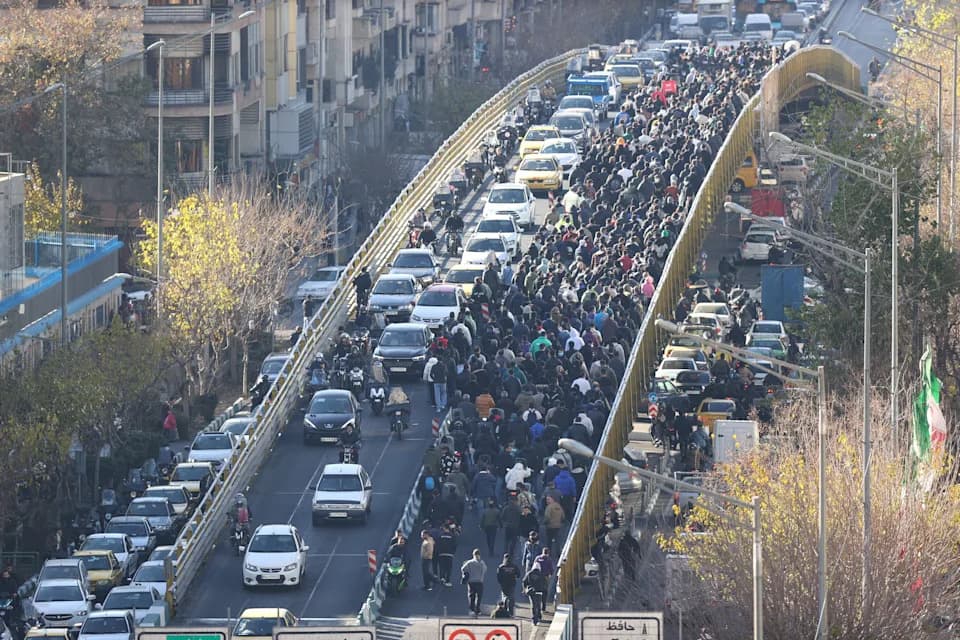
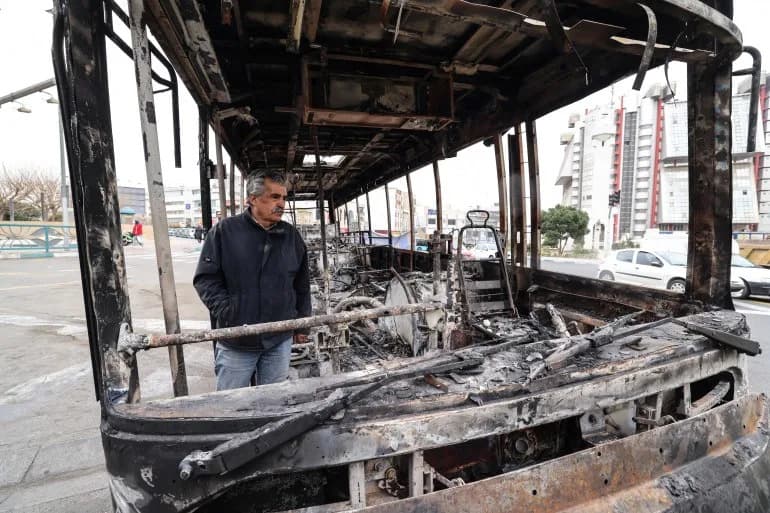
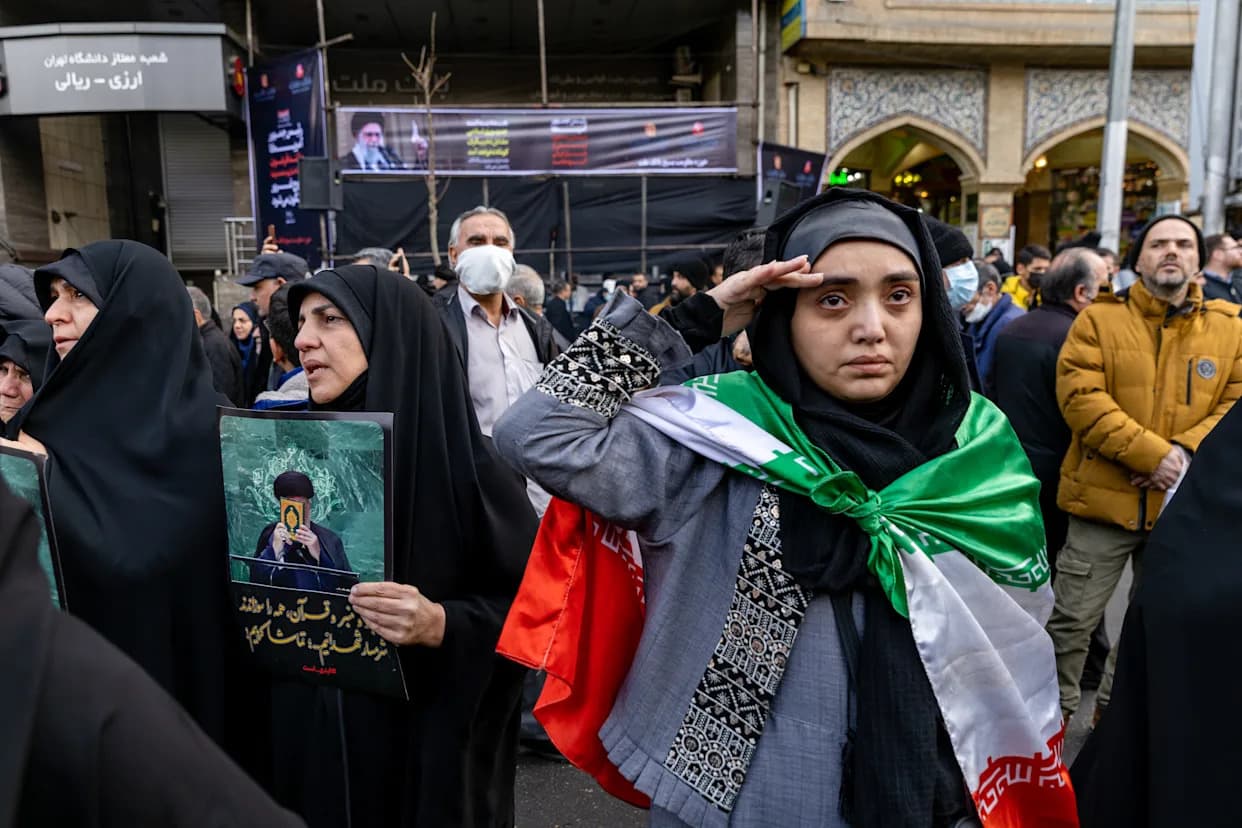
Kari Lake, deputy CEO of the U.S. Agency for Global Media, defended Voice of America’s coverage of Iran amid an internet blackout and weeks of protests that have reportedly killed more than 2,000 people. Critics, including Dan Kanninen and Rep. Don Bacon, say cuts ordered by a March executive order have weakened VOA and other U.S. broadcasters’ ability to reach Iranian audiences. Lake said VOA is broadcasting via satellite for several hours daily, has increased on-the-ground reporting, and is coordinating with Congress and the State Department to maintain outreach and convey messages of support to Iranians.
Kari Lake Defends Voice of America’s Iran Coverage as Critics Cite Cuts
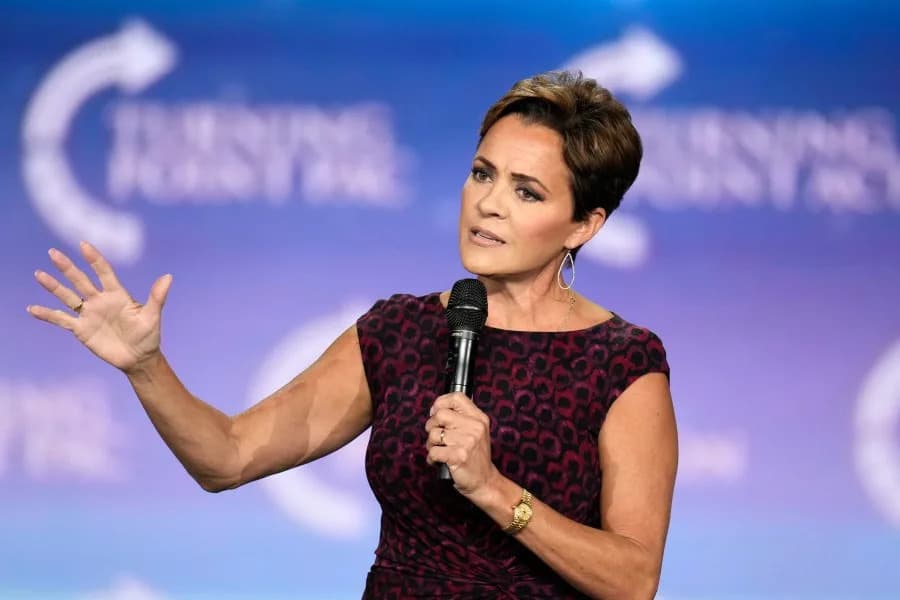
Kari Lake defends Voice of America’s Iran messaging
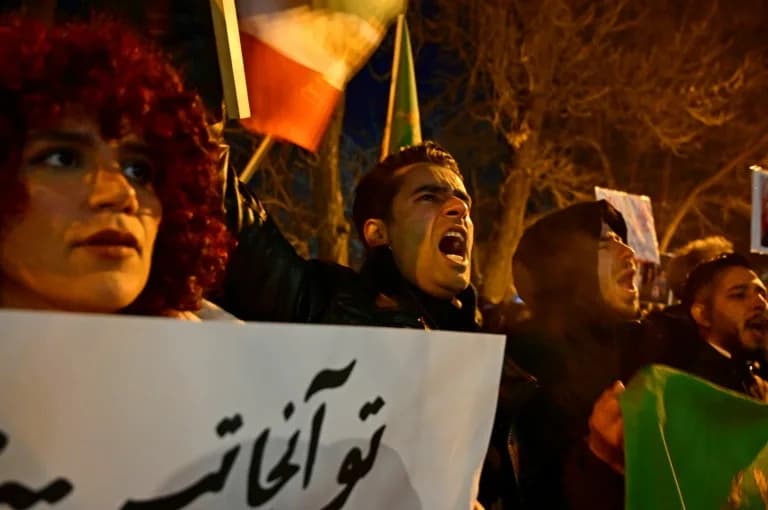
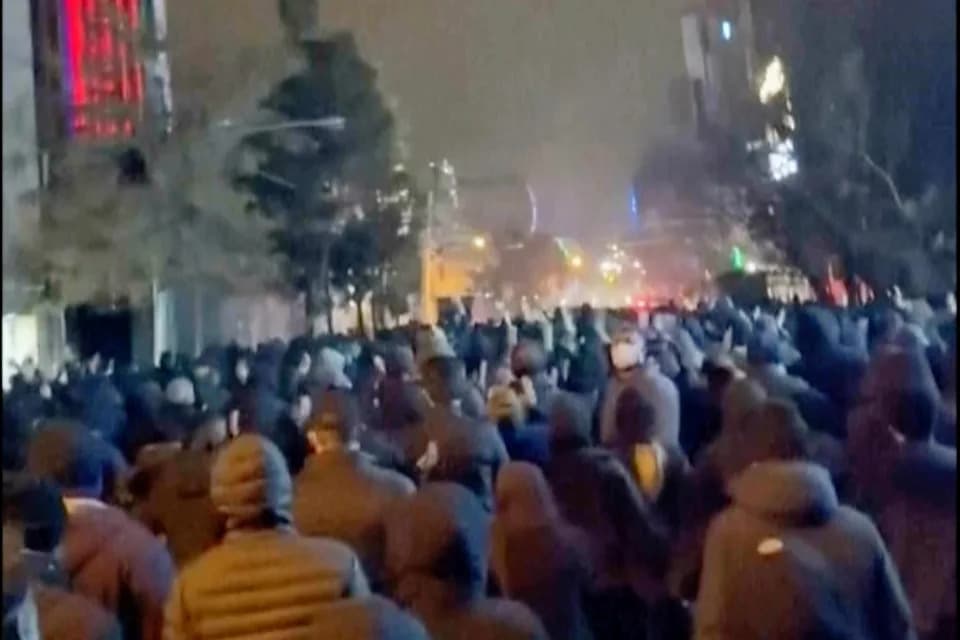
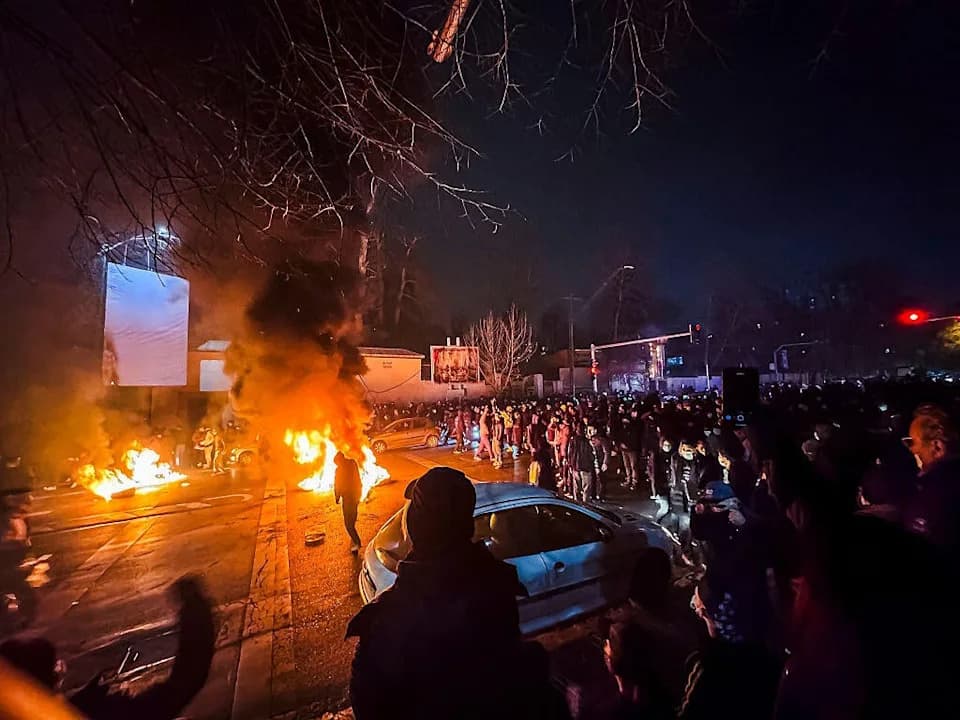
NewsNation — As Iran faces an internet blackout amid weeks of deadly protests that have reportedly killed more than 2,000 people, questions have emerged about Voice of America’s ability to get information into the country.
Voice of America (VOA) is the U.S. government’s largest international broadcaster, delivering news worldwide from an American perspective and often serving as a channel for U.S. policymakers to reach foreign audiences. In March, President Donald Trump signed an executive order directing the U.S. Agency for Global Media (USAGM), which oversees VOA, to shrink to the statutory minimum; courts have since intervened to slow or block parts of that downsizing.
Critics Say Cuts Have Weakened Messaging
Critics including Dan Kanninen, former battleground states director for the Biden-Harris campaigns, and Rep. Don Bacon (R‑Neb.) have charged that cuts to USAGM have impaired broadcasters’ ability to reach Iranians. Kanninen said those changes have reduced the capacity of VOA and services like Radio Free Europe/Radio Liberty to transmit messages that might reach civilian populations inside Iran.
Kari Lake’s Response
Kari Lake, deputy CEO of the U.S. Agency for Global Media, disputed assertions that VOA has curtailed coverage. Appearing on NewsNation, Lake said the broadcaster remains active:
"We have been up and running, and we’re putting out broadcasting on satellite. We’ve been doing that for months upon months. Just because we brought this agency down to statutory minimum doesn’t mean we’re not covering Iran. We are doing several hours a day. We have more people on the ground covering this story. And we’re getting our word and message into Iran."
Lake added that VOA is coordinating with Congress and the State Department to maximize reach and that the broadcaster’s core message emphasizes support for Iranian protesters and their right to choose their own leaders should they secure greater freedoms.
Why It Matters
Experts say international broadcasters can be an important source of independent information when local internet access is restricted. Whether satellite broadcasts, shortwave transmissions, or other distribution methods are sufficient to reach audiences during a blackout depends on technical access inside Iran and the scale of restrictions imposed by Iranian authorities.
VOA’s defenders argue continued satellite and on-the-ground reporting help ensure Iranians hear messages of support and information about developments; critics counter that institutional reductions risk limiting that reach during a critical period.
Help us improve.