Florida scientists reported advances in medical treatments and environmental restoration this year. UCF teams are testing nanoparticles that may prevent or reverse radiation damage and developed Silfoam, a rapid dual-chamber hemostatic syringe. FGCU and FAU researchers are studying toxic algal blooms and documenting early improvements in the Kissimmee River and Lake Okeechobee, though toxic blooms persist.
Florida Scientists Advance Radiation Therapies, Rapid Hemorrhage Care and Waterway Restoration
Florida researchers made notable strides this year across medical, environmental and public-health fields, reporting advances that could improve cancer care, emergency trauma response and regional ecosystems.
Medical Innovations at the University of Central Florida
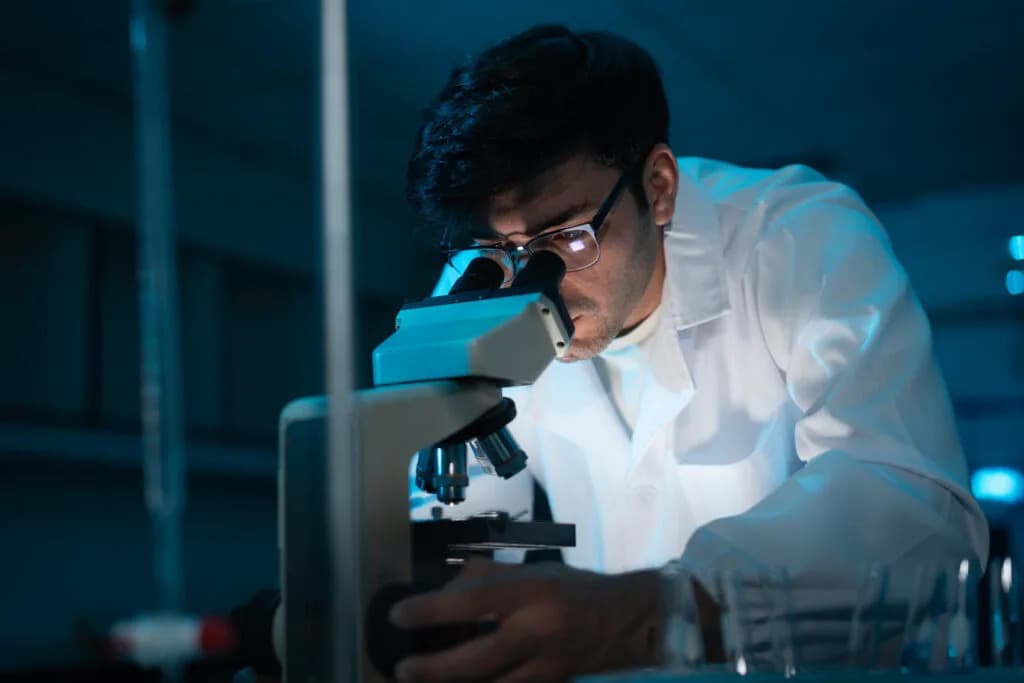
Researchers at the University of Central Florida (UCF) are developing nanoparticles designed to prevent or repair damage caused by radiation therapy. In laboratory studies the particles reduced inflammation and helped protect bone from radiation-induced loss; investigators say the material also shows promise for aiding recovery after exposure. Dr. Melanie Coathup, director of UCF's Biionix Cluster, described the early results as "fantastic," and initial safety tests show no obvious hazards, supporting continued study.
Rapid Hemorrhage Control: Silfoam
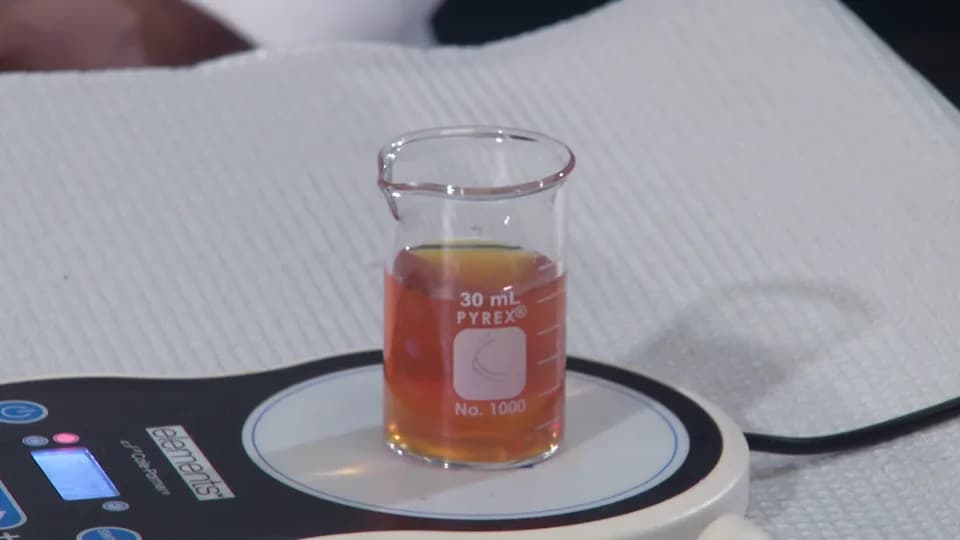
UCF teams have also developed Silfoam, a dual-chamber syringe system intended to stop deep bleeding within seconds. The material expands into a wound cavity, exerting pressure to seal blood flow while remaining removable if surgical intervention is required. Researchers Kausik Mukhopadhyay and Pritha Sarkar demonstrated Silfoam's effectiveness in simulated wound models, highlighting its potential use in emergency medicine and battlefield care.
Environmental Research and Waterway Restoration
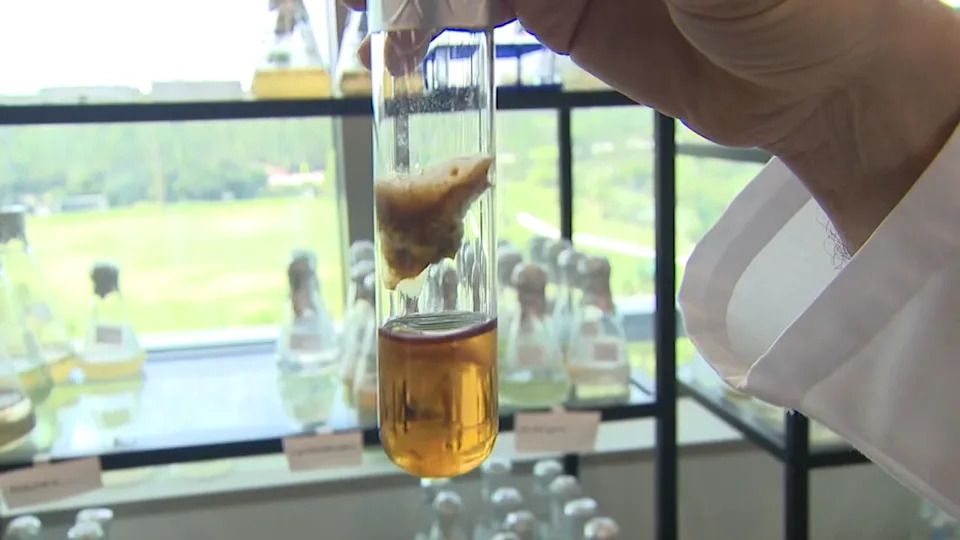
At Florida Gulf Coast University (FGCU), Dr. Barry Rosen investigates toxic algal blooms in rivers, lakes and ponds. His work shows that some common bloom-control methods can unintentionally harm beneficial algae that help limit toxic species. Rosen's research also points out that certain native algae produce bioactive compounds under investigation for anti-cancer properties, including candidate molecules relevant to pancreatic cancer research.
Researchers at Florida Atlantic University (FAU), led by Amber Moore, are tracking partial ecological recovery in the Kissimmee River and Lake Okeechobee. Restoration actions — such as filling drainage canals and restoring more natural water flow — have increased dissolved oxygen levels and supported fish populations, though periodic toxic algae blooms continue to threaten water quality. Moore emphasizes that the gains are meaningful but that continued monitoring and management are needed to secure long-term improvements.
Why This Matters
These scientific advances could have direct impacts on public health and environmental safety. Nanoparticle therapies may reduce radiation-related tissue damage, while rapid hemostatic tools like Silfoam could save lives in trauma settings. Concurrently, better understanding and management of algal dynamics — plus active restoration projects — can help protect drinking water, wildlife and recreation areas across central and southern Florida.
What Comes Next
Researchers will proceed with additional safety and efficacy testing for the medical candidates and continue ecological monitoring and remediation work in affected waterways. Ongoing studies and field projects will help clarify practical applications, inform public-health guidance and support policy decisions related to environmental restoration.
Source: Based on interviews and statements from scientists at UCF, FGCU and FAU and reporting by FOX 13 Political Editor Craig Patrick.
Help us improve.