Readers describe how COVID-19 quietly changed everyday life: late-night venues and neighborhood options shrank, prices rose and stayed high, and staffing shortages and burnout disrupted services from healthcare to repairs. Entertainment habits splintered across platforms, weakening theaters and live venues, while social routines and public civility have not fully recovered. Together, these small shifts produced lasting, cumulative effects on daily routines and expectations.
18 Everyday Ways the Pandemic Quietly Changed Life — And Why Many Haven't Come Back

Zolak / Getty Images
The COVID-19 pandemic reshaped more than hospitals and policy — it altered ordinary routines in quiet, lasting ways. Readers on a popular comment thread captured small but meaningful changes that have stuck around: shuttered late-night spots, higher and stickier prices, stretched services, and frayed social habits. These anecdotes show how many everyday habits and conveniences were nudged (or shoved) in new directions — often permanently.
What Readers Noticed
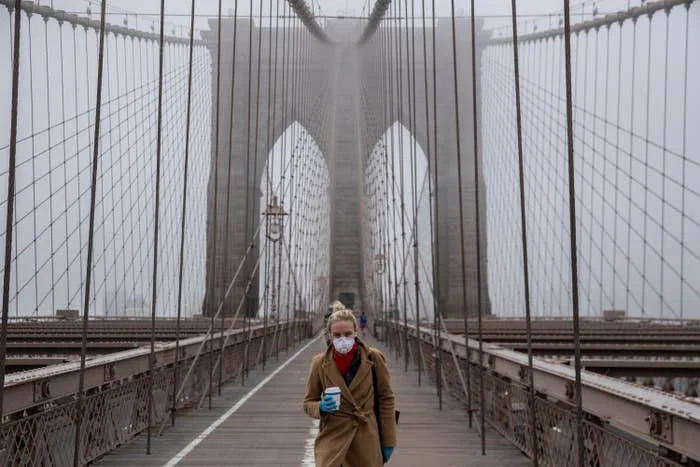
Later Nights and Empty Streets
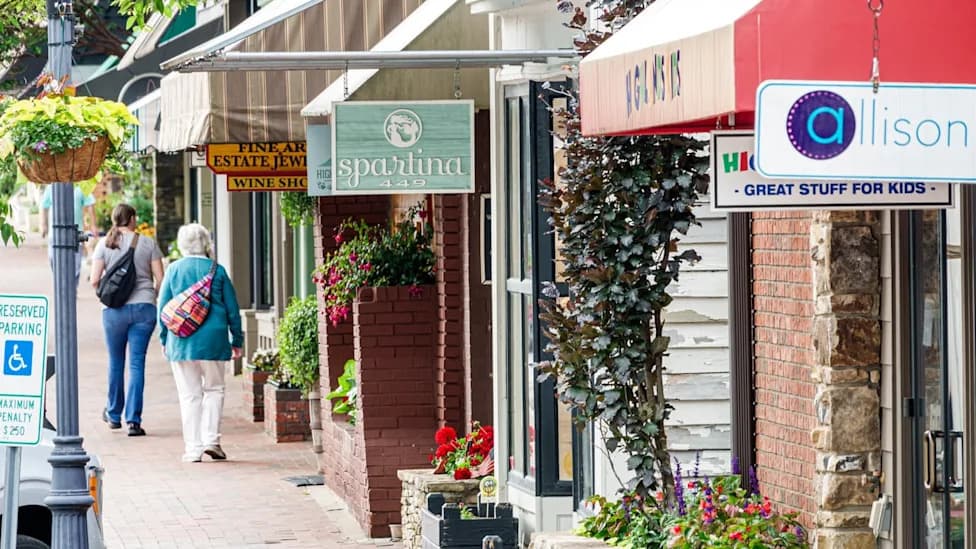
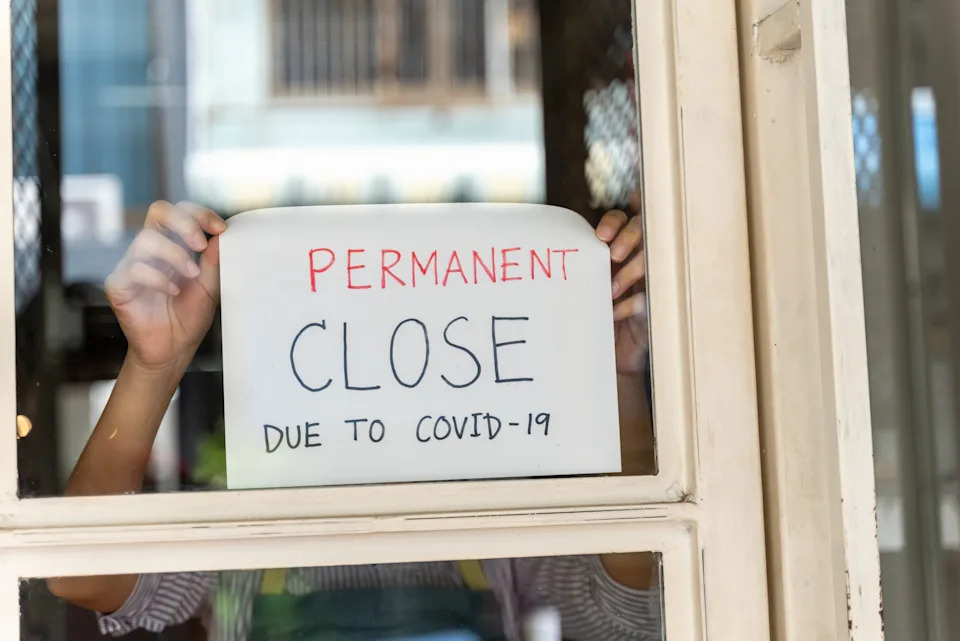
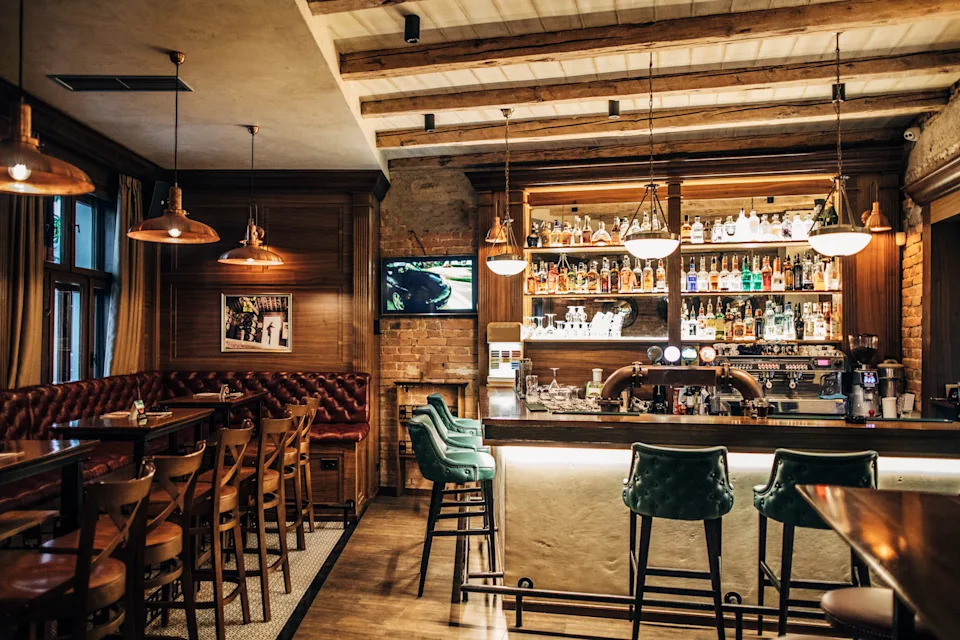
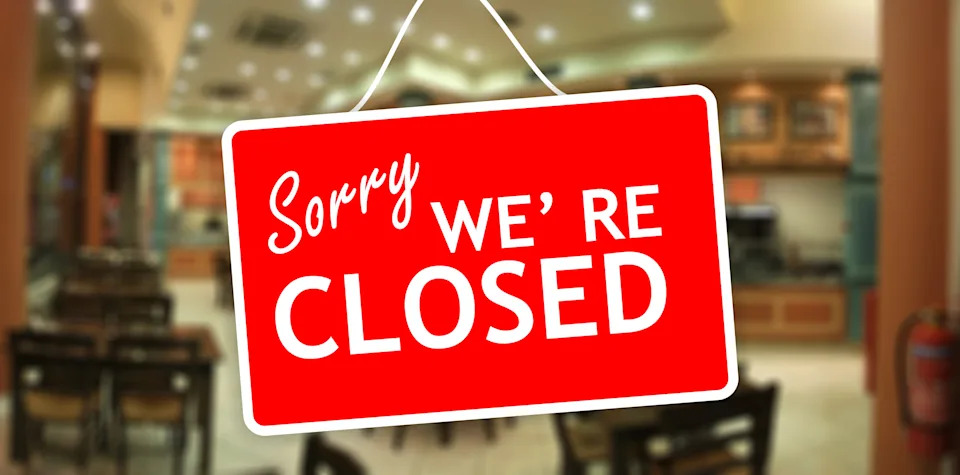
Many downtowns and neighborhood strips that used to hum after dark now feel like ghost towns. Numerous restaurants and takeout joints close much earlier than they did pre-2020, and some operate on reduced schedules or only on weekends.
“My area is a ghost town at night… Compared to before a lot of places either close at like 8 p.m. or are only open on the weekends.” — ivxxbb
Sticky, Elevated Prices
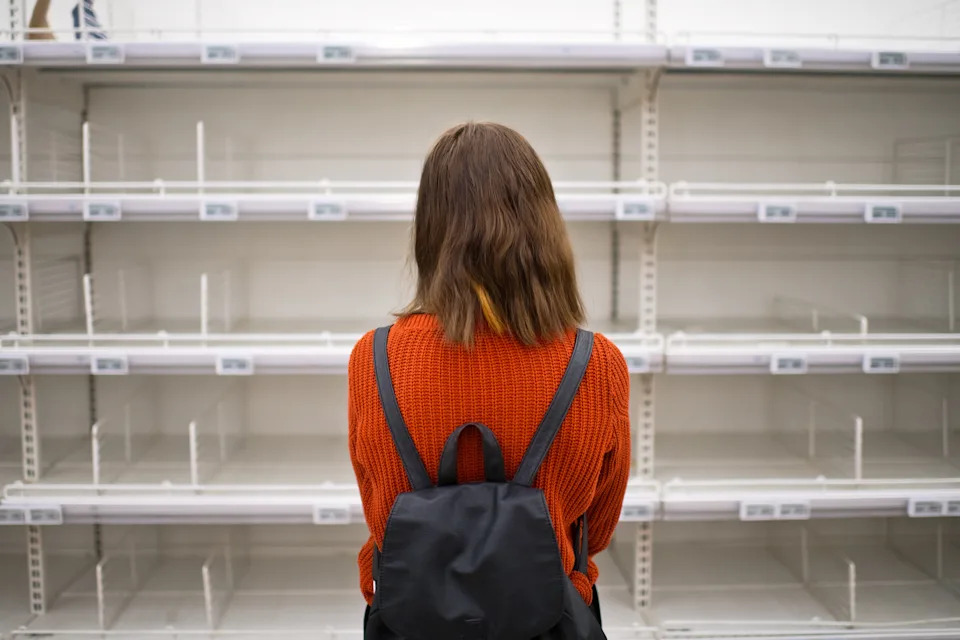
Respondents reported that retail and grocery prices rose far beyond wholesale cost increases during 2020–21 and that many sellers never rolled prices back. The early shortage narrative allowed some businesses to widen margins and reduce product quality, with consumers largely absorbing the change.
“They found out through the guise of ‘shortages’ they could price gouge… We will never see 2018 prices ever again.” — 5x4j7h3
Burnout and Staffing Gaps
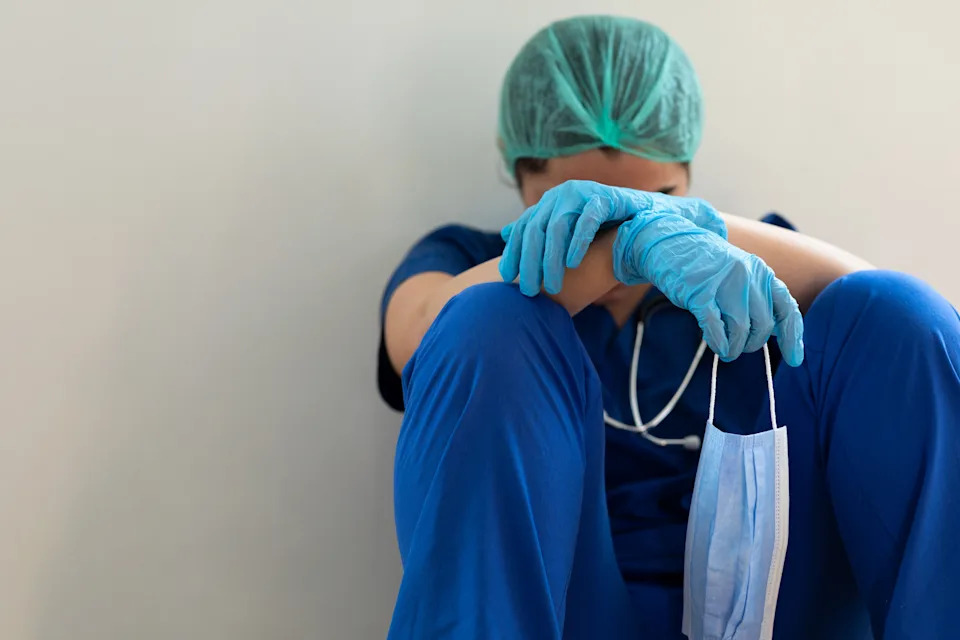
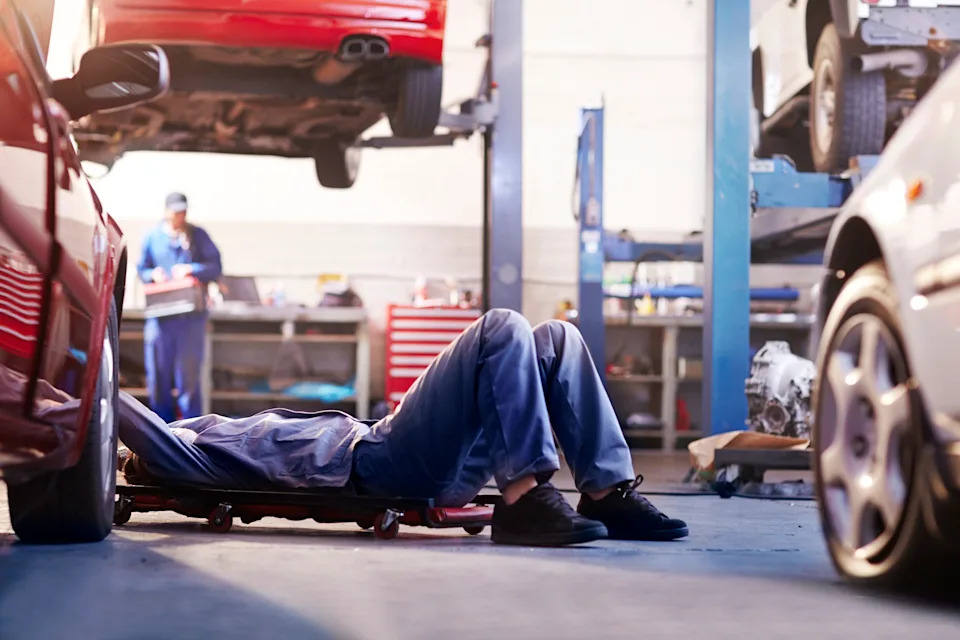
Frontline workers — especially in healthcare — experienced severe burnout. Many left their jobs or reduced hours, contributing to ongoing staffing shortages across retail, repair shops, and service industries; wait times for services such as collision repair have lengthened significantly.
“Several in the field have left, including me, because the burnout was so strong.” — StefanTheNurse
Entertainment Fragmentation
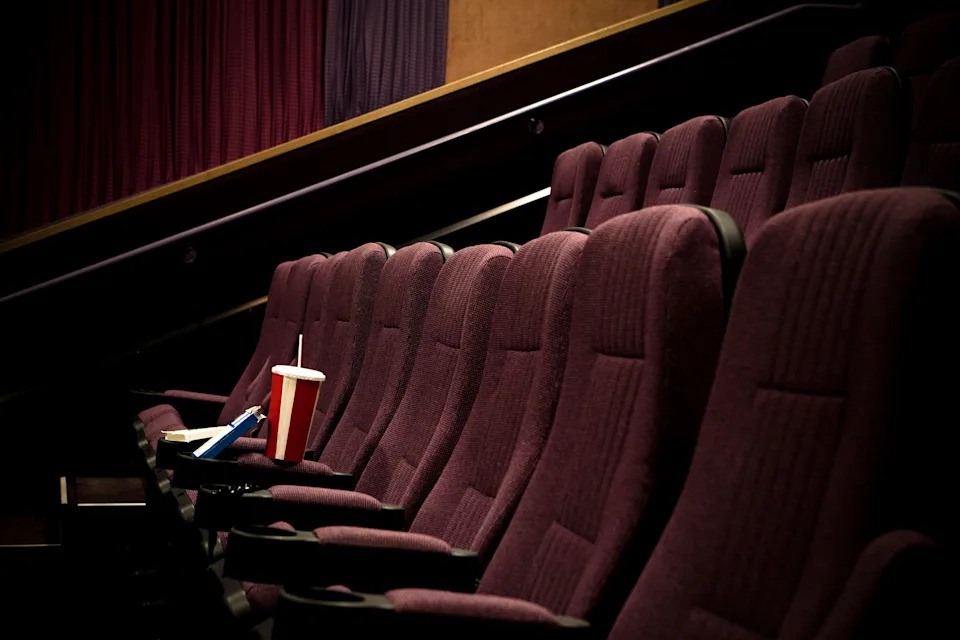
With more streaming services, social apps, and fragmented attention, movie theaters and live venues struggle to regain the pre-pandemic dominance they once had. Audiences are spread across countless platforms, reducing the scale that once supported blockbuster theatrical runs.
Friendship Routines and Social Rhythm
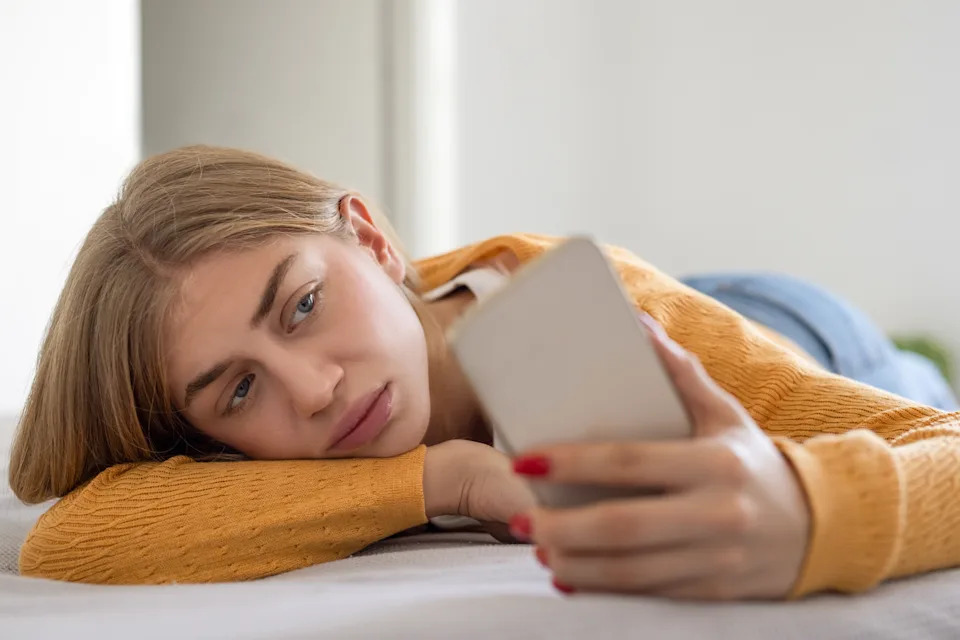
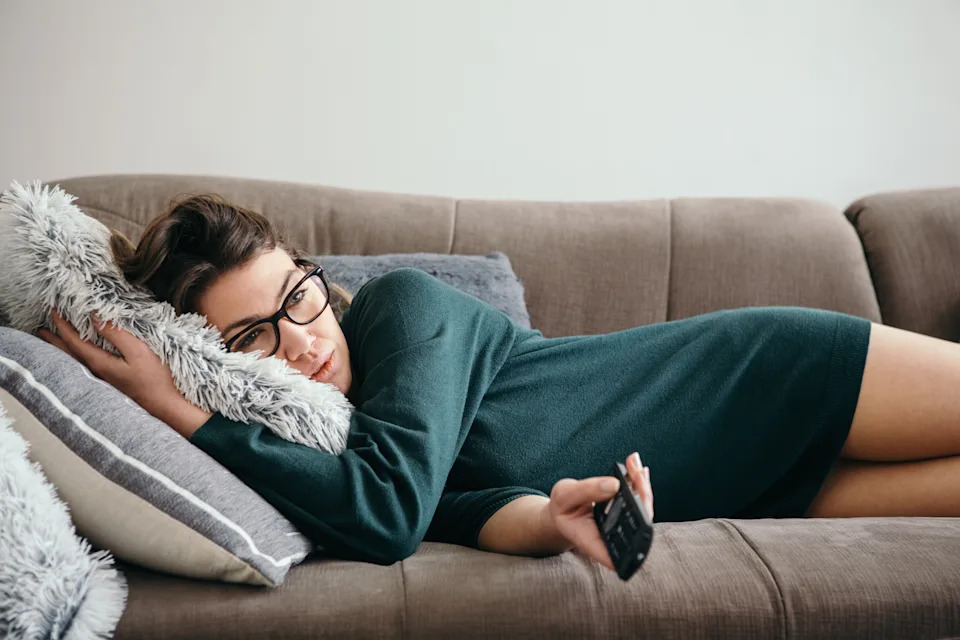
Casual, frequent in-person hangouts didn’t fully return for many people. Texting and online games often replaced meeting up, and rebuilding previous social rhythms has been slow or incomplete.
Retail and Store Decline
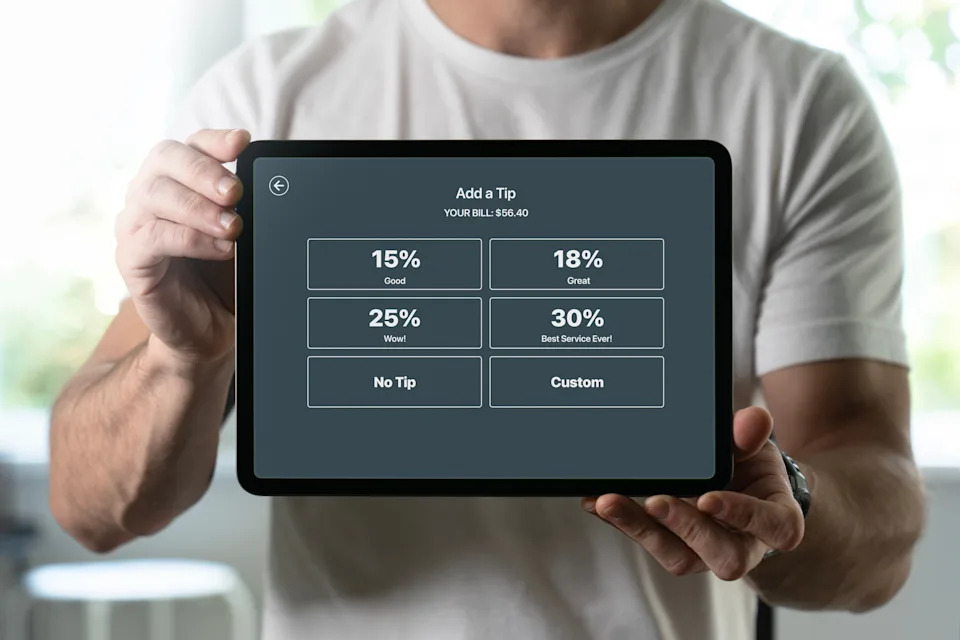
Shoppers noticed understaffed and deteriorating department stores, fewer on-floor employees, and a more corporatized retail environment where upsells and frictionless automation replaced human service. Self-checkout stations and unattended grab-and-go kiosks sometimes even prompt tips with no attendant present, causing confusion and frustration.
Everyday Civility and the Social Contract
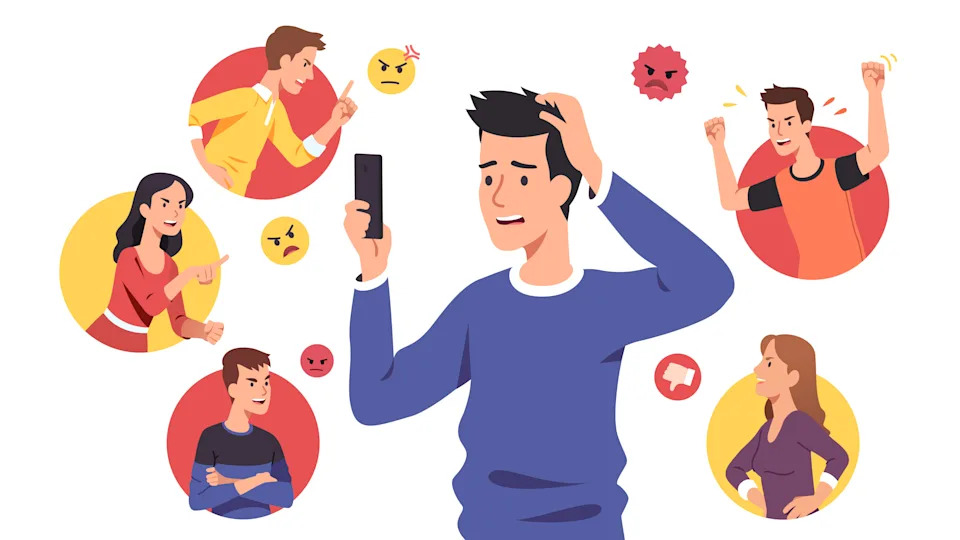
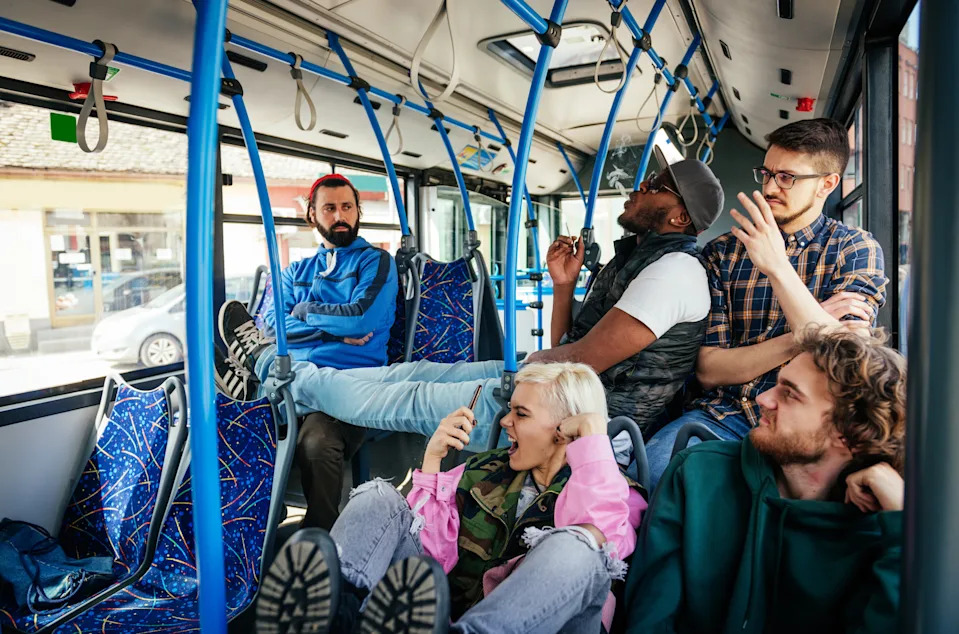
Several commenters described a sense that basic public decency and mutual respect have frayed. Whether due to stress, economic pressure, or shifting norms, many feel that shared courtesies in public spaces have not rebounded.
“The ‘social contract’ — being decent to one another — has been on decline and post-pandemic it has not recovered.” — CabbageStockExchange
Smaller Changes With Big Cumulative Effects
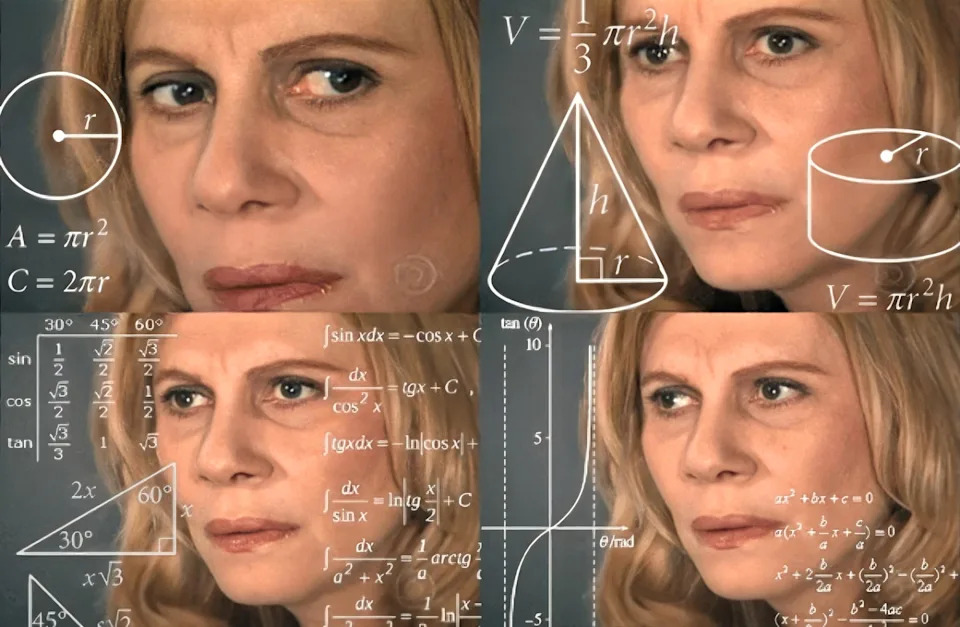
Other recurring observations included the blur of 2020–2021 in memory (many events and timelines feel mixed up), increased solitude for remote or hybrid workers leading to days without meaningful conversation, and the difficulty of modern dating — where traditional cues and shared experiences have shifted.
Why It Matters
Individually, these changes may seem minor. Together, they reshaped access to services, how we spend leisure time, and the rhythm of social life. Businesses adapted to new cost structures and customer habits; some of those adaptations became permanent. Meanwhile, workers who bore the pandemic’s brunt often left or retooled their careers, leaving gaps that slow recovery.
These first-person accounts don’t paint a single narrative but offer a mosaic of everyday life after the pandemic — a landscape shaped by convenience, economics, burnout, and altered expectations.
Note: Responses have been edited for clarity and length.
Victor J. Blue / Getty Images
Kannika Paison / Getty Images
South_agency / Getty Images
TV Globo

Neonshot / Getty Images
Bymuratdeniz / Getty Images
Remigiusz Gora / Getty Images
Rawf8 / Getty Images
Benakiba / Getty Images
Heath Korvola / Getty Images

7713photography / Getty Images
Bymuratdeniz / Getty Images
Caiaimage / Getty Images

Alistair Berg / Getty Images
Iconicbestiary / Getty Images
Artmarie / Getty Images

Skynesher / Getty Images
Sadi Maria / Getty Images
Drazen_ / Getty Images
Help us improve.