Several countries are moving to restrict children’s access to social media in 2026: Australia has already enacted a ban for under-16s, while France, Denmark, Malaysia and Norway are advancing similar plans targeting under-15s. In the U.S., a state-by-state patchwork of parental-consent rules, age checks and time limits is progressing but faces court challenges. Tech companies argue for age verification and safeguards, while UNICEF and other experts warn that bans may have unintended consequences for vulnerable children.
2026 Could Be a Turning Point: More Children Set To Be Barred From Social Media
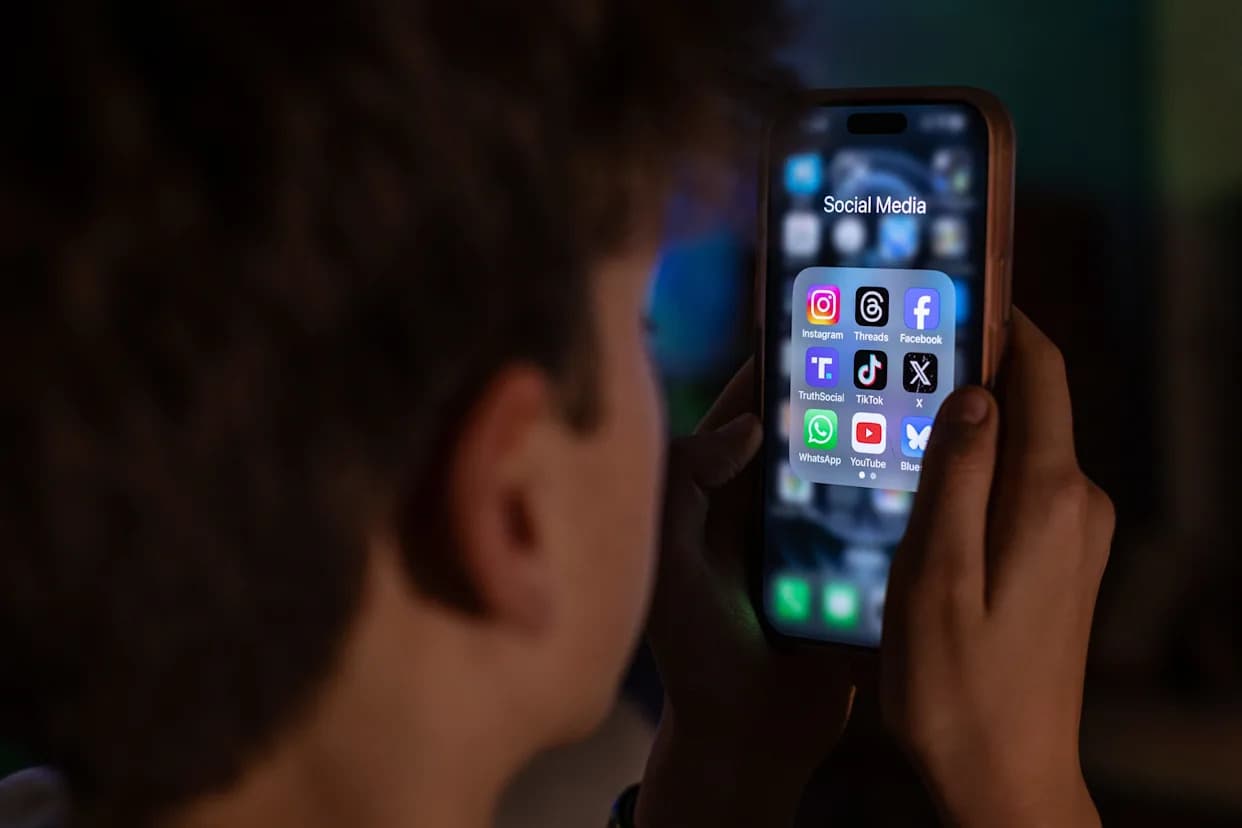
Australia became the first country to impose a strict social media ban on children under 16. France, Denmark, Malaysia, and others are considering following suit.Matt Cardy/Getty Images
Governments around the world are moving from debate to action on restricting children’s access to social media, with several countries introducing or planning age-based limits that could reshape how young people use apps such as TikTok, YouTube and Snapchat.
What’s Changing
Australia became the first major country to enact a statutory ban covering children under 16, with the law taking effect in December. France, Denmark, Malaysia and Norway have announced proposals or plans to impose similar age thresholds — generally targeting under-15s — while judges in India have suggested lawmakers consider a comparable approach.
The U.S. Patchwork
In the United States, nationwide legislation has not advanced, and the effort has largely shifted to the states. Measures vary widely: some impose parental-consent rules, others require age verification or set daily time limits. Notable examples include Virginia’s law to cap social-media use at one hour per day for those under 16 unless parents opt out, and Nebraska’s parental-consent statute. Several state-level measures are already facing legal challenges.
Industry Pushback and Enforcement Questions
Executives from major tech companies have criticized sweeping bans. Google and Meta urged delays to Australia’s law and recommended robust age-verification systems, while X owner Elon Musk described the law as a potential overreach. TikTok said it has "significant concerns" and defends its platform safeguards.
"We want young people to have safe, age-appropriate experiences online and have spent a decade developing more than 50 tools and policies designed to protect them," a Meta spokesperson told Business Insider last year.
Child Welfare Concerns and Unintended Consequences
Proponents argue limits are needed to protect children’s mental health amid rising anxiety and depression. Denmark’s prime minister, Mette Frederiksen, cited those trends when announcing a proposal to bar under-15s from platforms. But organizations such as UNICEF warn bans carry risks: marginalized children may rely on social platforms for community and support, and strict restrictions could push young people to seek workarounds or migrate to less-regulated corners of the internet.
Legal Battles and What To Watch in 2026
Attorneys general from 14 U.S. states sued TikTok last year, alleging the app is addictive and harms young people’s mental health; TikTok disputes those claims. As more countries draft rules and courts weigh challenges, 2026 will be a key year for testing how practical and effective age-based limits can be, how enforcement will work across borders, and whether tech companies, parents and policymakers can agree on solutions that protect children without creating new harms.
Bottom line: Expect a fractured global landscape in 2026 — some nations will impose strict age limits, others will favor verification and parental-consent systems, and legal and technical battles over enforcement and unintended consequences will intensify.
Help us improve.