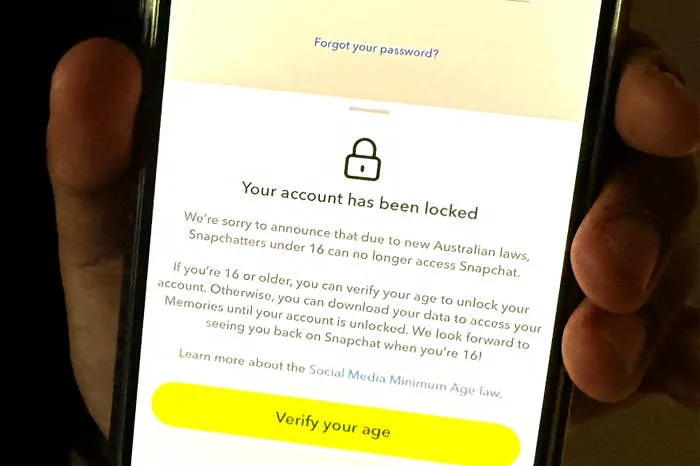
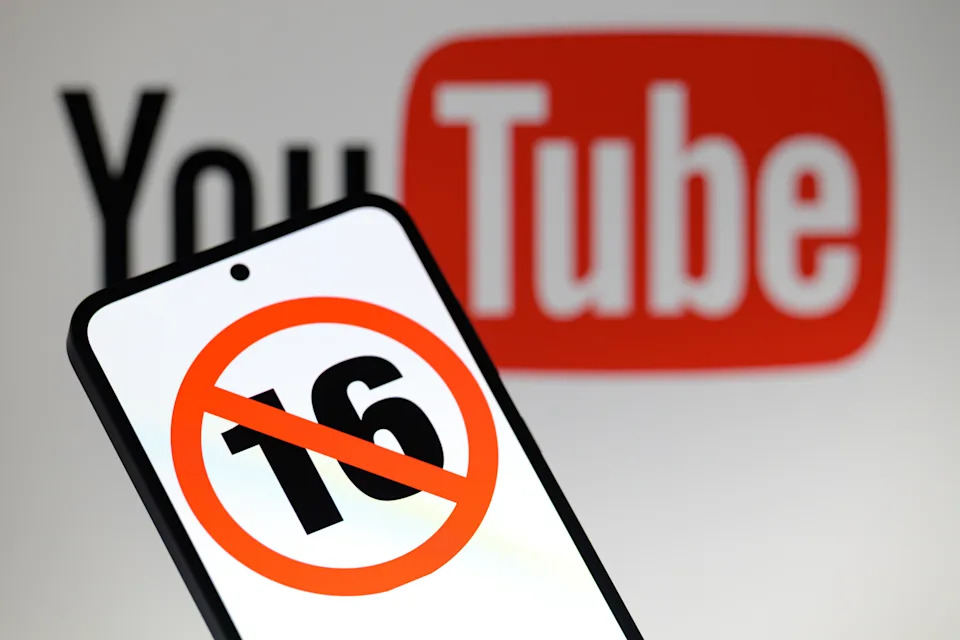
The Australia-wide ban preventing under-18s from holding social media accounts took effect on December 10, 2025. Early enforcement was inconsistent: some teens were immediately blocked, others saw no change, and many used workarounds such as shared accounts or VPNs. Age-verification methods proved imperfect and raised privacy concerns, and some adults and vulnerable youths were unintentionally affected. Supporters argue these are fixable teething problems and say the law’s impact should be judged over several years.
One Month On: What Happened After Australia Banned Social Media for Under-18s

David Gray / Getty Images
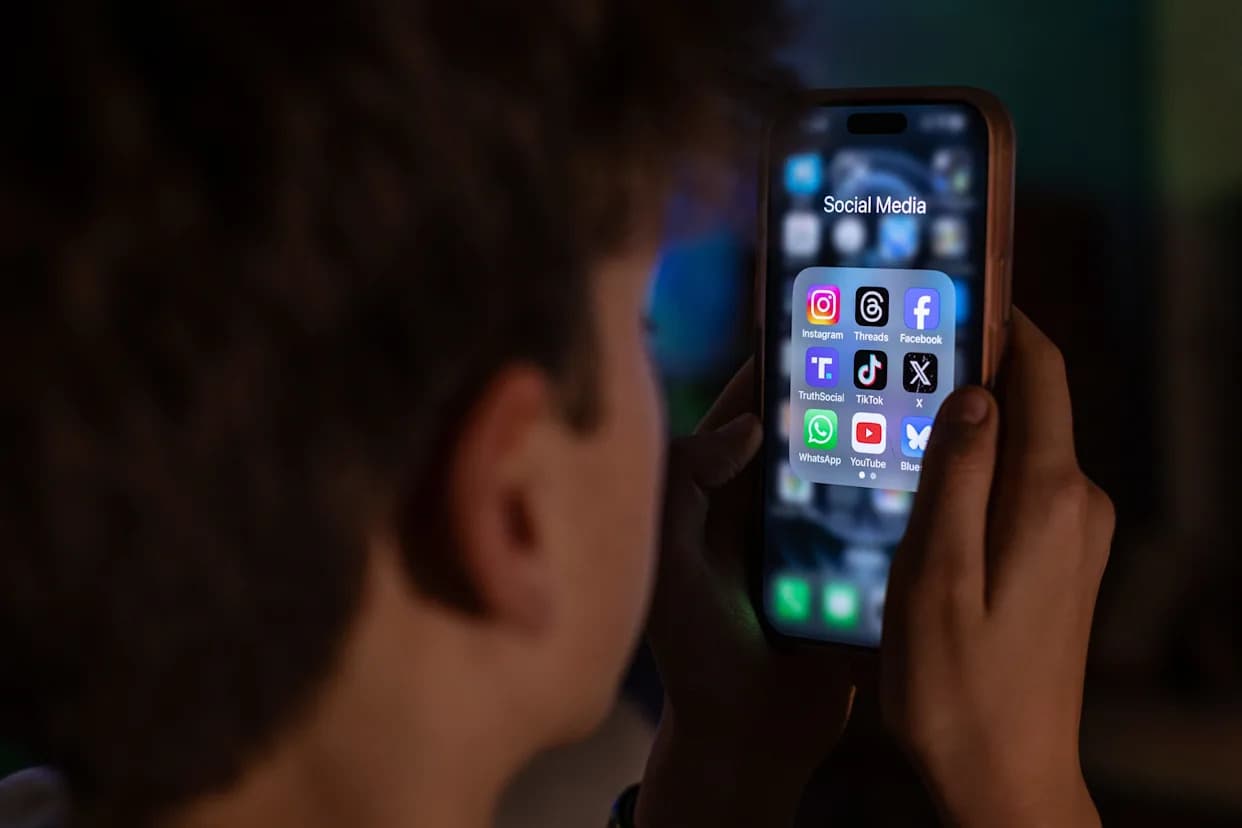
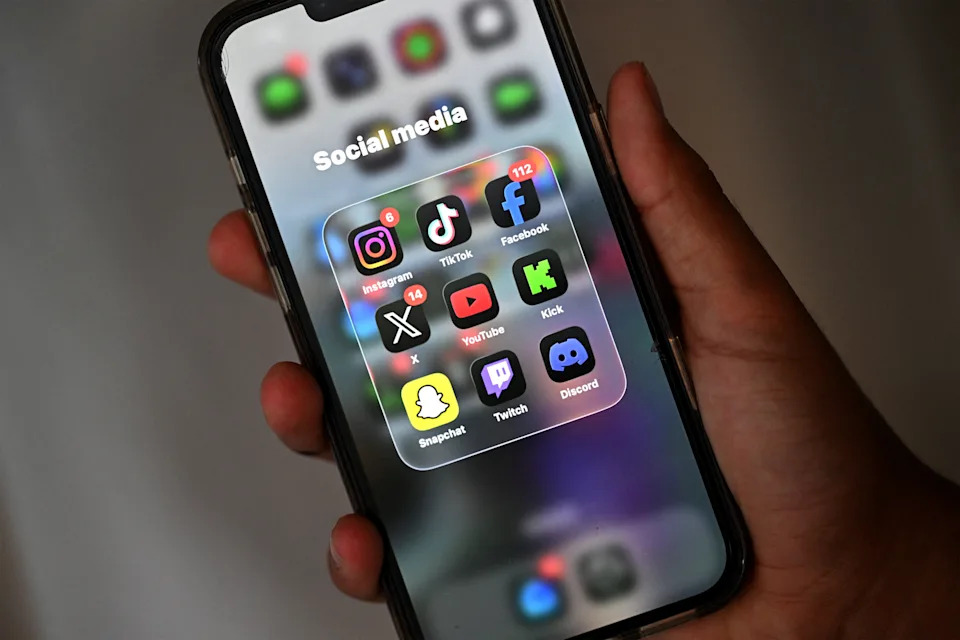
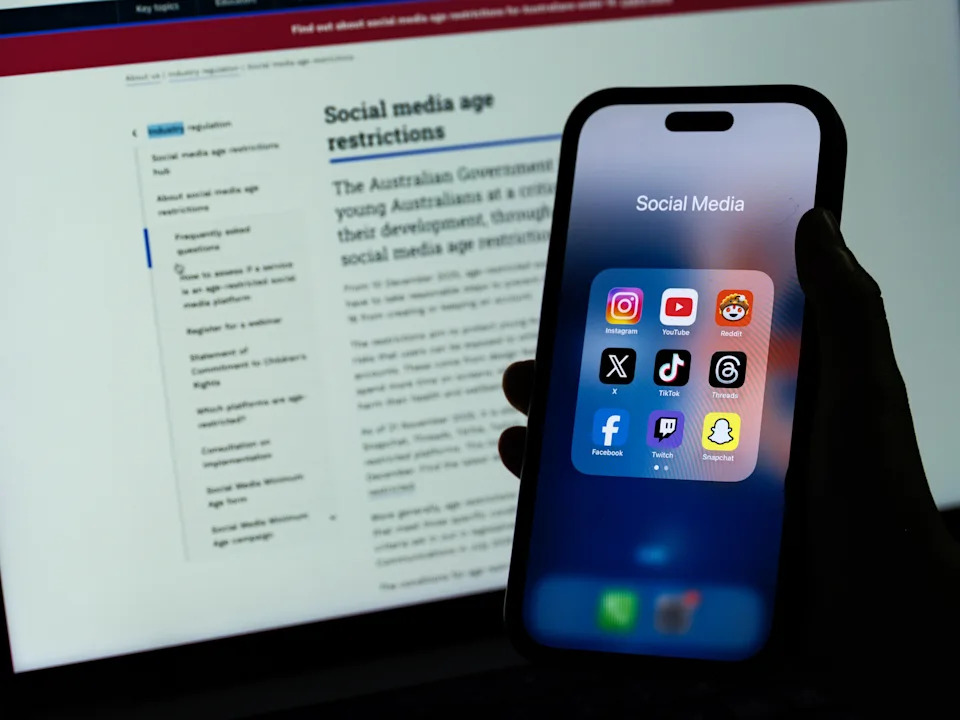
The nationwide Australian ban on social media accounts for people under 18 came into force on December 10, 2025. Governments and tech-watchers around the world have been watching closely: Malaysia has announced plans for a similar measure this year, while Denmark, Norway, France, Spain and New Zealand are weighing restrictions. Officials from Canada, the U.K. and Japan have held talks with Australian lawmakers about comparable legislation.
How Age Checks Fell Short
Regulators and platforms relied on a mix of age-verification tools, but none proved foolproof. Facial-age scans can be inaccurate by several years; family-shared devices and communal logins defeat account-based checks; and requiring identity documents raises privacy and safety concerns for minors and vulnerable people. The result: how the ban affected someone often came down to the platform, the device and the verification route they encountered.
Enforcement Was Uneven
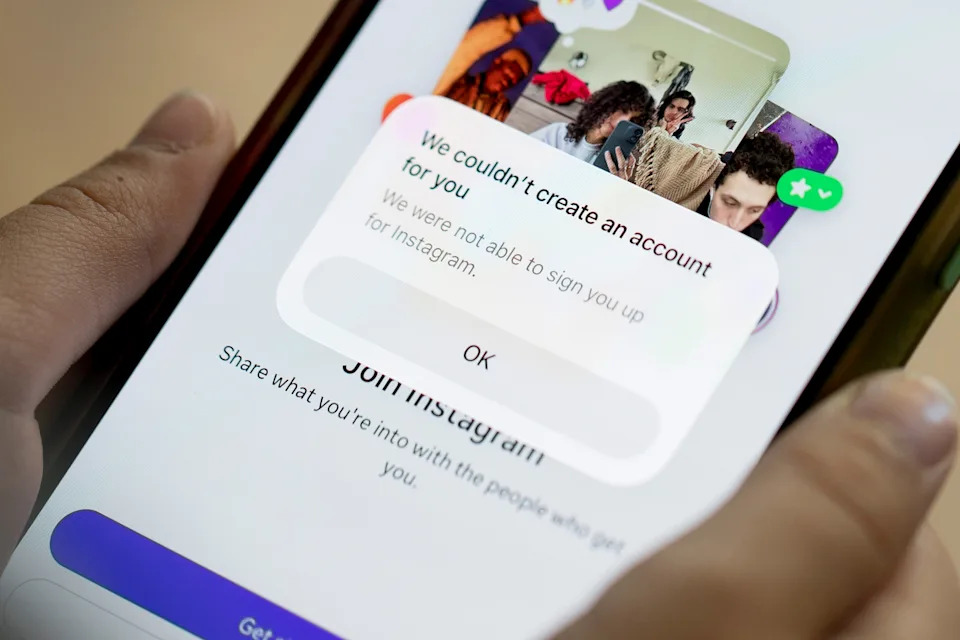
In the first month enforcement varied wildly. Some teens were locked out immediately; others noticed no interruption; and a smaller number were mistakenly blocked by automated systems. Anecdotes and user reports captured that inconsistency, showing a patchwork rollout rather than a clean transition.
Voices from Online Communities
Examples shared online included: u/AussieMAW, u/Important_Bobcat_517, u/TheNew007Blizzard, u/anothernameusedbyme, u/greendayshoes, u/MitchEatsYT, u/JoeJays.
Workarounds Appeared Immediately
For teens who lost access, simple workarounds proliferated almost immediately: creating new accounts with older ages, using siblings' or friends' accounts, sharing credentials, or routing traffic through VPNs. Those tactics undermine the ban’s intent and highlight how enforcement can be circumvented when technical solutions are imperfect.
Parents And Safety Tools
Many parents reported that platform safety features and parental controls they relied on changed or disappeared after the law took effect. For some families, tools that had helped manage screen time or filter content were altered as platforms scrambled to comply with new verification rules.
Who Got Caught In The Crossfire
The policy also ensnared people it did not intend to block: adults misflagged by verification systems and at-risk teens who depend on online communities for mental-health support. Those unintended harms raised concerns among advocates about the law’s blunt implementation.
The Longer-Term Debate
Despite the first-month chaos, many supporters remain optimistic. Their argument: early teething problems can be fixed, and the potential benefits for youth safety and wellbeing could outweigh short-term disruption if platforms and regulators refine verification methods and protections over the coming years.
Quick Takeaways
- Implementation Problems: Technical limits and privacy trade-offs made enforcement messy.
- Behavioral Response: Teens and families found many workarounds that reduced immediate impact.
- Collateral Damage: Some adults and vulnerable teens were accidentally blocked or lost critical support networks.
As other countries watch Australia’s experience, the debate now shifts from whether to act to how to act — balancing child protection, privacy, and practical enforceability. The law’s ultimate judgment may rest not on the first month, but on whether policy-makers and platforms can iterate toward fair, effective solutions.
Str / Getty Images
Saeed Khan / Getty Images
Bloomberg / Getty Images

Bloomberg / Getty Images
Asanka Ratnayake / Getty Images
Nurphoto / Getty Images
Saeed Khan / Getty Images
Bloomberg / Getty Images
George Chan / Getty Images
Help us improve.