Open enrollment for most federally subsidized ACA plans has closed while Congress negotiates whether to renew expanded COVID-era premium tax credits. KFF projects average monthly premiums will jump to $1,904 in 2026 from $888 in 2025, forcing some consumers to reduce or drop coverage. Several Democratic-led states have pledged limited relief, but the federal funding gap remains large and negotiations are complicated by disputes over abortion funding and the Hyde Amendment.
Most ACA Enrollment Windows Close As 2026 Premiums Soar — Millions Face Higher Bills Or Less Coverage

FILE PHOTO: A sign on an insurance store advertises Obamacare in San Ysidro, San Diego, California, U.S., October 26, 2017. REUTERS/Mike Blake/File Photo
Millions of Americans are set to face sharply higher healthcare costs in 2026 as open enrollment for most federally subsidized Affordable Care Act (ACA) plans closes while Congress remains divided over whether to restore the more generous COVID-era premium tax credits.
About 24 million people were enrolled in ACA plans in 2025, and roughly 22 million of them received federal subsidies. According to KFF, average monthly premiums are projected to rise to $1,904 in 2026, up from $888 in 2025 — a jump that will push some households to choose lower levels of coverage or to drop insurance entirely.
Enrollment Numbers And Extensions
As of Monday, 22.8 million people had signed up for plans via Healthcare.gov and the 20 state-run marketplaces. Several states and Washington, D.C., have extended their open enrollment windows, but most federall y run marketplaces have closed.
State Efforts To Cushion The Blow
Some Democratic-led states, including Massachusetts, California, Colorado, Connecticut, Maryland and New Mexico, have pledged state funds to help lower- and middle-income households cope with rising premiums. But state relief is limited relative to the federal funding gap and rising Medicaid costs.
"The levels we had talked about are a drop in the bucket compared to the federal amount of money,"
Pennsylvania has discussed freeing up about $50 million — far less than the roughly $600 million its residents previously received in COVID-era subsidies. Many Republican-led states are not planning similar relief, even though their residents were among the biggest beneficiaries of the temporary federal credits because those states did not expand Medicaid under the ACA.
Negotiations Over Retroactive Subsidies
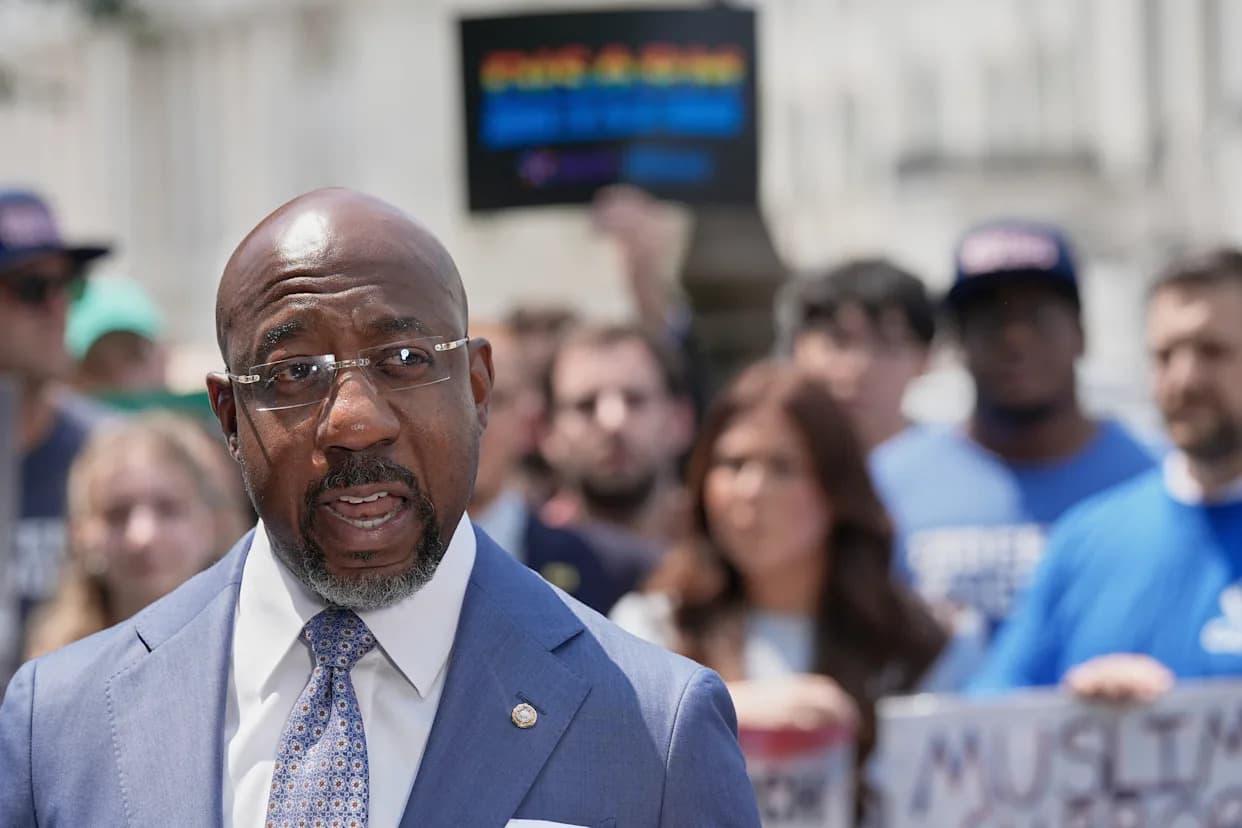
A bipartisan group of senators is negotiating a potential retroactive extension of expanded federal subsidies for this year. Republican Senator Bernie Moreno of Ohio said a deal needs to be reached "by the end of January," while Democratic Senator Tim Kaine of Virginia said the proposal has a "fighting chance" but that negotiations are being slowed by disputes over bill language.
One major sticking point is whether federal funds could be used in ways that conflict with the Hyde Amendment and related restrictions on abortion funding — a politically sensitive issue complicating talks.
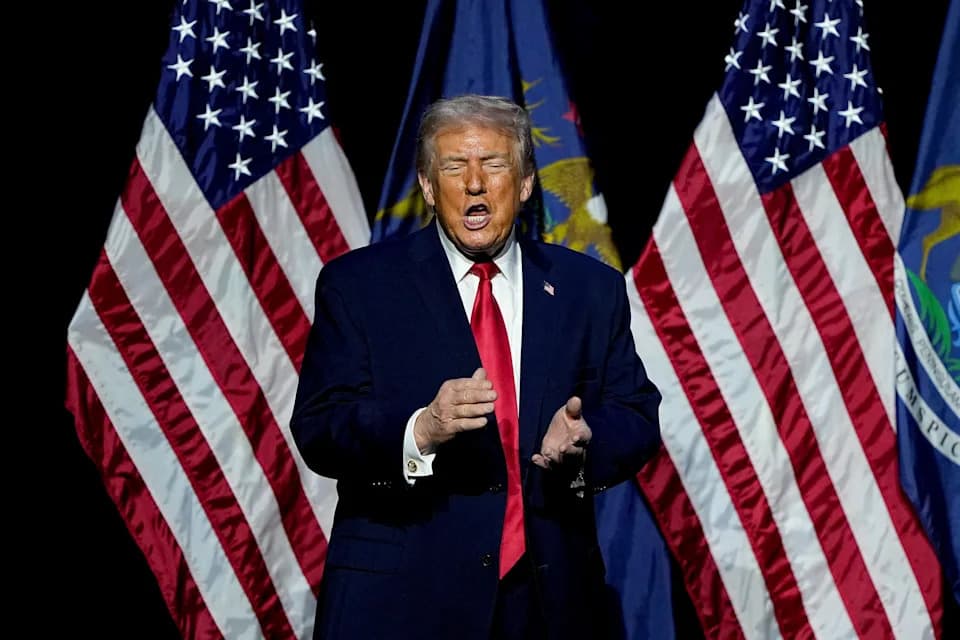
President Donald Trump has said he will announce a healthcare affordability framework this week, signaling administration interest in addressing rising costs ahead of the election campaign season.
Short-Term Renewals May Mask Coverage Losses
Government enrollment figures include people who were automatically renewed for another year. Some of those renewals could ultimately lapse if premiums go unpaid: automatic renewals generally cannot be canceled for nonpayment for 90 days, meaning final termination for nonpayment may not be clear until April.
"We won't know if they're truly terminated for nonpayment of premiums until the beginning of April,"
Insurers could benefit if Congress extends the subsidies and creates a special enrollment period: lower costs would likely draw healthier people into the risk pool, helping to stabilize rates in 2027. Some insurers report substantial numbers of members who have not yet paid January premiums — for one nonprofit plan it was about 30% of members.
Reporting note: Based on reporting by Reuters; includes statements from state and federal officials and analysis from KFF.
Help us improve.