India's National Medical Commission (NMC) revoked recognition of the newly opened Shri Mata Vaishno Devi Medical Institute (SMVDMI) in Reasi on 6 January, after weeks of protests objecting to the religious makeup of the college's inaugural MBBS intake. The move came amid claims by local Hindu groups that a batch with a large Muslim majority was inappropriate for an institute founded by a Hindu shrine trust, and amid NMC findings that the college did not meet minimum regulatory standards.
Background
SMVDMI admitted 50 students to its first five‑year MBBS cohort in November: 42 identified as Muslim, seven as Hindu and one as Sikh. Admissions to medical colleges in India are determined by the National Entrance Examination Test (NEET), administered by the National Testing Agency. More than two million candidates compete annually for roughly 120,000 MBBS seats, and counselling determines placement in public and private colleges based on rank and preference.
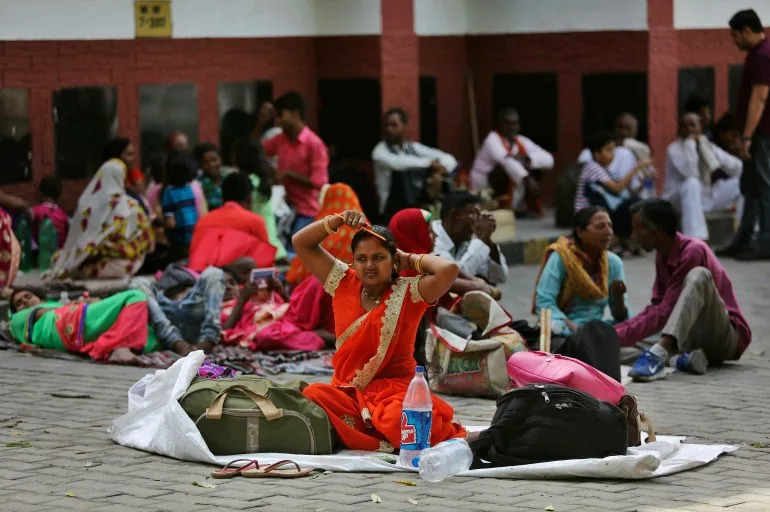
Hindu pilgrims on their way to the Vaishno Devi shrine rest under a shade and wait for transport outside a railway station on a hot day in Jammu, India, Wednesday, June 12, 2019. Far-right Hindu groups argue that because the Shri Mata Vaishno Devi Medical Institute is funded by donations from Hindu believers, the presence of Muslims as the majority in the student body is offensive to them [Channi Anand/ AP Photo]
Protests, Political Pressure and NMC Findings
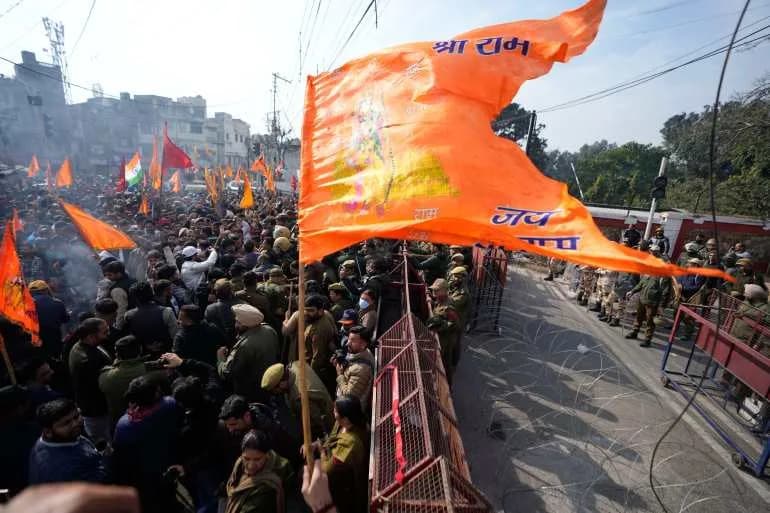
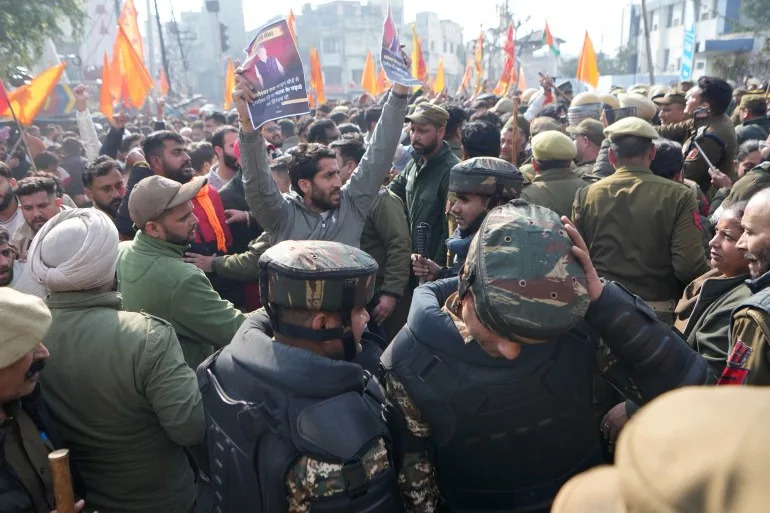
Shortly after classes began, local Hindu groups organised sustained demonstrations outside SMVDMI, arguing that because the college was established and principally funded by donations to the Mata Vaishno Devi shrine, devotees' sentiments should be considered in admission decisions. Legislators from the ruling Bharatiya Janata Party (BJP) in the region petitioned the lieutenant governor to reserve seats for Hindus; the BJP has denied that its interventions were motivated by religion and said the NMC's cited shortcomings were the reason for the withdrawal.
The NMC said the institute suffered critical deficiencies, including shortfalls in teaching staff, bed occupancy, outpatient patient flow, library resources and operating‑theatre facilities, and announced withdrawal of its letter of permission to run courses.
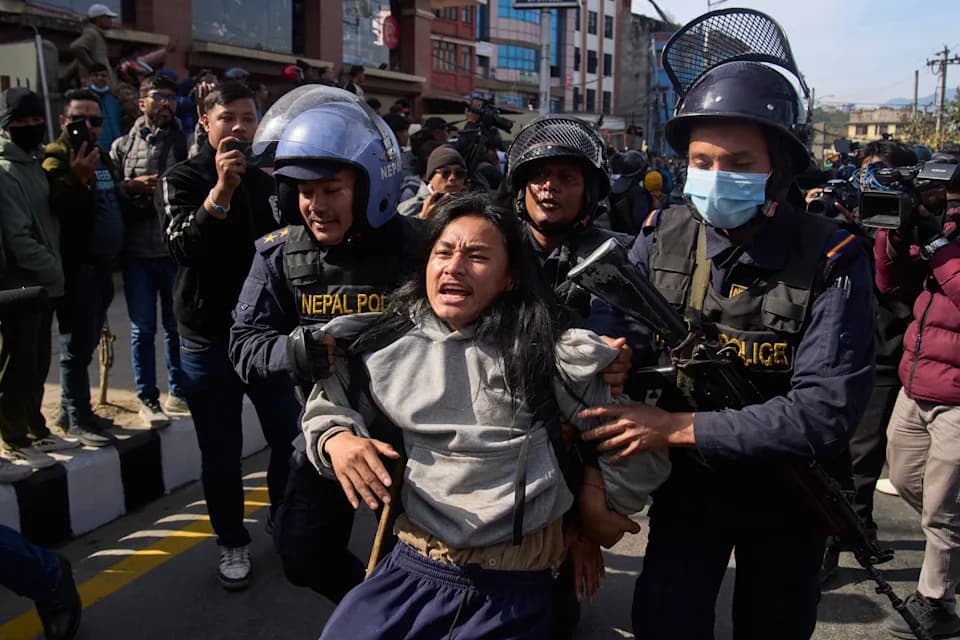
Supporters of right-wing Hindu groups shout slogans demanding the revocation of admissions at the Shri Mata Vaishno Devi Institute of Medical Excellence in Jammu on Saturday, December 27, 2025 [Channi Anand/ AP Photo]
Students' Accounts And Local Responses
Many students and some local analysts disputed the regulator's assessment. Several students told reporters that the college's facilities compared favourably with other medical institutions in the region and that teaching resources were adequate. Students have since packed their belongings and returned home while authorities work on relocation plans.
'I cleared one of India's toughest exams and got a seat on merit. Now everything seems to have crashed,' said one student affected by the closure.
Government Response And Next Steps
The chief minister of the region said the displaced students would not be made to suffer and announced plans to place them in other medical colleges using supernumerary seats so their education can continue. Other regional officials noted that the university connected to SMVDMI has received substantial government funding since 2017, arguing the institution serves the wider public rather than one donor community alone.
Wider Implications
Critics warned the episode risks communalising access to education in a sensitive, religiously mixed region. Observers asked how the NMC initially granted permission if the alleged deficiencies were present, and suggested the regulatory withdrawal followed intense public and political pressure tied to the college's religious associations and the composition of its first class.
The situation remains fluid: regulators, political leaders and education authorities face pressure to find immediate placements for the affected students while ensuring that medical education standards and non‑discriminatory admissions processes are upheld.