In late December India imposed a two‑month ban on VPN services in Indian‑administered Kashmir, citing national security and alleged misuse to incite unrest. The order has disrupted IT work, journalism and everyday access to lawful online content, while police checkpoints and phone inspections have increased. Digital‑rights activists and lawyers question the legality of a blanket ban under India’s IT rules and say it deepens psychological pressure on residents already accustomed to internet curbs.
India’s Two‑Month VPN Ban in Kashmir Deepens ‘Psychological Pressure’ on Residents
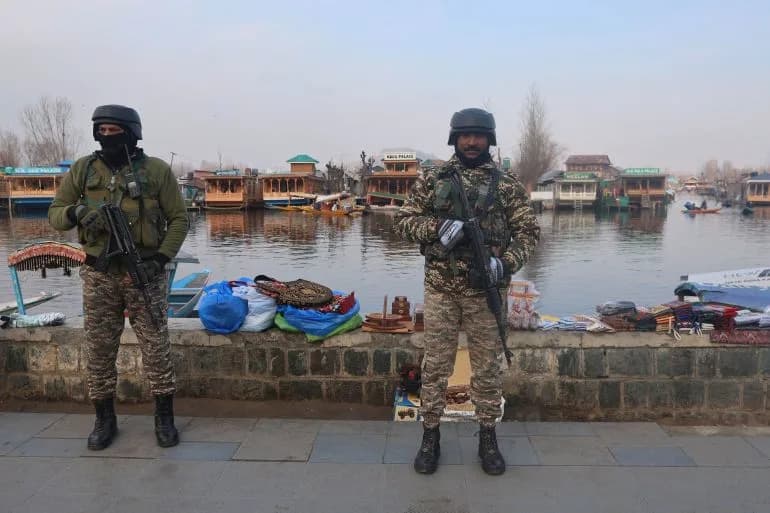
Indian soldiers stand guard on the banks of Srinagar’s Dal Lake, January 7, 2026 [Farooq Khan/EPA]
Basit Banday*, a 27‑year‑old IT professional from Pulwama district, has been responsible for protecting sensitive healthcare data for his company’s clients. Until December 29, he carried out that work using a virtual private network (VPN), a tool that masks IP addresses by routing traffic through remote servers and encrypting connections.
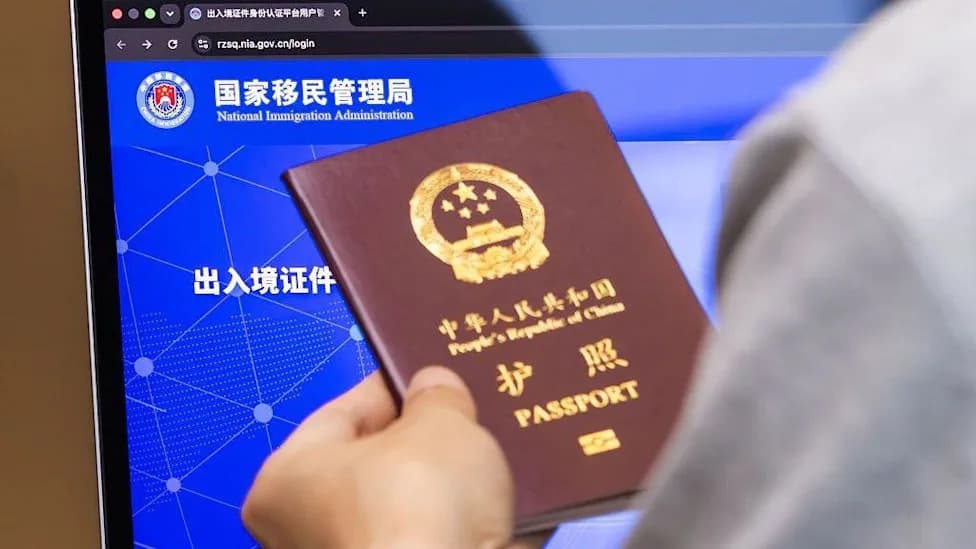
On December 29 the Indian government ordered a sweeping, two‑month ban on VPN use across Indian‑administered Kashmir, citing "threats to national security" and alleged "misuse" of the services to "incite unrest." Identical district orders said VPNs could be exploited for unlawful acts, misinformation and activities that threaten public order.
Enforcement On The Ground
Within days, videos circulated on social media showing police in riot gear stopping pedestrians and motorists and asking to inspect mobile phones. Authorities say they took action against more than 100 people since the ban began and initiated "security proceedings" against alleged violators; many were released after device checks and background verification.
"VPN is extremely important and mandatory for any IT organisation. Even applications such as corporate email cannot be accessed without connecting to the VPN," Banday told Al Jazeera. "This order appears to have been issued without adequate consideration for professionals whose livelihoods depend on secure VPN connectivity."
Who Is Affected?
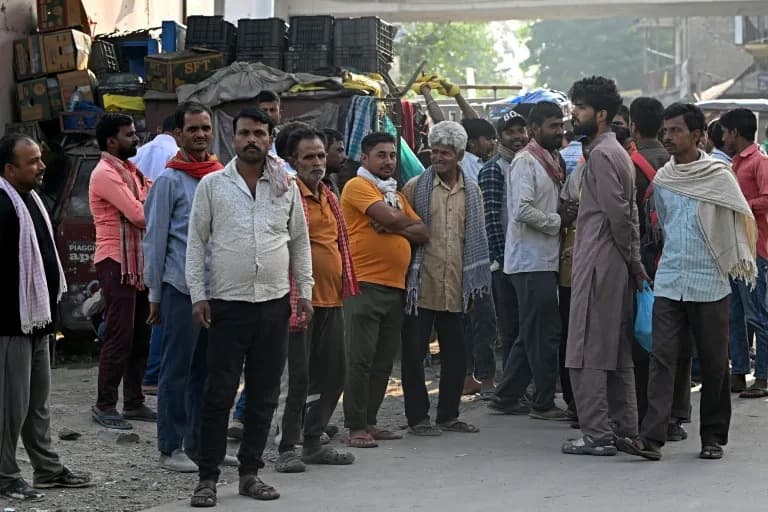
The ban affects a wide range of residents: IT professionals who need secure corporate access; journalists who use VPNs to protect sources and access blocked information; students and religious viewers who use VPNs to reach content unavailable locally; and ordinary citizens who rely on encrypted connections for privacy.
Journalists interviewed for this report said the restriction removes an important safety layer. "It is common for journalists in conflict zones to use VPNs for safety," a 32‑year‑old reporter said. Another journalist, who edits remotely for an international outlet, said the order "hangs like a sword on our thoughts" and disrupts routine, secure work systems.
Legal And Rights Concerns
Legal experts and digital rights activists questioned the legality and proportionality of a blanket VPN ban. Ahmad, a local lawyer, said India’s IT rules do not clearly permit a sweeping prohibition enacted through a single executive order. Srinivas Kodali, a digital rights researcher, called stopping people in the street and forcing them to unlock phones a "gross violation" of fundamental rights.
ProtonVPN’s chief, David Peterson, drew online abuse after sharing guidance about a "discreet icon" feature that could make apps less visible. He noted that Jammu and Kashmir has historically seen internet restrictions timed around anniversaries and protests.
Context And Broader Implications
Kashmir has long been subject to internet curbs: of 901 shutdowns recorded across India since 2012, nearly half were in Kashmir, according to monitors. The region has also experienced decades of conflict and tightened federal control, including New Delhi’s 2019 revocation of Article 370 and the reorganisation of the former state into two federally administered territories.
Estimates suggest roughly 20% of India’s 800 million internet users rely on VPNs; security firm Surfshark values India’s VPN market at around $17bn. Residents and rights groups warn that banning VPNs not only disrupts livelihoods and legitimate access to information but also adds to psychological pressure in an already tense environment.
What Remains Unclear
Authorities did not respond to requests for comment for this article. Key questions remain about how the ban will be implemented in practice, the legal grounds for a blanket restriction, and whether exemptions or alternative secure channels for professionals will be provided.
*Names changed to protect sources who feared reprisals.
Help us improve.