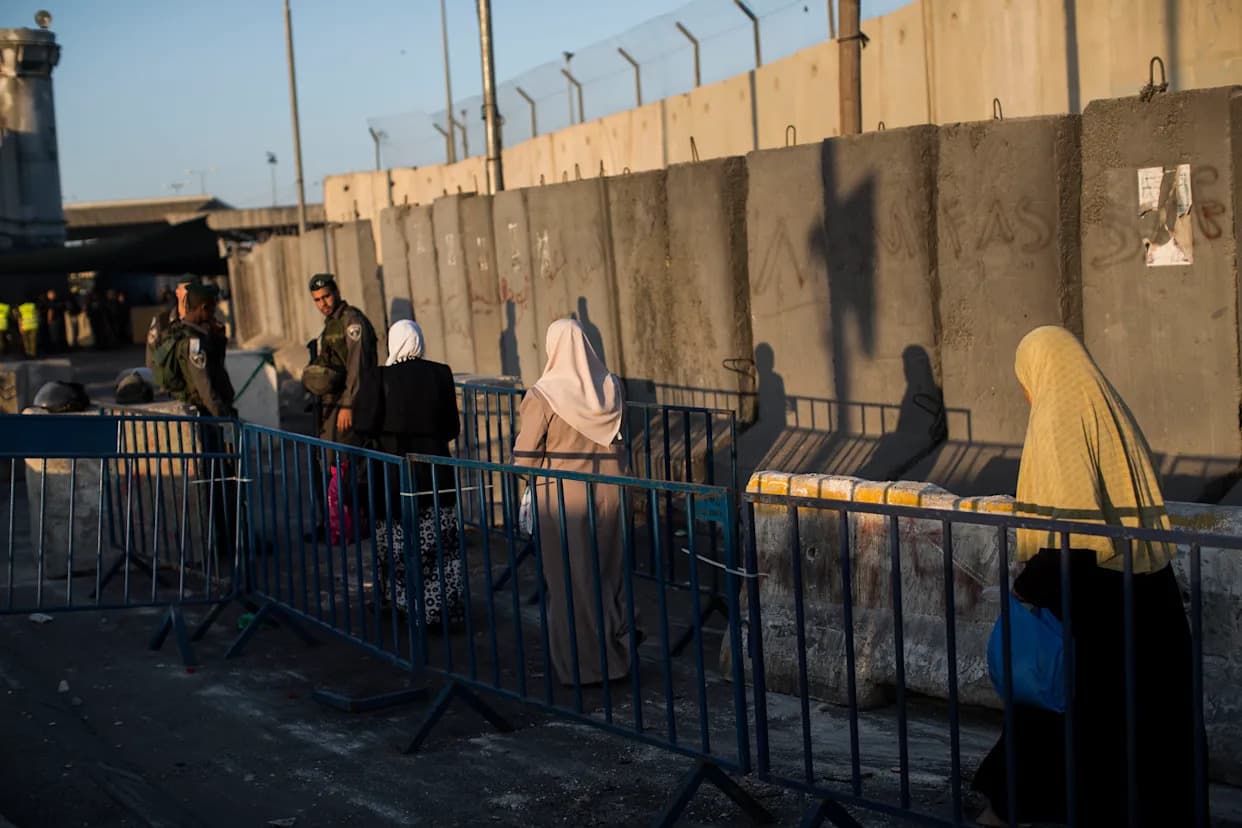
At least 25,000 students in occupied East Jerusalem are on strike after Israeli authorities restricted the entry of teachers who live in the occupied West Bank, preventing many from reaching schools in the city.
The action was initiated by the General Secretariat of Christian Educational Institutions in Jerusalem and was subsequently joined by private schools across East Jerusalem. School leaders say the measures follow an Israeli decision to reduce the number of days for which work permits are issued to West Bank teachers. Under current rules, Palestinians must obtain permits from the Israeli military to cross checkpoints between the West Bank and East Jerusalem.
Impact on Teachers and Schools
School directors report the restrictions affect a large share of their staff. Richard Zananiri, director of the private St George’s School, told The Times of Israel that the limitations apply to more than half of the roughly 300 teachers employed across private schools in the city. “We are not happy that children are staying at home,” he said, adding that talks with Israeli authorities were ongoing to restore regular activities.
Mustafa Barghouti, secretary-general of the Palestinian National Initiative, said: “The reason goes deeper than just the issue of the teachers. It reflects dismay about the Israeli-imposed illegal rules.”
Official Responses
The Palestinian Ministry of Education and Higher Education condemned the move as a serious violation of the right to education, saying the restrictions form part of a systematic policy aimed at undermining Palestinian identity in East Jerusalem, according to the Palestinian news agency Wafa.
Israeli media also reported the temporary closure of six East Jerusalem schools run by the UN Relief and Works Agency for Palestine Refugees (UNRWA). Israel has accused UNRWA of links to Hamas in the October 7, 2023 attacks, allegations that international authorities and the agency say have not been substantiated publicly.
Legal and Humanitarian Context
In October, the International Court of Justice (ICJ) issued advisory opinions stating that Israel must support UN relief efforts in Gaza, including those conducted by UNRWA, and found that allegations against the agency were unsubstantiated. The ICJ also said Israel, as the occupying power, must ensure Gaza’s population has access to basic supplies essential for survival, such as food, water, shelter, fuel and medicines.
What’s Next
Parents, teachers and school administrators say negotiations with Israeli authorities are continuing. The strike highlights broader tensions over permit restrictions, freedom of movement and the provision of education in occupied East Jerusalem. Observers say the developments could have lasting effects on education access and community relations unless a resolution is reached.