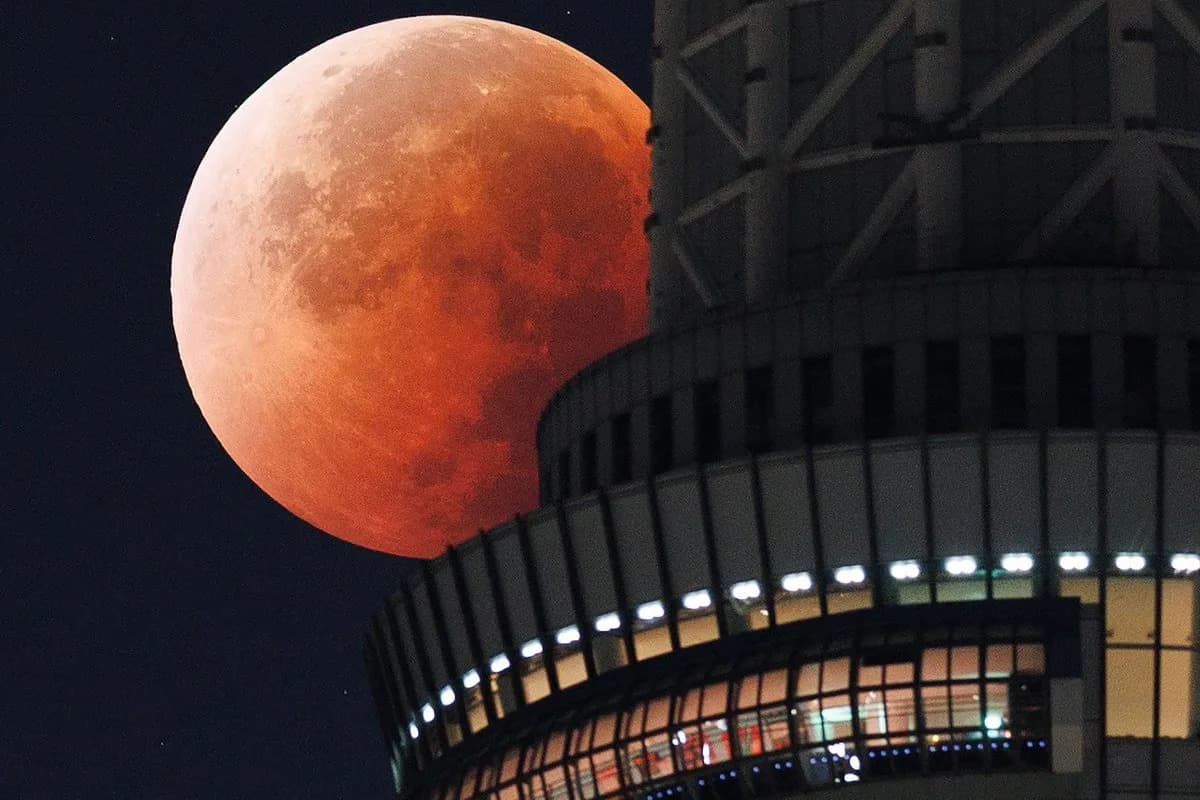
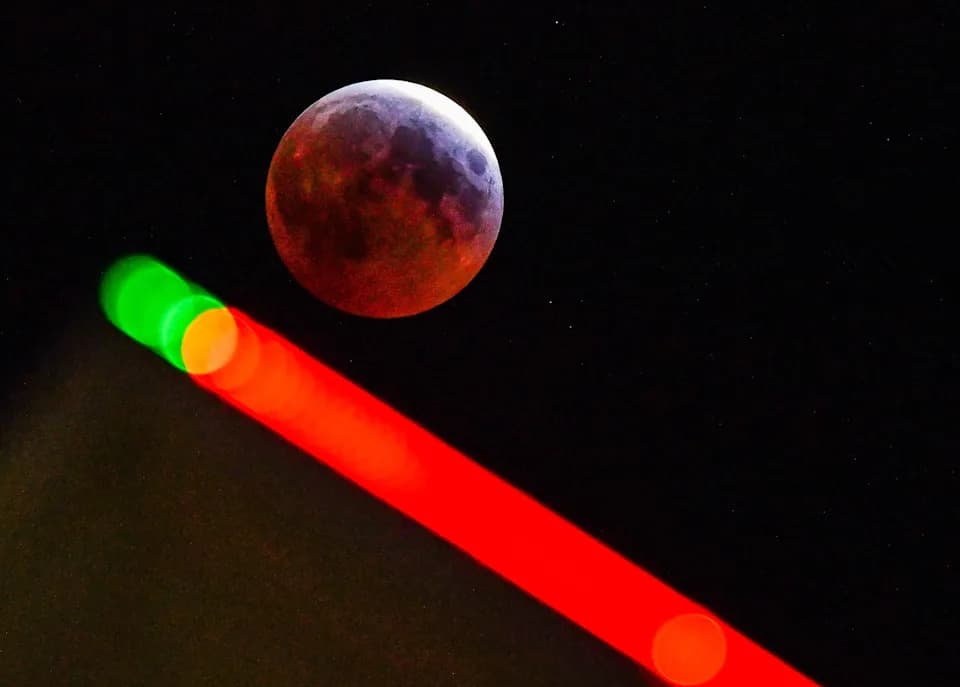
A total lunar eclipse will take place March 2–4, 2026, producing a "blood moon" as the Moon passes through Earth’s shadow. Totality is expected to last about 58 minutes, with the full event spanning roughly 5 hours 38 minutes. The eclipse will be visible across western North America and much of the Asia-Pacific, and about 31% of the world (≈2.5 billion people) will be able to see the total phase. This is the first total lunar eclipse since September 2025 and the last until late 2028.
Total Lunar Eclipse March 2–4, 2026: 'Blood Moon' Totality Up to 58 Minutes
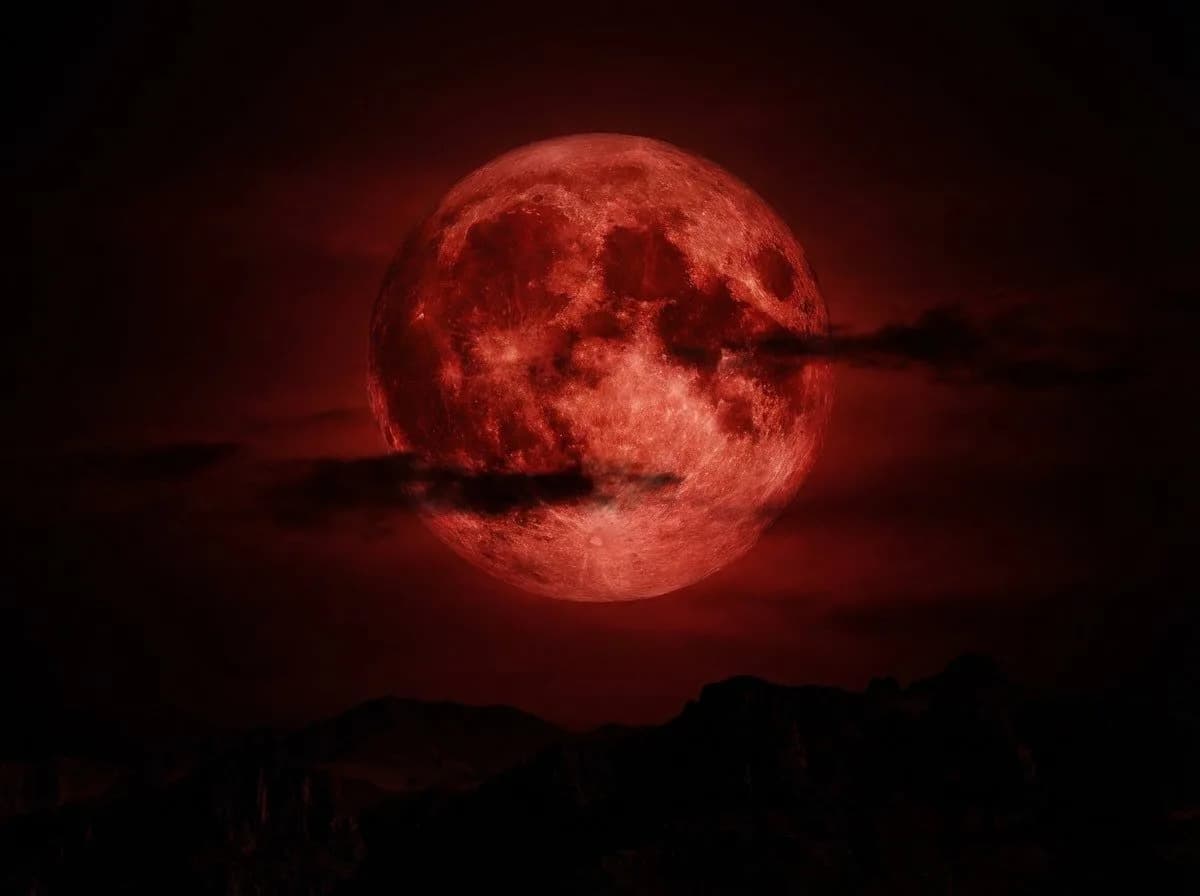
From Hawaii to Australia, Pacific region residents will have front-row seats to a spectacular 'blood moon' visible for nearly an hour ©Image Credit: GEEKSPIN / Nano Banana generated
A total lunar eclipse will occur from March 2–4, 2026, painting the full moon a reddish hue for viewers across large parts of the globe. The phenomenon—commonly called a "blood moon"—happens when the Moon passes through Earth's shadow and sunlight is refracted and scattered through our atmosphere.
What to Expect
Totality: About 58 minutes (the period when the Moon is fully in Earth's umbra).
Entire eclipse: Approximately 5 hours 38 minutes including partial phases.
Visibility
The eclipse will be visible across western North America, much of the Asia-Pacific region (including Australia, New Zealand, and East Asia), and large portions of the Pacific. Observers in western North America, northwest Mexico and inland Australia are forecast to have particularly favorable viewing conditions, weather permitting.
Timing Notes
Timing varies by location and time zone. In North America, totality will fall during the early morning hours of March 3; viewers in the eastern U.S. may see the Moon set while it is in totality, whereas locations farther west should see the full red phase. In the Asia-Pacific region the eclipse will be visible on the night of March 3 into March 4, and in some places totality will begin as the Moon rises.
How the "Blood Moon" Appears
During totality, the Moon takes on a reddish tint because sunlight passing through Earth’s atmosphere is scattered; shorter blue wavelengths are removed and redder light is bent into Earth’s shadow and softly illuminates the lunar surface.
Other Details
Roughly 31% of the world’s population—about 2.5 billion people—will be positioned to see the total phase. The Moon for this event is known as the March "Worm Moon" and will appear near its average apparent size.
Upcoming Eclipses
After this March event, a deep partial lunar eclipse is expected in August 2026. The next total lunar eclipse will occur at the end of 2028 (Dec. 31, 2028 into Jan. 1, 2029).
Source: Space.com (reported by Geekspin)
Tip: Check local eclipse timings and weather forecasts before planning to view, and consider using binoculars or a small telescope for enhanced detail.
Help us improve.