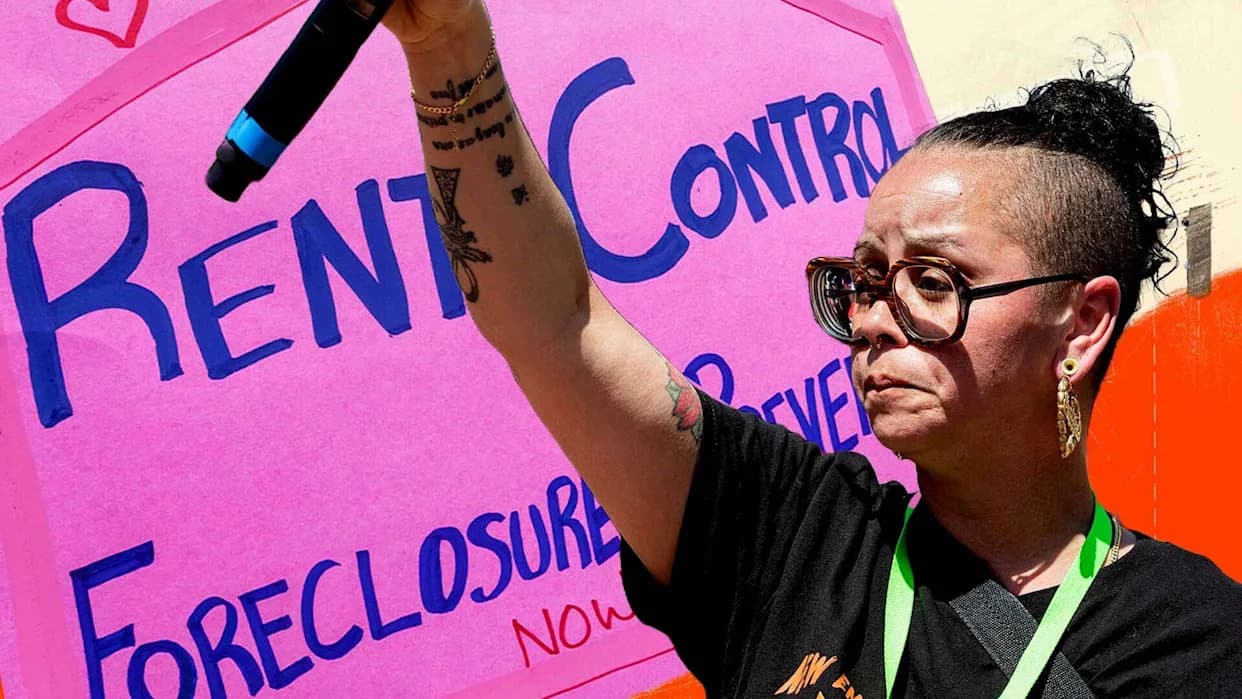
Happy Tuesday. This edition examines a familiar — and, in the author's view, misguided — housing policy: rent control. Activists working with labor unions in Massachusetts are pursuing a citizen initiative for the November 2026 ballot that would cap rent increases at 5 percent or the annual Consumer Price Index (whichever is lower) on nearly all rental units.
Where the proposal stands
Organizers from the progressive group Homes For All collected roughly 124,000 signatures; the State Elections Division certified 88,132 valid signatures—well above the 74,574 required to begin the ballot process. With certified signatures in hand, the measure will be considered by the state Legislature, which has until May to enact it. If lawmakers decline, organizers must gather another 12,429 valid signatures by mid-July to qualify the measure for the November 2026 ballot. A November poll showed about 60 percent support among registered voters.
What the ballot measure would do
- Cap: Limit rent increases to 5% or annual CPI, whichever is lower.
- Scope: Apply to almost all rental units, with limited exemptions for short-term rentals, on-campus dorms, owner-occupied buildings with four or fewer units, and buildings under 10 years old.
- No Vacancy Decontrol: Landlords could not reset rents to market rates between tenants.
- New Construction: Caps would apply to newer buildings after a ten-year exemption, unlike some recent state laws that delay coverage for 15 years.
History And Evidence From Massachusetts
Massachusetts has prior experience with municipal rent control. The 1970 Rent Control Enabling Act allowed cities over 50,000 residents to regulate rents. Boston, Brookline, Lynn, Somerville, and Cambridge adopted controls; most repealed or relaxed policies within a few years. Cambridge maintained strict controls until voters approved a statewide ban on rent control in 1994.
Researchers have used Cambridge’s abrupt decontrol to estimate effects. A 2003 study by MIT economist Henry Pollakowski estimated roughly a 20% increase in housing investment after decontrol, improving housing quality. David Sims (2007) found that controls substantially lowered incumbent rents (sometimes by up to 40%) but were associated with more chronic maintenance problems and the withdrawal of units from the rental market. A major 2014 paper by David Autor, Christopher Palmer, and Parag Pathak documented large increases in property values after decontrol and argued that rent control distorted the allocation of apartments and suppressed neighborhood dynamism.
Evidence From Recent Research
While local-era controls often exempted new construction, newer statewide policies change that dynamic. A June 2025 study in the Journal of Housing Economics that examined U.S. rent regulation from 2000–2021 estimated an association between comprehensive rent-control policies and roughly a 10% reduction in the total stock of housing units—consistent with the economic prediction that binding price caps reduce supply and degrade quality over time.
Politics And Practical Tradeoffs
Part of rent control’s appeal is immediate: incumbent tenants see lower rents and greater short-term stability. But the tradeoffs are real and persistent: lower maintenance, reduced turnover, fewer available units for newcomers, and neighborhood stagnation. The Massachusetts proposal combines strict percentage caps with coverage of newer construction after only a ten-year exemption and bans vacancy decontrol—features that amplify risks identified in past debates.
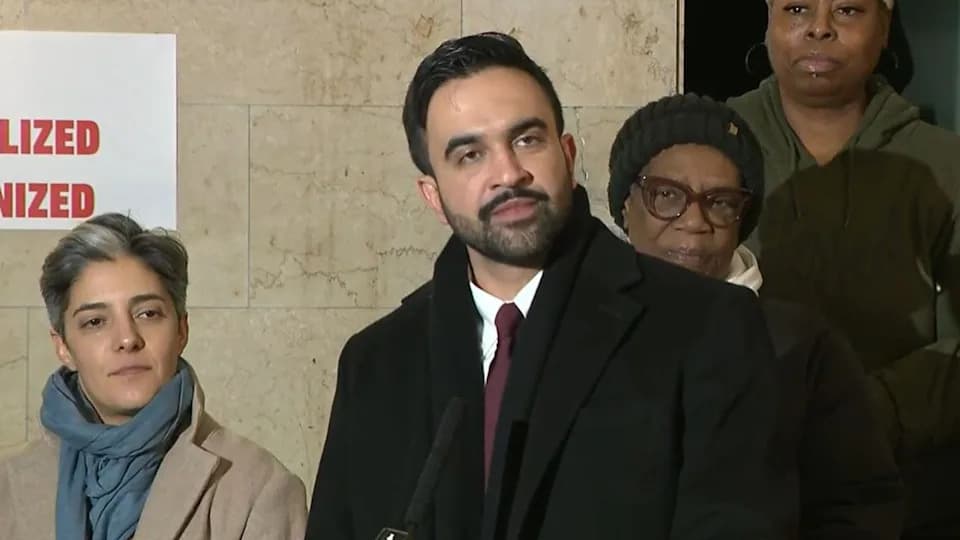
Politically, the measure has split leadership. Governor Maura Healey has opposed the petition. Boston Mayor Michelle Wu—who has previously signaled openness to targeted tenant protections—has been noncommittal, saying the petition’s specifics are not what she would want for Boston. Some progressive legislators support the ballot drive reluctantly and favor a narrower approach that would restore municipal authority to adopt local rent limits instead.
Why This Matters For Supply-Side Reform
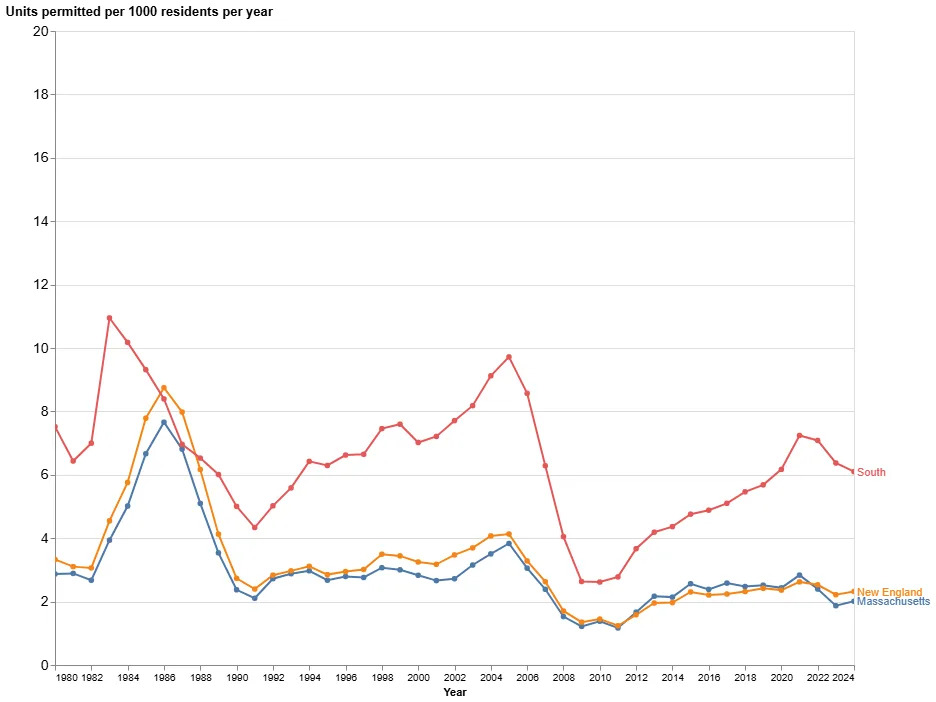
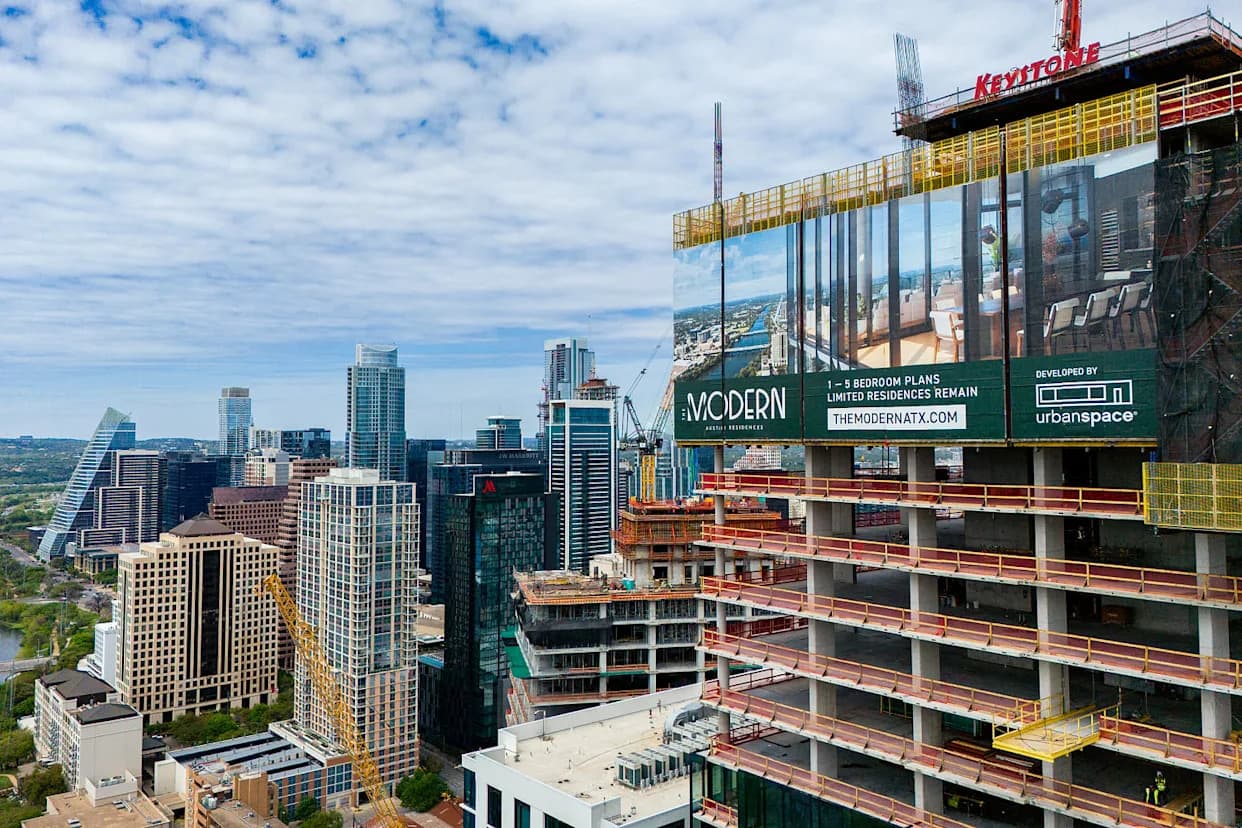
Massachusetts faces real affordability challenges: the Boston area ranks among the nation’s least affordable metros by rent and price-to-income ratios. The state is adding about two housing units per 1,000 residents—below the New England average and roughly one-third of the rate in fast-growing Sunbelt metros. Low production erodes the political coalition for supply-side reforms: many renters and would-be buyers leave the state, leaving behind a population more insulated from market pain and less likely to support upzoning.
Even modest supply-side steps have been taken: the 2021 MBTA Communities Act mandates denser development near transit, and Cambridge recently adopted a middle-housing ordinance. But state-level mandates often leave local governments discretion to limit practical effects, and implementation has required legal enforcement in some places.
Conclusion
If enacted, Massachusetts’ proposed rent cap could deliver short-term relief to incumbent tenants while risking long-term declines in housing quality and quantity—and could reduce political support for zoning reforms that expand supply. The coming legislative review and potential ballot campaign will test whether voters prefer immediate price limits or structural reforms that expand housing over time.
Bottom line: Rent caps may offer immediate protection for current tenants, but history and recent research suggest broad, long-term cost to housing quality, supply, and neighborhood dynamism—especially when vacancy decontrol is prohibited and newer construction is soon covered.
Related reading: recent national housing trends show 2024 was a strong year for multifamily construction, and real rents fell in 2025 as inventory rose and price growth cooled.