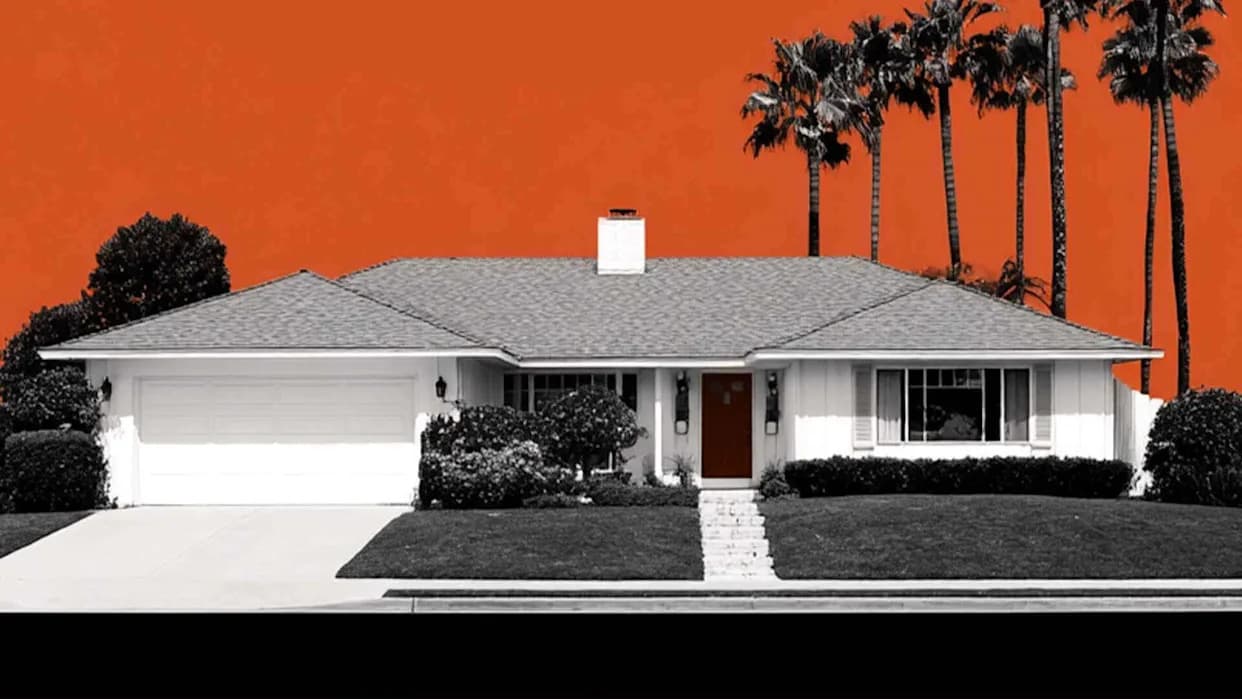
President Trump proposed banning large institutional investors from buying single-family homes, reigniting debate over concentration in the housing market. Nearly 5% of home purchases at the pandemic peak were institutional, and in several cities investors now own over 15% of rentals. Housing prices rose roughly 55% over five years, limiting affordability and homeownership. The author argues that concentrated investor purchasing resembles historic market domination and urges policy action to restore competitive balance.
Opinion: Ban Big Investors From Buying Single-Family Homes to Protect the American Dream

President Trump this week used social media to renew a national debate about housing policy by proposing a ban on large institutional investors buying single-family homes.
That proposal is long overdue. At the height of the pandemic, nearly 5 percent of home purchases were made by institutional buyers, and in markets such as Atlanta, Jacksonville, Tampa and Charlotte, institutional investors now own more than 15 percent of rental homes. For many middle-class families, this means competing against multibillion-dollar private equity firms and tech-enabled real estate platforms — a mismatch of algorithms and deep capital versus everyday buyers.
Why This Matters
Over the past five years, housing prices have climbed by nearly 55 percent, effectively locking many Americans out of homeownership. The broader economy can be fragile: small changes in inflation or interest rates often ripple through to job creation and GDP. Yet housing values have shown surprising resilience even through pandemic-era disruptions — a durability that deserves scrutiny.
One explanation is simple and familiar in economic history: when a small group of well-capitalized buyers concentrates ownership of supply, they can influence markets. They buy large blocks of housing, reduce available supply for individual buyers, and either push prices higher or convert would-be homeowners into renters. This is not competition through better products or services; it is market control enabled by scale.
Historical Parallels and the Case for Action
History offers parallels. John D. Rockefeller and other early 20th-century magnates consolidated markets to gain outsized power. Economists and thinkers from Adam Smith to Milton Friedman warned that markets require moral guardrails: without them, concentration of wealth and influence can erode the competitive system itself.
Concentrated investor buying threatens broad-based ownership and the social mobility homeownership can provide. Policymakers should act to restore competitive balance in housing markets before the opportunity narrows further.
Past presidents such as Theodore Roosevelt and William Taft confronted similar concentrations of corporate power by using regulation and antitrust tools to level the playing field. If business ownership has declined and large investors increasingly target single-family housing, targeted policy responses — from purchase limits to transparency and tax incentives for owner-occupied purchases — warrant serious consideration.
Final Thought
Preserving access to homeownership is about more than politics: it is about protecting a pathway to wealth-building and stability for millions of Americans. Government interventions that ensure competition, transparency and fair access can help preserve the American Dream.
About the author: Brian Hamilton founded Sageworks (now Abrigo), one of the first fintech firms serving thousands of banks and millions of business owners. He also founded Inmates to Entrepreneurs, a program that helps justice-involved people start low-capital businesses, and hosted ABC’s “Free Enterprise.”
Help us improve.