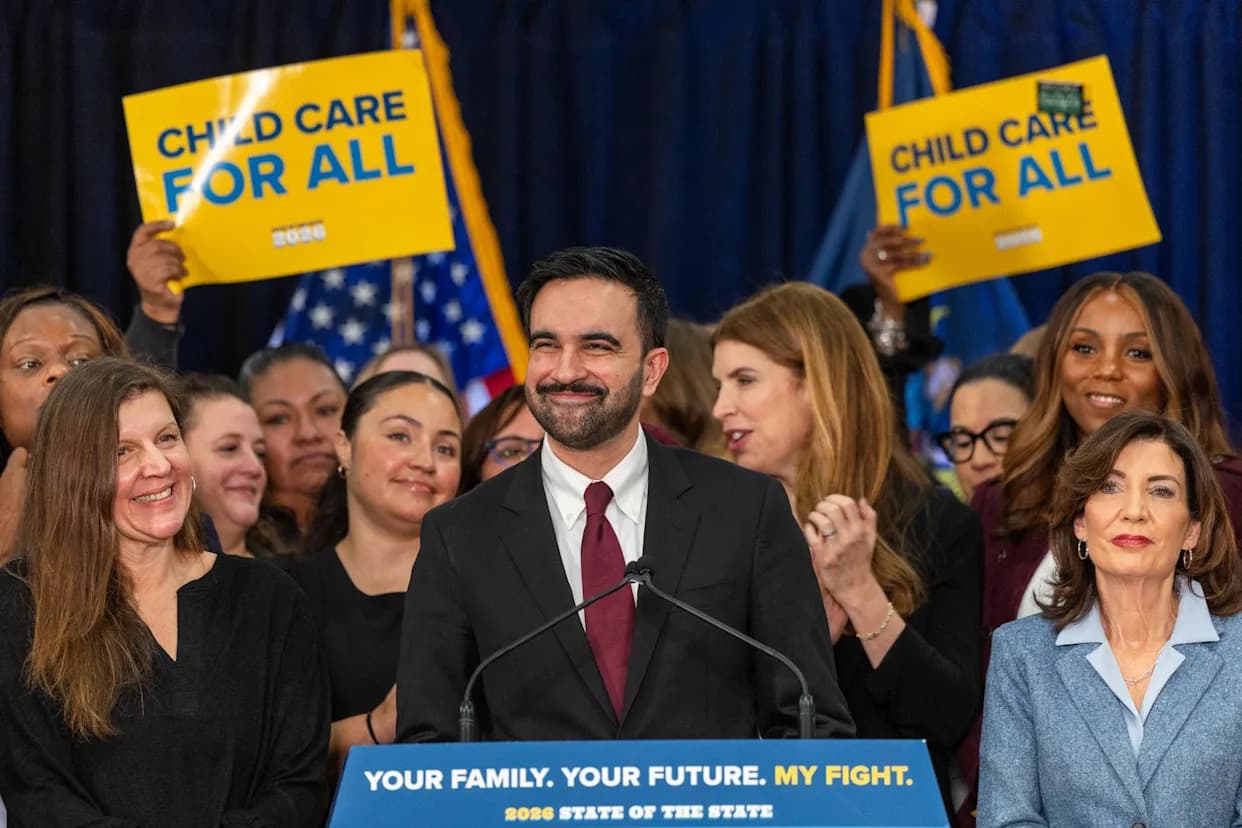
Zohran Mamdani ran for mayor promising to make New York more affordable, repeatedly invoking the word across debates and campaign materials. His platform favors direct price interventions — five city‑run grocery stores exempt from rent and barred from "price gouging," a freeze on rent‑stabilized units, a $30 city minimum wage, and universal no‑cost child care starting at six weeks. Critics warn these measures can distort markets, create shortages, and raise long‑term costs, citing KC Sun Fresh's struggles and an NBER paper linking a $20 fast‑food wage to roughly 18,000 job losses. Supporters counter that bold public action is needed to ease immediate economic pain.
Mamdani’s ‘Affordability’ Pitch: Policy Promises That Put Prices in the Crosshairs
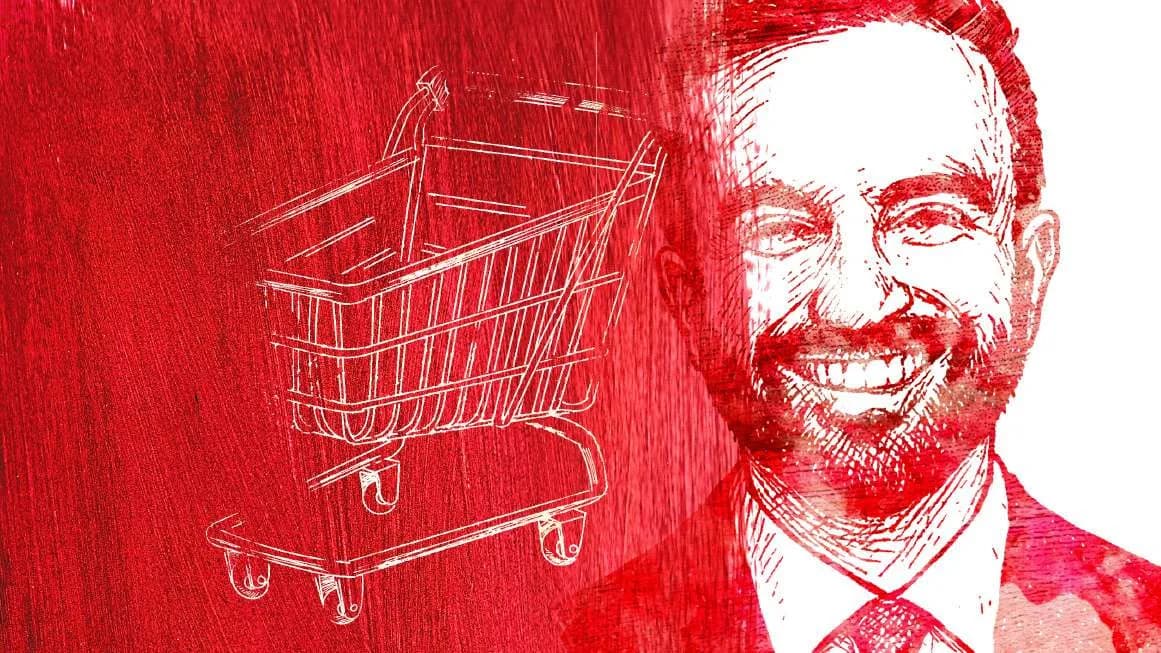
Zohran Mamdani Didn't Run on 'Affordability.' He Ran Against Prices.
Zohran Mamdani built his mayoral message around a single word: affordability. He repeated the theme across debates, interviews and campaign materials — from a bold platform banner reading "New York is too expensive. Zohran will lower costs and make life easier" to a viral video complaining about "halalflation." But beneath the slogan, many of his flagship proposals focus on directly intervening in prices and costs, a strategy that critics say risks creating shortages and higher long‑term costs.
Price Controls Over Market Signals
Mamdani’s agenda includes measures that limit or fix prices: a pilot of five city‑run grocery stores that would be exempt from rent and barred from price gouging; a freeze on rents for rent‑stabilized apartments; a proposed $30 city minimum wage; and universal, "no‑cost" child care beginning at six weeks, alongside higher pay for caregivers. Supporters frame these policies as immediate relief for residents. Critics argue they amount to direct interference with market pricing — interventions that can disguise supply problems and reduce incentives for producers and suppliers.
Examples And Evidence Cited By Critics
Municipal grocery experiments have a mixed record. For example, KC Sun Fresh, a government‑backed grocery in Kansas City, has struggled with persistent shortages, declining patronage and heavy losses, and has at times faced closure risk. Economists also point to research showing that steep minimum‑wage increases can have employment effects: a July 2025 working paper from the National Bureau of Economic Research associated a rise to a $20 fast‑food wage in California with roughly 18,000 lost jobs.
Housing And Construction Tradeoffs
Mamdani departs from price‑control orthodoxy by acknowledging the need for more housing. But he pairs a pro‑building stance with requirements that tend to raise construction costs — including mandated union labor and affordable‑housing mandates that cap rents. Critics say that coupling higher construction costs with rent caps can blunt new supply and make affordability harder to achieve in the long run.
Balancing Immediate Relief With Long‑Term Supply
Many voters and analysts accept the premise that New York is too expensive. The central policy question is how to reduce costs without unintentionally reducing supply or creating long‑term fiscal strains. Price caps, freezes and highly subsidized municipal operations can provide short‑term relief but may require ongoing subsidies, raise taxpayer costs, or reduce private‑sector participation. Conversely, policies that expand supply and reduce regulatory barriers tend to address root causes of high prices but can take longer to materialize.
Bottom Line
Mamdani’s campaign made affordability its central theme and proposed bold interventions aimed at lowering costs directly. Whether those interventions will produce sustainable relief or create new distortions depends on program design, funding, and the balance struck between immediate aid and measures that encourage more supply. Critics warn that emphasizing price suppression over supply expansion risks shortages, fiscal pressure and higher long‑term costs; supporters argue strong public action is necessary to relieve immediate pain for struggling New Yorkers.
Help us improve.