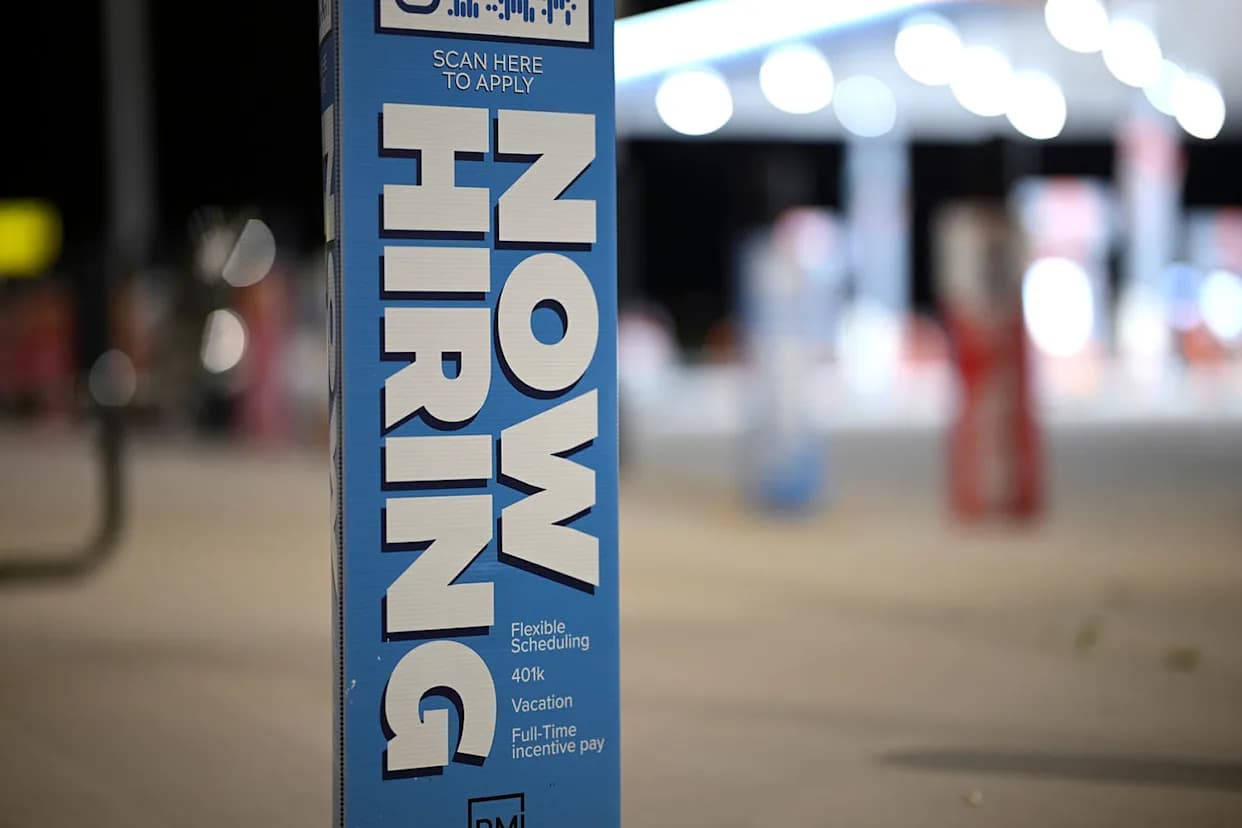
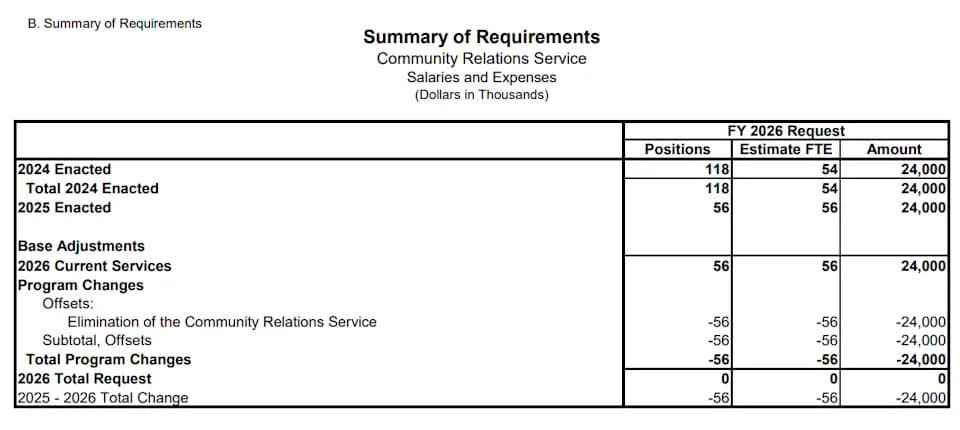
The Labor Department's JOLTS report shows U.S. job openings fell to 7.1 million in November, down from 7.4 million in October and the fewest postings since September 2024. Quits edged up to 3.16 million but remain low historically, while layoffs eased. Separate ADP data show businesses added 41,000 jobs in December, with small firms adding 9,000. Economists are watching whether hiring will accelerate with economic growth or stay muted amid automation and other headwinds.
U.S. Job Openings Slide to 7.1M — Second Lowest in Five Years as Hiring Remains Tepid
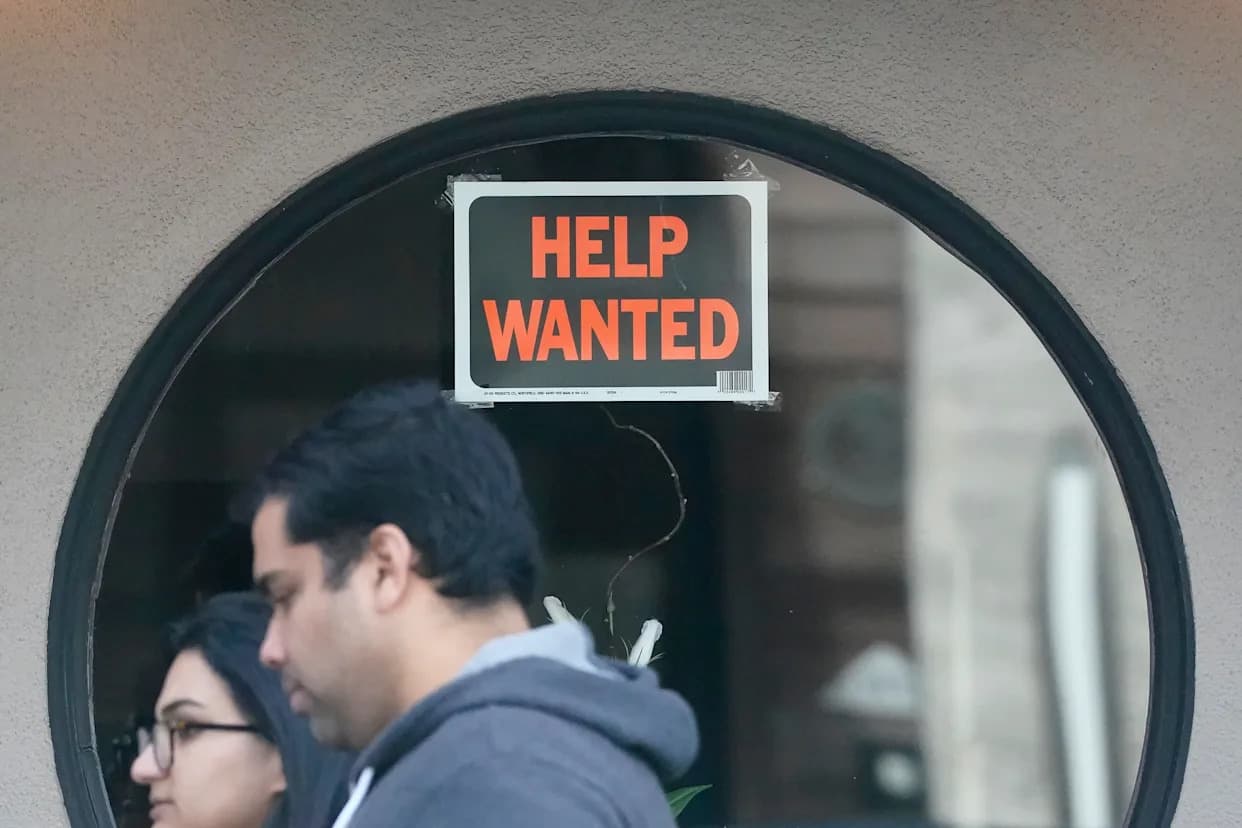
FILE - Pedestrians walk past a help wanted sign posted on the door of a restaurant in San Francisco, Tuesday, April 18, 2023. (AP Photo/Jeff Chiu, File)
U.S. employers posted substantially fewer job openings in November, underscoring that many firms remain cautious about hiring even as economic activity shows strength.
Businesses and government agencies listed 7.1 million open jobs at the end of November, the Labor Department said Wednesday, down from 7.4 million in October. Layoffs also eased, suggesting employers are retaining existing workers while hesitating to add new staff.
Low-Hire, Low-Fire Market Persists
The data point to a continued "low-hire, low-fire" labor market: many employed workers enjoy a degree of job security, while the unemployed still face difficulty finding new positions. The number of job postings in November was the fewest since September 2024 and, aside from that month, the lowest in nearly five years.
Sectors Driving the Moves
Openings fell sharply in shipping and warehousing, restaurants and hotels, and state and local government, while vacancies rose in retail and construction.
Worker Confidence And Separations
The number of Americans who quit their jobs — a commonly watched gauge of worker confidence — edged up to 3.16 million in November, from just under 3 million in October. Although this uptick is a positive sign, quits remain low by historical standards.
Why This Matters
The JOLTS report (Job Openings and Labor Turnover Survey) provides a key snapshot of hiring, quits and layoffs. Its findings arrive after some data releases were delayed by last fall’s government shutdown; analysts will watch the upcoming monthly jobs report for December for further clarity.
Separate Payroll Measures
Payroll processor ADP said businesses added 41,000 jobs in December, rebounding after a loss of 29,000 in November. Small firms (fewer than 50 employees) contributed 9,000 of those gains — a notable reversal after earlier losses among smaller employers. Economists say small businesses have been squeezed by tariffs, which can be harder for them to absorb than for larger firms.
“It is a slower labor market,” said Nela Richardson, chief economist at ADP. “The labor market isn’t falling off a cliff. We still see some job growth, and we don’t see an uptick in layoffs.”
The Bank of America Institute, which tracks paycheck inflows among its customers, reported signs of pickup in December: job gains in its data rose to 0.6% year-over-year, up from 0.2% in November. “It does look like, in our data, that the worst of the slowdown could be behind us,” said David Tinsley, a senior economist at the institute.
Outlook
A central question for the year ahead is whether hiring will accelerate to match healthy economic momentum or whether slow job creation — possibly amplified by automation and artificial intelligence — will constrain growth even as output remains solid. The December employment report will help determine which path the labor market is taking.
Help us improve.