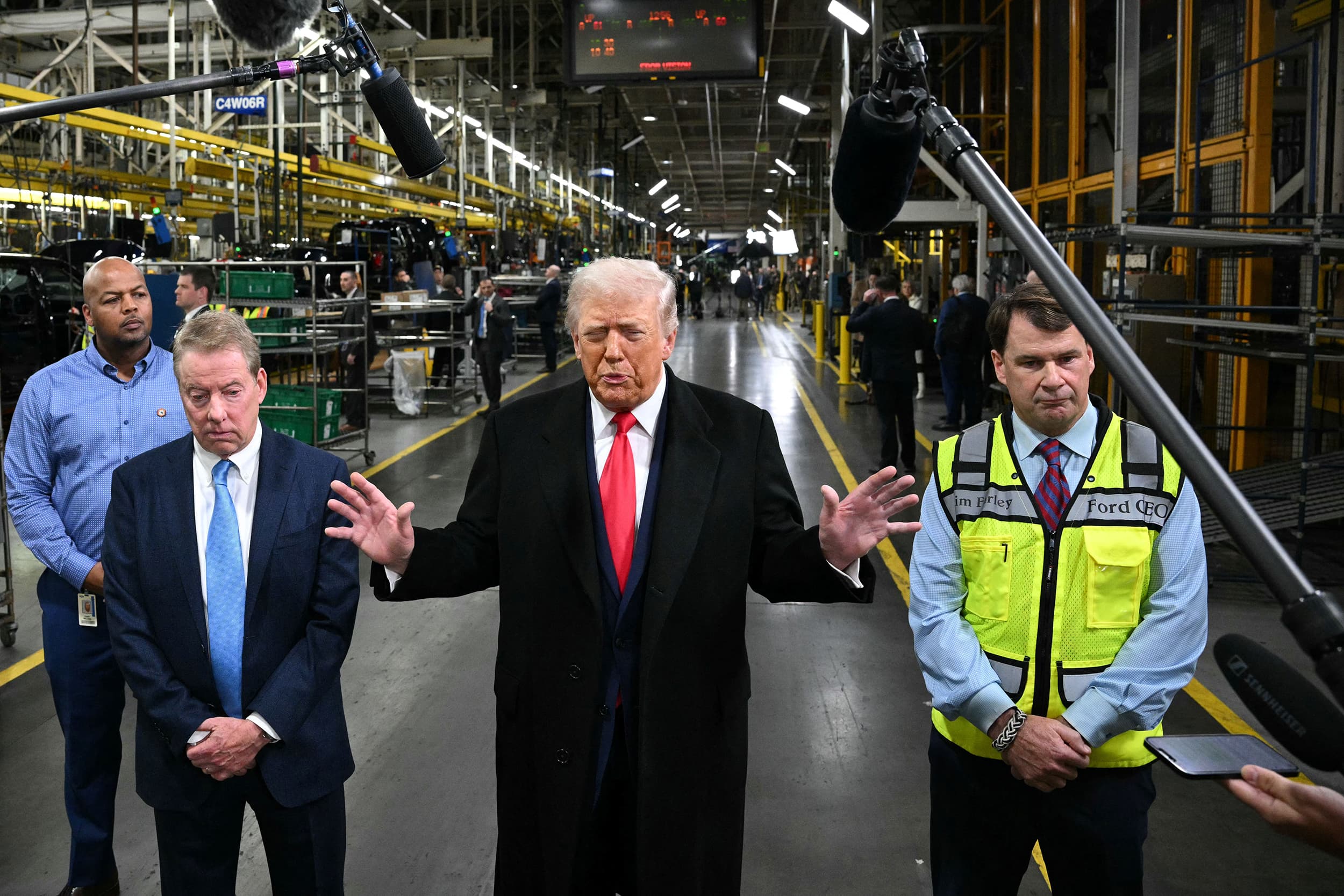
Republican Rep. Jimmy Patronis this week praised Donald Trump’s tariff strategy, saying it was being used “to strengthen the manufacturing base.” Hours later, the former president called the moment a “Manufacturing Renaissance.” But by available economic measures, that characterization does not match the recent trend in U.S. manufacturing employment.
Job Losses and Recent Trends. National reporting shows the manufacturing sector has shed jobs for eight consecutive months. Automakers alone cut roughly 28,000 jobs over the past year, and employment in autos and auto parts has declined by about 20,000 since April — the month Trump announced his tariff measures on what he called "Liberation Day." Since that announcement, every subsequent month has recorded manufacturing job losses.
Why Economists Say Tariffs Hurt, Not Help. Most mainstream economists quoted by outlets including The Washington Post argue that the trade measures touted to revive U.S. manufacturing have instead weighed on it. About half of U.S. imports are intermediate goods — components and materials (for example, aluminum shaped into cans or circuit boards used in electronics) that American firms rely on to produce finished products. Tariffs on these inputs raise production costs across many sectors, offsetting any protection gained by specific domestic industries such as steel.
Political Messaging vs. Economic Reality. The White House and allies have promoted tariffs as a tool to bolster domestic manufacturers. But empirical indicators — persistent monthly job declines and steep cuts in the auto sector — suggest those claims are overstated. If the administration seeks public patience, a clearer, data-driven plan to revive and sustain manufacturing employment would strengthen its case more than rhetorical labels.
Bottom Line. Calling current trends a “renaissance” is inconsistent with recent employment data and mainstream economic analysis. Policymakers who want to rebuild U.S. manufacturing will need nuanced trade and industrial strategies that account for supply chains, intermediate inputs, and the cost pressures tariffs can create.
Sources: The New York Times, The Washington Post, official employment reports.