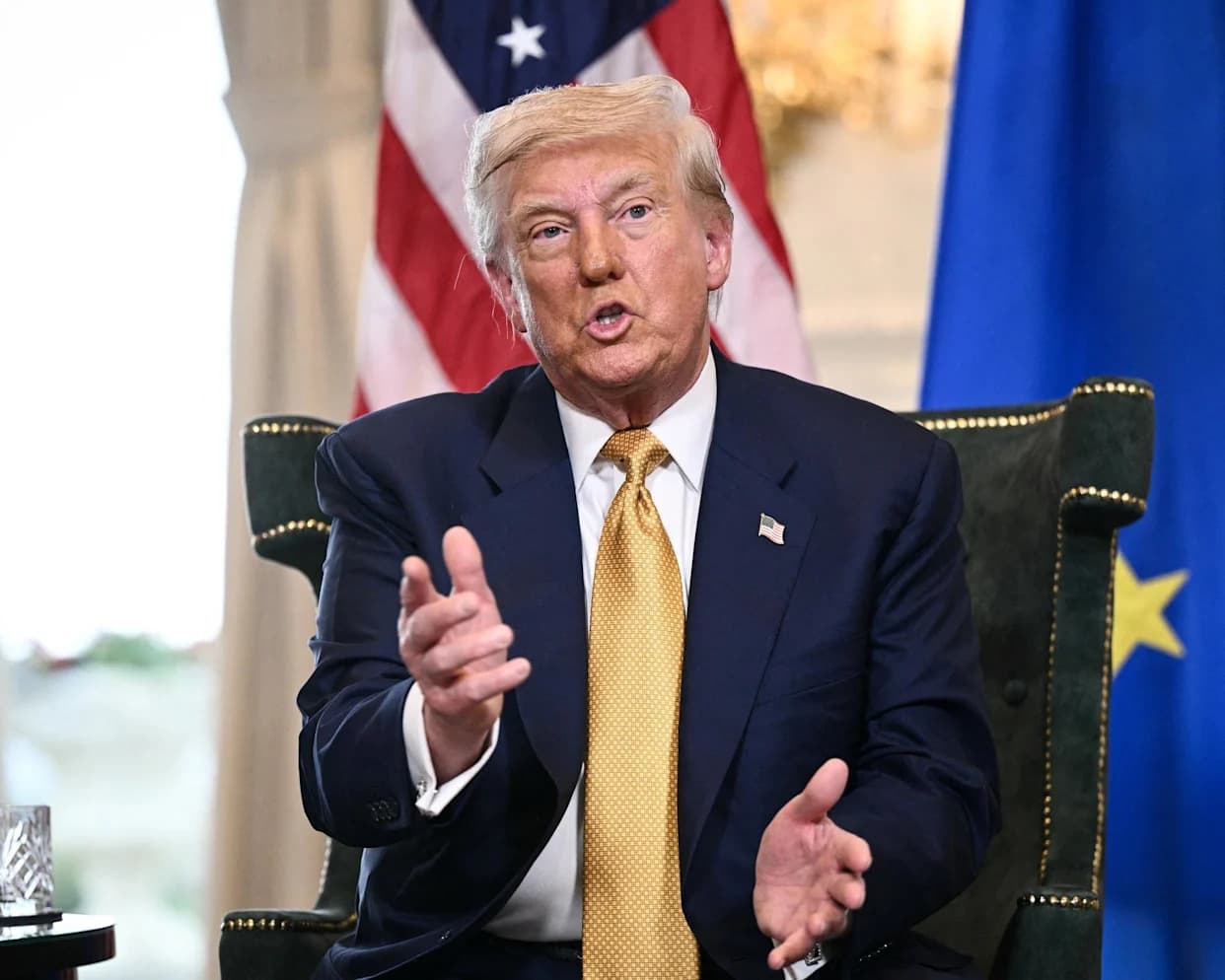
Ayatollah Ali Khamenei posted warnings to the United States in Russian on his X account on Jan. 11, saying Washington is "miscalculating" and predicting repeat defeats tied to "erroneous planning." The messages — criticized by one analyst as likely machine-translated — highlight Tehran’s growing alignment with Moscow amid a deepening domestic crisis. Human rights group HRANA reports at least 544 dead in nationwide protests, while the opposition NCRI claims more than 3,000 amid internet blackouts that hinder verification. Former President Trump has warned the U.S. is "looking at some very strong options," even as Tehran says back-channel diplomacy with U.S. envoys continues.
Khamenei’s Unusual Russian Posts: A Direct Warning to Washington as Iran Unrest Deepens
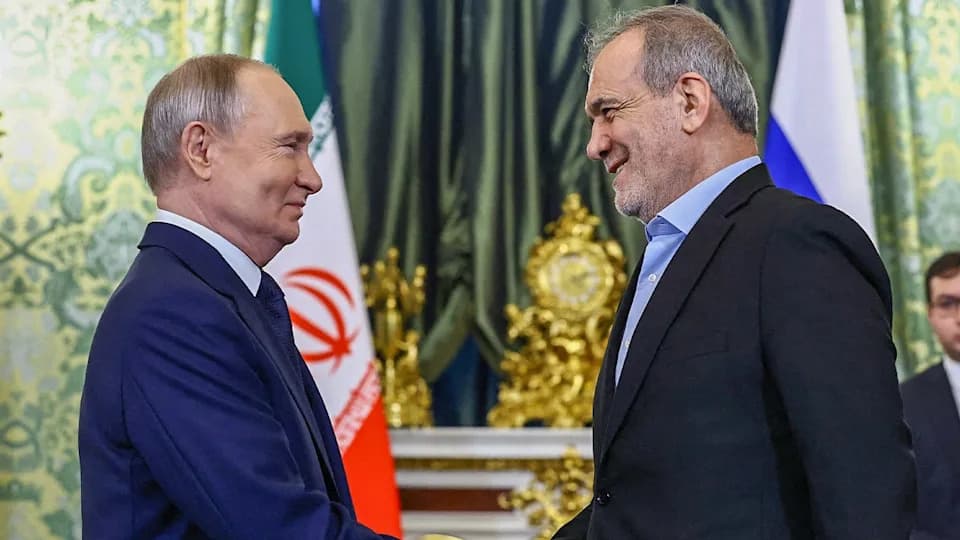
Russian President Vladimir Putin and Iranian President Masoud Pezeshkian shake hands as they meet in Moscow, Russia, Jan. 17, 2025.
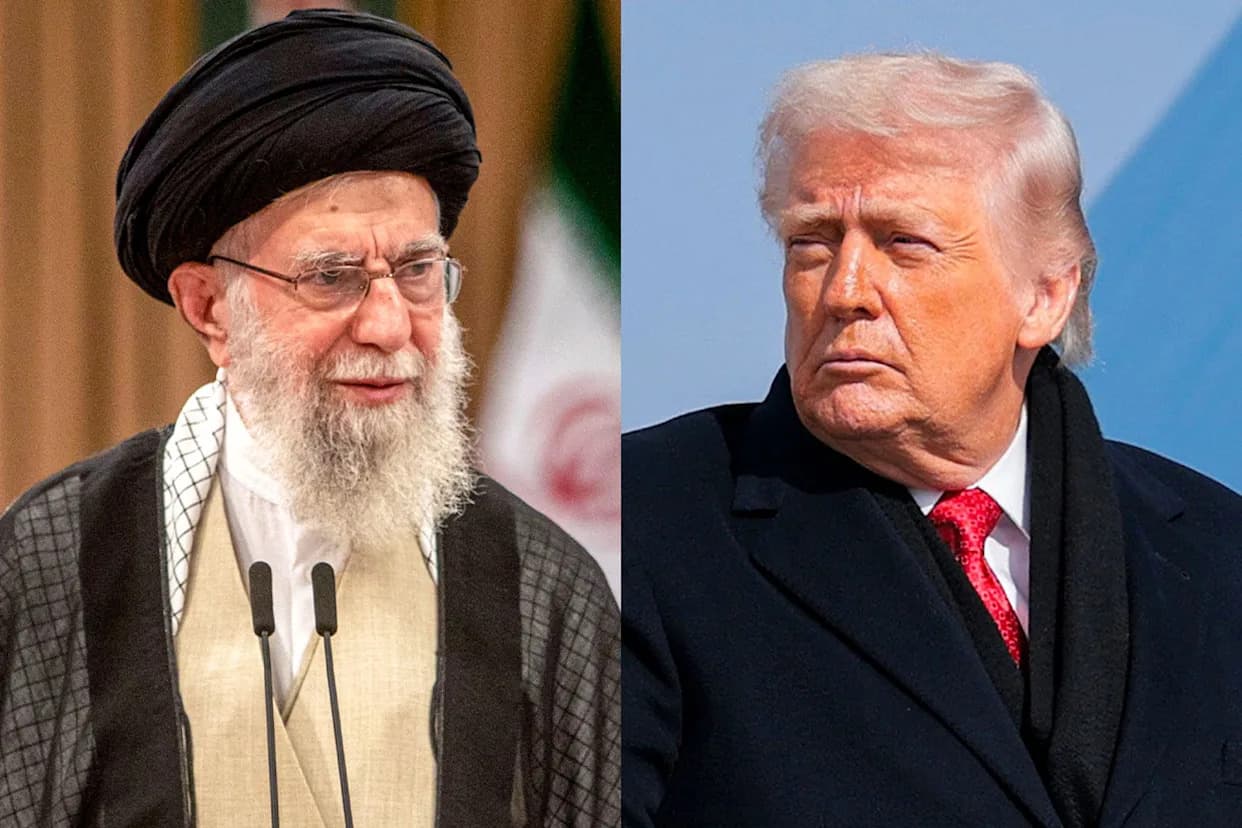
Iran’s Supreme Leader, Ayatollah Ali Khamenei, issued a direct warning to the United States this week via messages posted in Russian on his X account — an uncommon choice that analysts say signals closer ties with Moscow as domestic unrest intensifies.
What Khamenei Said
In a post dated Jan. 11, Khamenei wrote in Russian that "The United States today is miscalculating in its approach toward Iran." Hours later he posted again in Russian, warning that Americans had previously suffered defeat because of "miscalculations" and could do so again as a result of "erroneous planning."
Why He Used Russian
Ksenia Svetlova, executive director of the Regional Organization for Peace, Economy and Security (ROPES) and an associate fellow at Chatham House, said the choice of language is significant even if the translation appears awkward.
"This is bad Russian," Svetlova told Fox News Digital. "It seems that it’s translated by Google Translate, not by a human being."
Analysts interpret the Russian posts not only as a message to Washington but also as a signal to Moscow about Tehran’s strategic alignment with President Vladimir Putin.
Context: Protests and Casualties
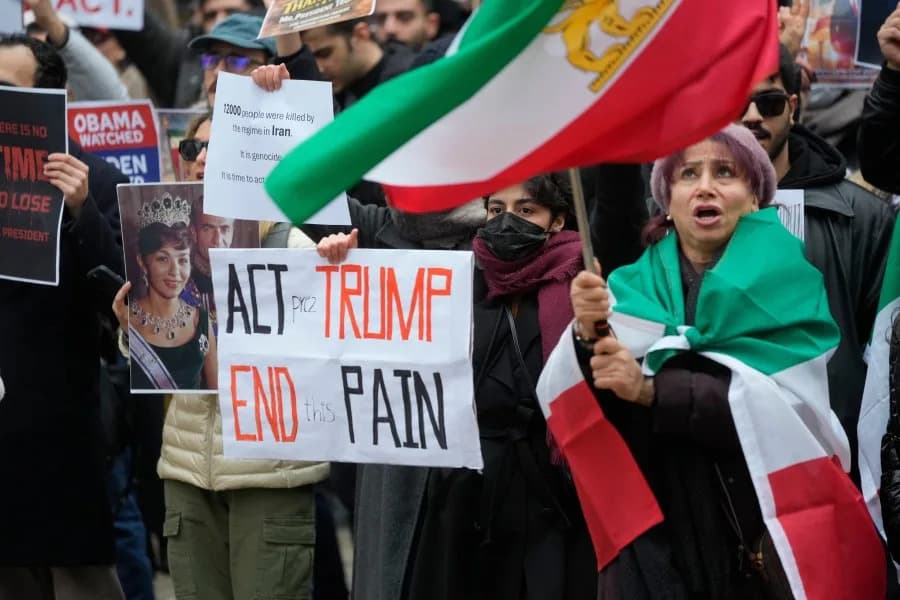
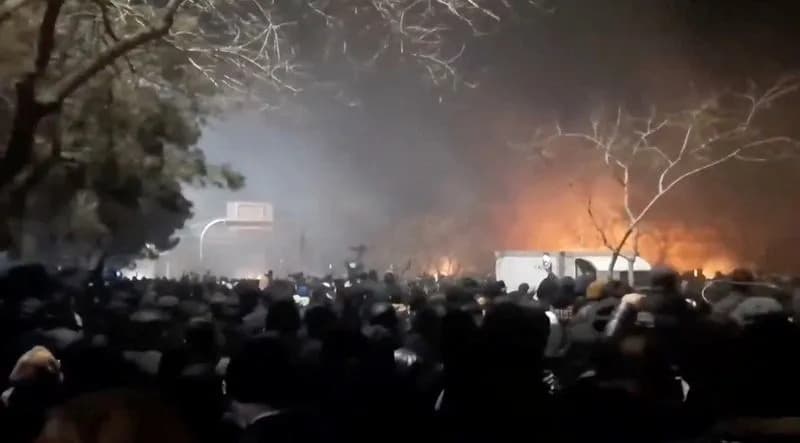
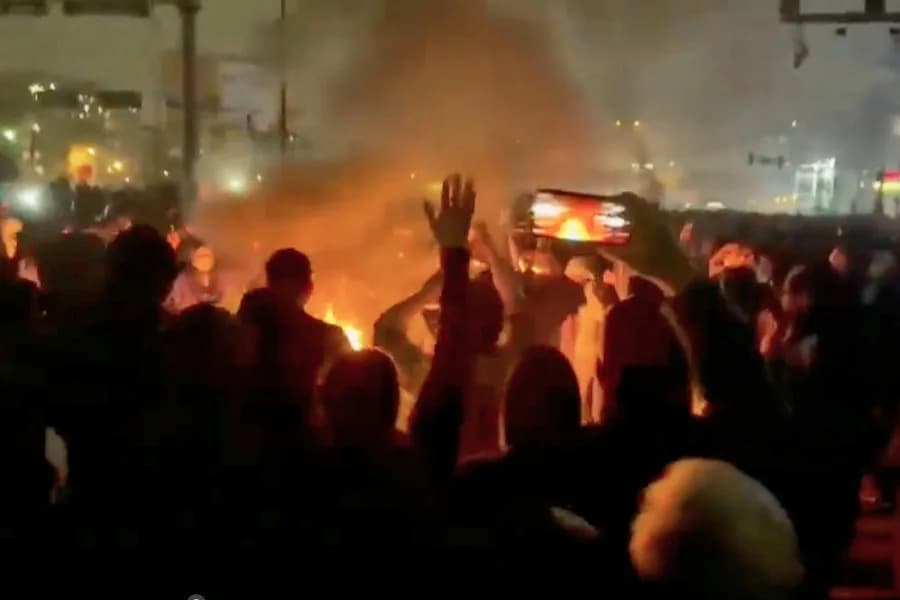
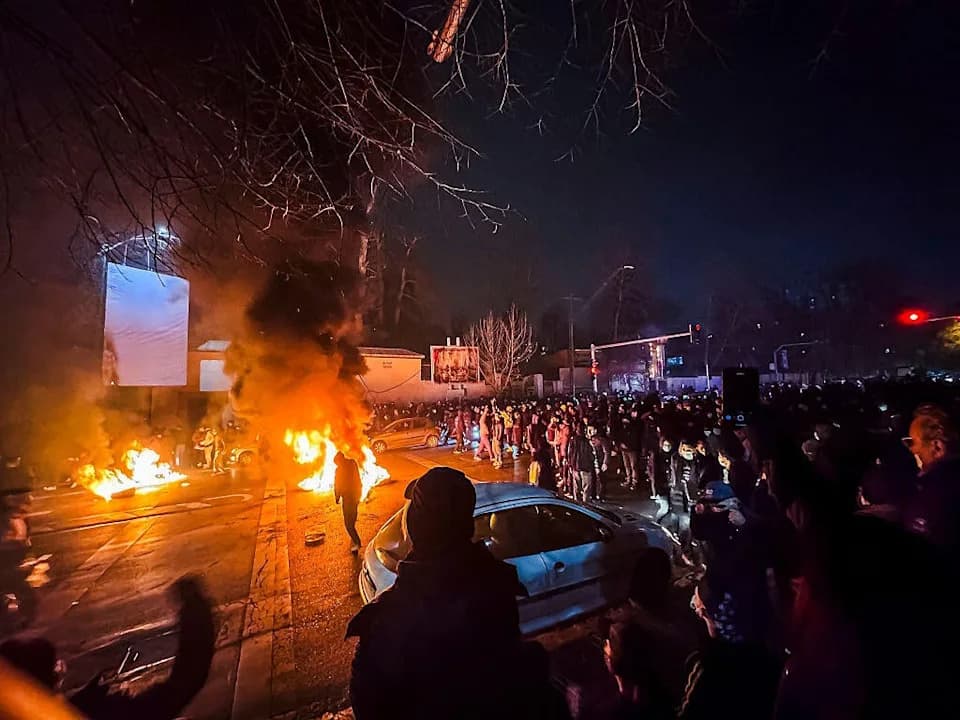
The posts came amid a wave of nationwide protests and escalating domestic tensions in Iran. Human rights monitoring group HRANA reports at least 544 people killed during the unrest, with dozens more deaths under review. The opposition National Council of Resistance of Iran (NCRI) claims the toll exceeds 3,000. Verifying a precise figure has been made difficult by widespread internet blackouts imposed by Iranian authorities.
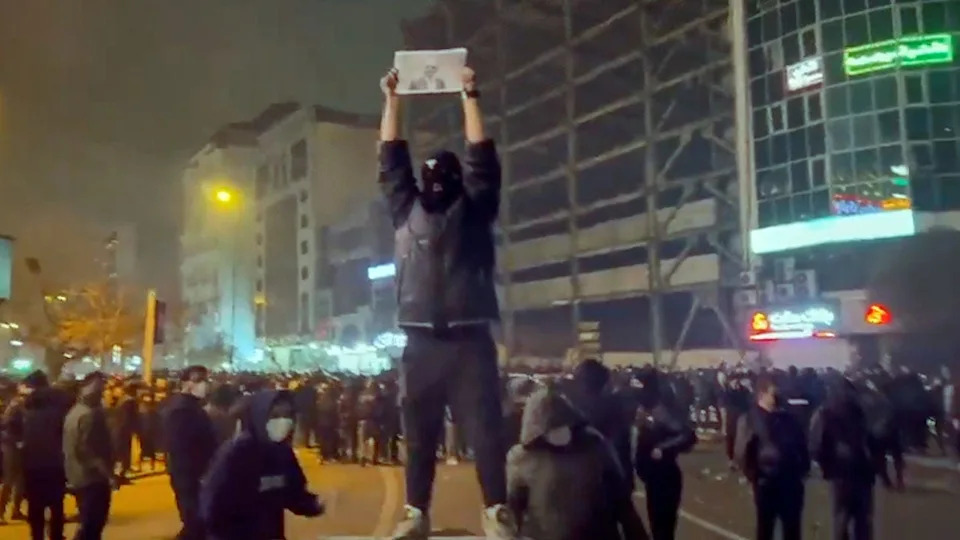
In this frame grab from video obtained by the AP outside Iran, a masked demonstrator holds a picture of Iran's Crown Prince Reza Pahlavi during a protest in Tehran, Iran, Friday, Jan. 9, 2026.
International Responses
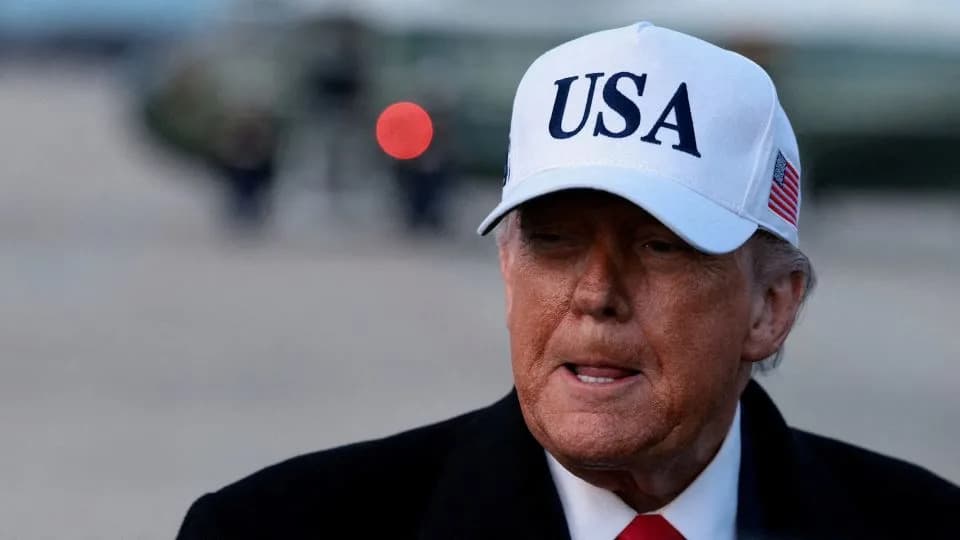
Former President Donald Trump led U.S. criticism of Tehran’s crackdown, saying on Air Force One that "They're starting to, it looks like... we're looking at it very seriously" and that "We’re looking at some very strong options." Iranian officials have rejected U.S. interference and warned that any American military action would provoke retaliation against U.S. forces and allied positions in the region.
At the same time, Tehran signaled it wants to preserve diplomatic back channels. Iranian Foreign Ministry spokesman Esmaeil Baghaei said that communication between Iran’s Abbas Araghchi and U.S. special envoy Steve Witkoff remains active. Axios also reported that Araghchi reached out to Witkoff over the weekend amid talk of possible U.S. military responses.
Strategic Implications: Russia, Drones, and Regional Dynamics
Analysts note that Russia has become a critical strategic partner for Iran. Moscow depends on Iranian-supplied drones and other military equipment for its operations in Ukraine, making instability in Tehran potentially consequential for the Kremlin.
"They do depend on Iran — specifically military production, the drones and ballistic missiles," Svetlova said. "They need them to continue their war against Ukraine."
That partnership, however, has also sparked resentment among some Iranians, who criticized Russia for perceived inaction during regional conflicts such as the recent 12-day war with Israel.
What It All Means
Khamenei’s decision to post in Russian appears calculated: it publicly underscores Tehran’s strategic orientation toward Moscow while sending a pointed message to Washington. The posts come at a volatile moment — marked by protests, contested casualty counts, and the possibility of heightened military or diplomatic confrontation.
Sources: HRANA, NCRI, statements reported by Fox News Digital and Axios; comments from Ksenia Svetlova (ROPES/Chatham House).
Help us improve.