Dallas and Hays County Republican parties have dropped plans to hand-count March primary ballots after facing volunteer shortfalls, budget gaps and federal accessibility and data requirements. Both counties will use ballot-counting machines for the March 3 primary. Dallas GOP leaders said they recruited about 1,300–1,500 volunteers of a 3,000 target and raised roughly $500,000 but expected up to $150,000 more; Hays GOP cited the inability to secure accessible machines and necessary voting data. Some smaller counties still plan hand-counts, and party officials said they may revisit the approach in future election cycles.
Texas GOPs In Dallas And Hays Drop Plans To Hand-Count March Primary Ballots

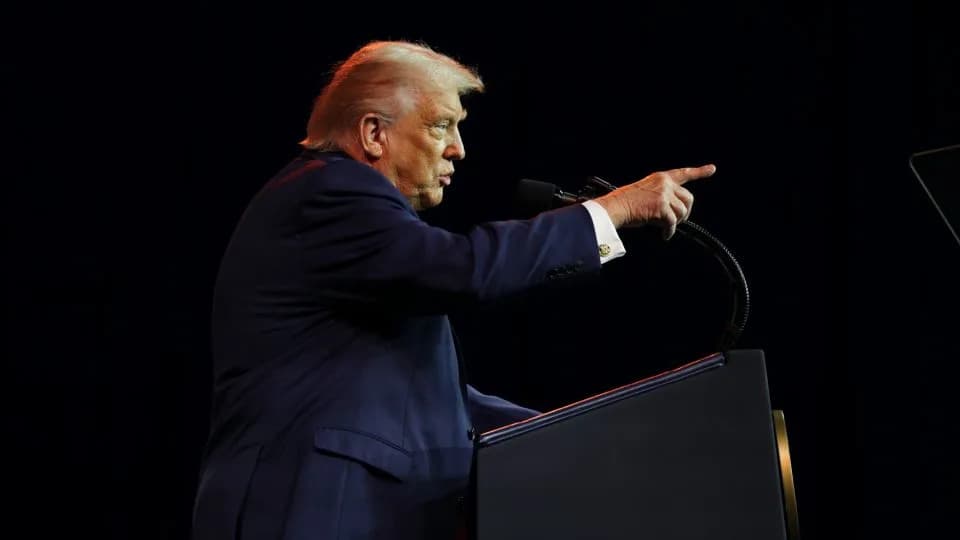
Allen West, the chairman of the Dallas County Republican Party, had pushed to count ballots by hand in this year's primaries. (Eric Gay / AP)
Republican parties in Dallas and Hays counties have abandoned plans to hand-count ballots in the March 3 primary, citing staffing shortfalls, legal risks and equipment shortfalls. Both counties will use ballot-counting machines as they did in prior elections.
The Dallas County Republican Party said it ended its hand-count drive after failing to recruit enough precinct volunteers and facing mounting costs. County GOP Chairman Allen West, a former congressman, told reporters the party had pledged to recruit more than 3,000 volunteers but had secured only about 1,300 to 1,500 by late in the year. The party raised roughly $500,000 for the effort but estimated it might need as much as an additional $150,000; donors will be offered reimbursements.
Hays County Republicans said they could not meet federal accessibility requirements that mandate an accessible voting machine at every polling site and that they did not receive voting data needed to safely consolidate precincts. In a Dec. 22 letter, Hays County party Chairwoman Michelle M. López warned that moving forward without those elements "would have placed our party and voters at significant legal, financial, and operational risk, and could have undermined the very integrity we have been striving to defend."
Why Parties Considered Hand-Counting
In Texas primaries, political parties—not local governments—operate Election Day voting. That arrangement gives partisan county parties unusually direct authority over administration and can require parties that choose hand-counting to run elections separately from their counterparts at the precinct level. Last year, Republicans in at least half a dozen Texas counties considered or moved to implement precinct-level hand-counts.
Supporters of hand-counts argue they increase transparency. Voting experts and election administrators warn that hand-counting is slower, more expensive and more error-prone than machine counts. Advocates including former President Donald Trump and other Republican activists have promoted hand-counts while alleging without evidence that voting machines are vulnerable to fraud.
Local Impact And What’s Next
Dallas and Hays will rely on machines for the March primary, which includes contests for U.S. Senate, the U.S. House, governor and other offices. Party leaders in both counties said they might revisit hand-counting in a future cycle; West suggested the Dallas GOP could consider the approach again in 2028. Several smaller counties, such as Gillespie and Eastland, still plan to hand-count ballots, while others, including Denton, rejected the method.
“It’s a second-degree misdemeanor if you’re not able to get those ballots counted on time and get them submitted, and we don’t want to put people in that position,” Allen West said, noting a state requirement that ballots be counted within 24 hours.
Election specialists say the combination of legal requirements, accessibility mandates, volunteer recruitment challenges and cost concerns explain why some counties abandoned hand-count plans while a few proceed. The episode highlights ongoing tensions within Texas GOP circles over election administration and how best to balance transparency, accessibility and practical logistics.
Help us improve.