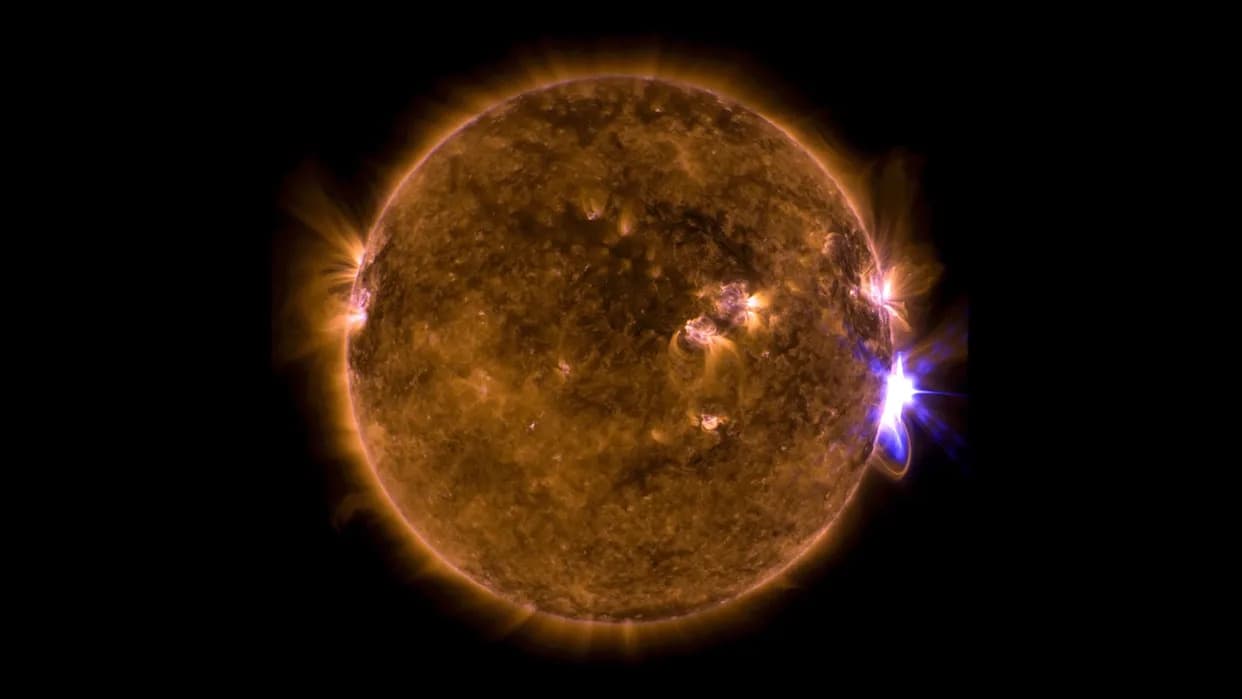
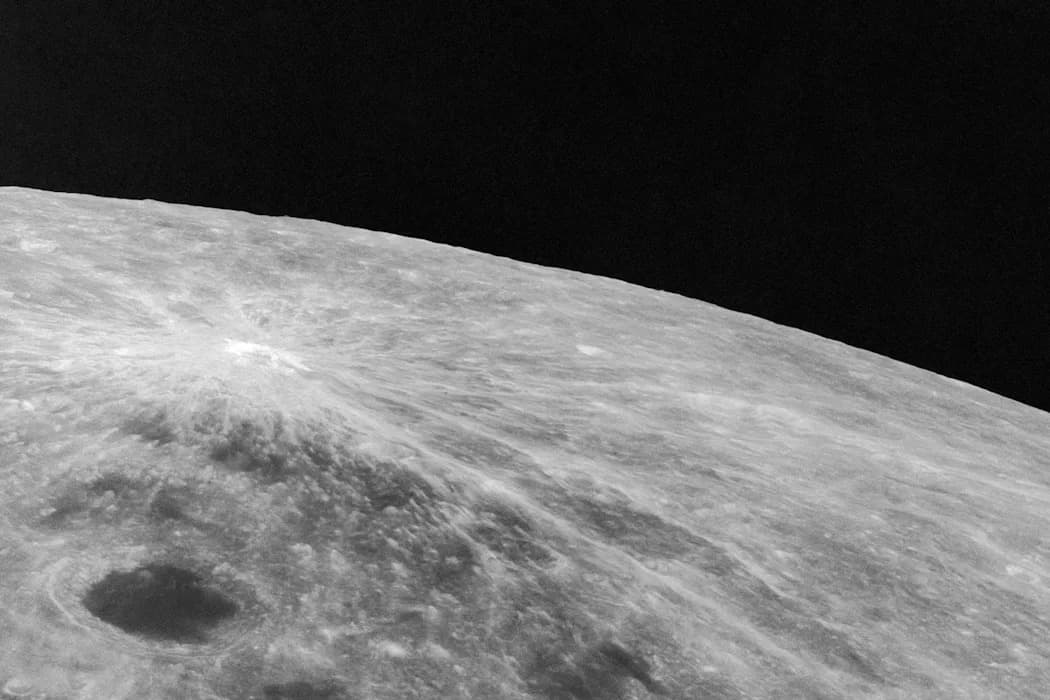
1986 was a pivotal year for science and technology: Voyager 2 visited Uranus, the Soviet Union began assembling the Mir space station, and Japan’s Suisei probed Halley’s Comet. On Earth, the Rutan Voyager completed the first nonstop, non-refueled circumnavigation while IBM introduced the first commercial laptop, the PC Convertible. Early CGI and full-color 3D IMAX experiments advanced visual storytelling, Nintendo’s NES and games such as Zelda and Metroid expanded gaming’s scope, and the Challenger and Chernobyl disasters led to sweeping safety reforms.
Six Scientific and Tech Milestones That Turn 40 in 1986
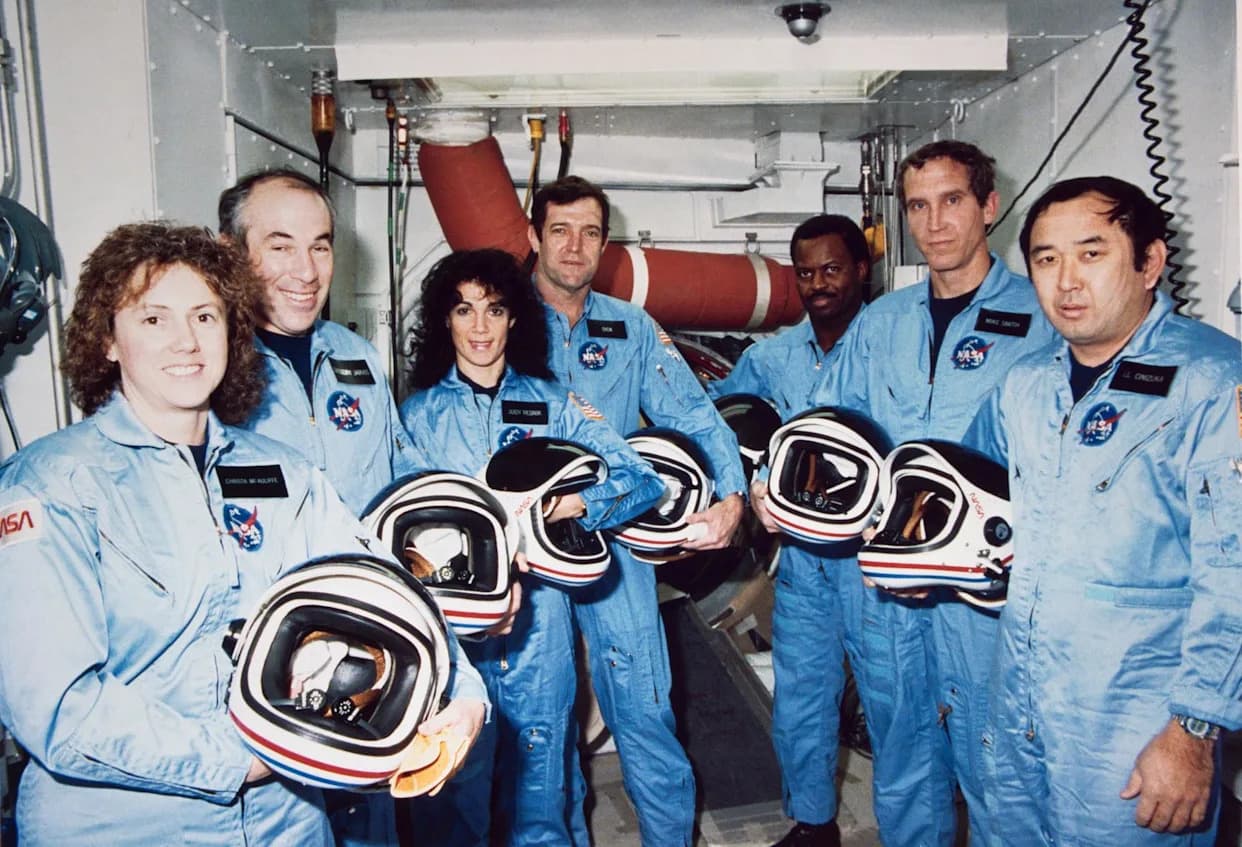
NASA’s STS-51L crew members pose for photographs during a break in countdown training at the White Room, Launch Complex 39, Pad B. Left to right are Teacher-in-Space payload specialist Sharon Christa McAuliffe; payload specialist Gregory Jarvis; and astronauts Judith A. Resnik, mission specialist; Francis R. (Dick) Scobee, mission commander; Ronald E. McNair, mission specialist; Mike J. Smith, pilot; and Ellison S. Onizuka, mission specialist.
1986 was more than a year of pop-culture moments — it was a turning point for space exploration, computing, aviation and digital imagery. The year produced multiple breakthroughs and milestones whose effects are still visible today, from deep-space probes to early laptops, and from experimental CGI to landmark safety reforms following two tragic accidents.
Space Exploration: Voyager 2, Mir and Suisei
Voyager 2, launched in 1977, became the first human-made probe to fly past Uranus in 1986, continuing a unique mission that would, in time, study Jupiter, Saturn, Uranus and Neptune up close. Its data reshaped planetary science and expanded our understanding of the outer solar system.
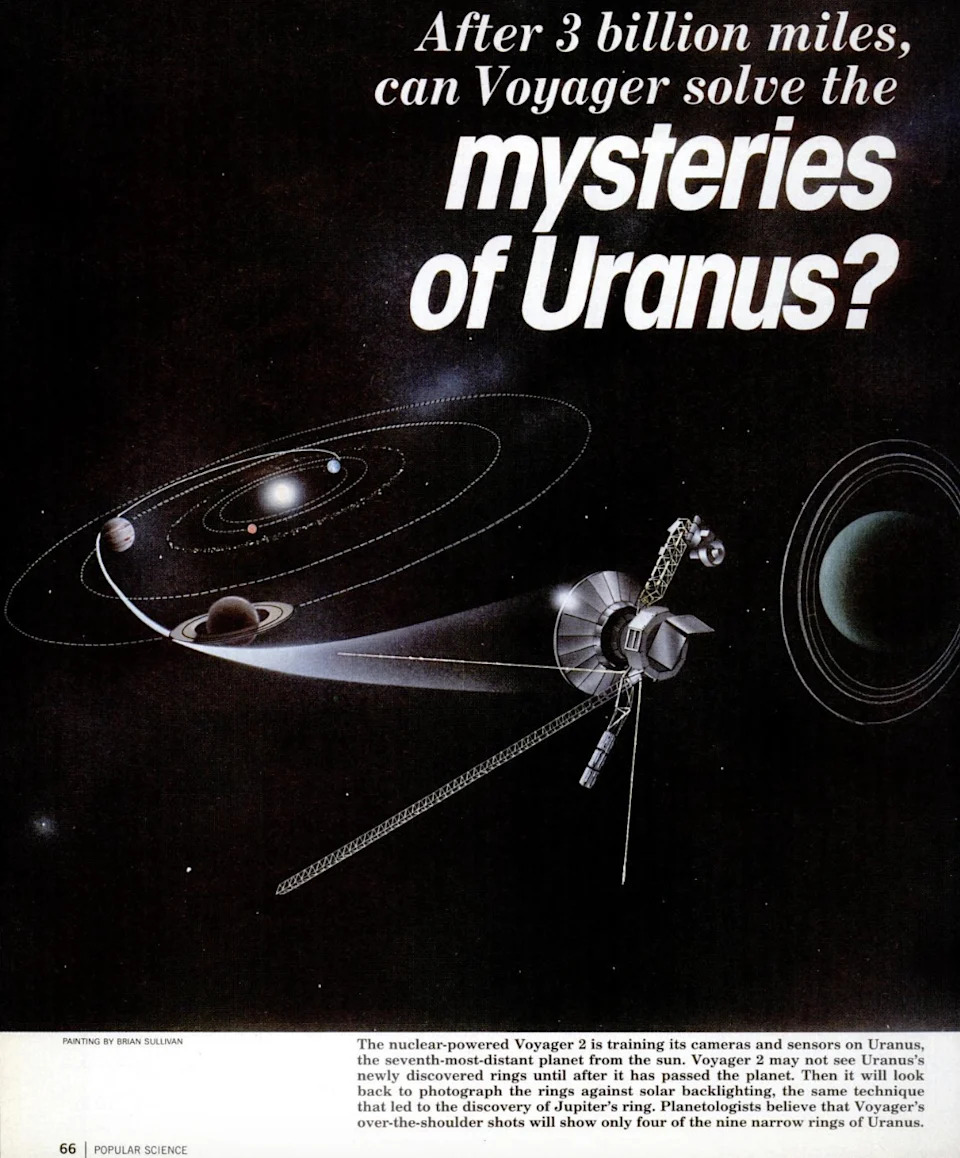
In the January 1986 issue of Popular Science, writer Jim Schefter wondered if Voyager 2 could solve the mysteries of Uranus.Image: Popular Science Archive
Mir, the Soviet modular space station, began on-orbit assembly in 1986 when its core module was launched. Mir went on to become the most ambitious long-duration space station of its time, hosting 105 cosmonauts from more than a dozen nations and serving as a critical laboratory for long-term living in space.
Japan’s Suisei spacecraft contributed to the international study of Halley’s Comet in 1986. Equipped with ultraviolet imaging and solar-wind instruments, Suisei helped measure the comet’s rotation, variations in outgassing and the behavior of cometary ions interacting with the near-Earth environment.
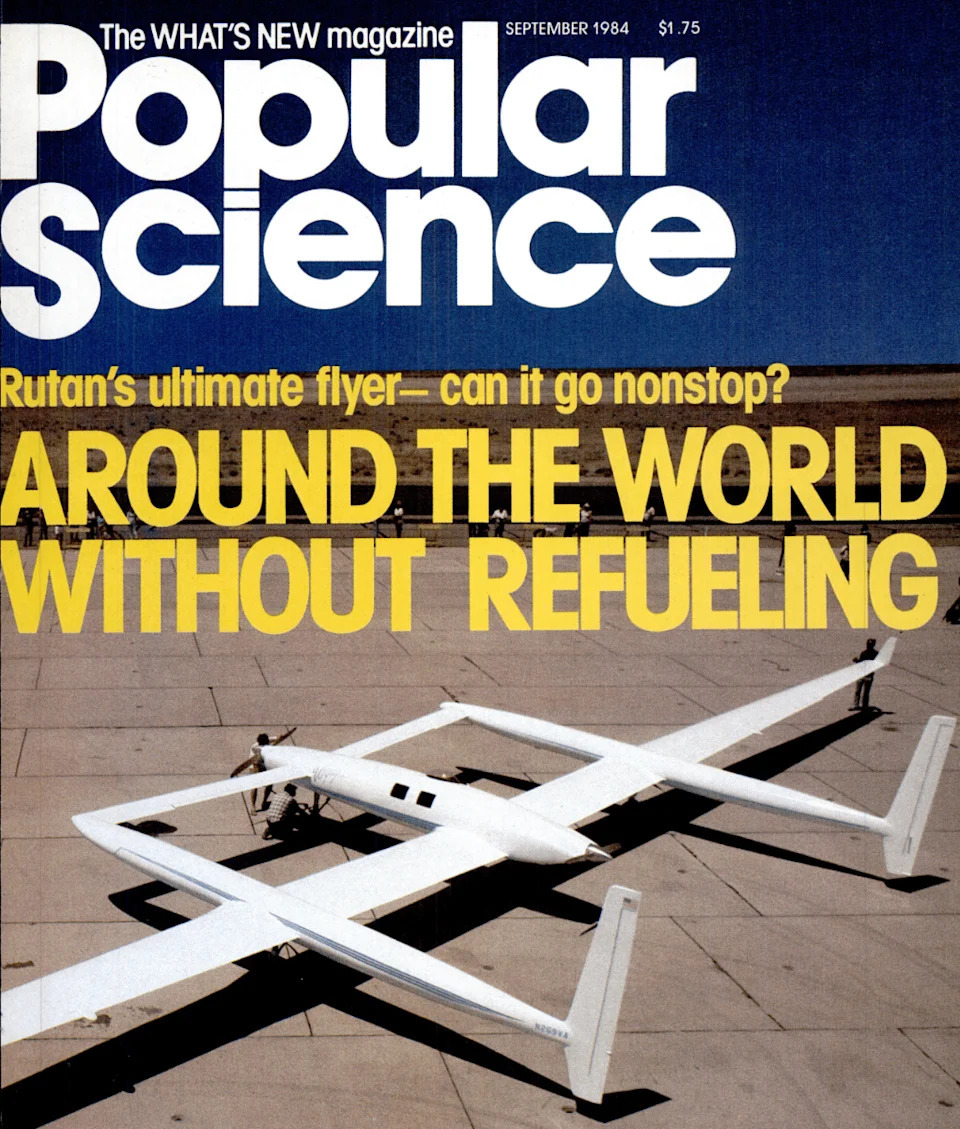
In 1984, we questioned if the Rutan Voyager could circle the globe without refueling. In 1986, it did just that.Image: Popular Science Archives
Aviation and Materials Science
On December 23, 1986, the Rutan Voyager completed the first nonstop, non-refueled flight around the world in about nine days. Designed by Burt Rutan and piloted by Dick Rutan and Jeana Yeager, the aircraft demonstrated the promise of lightweight composite materials (carbon fiber and epoxy), which would later spread into automotive, sporting and aerospace applications.
Personal Computing Goes Portable
IBM introduced the PC Convertible on April 2, 1986 — the first commercially available laptop. Weighing roughly 13 pounds and resembling a briefcase by modern standards, it represented a major step from room-sized and desktop systems toward portable personal computing. Together with early handheld mobile phones introduced a few years earlier, these devices laid critical groundwork for the laptops and smartphones we rely on today.
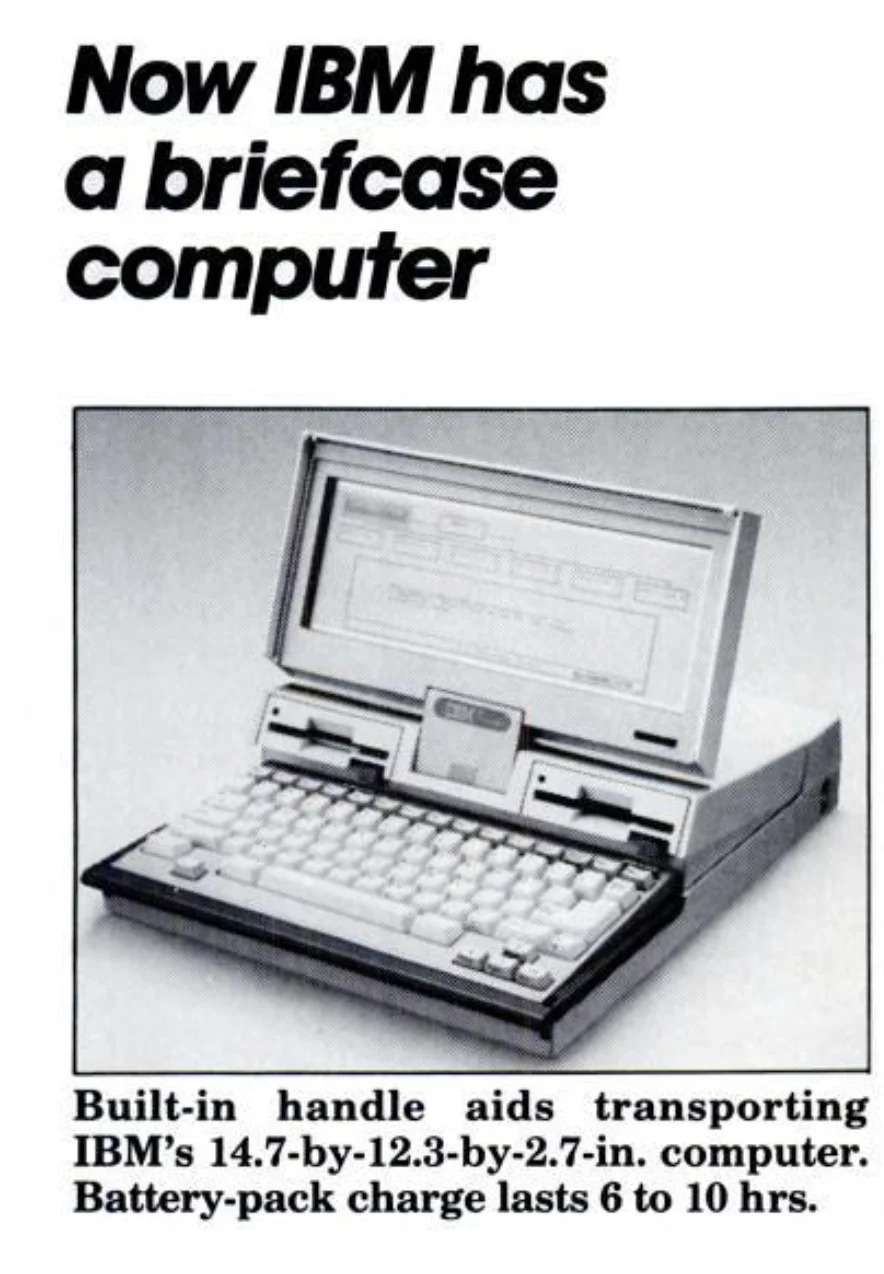
IBM’s “briefcase computer” seen in the July 1986 issue of Popular Science.Image: Popular Science Archives
Digital Imagery and Animation
1986 saw early, influential uses of computer-generated imagery: Jim Henson’s Labyrinth featured a realistic CG owl sequence, one of the first attempts at a lifelike digital animal. At Expo ’86 in Vancouver, the Canada Pavilion screened Transitions, the first full-color 3D IMAX film, presaging immersive cinematic experiments that would evolve into modern large-format and 3D storytelling.
Behind the scenes, Lucasfilm sold its computer animation group in 1986 to Steve Jobs; that group became Pixar, whose 1986 short Luxo Jr. would be an early landmark in CGI storytelling and a harbinger of a new era in animated filmmaking.
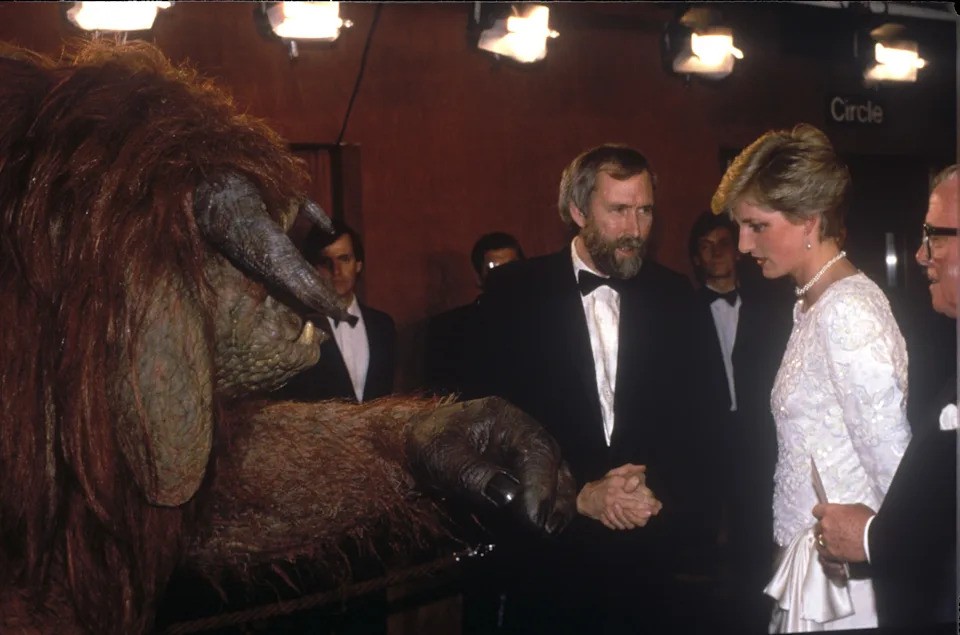
Princess Diana at the London premiere of ‘Labyrinth,’ with Ludo and Jim Henson on December 1, 1986.Image: John Shelley Collection/Avalon/Getty ImagesJohn Shelley Collection/Avalon
Video Games Move Toward Deep Worlds
Nintendo’s Entertainment System rolled out broadly across the U.S. in 1986 after initial test-market releases, accelerating the revival of home consoles. Key titles that began appearing in 1986 (particularly in Japan) — including The Legend of Zelda, Metroid and Dragon Quest — introduced larger worlds, deeper narratives and role-playing elements that helped shift games from arcade-style play to richer, story-driven experiences.
Tragedies That Changed Safety Practices
Not all milestones were positive. On January 28, 1986, the Space Shuttle Challenger broke apart seconds after launch, killing seven crew members, including teacher-astronaut Christa McAuliffe. Investigations identified O-ring failure in cold temperatures as a primary cause, prompting major changes to NASA’s engineering practices, risk assessment and safety culture.
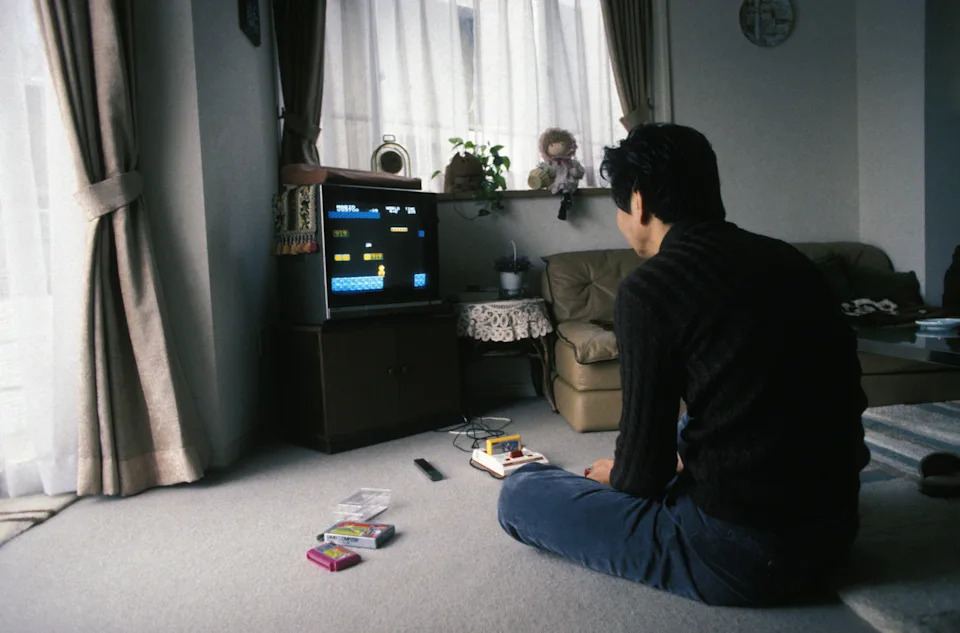
Nintendo Famicom home video game released in April 1986 in Japan.Image: Kurita KAKU/Gamma-Rapho via Getty ImagesKurita KAKU
On April 26, 1986, the Chernobyl nuclear power plant suffered a catastrophic reactor explosion and meltdown during a test in Ukraine (then part of the Soviet Union). Widespread radioactive contamination and a long-term exclusion zone drove international efforts to improve reactor design, emergency procedures, regulatory oversight and transparent safety practices around nuclear operations.
From planetary science and long-duration spaceflight to portable computing, early CGI and the evolution of video games — and even hard lessons in safety and engineering — 1986 left a lasting imprint on the technological world we live in today.
Help us improve.