This study reports the first direct biochemical traces of betel (areca) nut consumption in Southeast Asia from dental calculus at Nong Ratchawat, Thailand, dated to about 4,000 years ago. Chemical analysis detected arecoline and arecaidine in three samples tied to a single female burial, and the method was validated with a simulated chewing reference. Experts caution that additional radiocarbon dating, wider sampling, and physical plant remains are needed to confirm how widespread the practice was and which Areca species were involved.
4,000-Year-Old Biochemical Evidence Suggests Betel Nut Chewing in Southeast Asia

Betel nuts are displayed in a stall at an agricultural fair at the Gandhi Krishi Vigyan Kendra campus in Bangalore on November 19, 2009. (photo credit: DIBYANGSHU SARKAR/AFP via Getty Images)
A new biochemical study provides the first direct chemical evidence that people in Southeast Asia chewed betel nut roughly 4,000 years ago. The research, published in Frontiers in Environmental Archaeology, analyzed microscopic residues preserved in dental calculus from burials at the Nong Ratchawat site in Thailand and detected compounds commonly associated with areca (betel) nut use.
Background: What Is Betel (Areca) Nut?
Betel nut (also called areca nut) is the seed of the areca palm and is traditionally chewed wrapped in a betel leaf together with lime (calcium hydroxide) and sometimes other additives. The practice is widespread across South and Southeast Asia and the Pacific and is known for psychoactive effects such as increased alertness and mild euphoria. It is also linked to serious health risks, including an elevated risk of oral cancer.
Methods: How the Study Was Done
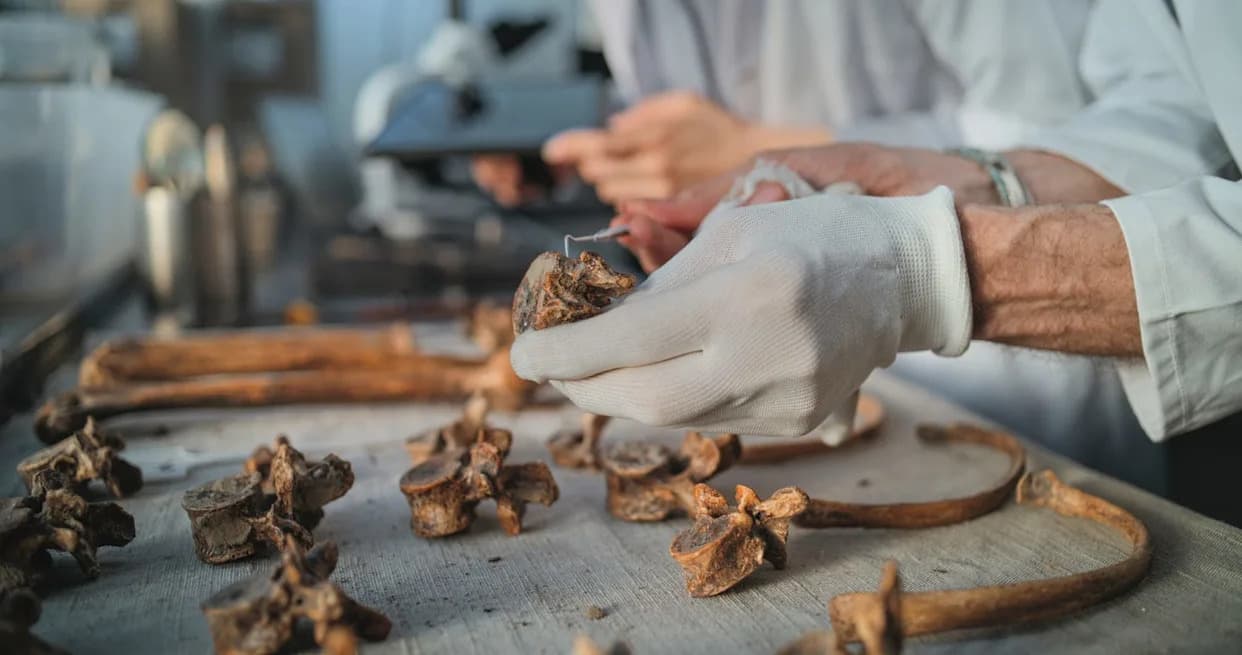
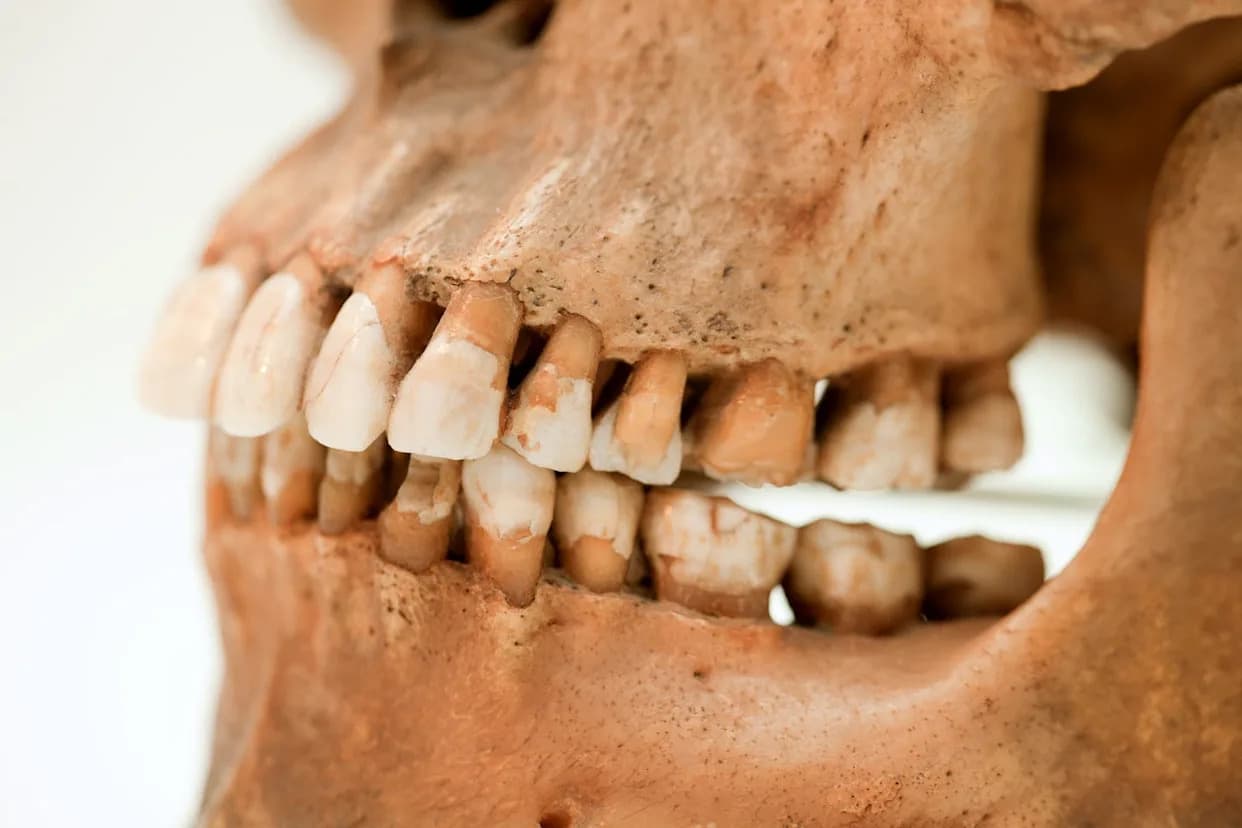
The team, led by Piyawit Moonkham of Chiang Mai University, examined 36 dental calculus samples collected from six individuals excavated at Nong Ratchawat. Dental calculus (calcified plaque) can trap and preserve biochemical and microbotanical evidence of diet and other behaviors over millennia. Chemical analysis targeted alkaloids associated with areca nut and identified two diagnostic compounds: arecoline and arecaidine.
To validate the detection method, researchers created an experimental reference sample that simulated chewing: dried areca nut, betel leaves, a pink limestone paste (used historically as a lime source), and saliva. This helped confirm that the chemical signature they sought could be recovered from dental calculus-like material.
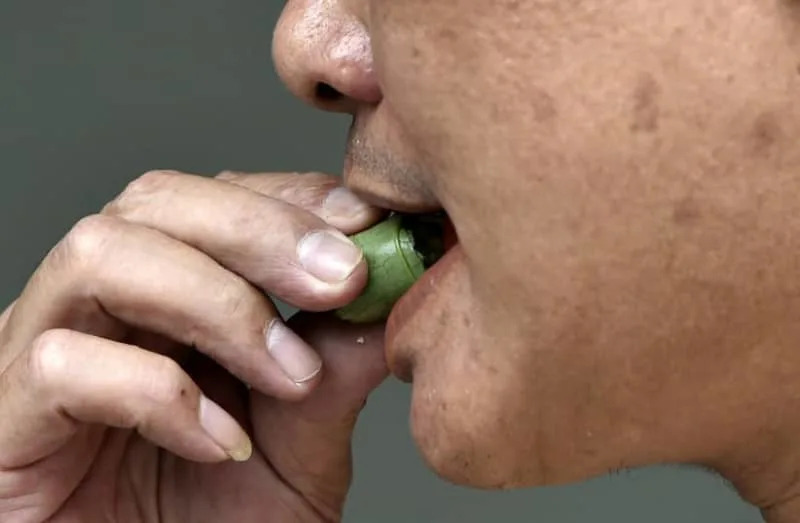
This picture taken on August 31, 2017 shows a man eating betel nuts in Nantou, central Taiwan. - Since a 2003 study confirmed betel nut as a carcinogen there has been a gradual decline in popularity, although around two million people still chew the nut, according to government figures. (credit: SAM YEH/AFP via Getty Images)
Key Findings
Arecoline and arecaidine were detected in three of the 36 calculus samples. All three positives were associated with a single female burial that dates to roughly 4,000 years ago. The authors emphasize that these detections provide the first direct biochemical trace of probable betel nut use at this time and place.
Expert Commentary and Cautions
Co-author Shannon Tushingham (California Academy of Sciences) noted that other common archaeological markers of chewing—such as stained teeth or discarded nutshells—were absent at Nong Ratchawat. Miriam Stark (University of Hawaii) recommended caution before calling this the earliest regional evidence, arguing for additional radiocarbon dates and more extensive site comparisons. Cristina Castillo (University College London) raised the taxonomic question that the genus Areca includes many species; she urged further work to confirm whether the detected compounds are uniquely diagnostic of the domesticated betel nut species or could come from related palms. Roger Forshaw (University of Manchester) highlighted dental calculus as a promising tool for revealing ancient behaviours, while also supporting combined biochemical and physical evidence to strengthen interpretations.
Limitations and Next Steps
The study is an important methodological and empirical step, but it has limitations. Only a single burial showed positive residues, and the absence of additional plant macrofossils or nutshells at the site leaves questions about how widespread chewing was among this ancient community. Future work should include more comprehensive radiocarbon dating, broader sampling across burials and sites, genetic or taxonomic analyses of any preserved plant remains, and comparisons with modern reference material from multiple Areca species.
Implication: These findings open a new line of direct biochemical evidence for ancient betel nut use, but they do not by themselves prove how common the practice was or which exact areca species were consumed.
Overall, the study expands archaeologists’ toolset for detecting cultural practices and points toward targeted follow-up research to map the history, geographic spread, and cultural contexts of betel chewing in prehistoric Southeast Asia.
Help us improve.